Recent studies confirm that Uranus emits about 12.5% more heat than it receives from the Sun, resolving a long-standing puzzle and suggesting unique internal processes or history, which underscores the need for future missions to better understand this enigmatic planet.
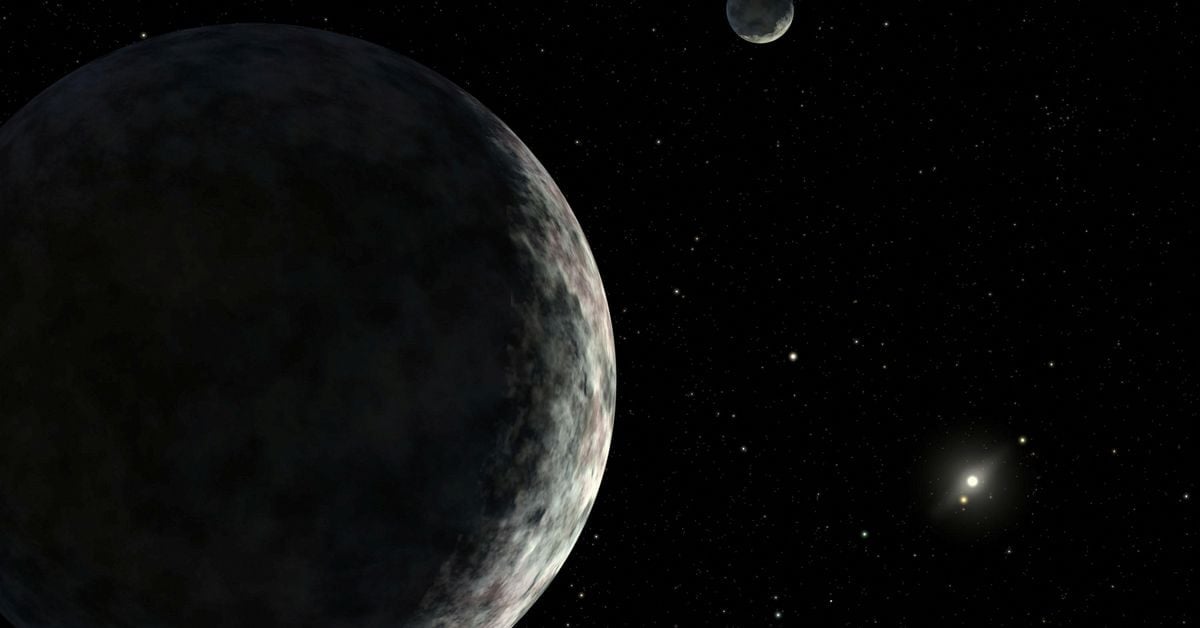
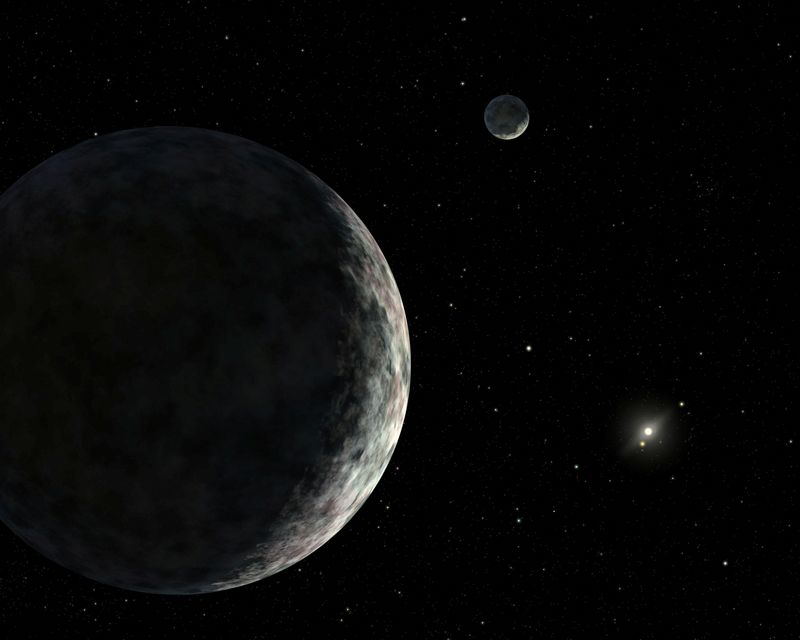
A recent study led by Professor Francis Nimmo from the University of California, Santa Cruz, has revealed that the dwarf planet Eris, similar in size to Pluto but located farther from the sun, has a surprisingly "squishy" internal structure. The study utilized data on Eris's moon Dysnomia to infer properties of Eris's internal structure. The researchers found that Eris has a rocky core surrounded by a convecting layer of ice, making it behave less like a rigid object and more like a soft cheese. Further measurements and observations are needed to refine the model and determine the exact shape of Eris.
Scientists have gained a better understanding of the internal structure and composition of the dwarf planet Eris, which is similar in size to Pluto. Research based on its orbital relationship with its moon Dysnomia suggests that Eris has a rocky interior beneath an icy shell. Unlike Pluto, Eris is thought to have experienced enough heat in its history to melt, causing the rock to sink to the center. Eris has a higher concentration of rock and a lower ice content compared to Pluto, making it more massive. The new findings highlight the uniqueness of each dwarf planet and caution against inferring too much from what is known about Pluto.
Scientists have gained a better understanding of the mysterious dwarf planet Eris, which is similar in size to Pluto but has never been visited. Research based on its orbital relationship with its moon Dysnomia suggests that Eris has a rocky interior below an icy shell. Unlike Pluto, Eris is thought to have separated rock from ice, indicating that it got hot enough at some point to melt. Eris has a higher rock content and a slower churning motion of ice, driven by leftover heat. The findings highlight the uniqueness of each dwarf planet and caution against inferring too much from what is known about Pluto.
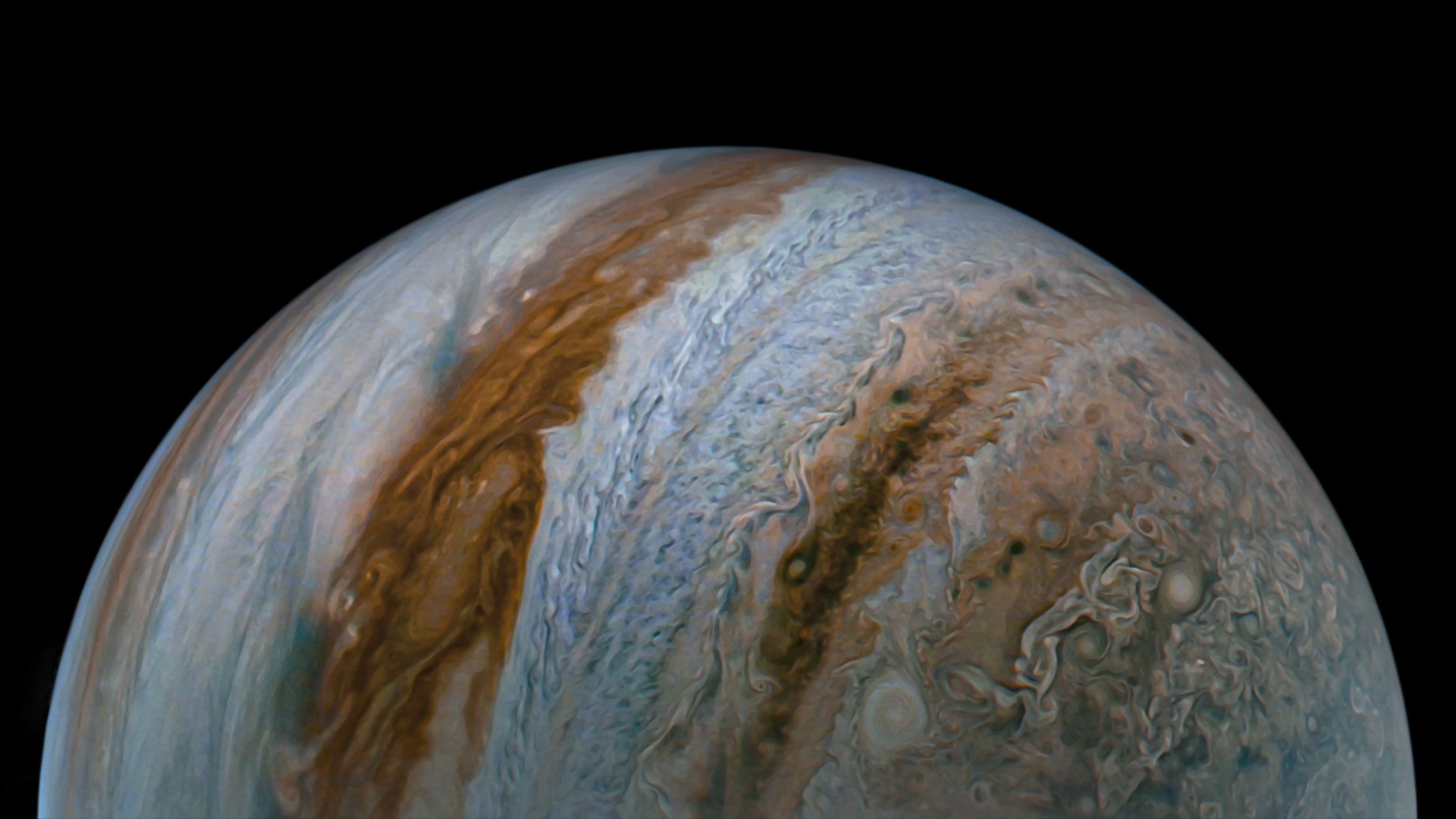
NASA's Juno mission has provided new insights into the internal structure of Jupiter by revealing that the planet's atmospheric winds penetrate in cylindrical layers parallel to its spin axis. Gravity data collected by Juno indicates that the planet's powerful east-west zonal flows extend inward in a cylindrical manner, settling a long-standing debate about the structure of Jupiter's deep atmospheric winds. The findings, published in the journal Nature Astronomy, enhance our understanding of Jupiter's internal dynamics and could also provide valuable insights into the atmospheres of other giant planets.
Earth is composed of a crust, mantle, and core. The crust, which accounts for only 1% of the planet's volume, is split into oceanic and continental crusts. The mantle, making up 84% of Earth's volume, is solid rock but acts like a fluid in geological timescales. The core consists of a liquid outer core surrounding a solid inner core, giving Earth its magnetic field. The inner core is slowly growing as the planet cools.
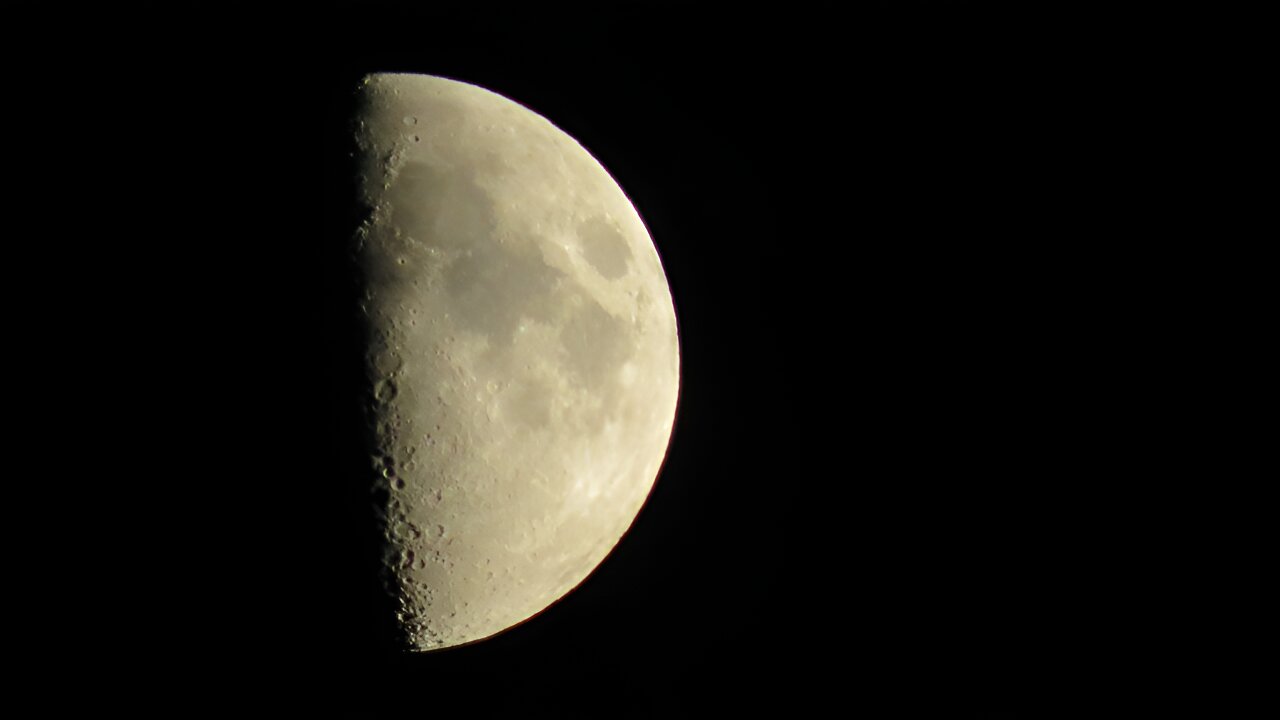
Researchers have developed a new technique called THeBOOGIe (transdimensional hierarchical Bayesian object-oriented gravity inversion) that uses gravity data to infer the internal structure of planetary bodies. Unlike traditional methods, THeBOOGIe allows for more flexibility in inputting geological and geographical data and does not require a depth range or information on known internal density interfaces. The technique applies a Bayesian statistical approach to refine a randomly generated model of a planet or moon's interior until it best fits the input data. The researchers successfully tested THeBOOGIe on synthetic lunar data, accurately identifying the location and width of density anomalies in the lunar crust and mantle. The technique shows promise for visualizing the interiors of planets and moons lacking seismic and geophysical data.