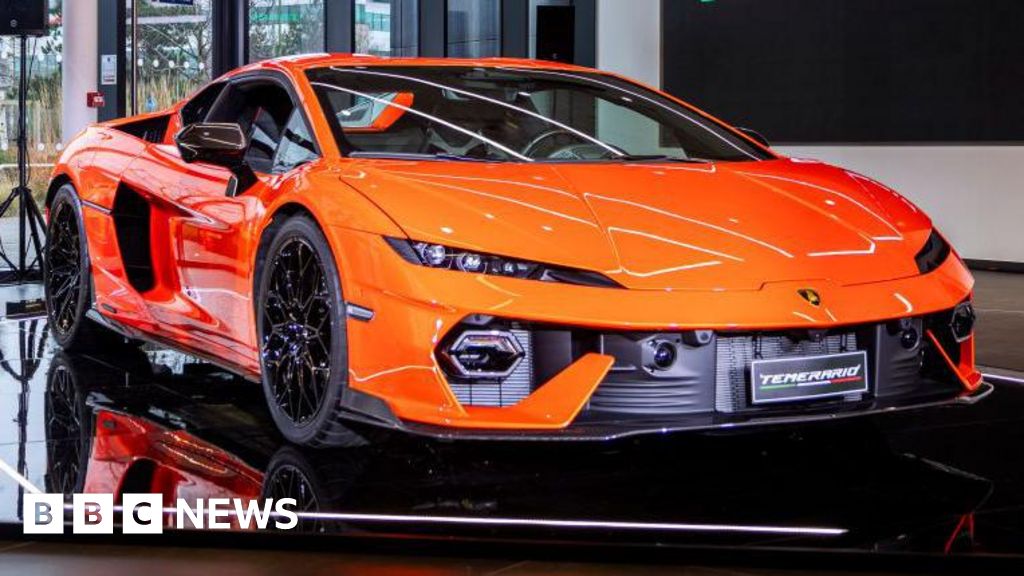
Lamborghini's CEO Stephan Winkelmann announced that the luxury carmaker plans to continue using internal combustion engines for at least the next decade due to declining enthusiasm for electric vehicles among high-end buyers, and is considering whether to make its upcoming Lanzador model fully electric or a plug-in hybrid, amidst broader industry debates on emission regulations and electric transition timelines.
Phinia Inc., the newly spun-off fuel systems and aftermarket segment of BorgWarner, made a strong debut on the New York Stock Exchange, with its stock price surging over 20% on its first day of trading. The Michigan-based automotive supplier, which produces parts for internal combustion engines, aims to focus on developing sustainable solutions for internal combustion engines and alternative fuels, including hydrogen, as part of its vision for a carbon-neutral future. The spinoff allows BorgWarner to concentrate on electric vehicles, while Phinia seeks to capitalize on the continued demand for non-electric automotive technologies.
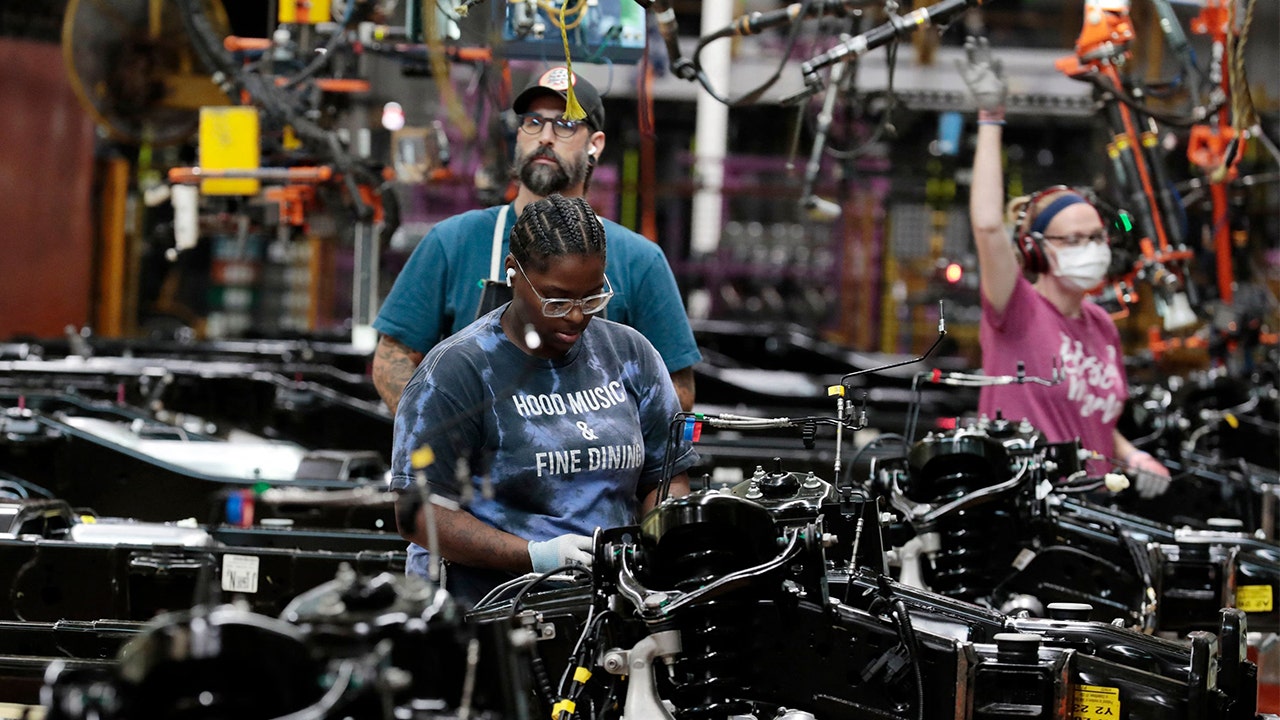
General Motors will invest $632 million to update its Fort Wayne assembly plant in Indiana to produce the next generation of full-size pickup trucks with internal combustion engines. The investment will not create new jobs but will retain jobs for about 4,000 people who work at the plant. Construction will begin in 2024, and GM has not disclosed when the new trucks will go on sale.
Ford has signed an agreement with Albemarle Energy Storage for supplies of enough lithium hydroxide to support the manufacture of batteries for three million electric vehicles between 2026 and 2030. During the automaker's Capital Markets Day event, Ford executives discussed their plans to efficiently build profitable electric vehicles, but also stressed that the company's internal combustion engine business has a bright future and remains primed for growth. Ford Blue, the automaker's division dedicated to internal combustion engine and hybrid models, plans to increase production of its models by 160,000 vehicles in the next 10 months and aims for an EBIT margin above 10% by 2026.
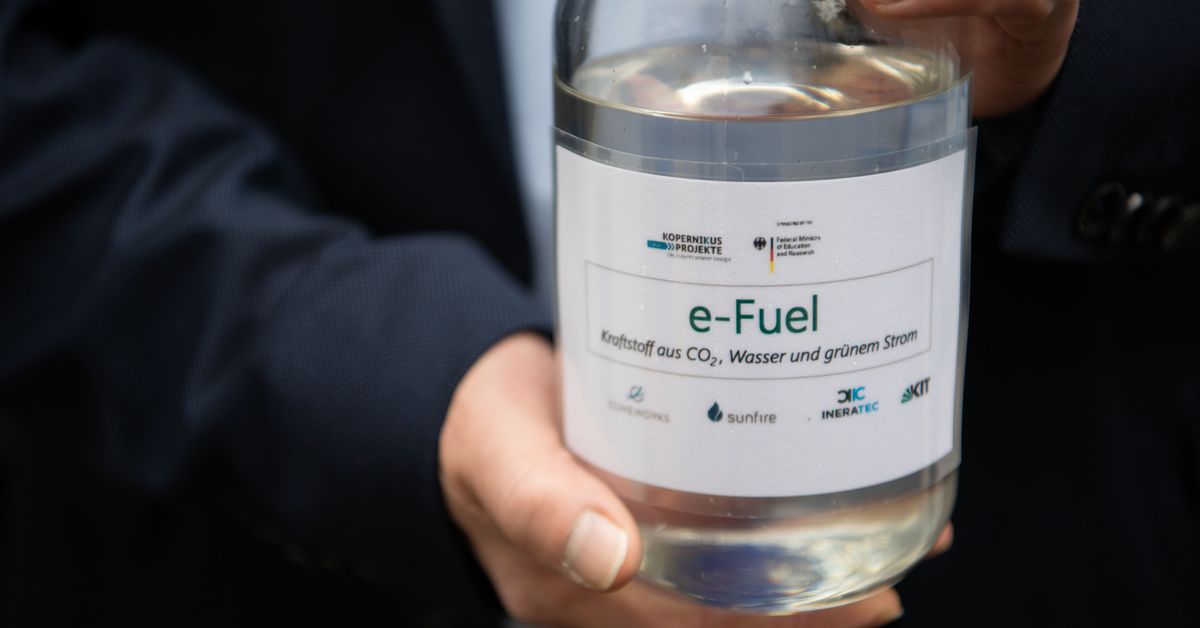
The European Union's plan to eliminate carbon dioxide emissions from new cars and vans by 2035 has been weakened by an exemption for internal combustion engine (ICE) cars that use synthetic e-fuels. E-fuels are a synthetic alternative that can be made from air and water using electricity, but they are costly and inefficient. While running on e-fuel instead of gasoline might reduce carbon dioxide emissions, some experts worry that making room for e-fuels within plans to transition to clean energy only keeps more gas-guzzling cars on the road.
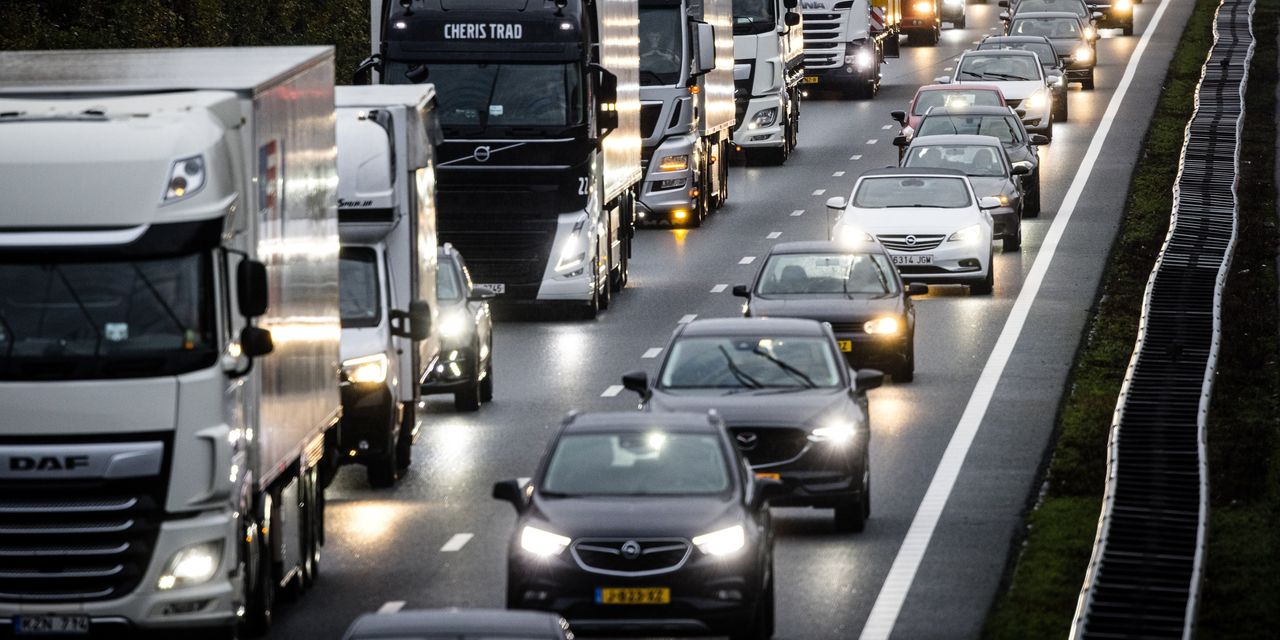
The European Union has decided to step back from its plan to ban internal-combustion automobile engines by 2035 as part of its goal to reach net-zero carbon-dioxide emissions by 2050. The ban was formulated without a clear replacement for conventional engines, and battery technologies do not yet exist to replace fossil fuels in driving distance or ease of refueling. EVs also require subsidies for consumers and production across the supply chain to be profitable.
Germany and the European Union have reached an agreement on the sale of new internal combustion cars, which will be banned beginning in 2035. Germany insisted that some cars with conventional engines be allowed to be sold if they run on carbon-neutral e-fuels. The agreement allows vehicles with combustion engines that only use CO2-neutral fuels to be newly registered after 2035. However, the EU Commission will make a proposal on how pure e-fuels vehicles would contribute to the CO2 reduction targets, which could create potential stumbling blocks for the future of the process.
Ford's electric vehicle unit lost $2.1 billion in 2021, but the loss was offset by $10 billion in operating profit from its internal combustion and fleet businesses. The company expects a similar pattern in 2023, with an adjusted loss of $3 billion for its EV unit, adjusted earnings of about $7 billion for its internal combustion unit, and adjusted earnings of roughly $6 billion for its fleet business. The new financial reporting structure aims to give investors a better understanding of how Ford's electric vehicle business is evolving and how profits from its internal combustion businesses are funding its electric transformation.