Goldman Sachs equity team identifies consumer discretionary and information technology sectors as offering the best stock picking opportunities based on dispersion, with high dispersion indicating a favorable environment for picking stocks. They highlight 25 stocks with the highest dispersion scores, including Monster Beverage, DexCom, and Akamai Technologies, among others, as potential opportunities for investors.
NASA's Spring 2024 Pathways internship vacancies will open on February 26, 2024, offering opportunities in various fields such as business, engineering, mathematics, science, and information technology at different NASA centers. Undergraduate, graduate, and doctorate-level students can apply for roles in accounting, communication, human resources, engineering, mathematics, and information technology by identifying their preferred category and suitable majors. Application details for each opportunity are available on USAJOBS.
The U.S. Federal Reserve is cutting approximately 300 staff members from its payroll this year, marking a rare reduction in headcount for an organization that has steadily grown since 2010. The cuts primarily affect information technology jobs and positions related to payment processing systems, which are being consolidated. The reduction in staff is a combination of attrition and layoffs, and it is the first time budgeted headcount has fallen since 2010. The staff cuts come as the Fed faces losses on its operations and scrutiny from Republicans in Congress over its involvement in issues beyond its monetary policy and bank supervisory missions.
Leidos has secured a contract worth up to $7.9 billion to provide the US Army with information technology equipment, including servers and workstations. The Common Hardware Systems 6th Generation contract allows for the procurement of commercial off-the-shelf products for the Army and other organizations. Leidos plans to utilize its Intelligent Logistics Platform to ensure rapid fulfillment and resilience in the supply chain. The contract could run for a decade, and Leidos is expected to acquire between 75,000 to 100,000 pieces of hardware annually.
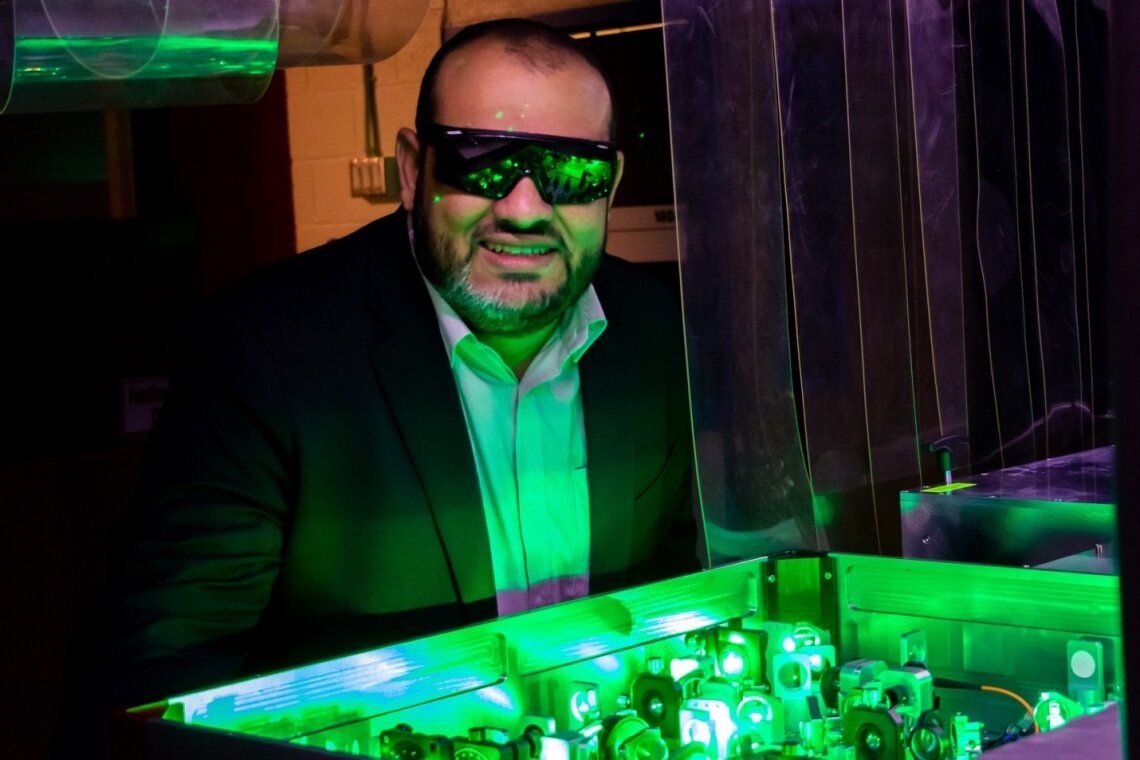
Researchers at the University of Arizona have published an article in Science Advances discussing the use of light-based optical computing to develop ultrafast electronics. The team used all-optical switching of a light signal on and off to reach data transfer speeds exceeding a petahertz, measured at the attosecond time scale. This new advancement would allow the encoding of data on ultrafast laser pulses, increasing the data transfer speed and opening a new realm of information technology.