Tag

Inflation Target

All articles tagged with #inflation target

financeeconomics1 year ago

"Challenges and Opportunities: Navigating Inflation in the US Economy"

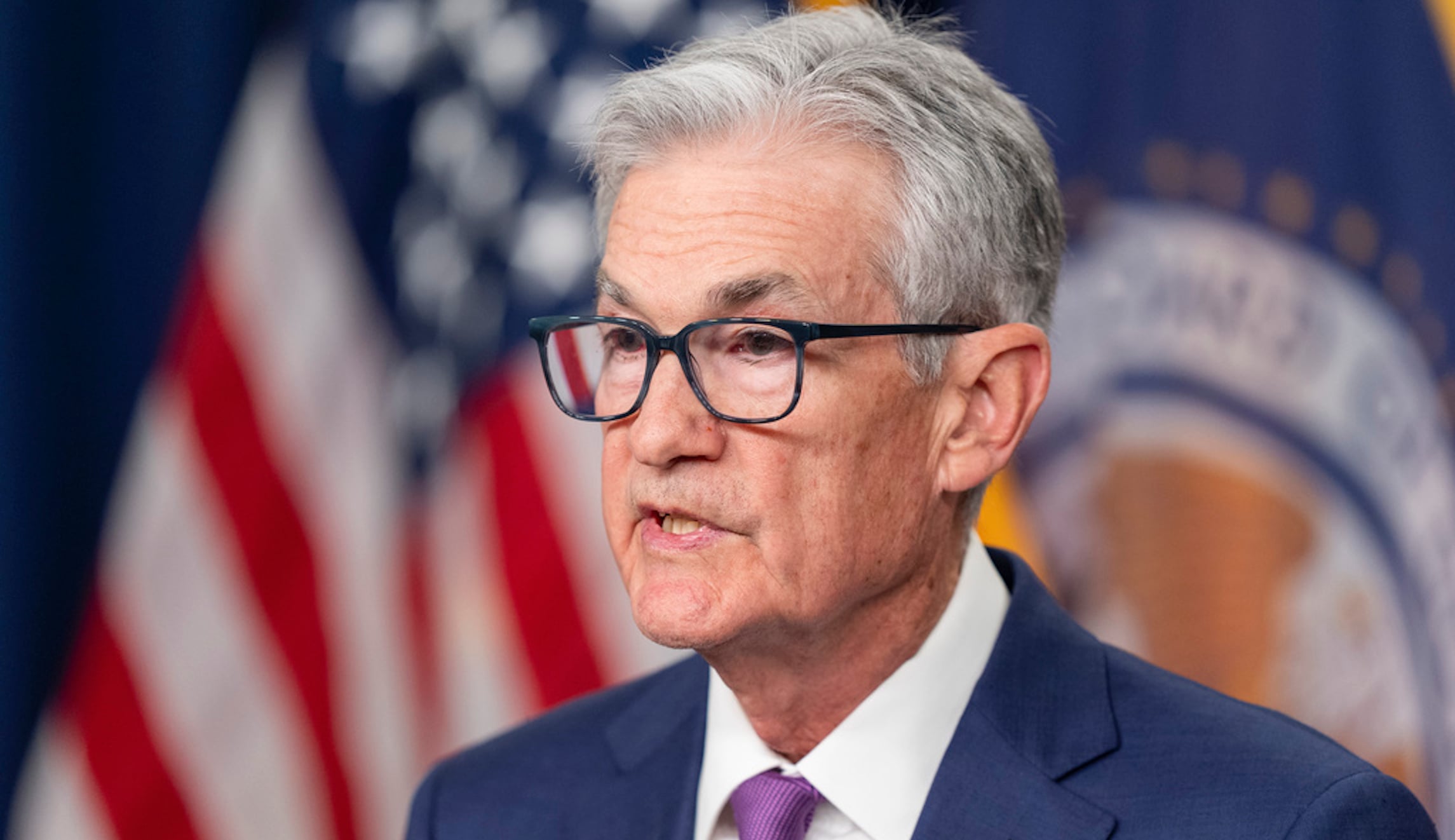
The Federal Reserve's inflation target suggests aiming for inflation below 2%, but officials have not entertained this possibility despite current inflation running well above 2%. Experts urge the Fed to clarify its target to avoid confusion. The average inflation target, adopted in 2020, may not be suited for the current surge in inflation, prompting calls for the Fed to review its longer-run goals statement. Fed Chairman Jerome Powell is expected to address questions on inflation during congressional testimony, and experts suggest the Fed should be more open about the meaning of average inflation targeting.
finance1 year ago

"Bank of Japan's Comments Spark Yen Surge and Dollar Uncertainty"

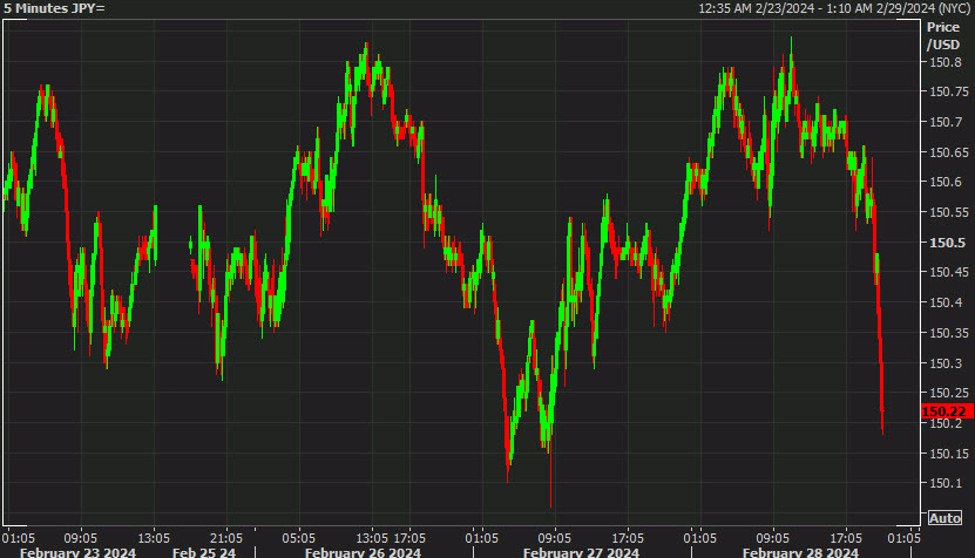
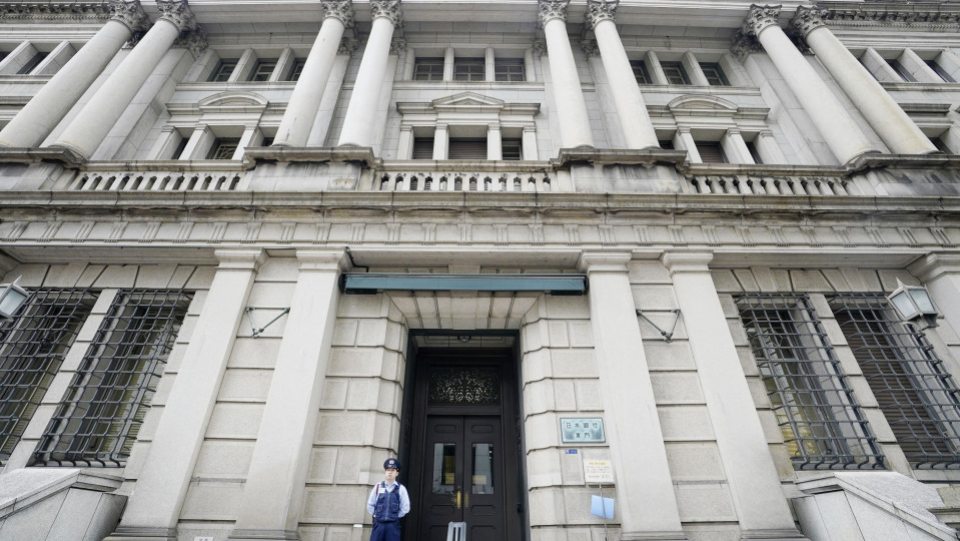
Bank of Japan board member Hajime Takata hinted at a potential interest rate hike and the end of negative interest rates, leading to a drop in USD/JPY. He emphasized the nearing of the 2% inflation target and the need for a flexible response in monetary policy, including potentially abandoning the yield curve control framework and committing to overshoot on inflation. These comments suggest a bias towards sooner rather than later for rate moves, with market pricing not at 100% until June, and come amid increasing verbal intervention to stem yen selling.

economics1 year ago

US Mortgage Applications Surge, 'Meme-lord' Unveiled, Hungary's Sovereignty Law Sparks EU Legal Battle

Federal Reserve's Mary Daly emphasizes the need for US demand to "moderate" in order to achieve the central bank's inflation target, indicating that the current high demand may hinder the goal. This statement reflects the ongoing discussions within the Fed regarding the appropriate monetary policy to address inflation and economic recovery.

economy2 years ago

"BOJ Maintains Monetary Easing, Eyes End to Negative Rates"

The Bank of Japan (BOJ) is expected to maintain ultralow interest rates at its upcoming policy meeting, as it assesses whether the price and wage hike cycle is on track to achieve its 2 percent inflation target sustainably. Financial markets are looking for clues on when the BOJ will normalize monetary policy by ending negative rates and scrapping its yield curve control program. The BOJ remains an outlier among major central banks, as the US Federal Reserve is expected to cut interest rates next year, while the European Central Bank and the Bank of England have held off on hikes.

economy2 years ago

"PCE Inflation Report: Implications for Fed's Rate Hike Plans"

The October PCE inflation report is expected to show a mild increase in the core rate of inflation, which excludes food and energy. If the forecast is accurate, the annual increase in core inflation would slow to around 3.5%, the smallest increase since April 2021. While the Fed has raised interest rates to slow the economy and curb inflation, there is uncertainty about whether further rate hikes are necessary. Most Fed officials and investors believe that current interest rates are sufficient, but the central bank remains cautious and vigilant against any potential uptick in prices. The PCE report will be released on Thursday morning.

finance2 years ago

Bank of Japan Douses Hopes for Easy Policy End, Wall Street Fears Global Spillover, Stronger Yen Lurking, Tokyo Offers Stability Amid Dim Office Market Views

The Bank of Japan (BOJ) has dismissed speculation that its recent policy adjustment signaled the start of a tightening cycle, emphasizing that its flexible approach to long-term bond yields is aimed at sustaining its ultra-easy monetary policy position. Deputy Governor Shinichi Ichida stated that the BOJ does not have an exit from monetary easing in mind and that there is still a long way to go before considering raising short-term interest rates. The BOJ's yield curve control, part of its ultra-easy monetary policy, is intended to stimulate growth and achieve its 2% inflation target. Ichida highlighted the need to strike a balance between the positive effects and costs of monetary policy.