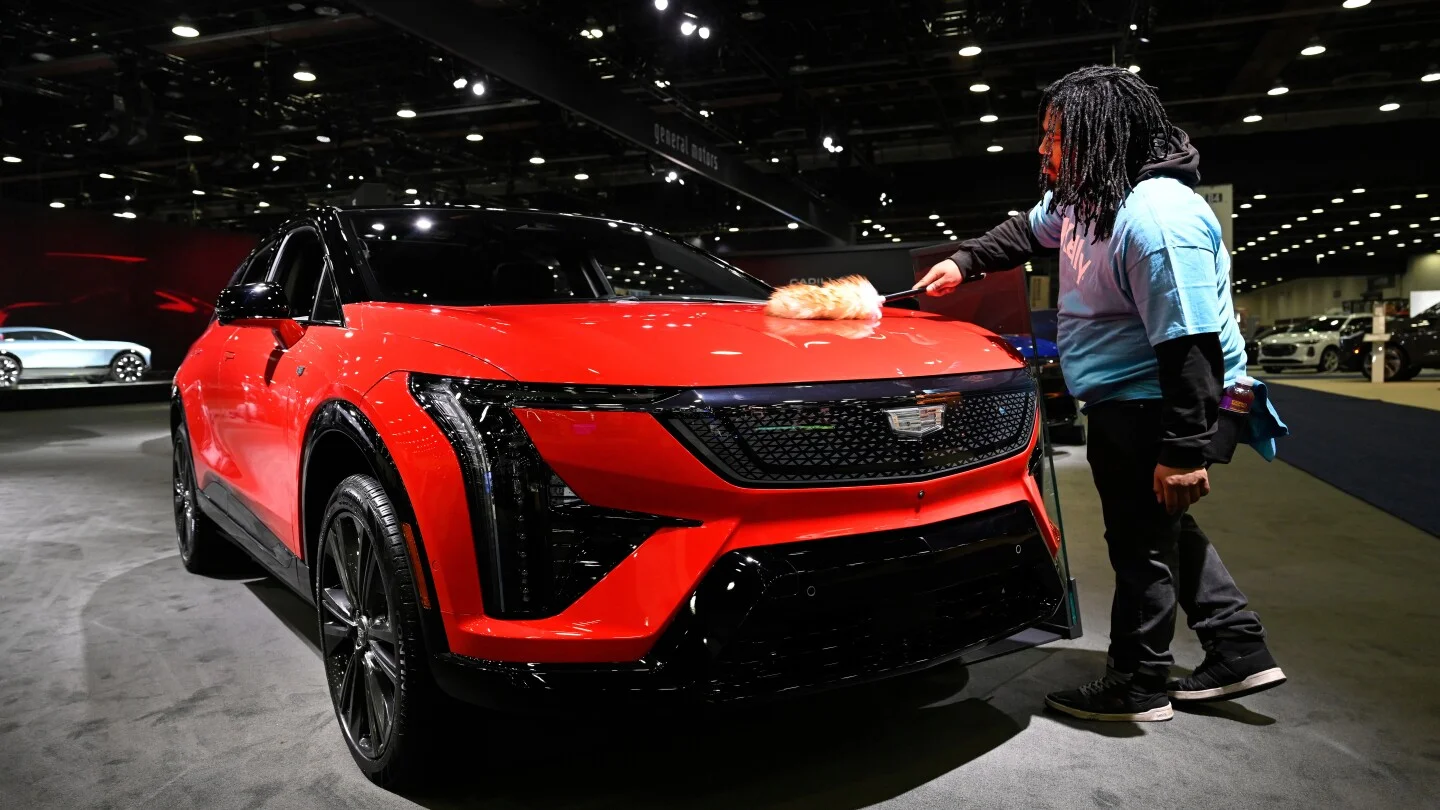
At the Detroit Auto Show, electric vehicles briefly led the spotlight, but coverage and exhibitors pivoted to a broader mix of tech and vehicle launches, signaling that EVs are no longer the sole focus of the event.
The Detroit Auto Show is set to return to its traditional January schedule in 2025 after being held in September for the past couple of years. The move aims to reinvigorate the show and attract more participants, as auto shows face challenges in the digital age. The decision to return to January is seen as a strategic move to capitalize on a quieter sales period and generate excitement for the industry. Despite changes in the automotive landscape, the Detroit Auto Show looks to reclaim its status as a consumer-focused event, with the 2025 edition scheduled for January 10-20.
Visitors at the Detroit auto show suggest that U.S. autoworkers should follow the example of their Canadian counterparts, who recently reached a new three-year tentative deal with Ford Motor Co. that includes significant wage increases. Meanwhile, the United Auto Workers (UAW) remains on strike against General Motors Co. and Stellantis NV, with some auto show visitors expressing mixed opinions about the strike. While some believe the pay and benefits of American autoworkers are still good, others worry about the impact of the strike on the economy and inflation.
The Detroit Auto Show featured limited new model reveals, with General Motors unveiling the redesigned 2024 GMC Acadia, Ford showcasing the refreshed 2024 F-150 pickup truck lineup, General Motors revealing the updated 2025 Cadillac CT5 sedan, and Stellantis showcasing the lightly overhauled 2024 Jeep Gladiator. The new Acadia is larger and features a more powerful engine, while the F-150 offers updated engines and a new hybrid version. The CT5 sedan receives a restyled front grille and a refreshed interior, and the Gladiator gets a new grille, upgraded infotainment system, and off-road features.