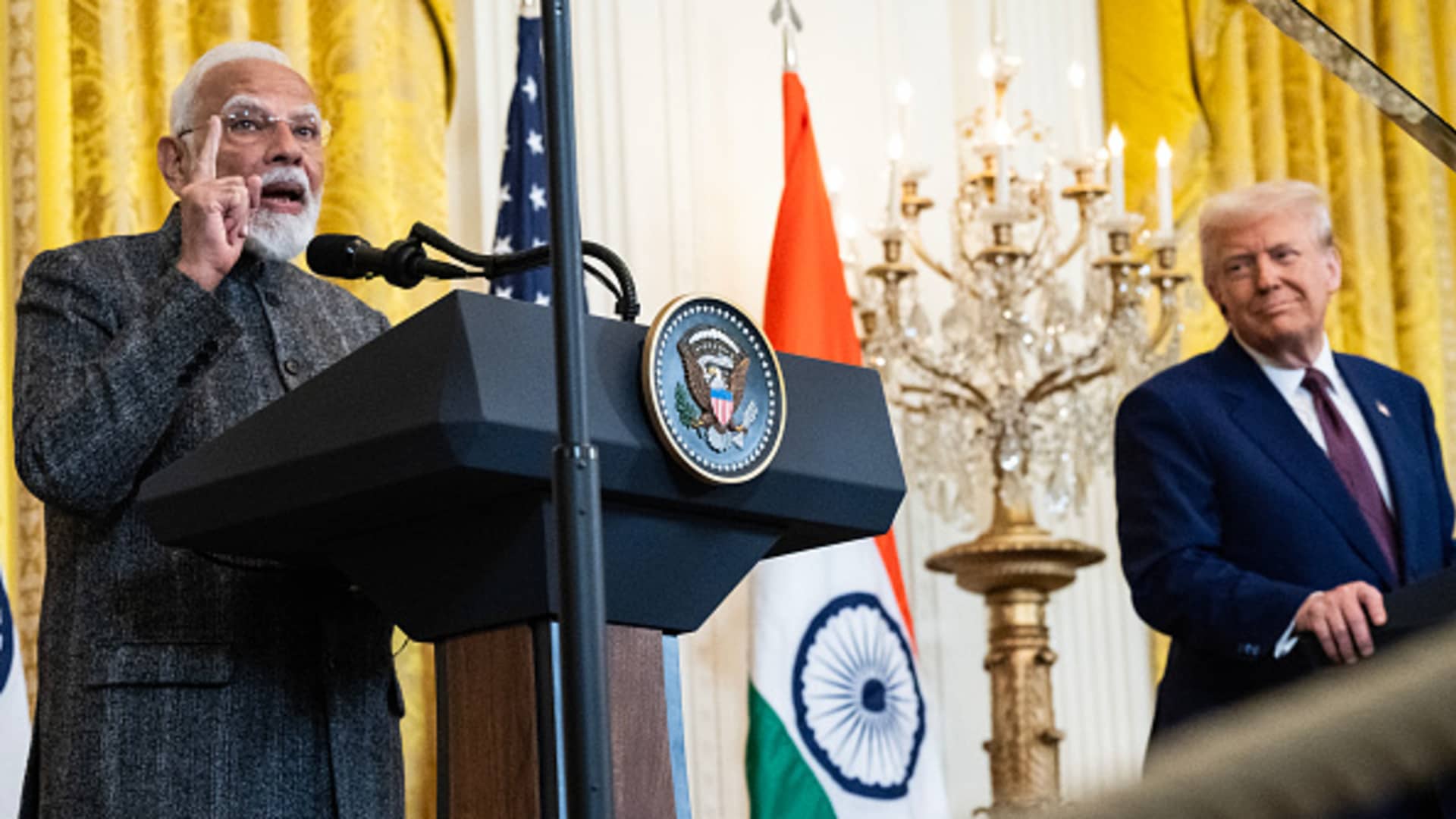
The US welcomes India's SHANTI Bill 2025, which modernizes India's nuclear legal framework, allows private companies to participate in nuclear energy, and aims to strengthen energy security and civil nuclear cooperation between the two countries.
India now faces higher US tariffs than China, reflecting a shift in US foreign policy under Trump from strategic partnership to transactionalism, which has strained India-US relations and impacted their long-standing strategic ties, despite some recent military and defense collaborations.
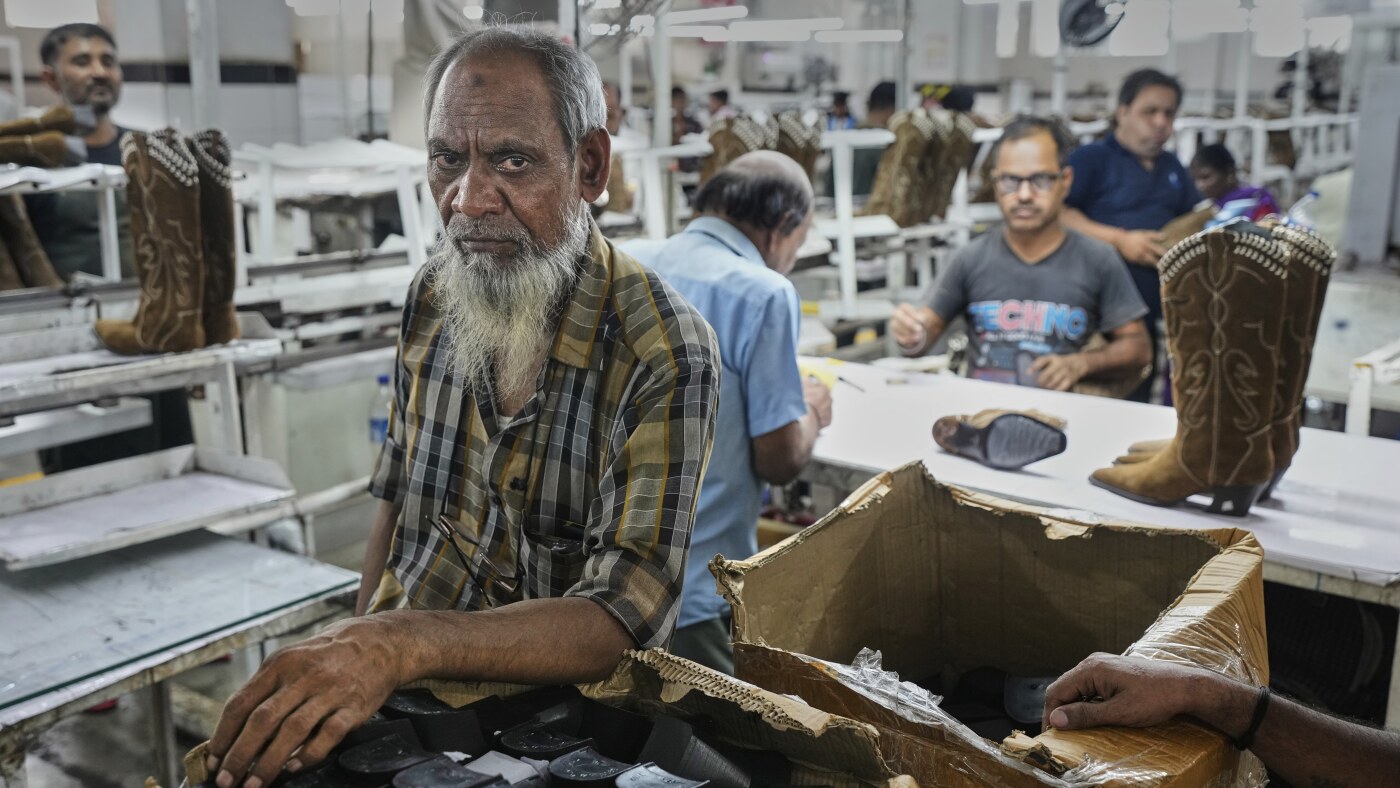
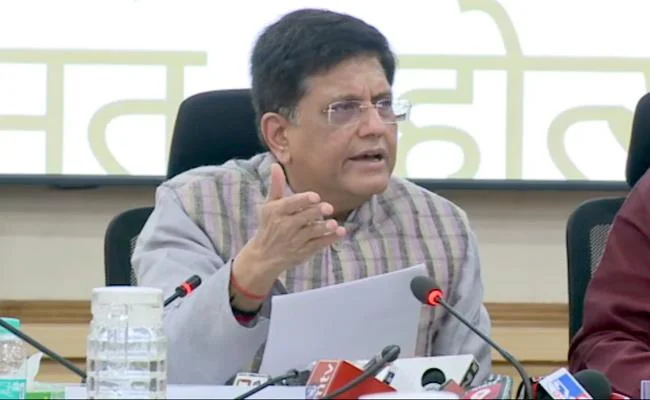
The US has imposed steep tariffs on Indian goods, affecting $48.2 billion in exports and risking job losses and economic slowdown in India, especially in labor-intensive sectors, amid ongoing trade negotiations and India's efforts to diversify markets and bolster domestic consumption.
The article discusses the deterioration of India-US relations during Trump's presidency, highlighting tariffs and strategic disagreements, and explores how this shift impacts the US's broader pivot to Asia, with India balancing its relationships with Russia and China amid changing geopolitical dynamics.
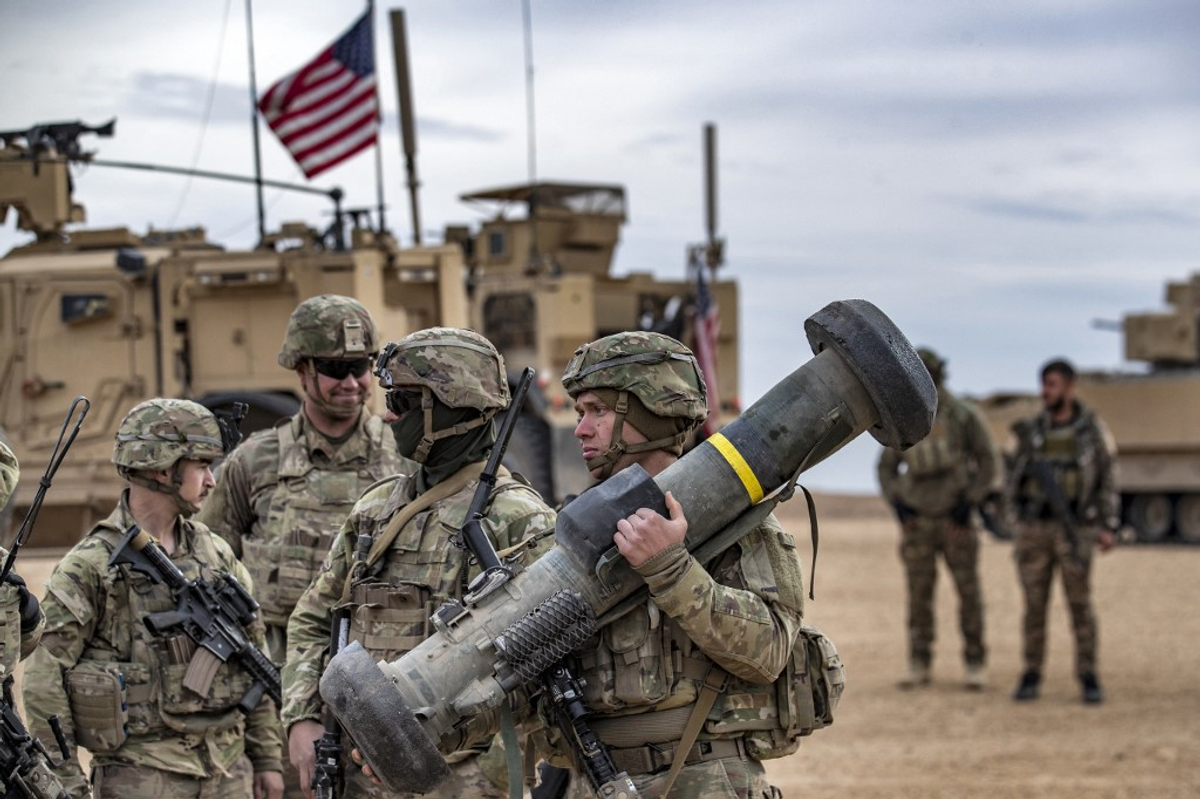
India has halted its plans to purchase US weapons amid escalating tensions with the US over tariffs and trade disputes, while also maintaining its longstanding arms relationship with Russia and seeking to diversify its procurement sources.
India's stock market remains resilient despite US imposing a 50% tariff and threatening sanctions, with Indian leaders and opposition uniting to resist concessions, especially over Russian oil trade. India is seeking diplomatic solutions, planning visits to China and Russia, and emphasizing its domestic consumption strength, while carefully navigating US pressure and maintaining a balanced foreign policy. The impact on Indian exports and economy is significant but not crippling, and India is exploring legal and diplomatic avenues to counter US actions.
India has signed a comprehensive free trade agreement with the UK, providing duty-free access for most exports and exempting Indian professionals in the UK from social security tax for three years, while also progressing with other FTAs and criticizing past trade deals, amid ongoing US-India trade tensions.
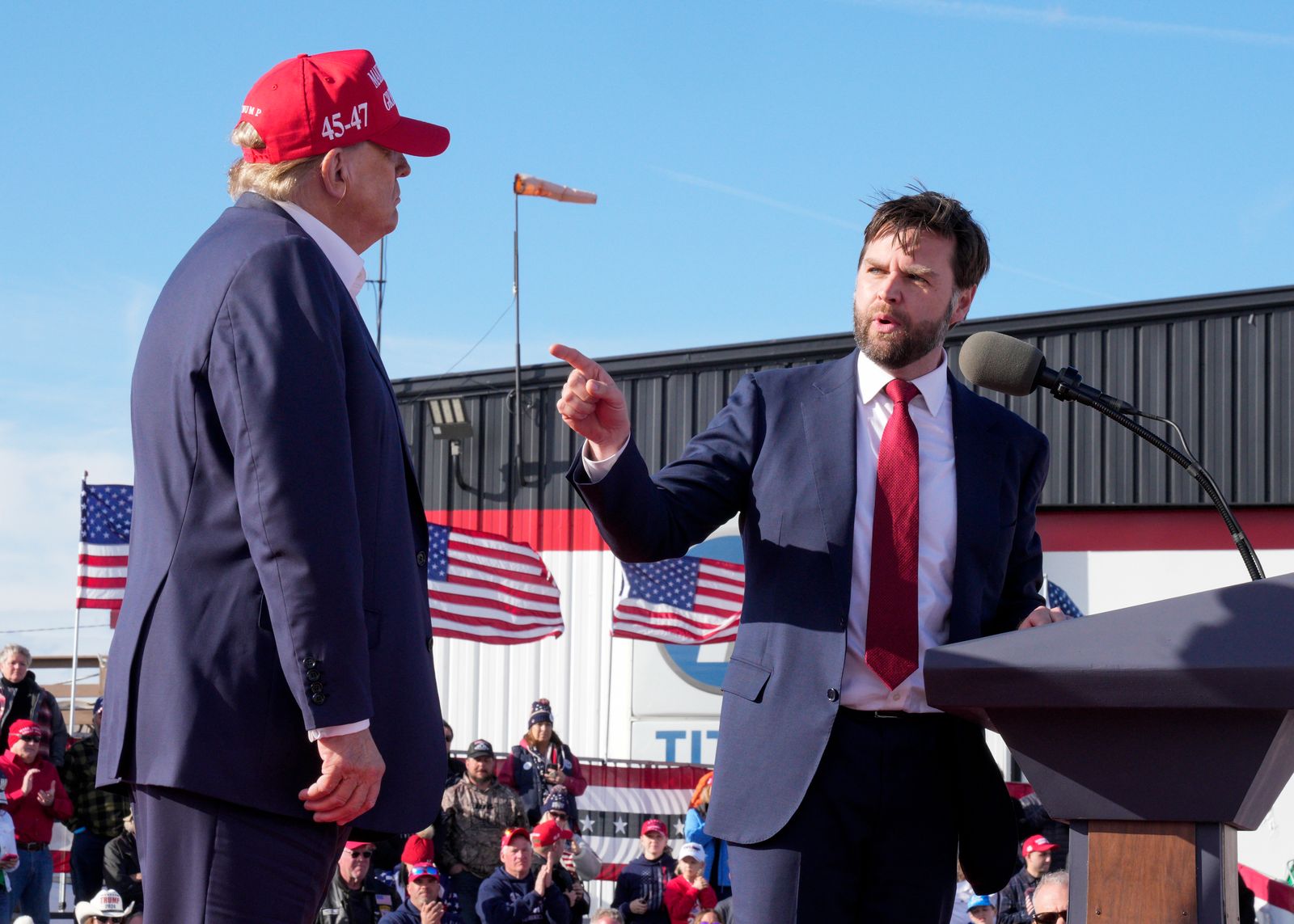
The article critiques Indian National Security Advisor Ajit Doval's timing in engaging with US counterpart Jack Sullivan amidst significant political shifts in the US, including Donald Trump's announcement of JD Vance as his running mate. It suggests that Doval should have waited, especially given the recent Chinese outreach and upcoming BRICS Summit. The piece also explores the potential implications of a Trump-Vance administration on international relations, particularly with China and Russia.
Indian Prime Minister Narendra Modi has stated that India will investigate any evidence provided regarding the alleged plot to assassinate pro-Khalistan leader Gurpatwant Singh Pannun, which was reportedly orchestrated by an Indian official. Modi emphasized India's commitment to the rule of law and stated that the country is open to examining any information shared. While dismissing Canada's allegations due to lack of evidence, India has formed a committee to investigate the information shared by the US, which is said to have implications for India's security. Modi also highlighted the importance of multilateralism and stated that collaboration does not require absolute agreement on all matters.
Indian Prime Minister Narendra Modi has addressed the allegations of India's alleged links to an assassination plot in the US, stating that India will investigate any evidence provided. In November, the US charged an Indian man with conspiring to murder a Sikh separatist leader in New York. The target of the assassination attempt, Gurpatwant Singh Pannun, is a dual US-Canadian citizen and a vocal supporter of the Khalistan movement. India has designated Pannun as a terrorist, but he denies the allegation. The recent accusations of extra-judicial killings of Sikh separatists have strained India's ties with the US, but Modi expressed confidence in the upward trajectory of the relationship, emphasizing the strong bipartisan support for strengthening the partnership.