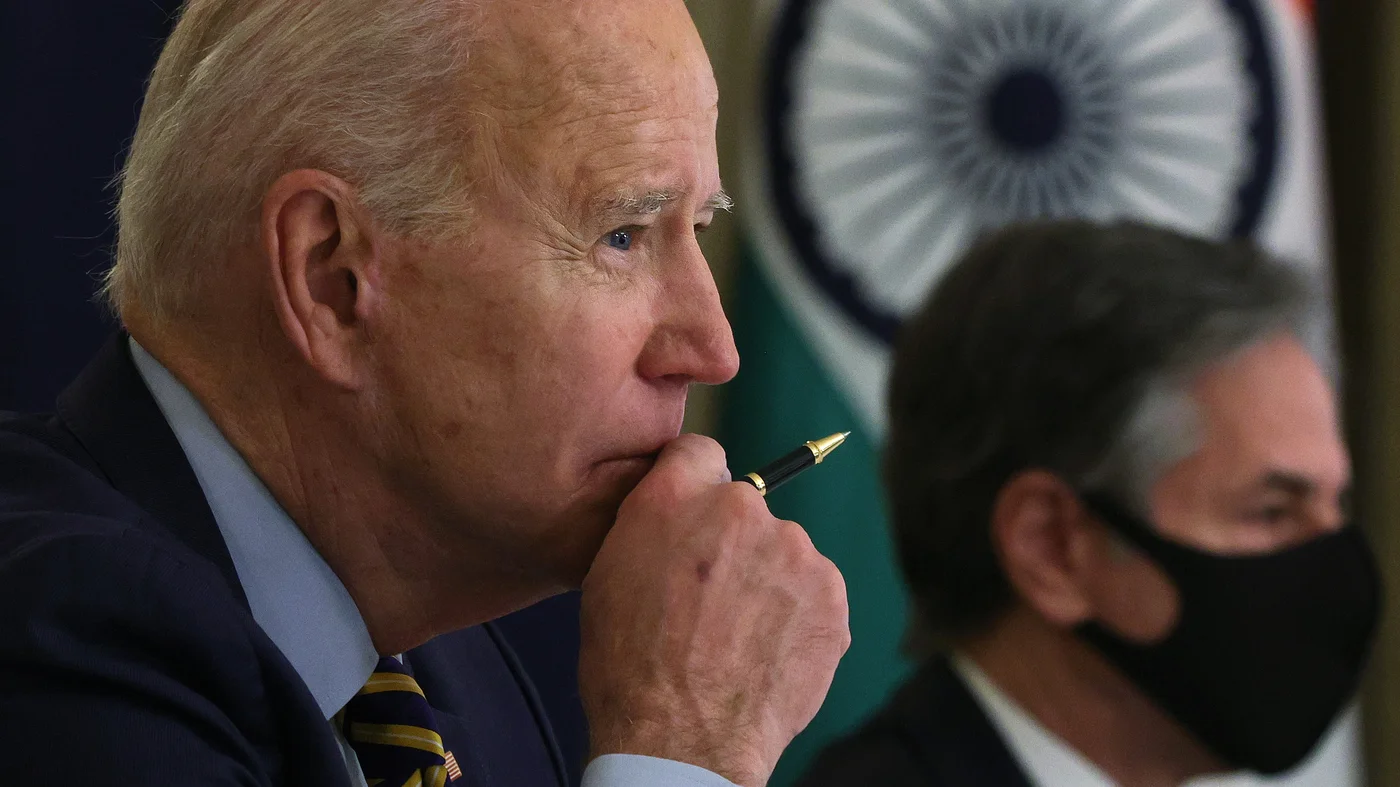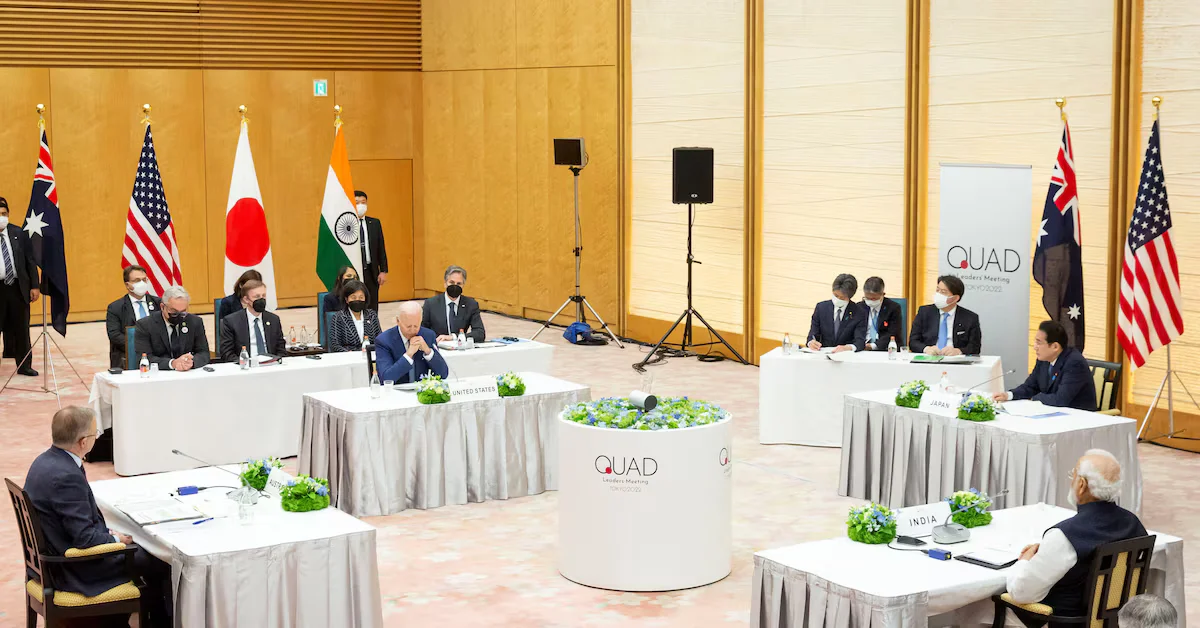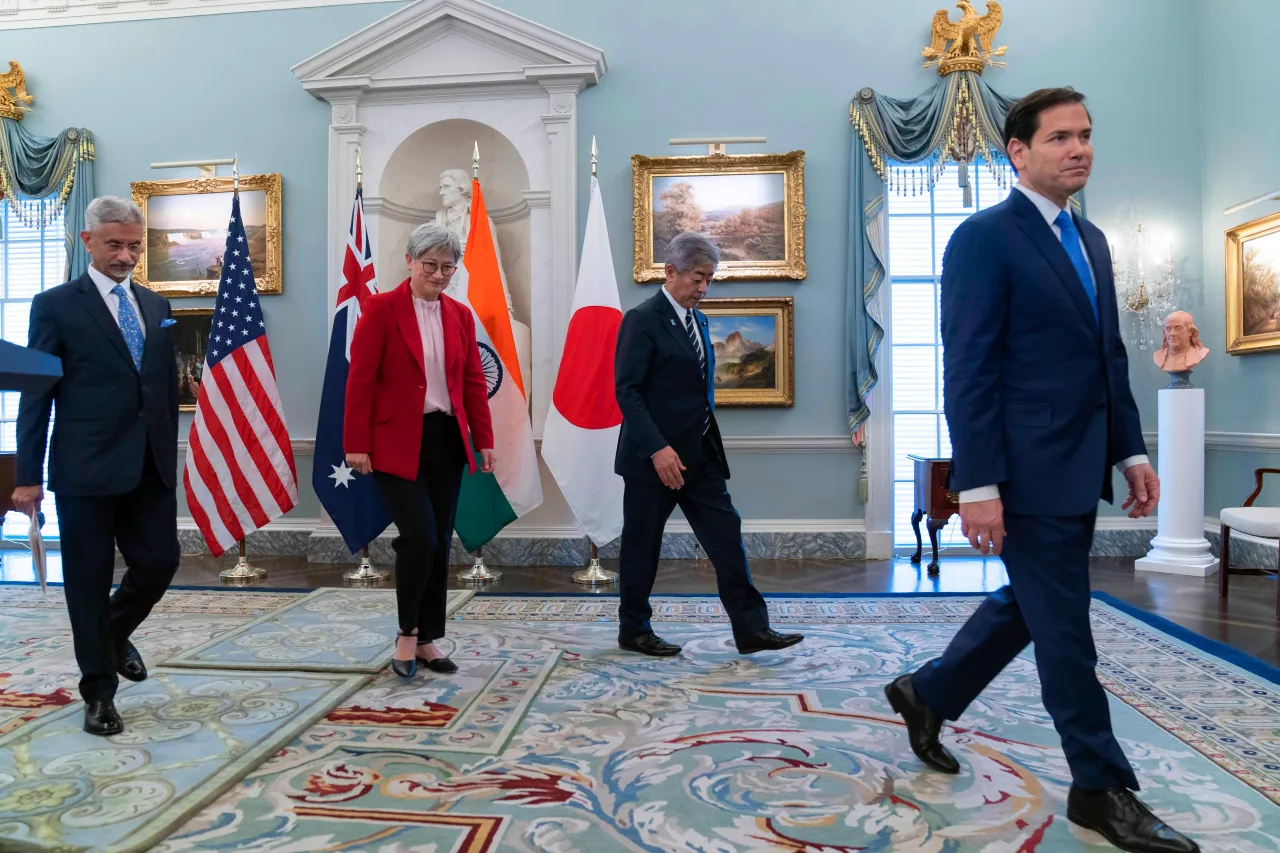
The Quad alliance, originally formed to counter China's influence in the Indo-Pacific, is now weakening due to US policy shifts under Trump and Biden, including strained relations with India and Japan, and a focus on short-term economic gains over strategic unity, risking its effectiveness against China's expanding power.
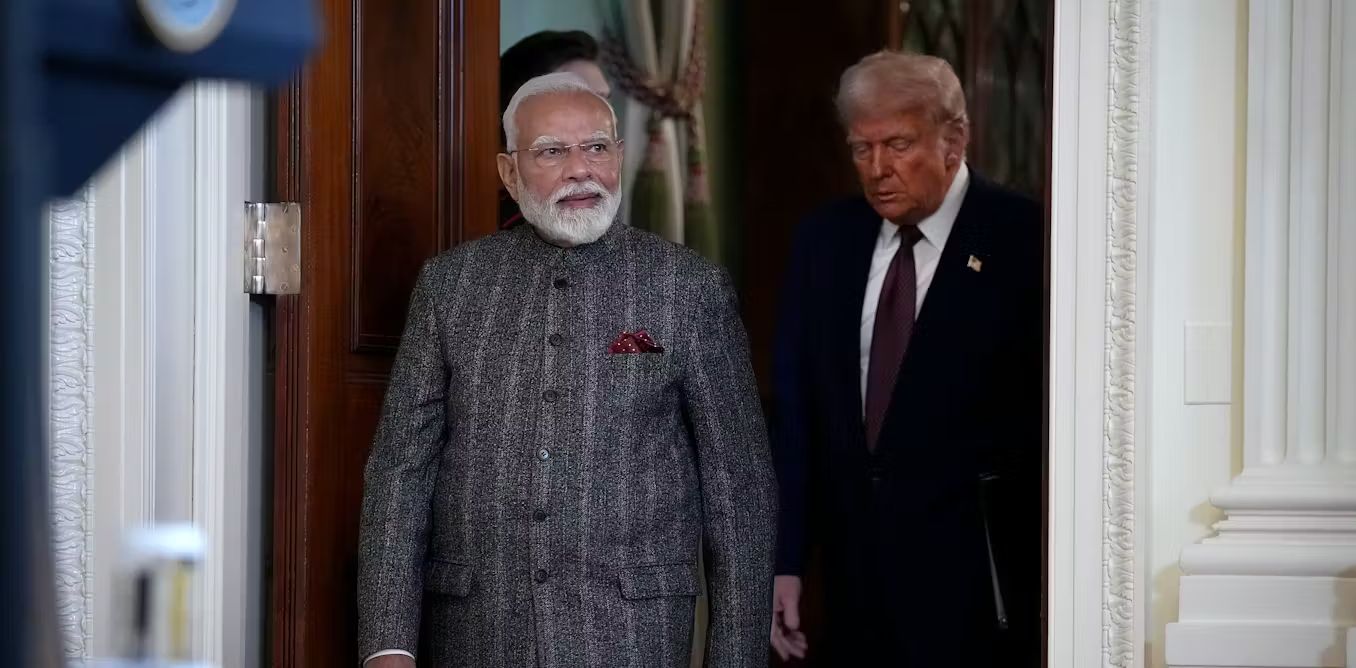
The Quad partnership between the US, India, Australia, and Japan is currently paralyzed due to tensions over tariffs, trade disputes, and shifting geopolitical alignments, particularly between India and the US, and India's warming relations with China. Despite ongoing commitments, the alliance faces challenges from economic and strategic disagreements, but there remains cautious optimism for future cooperation if political and economic conditions improve.
The US and India are experiencing a diplomatic downturn as new tariffs, including a 50% tariff on Indian goods, strain their relationship, potentially impacting strategic alliances like the Quad and India's ties with Russia.
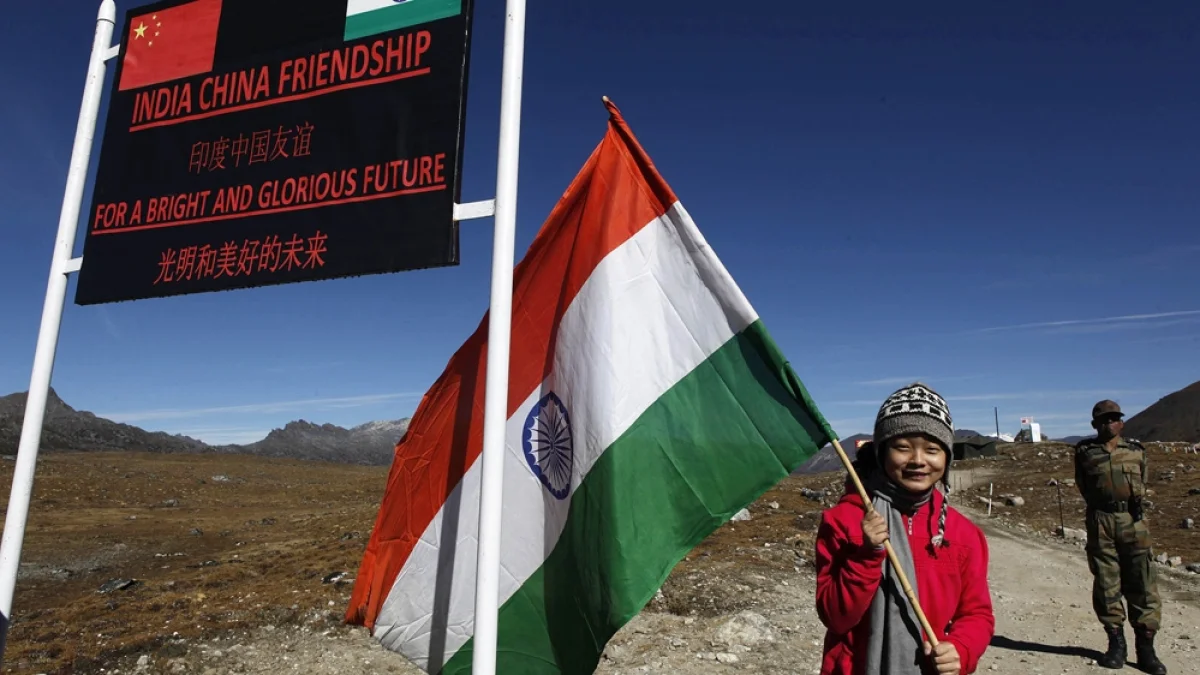
The article discusses the recent thaw in India-China relations amid shifting geopolitical dynamics, including India's efforts to balance its ties with China and the US, and the impact of US tariffs and policies under Trump. It highlights how improved India-China relations could influence regional trade, strategic alliances like the Quad, and US influence in Asia, while also noting ongoing challenges and the complex interplay of strategic autonomy and regional power plays.
The US, Australia, India, and Japan launched the Quad Critical Minerals Initiative to diversify supply chains and counter China's dominance in critical minerals, amid strained relations due to trade frictions and geopolitical tensions in the Indo-Pacific region.
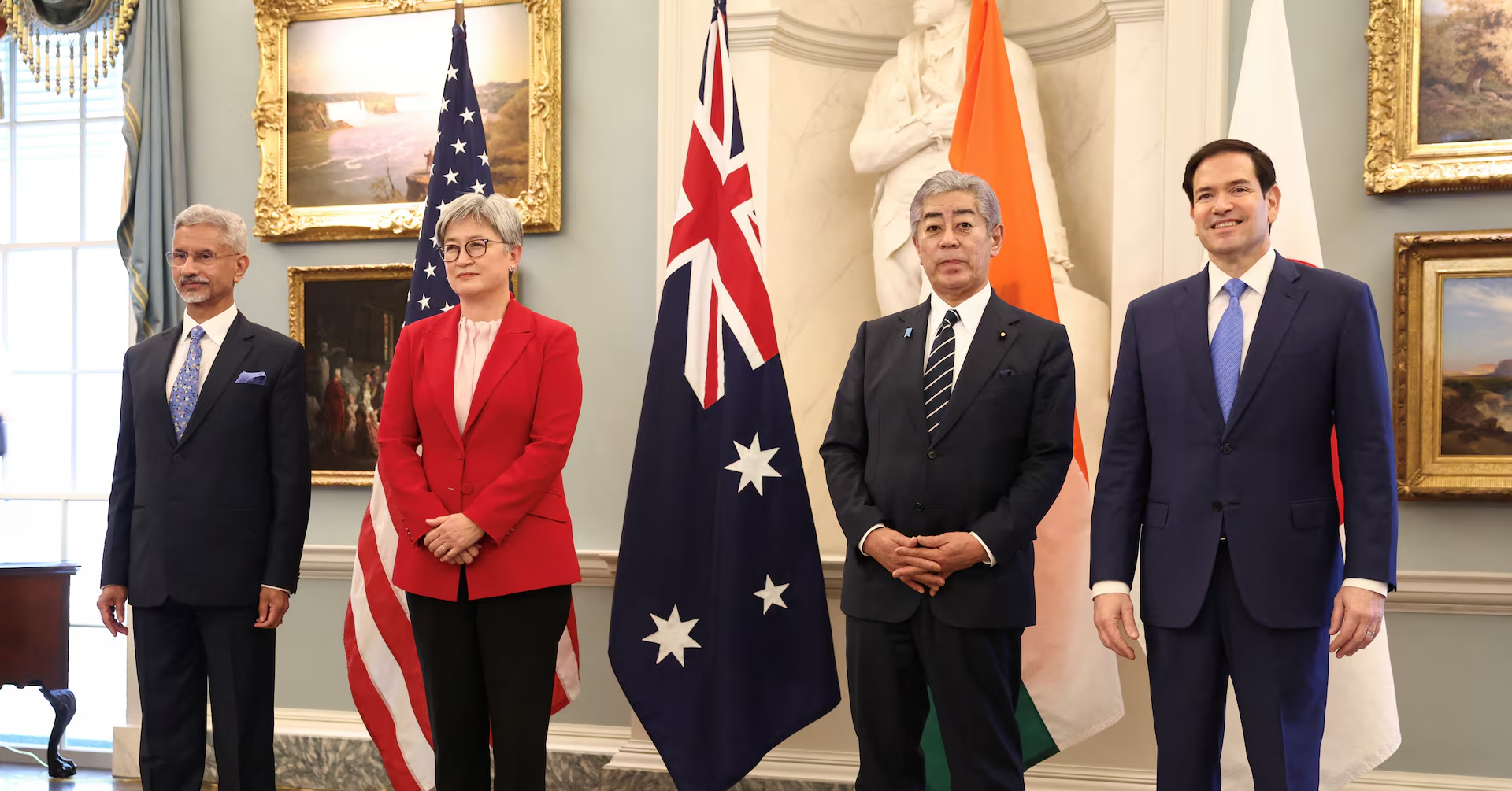
The Quad foreign ministers reaffirm their commitment to a free, open, and stable Indo-Pacific, emphasizing cooperation on maritime security, economic resilience, technology, and humanitarian aid, while addressing regional challenges such as China's assertiveness, North Korea's missile tests, Myanmar's crisis, and supply chain vulnerabilities.
Australian Foreign Minister Penny Wong emphasizes the importance of the Quad alliance in maintaining a balanced power dynamic in Southeast Asia and promoting a shared vision of a peaceful and prosperous region where sovereignty is respected. She clarifies that the Quad is not an "anti-China alliance" but rather a group of countries committed to upholding the international system, rule of law, and fair trading arrangements. Wong highlights Australia's focus on the observance of international law and the need for countries like India and Australia to assert agreed-upon rules and norms. Trade talks between India and Australia are expected to be discussed at the next Quad meeting in January.
Lydia Ko's tee shot at the U.S. Women's Open went so far left that her ball was lost in a group of bushes, resulting in a quad bogey on the fifth hole.
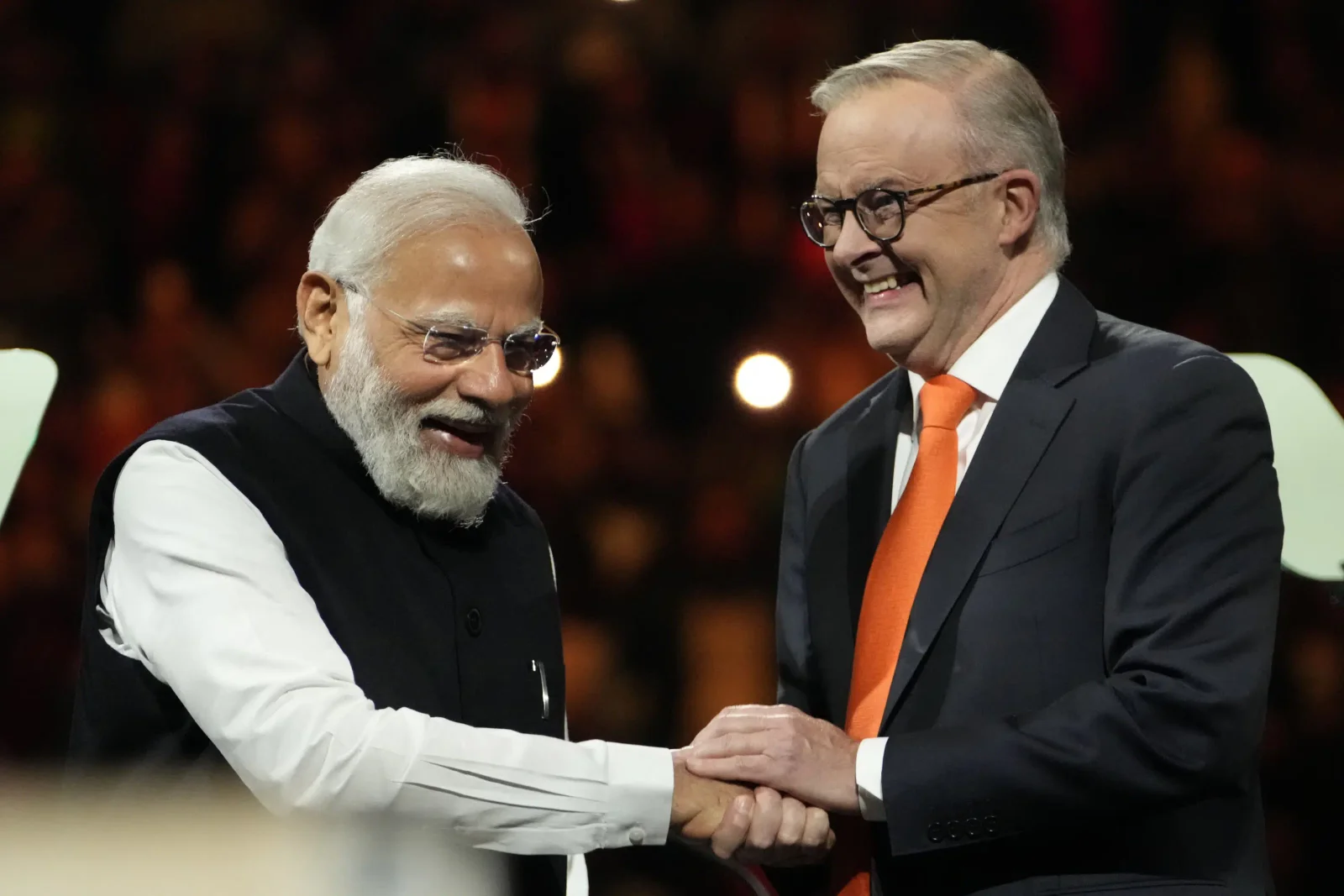
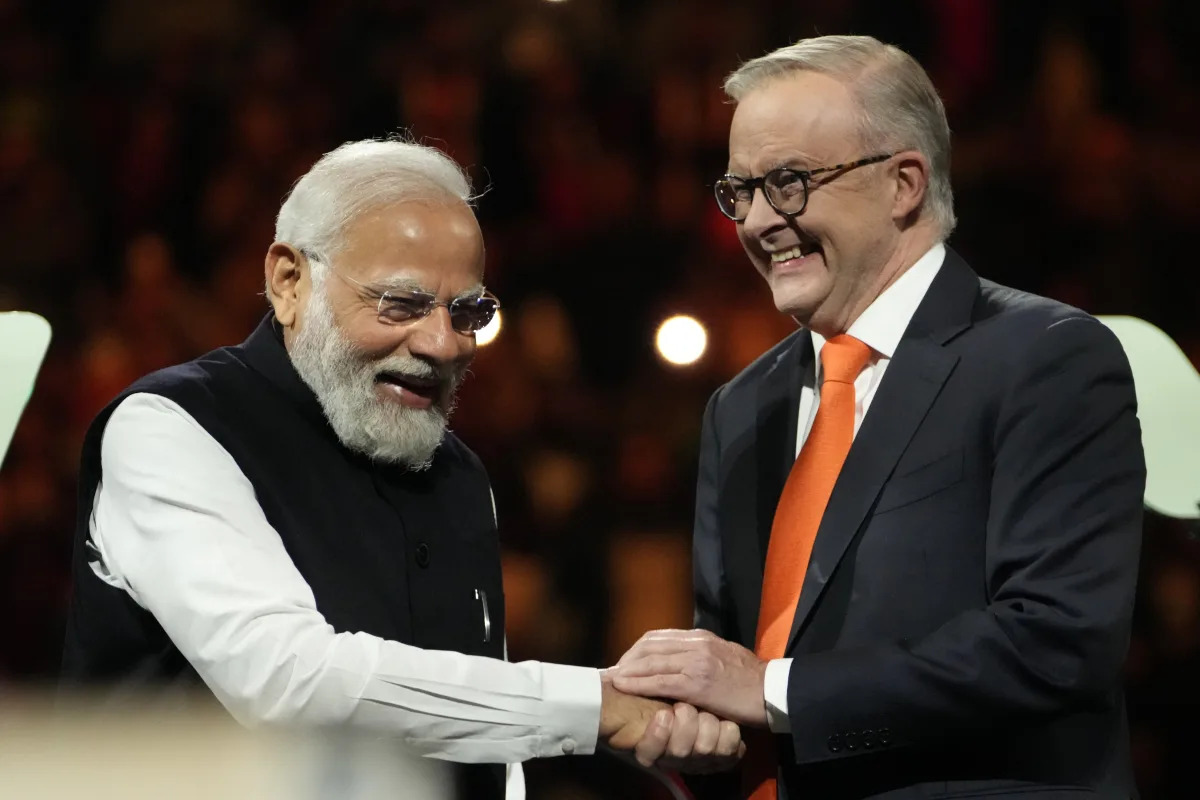
Indian Prime Minister Narendra Modi was welcomed by around 20,000 cheering fans at a Sydney stadium during his second visit to Australia as his country’s leader. Modi expects trade between the two countries will double in the next five years and wants to take India’s relationship with Australia to the “next level,” including closer defense and security ties to help ensure a free and open Indo-Pacific region. Australia will host naval exercises involving India, the United States and Japan called Malabar for the first time this year in another sign of a deepening commitment to the Quad. Negotiations on a free trade deal between India and Australia are expected to be completed before the end of the year.
Indian Prime Minister Narendra Modi was welcomed by around 20,000 cheering fans at a Sydney stadium during his second visit to Australia as his country's leader. Modi told the audience he expected trade between the two countries will double in the next five years. The Indian diaspora accounts for only 3% of Australia’s population but is the nation’s fastest-growing ethnic minority. Modi is the only leader of the so-called Quad nations to continue with his scheduled visit to Australia after U.S. President Joe Biden pulled out of a planned meeting of the group in Sydney to return to Washington to focus on debt limit talks.
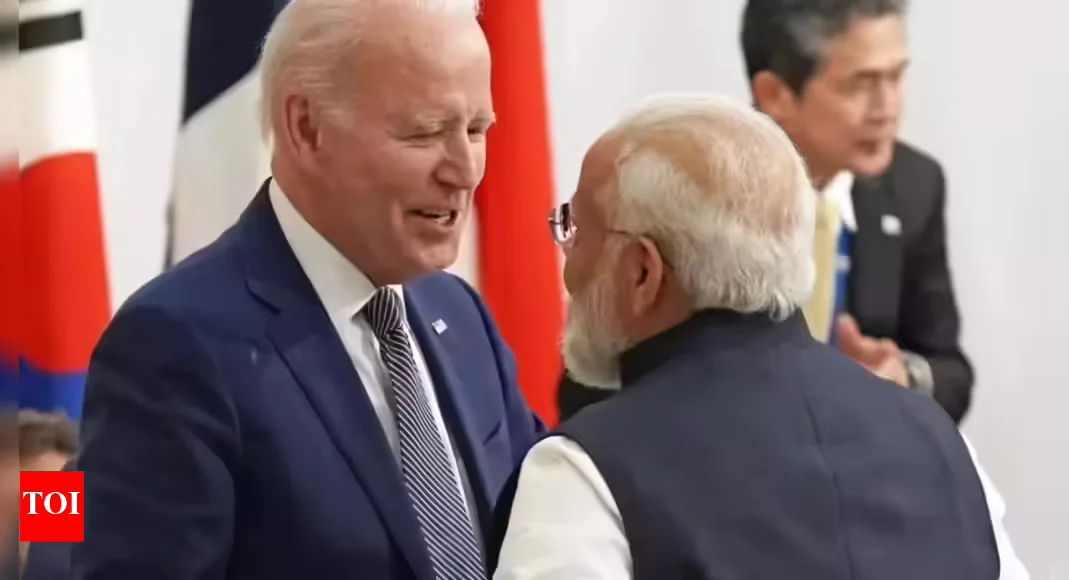
US President Joe Biden praised Indian PM Narendra Modi for his popularity in the US and his influence in the Indo-Pacific, during a meeting at the G7 summit. Biden also expressed his difficulty in managing requests for invitations to a dinner he has scheduled in honour of Modi during his state visit to the US in June. The US president also commended Modi for India's deepening engagement with the Quad and his efforts towards climate change.
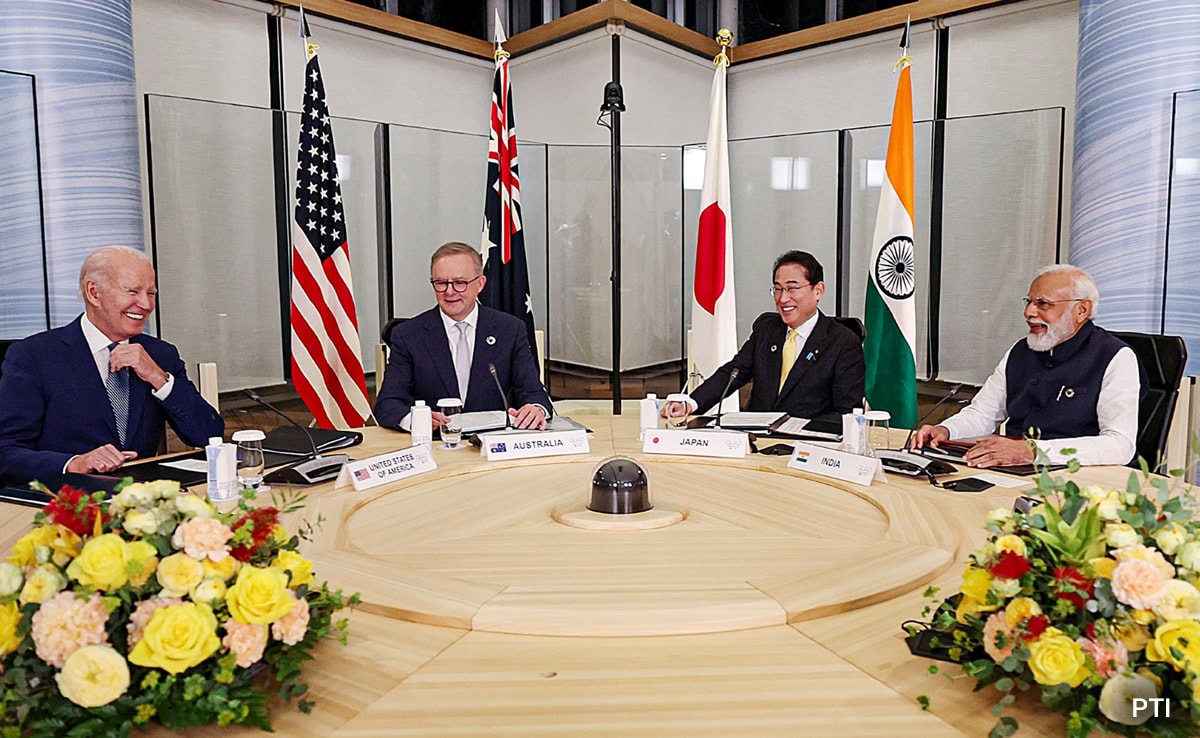
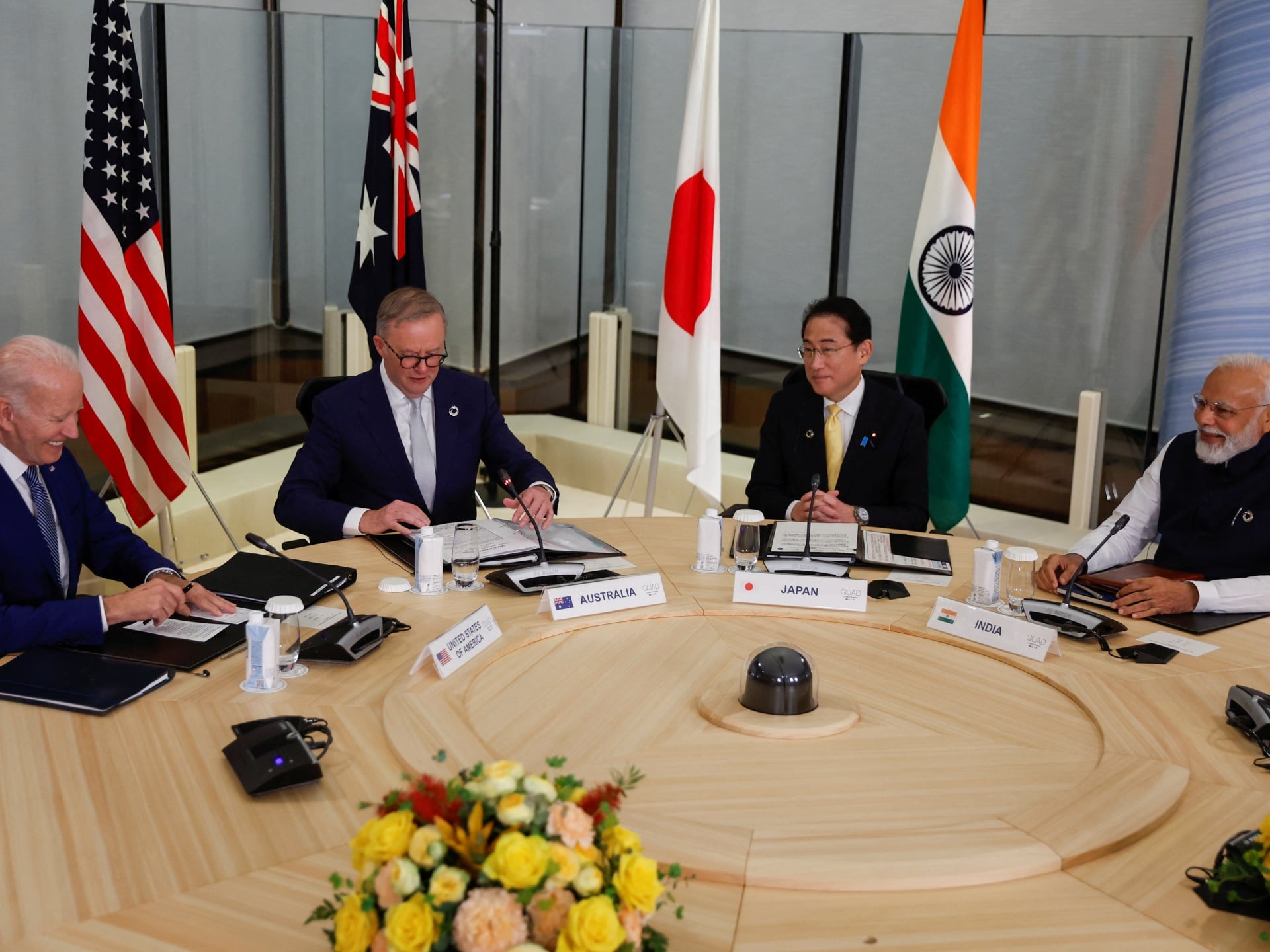
The leaders of the Quad group, comprising Australia, India, Japan, and the United States, delivered a thinly veiled swipe at China's behaviour at a summit in Hiroshima. The joint statement called for "peace and stability in the Indo-Pacific maritime domain" and expressed serious concern at China's militarization of disputed features and the dangerous use of coastguard and maritime militia vessels. The Quad leaders stressed their support for infrastructure improvements across the vast Asia-Pacific region, while saying they would not impose unsustainable debt burdens on recipients of assistance.
The leaders of the Quad group, consisting of Australia, India, Japan, and the United States, have issued a joint statement calling for peace and stability in the Indo-Pacific region, with thinly veiled criticism of China's economic and military expansion. The statement expressed concern over China's militarization of disputed features and harassment of non-Chinese vessels in disputed waters. The Quad leaders also stressed their support for infrastructure improvements in the region but vowed not to impose unsustainable debt burdens on recipients of assistance. They also expressed concern over repression in Myanmar and condemned North Korea's pursuit of nuclear weapons. The next summit of the four countries will be hosted by India in 2024.
Australia's ambassador to the U.S., Kevin Rudd, downplays concerns over President Biden's decision to postpone a security meeting with leaders of Australia, India, and Japan, known as the Quad. Rudd believes the postponement will have little impact on regional security or efforts to counter China's regional influence. He suggests taking a step back and not overreacting to the situation. The Quad meeting will still happen, but in Japan, and the content of the agenda will proceed. The relationship between Australia and the U.S. remains robust and intense, with engagement at the military level and collaboration on energy and infrastructure.
The Quad summit, which includes leaders from Australia, India, Japan, and the US, has been cancelled in Sydney due to the postponement of US President Joe Biden's trip. The leaders will instead meet at the G7 in Japan this weekend. The Quad is an informal group that promotes an open Indo-Pacific, which Beijing sees as an attempt to push back against its growing influence in the region. The cancellation of Biden's visit to Papua New Guinea could set back Washington's battle for influence with Beijing in the region.