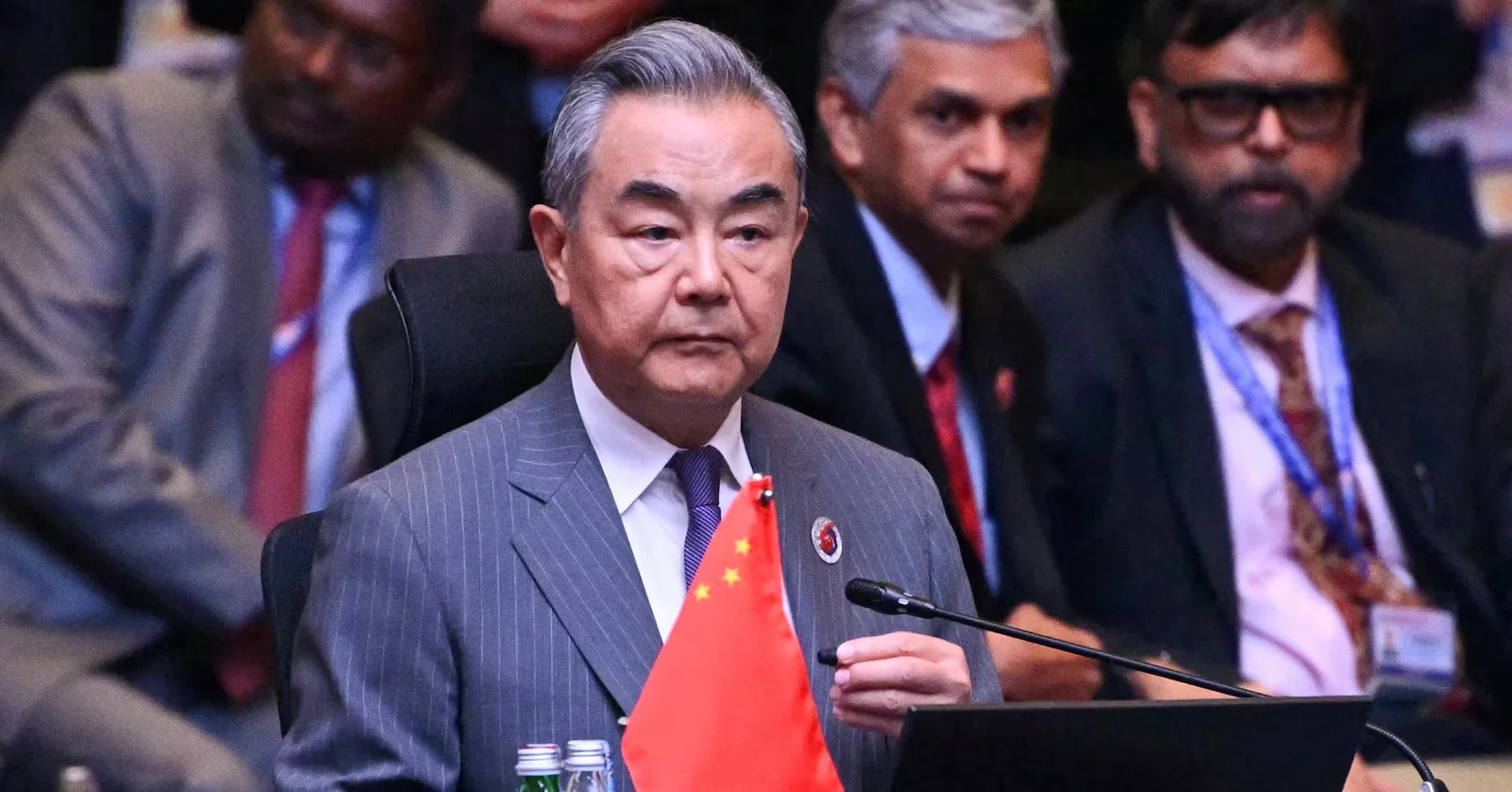
India and China have agreed to resume direct flights and enhance trade and investment ties as they work to rebuild their strained relationship following border disputes, with high-level talks focusing on troop pullback, border delimitation, and mutual trust, although no major breakthroughs were achieved on border issues.
Senator Ron Johnson issued a warning to the Senate regarding border talks, expressing his dissatisfaction with the lack of progress and urging action to address the situation.
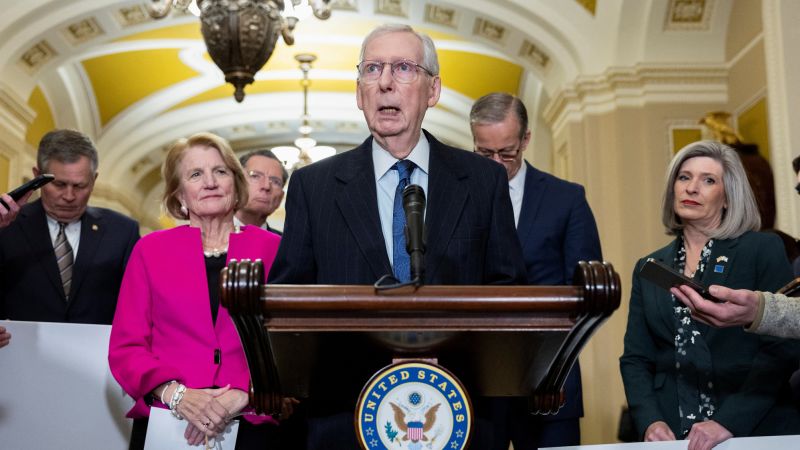
Senate Republicans engaged in a tense lunch meeting over border talks, with some openly questioning Minority Leader Mitch McConnell's strategy and others assailing colleagues for attacking the proposal. The heated debate reflects the division within the party over whether to cut a deal with Democrats on immigration amid a presidential election. McConnell has emphasized the importance of addressing border security, but tensions are high as some Republicans express concerns about walking the plank on a border bill that seems to be going nowhere in the House.
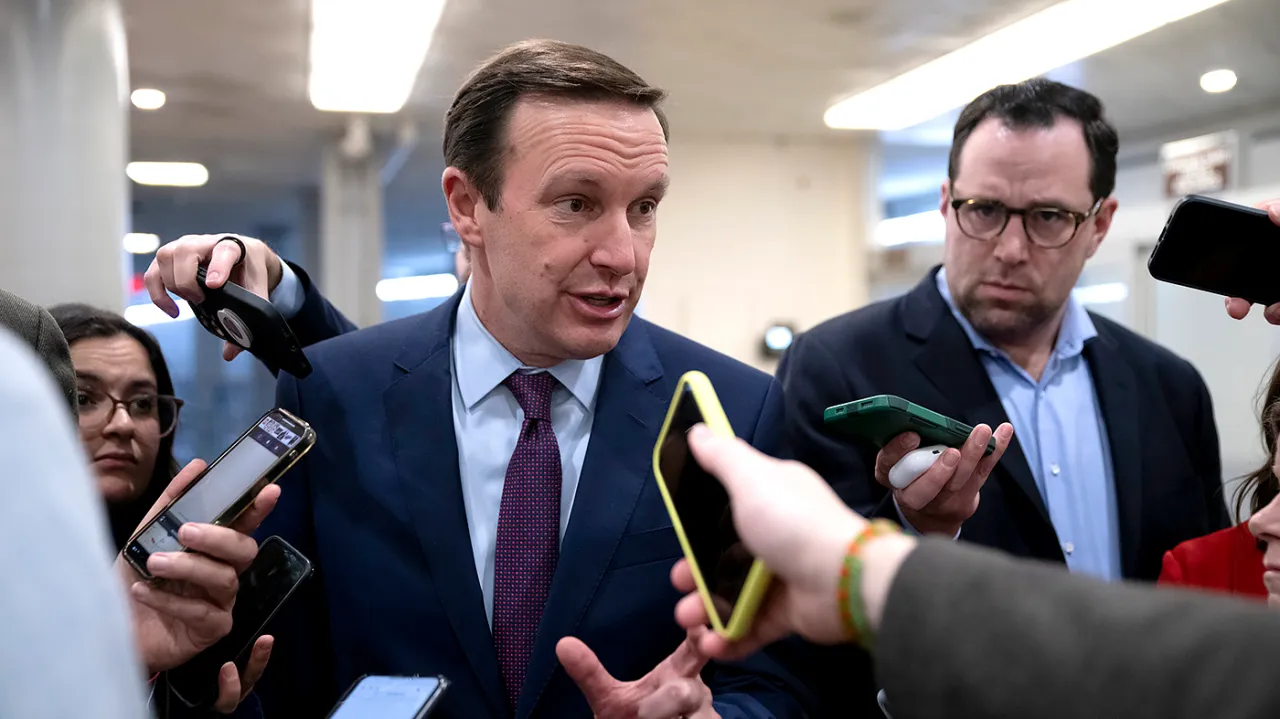
Senator Chris Murphy has indicated that talks regarding the border are "largely done," suggesting that the negotiations may be entering their final phase. This signals potential progress in the ongoing congressional discussions surrounding immigration and border security.
Congress has abandoned efforts to provide emergency military aid to Ukraine before the end of the year, as negotiators failed to reach a deal that Republicans demanded to tie the funding to a crackdown on migration across the US-Mexico border. The fate of Ukraine aid and the task of drafting new immigration laws will now be postponed until early next year, along with the challenge of reaching a broader spending agreement to avoid a government shutdown.
Congress has abandoned efforts to provide emergency military aid to Ukraine before the end of the year, as negotiators failed to reach a deal that would tie the aid to a crackdown on migration across the US-Mexico border. The fate of Ukraine aid and the task of drafting new immigration laws will now be postponed until early next year, along with the challenge of reaching a broader spending agreement to avoid a government shutdown. Negotiations between lawmakers continue, but with only days left before Christmas, a conclusion before the holiday is unlikely.
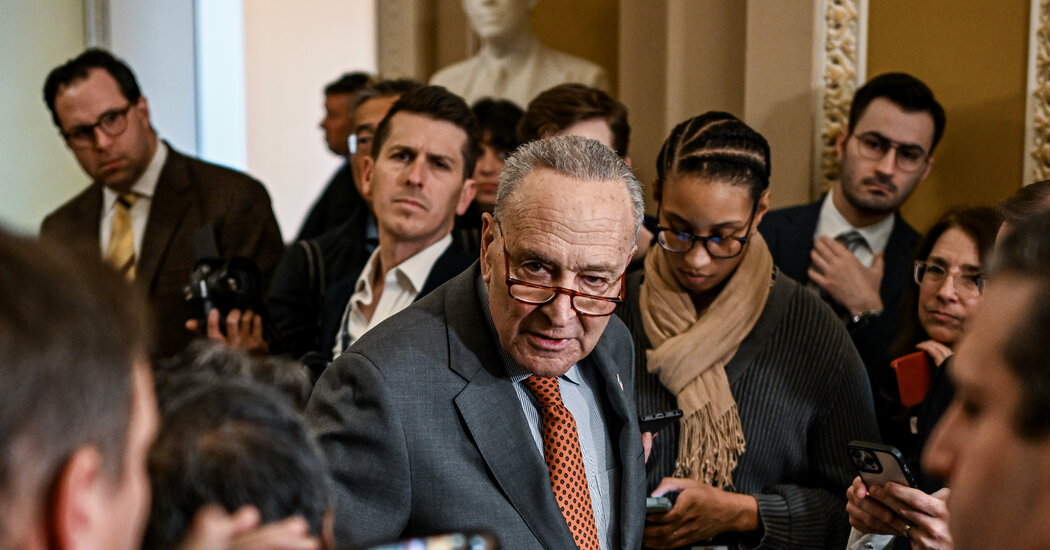
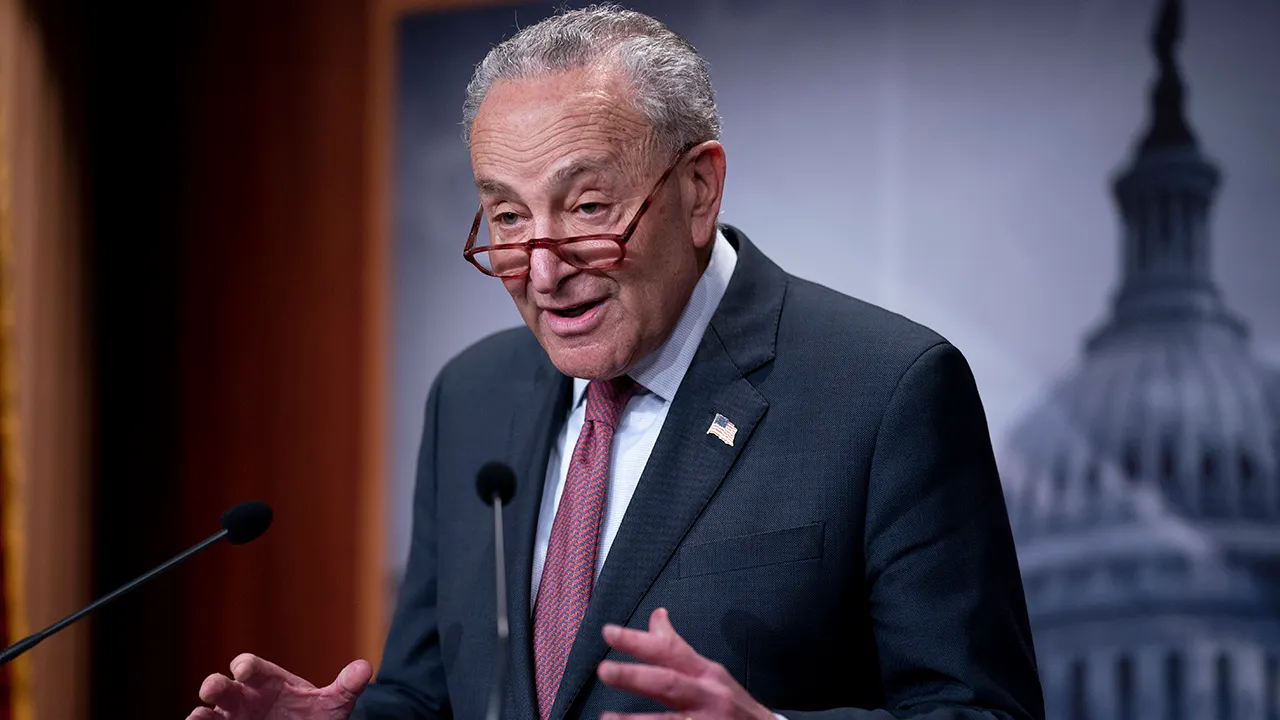
The prospects for passing legislation to speed military aid to Ukraine this year are fading as Republicans refuse to strike a quick deal on immigration policy changes they have demanded in exchange for allowing the bill to move forward. After a weekend of negotiations, lawmakers were still far from completing a deal, and Senate Majority Leader Chuck Schumer acknowledged that more time would be needed. Republicans have expressed their reluctance to drop their objections before the new year, and Senate negotiators have yet to reach a full agreement on enhanced border enforcement measures. Both parties are facing internal divisions over the direction of the negotiations, with progressive Democrats and conservative Republicans pushing back against potential compromises.
White House chief of staff Jeff Zients has been actively engaging with key lawmakers, including Democratic Senator Dick Durbin, in ongoing border talks, signaling the administration's willingness to find a middle ground and address the unsustainable situation at the U.S.-Mexico border. The involvement of top Biden administration officials, such as Homeland Security Secretary Alejandro Mayorkas, in negotiations with senators is seen as a positive step by Republicans, who believe a deal cannot be reached without significant White House buy-in. The complexity of immigration law and the Department of Homeland Security's role in implementing any restrictions have also prompted the increased involvement of the White House. The negotiations, which also involve additional funds for Ukraine and Israel, are crucial for Biden's foreign policy legacy, but concerns remain among Democrats and immigrant-rights advocates that the administration's desperation for Ukraine aid may lead to accepting hardline asylum policies.
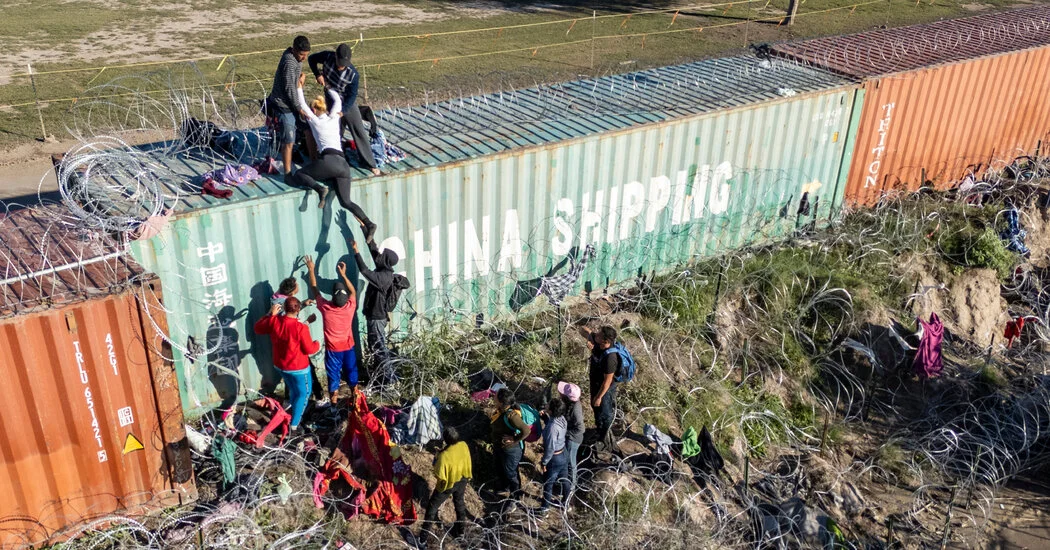
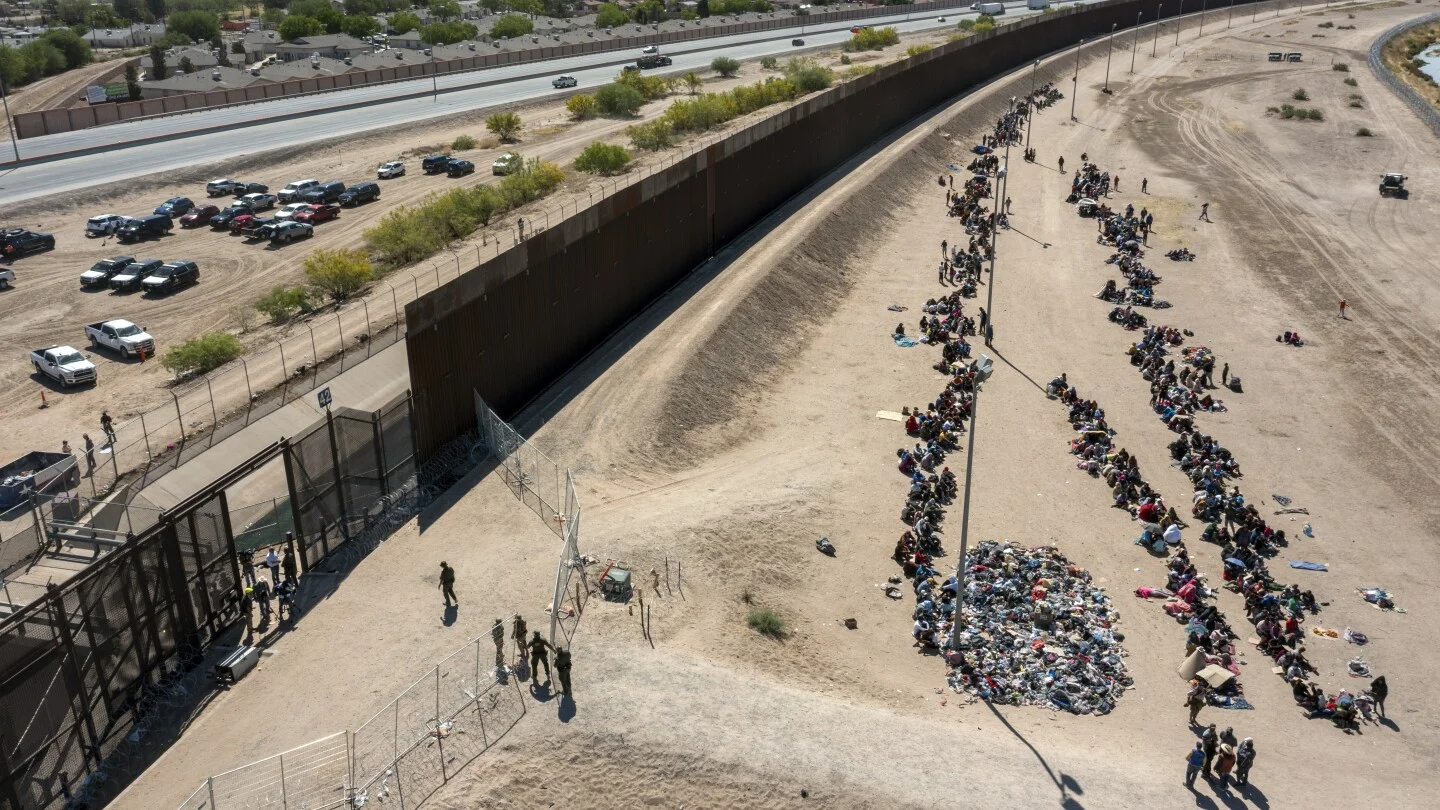
Progressive Democrats are clashing with Senate Majority Leader Chuck Schumer over ongoing negotiations to add stricter border policy provisions in the national supplemental package. Some Democratic senators are concerned that their party will make too many concessions to Republican demands for policy changes. They argue that these policies will not address border challenges and will only worsen the situation. Schumer indicated that he would rework the package to advance the proposed border provisions, but details on which provisions will be included remain unclear. Talks have been ongoing as Republicans refuse to pass additional aid to Ukraine without tying it to strict border security measures. Migrant encounters at the southern border have again exceeded 10,000 in a single day.
Progress on border talks has stalled as Democratic negotiators face pressure from progressives and immigration activists, complicating the passage of aid for Ukraine. Democrats and progressives are concerned about Republicans' attempts to limit the Biden administration's humanitarian parole authority and the lack of action on behalf of Dreamers. Reports of potential curtailment to the asylum system have alarmed Democrats, who argue that any final deal should not resemble the conservative border bill proposed by House Republicans. Negotiations continue, but the complexity of reaching an agreement remains a challenge.
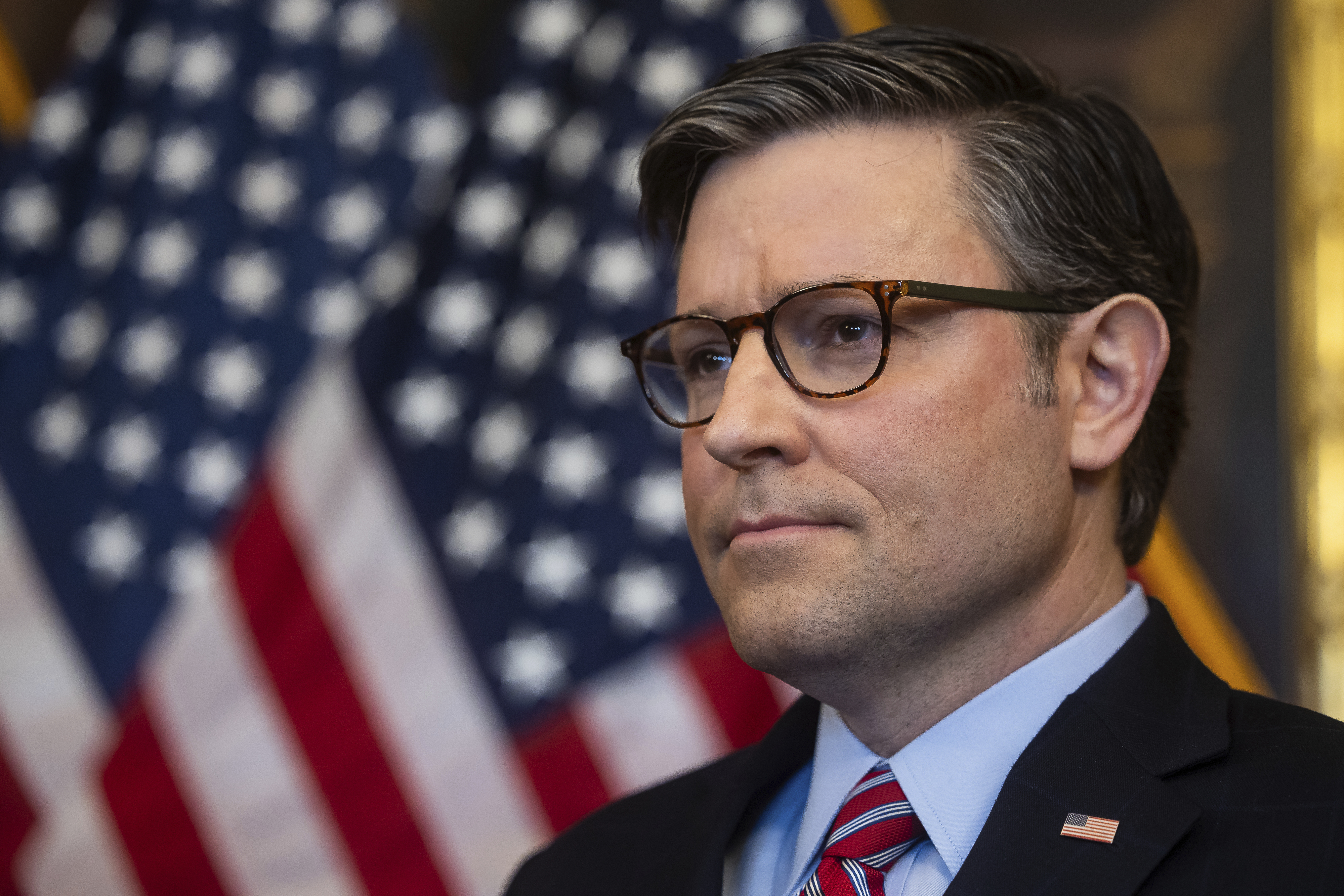
House Speaker Mike Johnson is facing backlash from conservatives who are questioning his leadership and comparing him to his predecessor Kevin McCarthy. Johnson's engagement in policy talks and willingness to stand up to conservatives has angered some members of the GOP, who accuse him of playing games and abandoning his previous positions. While some conservatives support Johnson, others express frustration with his handling of government funding and border security. There are murmurs of a possible ousting, but it remains to be seen if Johnson will face a removal vote.
China and India have held a new round of border talks ahead of the upcoming Brics summit in Johannesburg, where both Chinese President Xi Jinping and Indian Prime Minister Narendra Modi are expected to attend. The talks, sparked by the deadly Galwan clash, aim to ease tensions along the Line of Actual Control. A bilateral meeting between Xi and Modi has not been ruled out during the summit.