
Maine Faces Rising Flu Cases Amidst Ongoing Illnesses, CDC Urges Vaccination
Maine public health officials are monitoring circulating illnesses, with influenza being the primary concern, alongside norovirus and COVID-19.

All articles tagged with #illnesses
Maine public health officials are monitoring circulating illnesses, with influenza being the primary concern, alongside norovirus and COVID-19.

The US Food and Drug Administration (FDA) is investigating the link between lead contamination and cinnamon applesauce pouches, as the number of illnesses potentially related to the recalled products continues to rise. The FDA is conducting an on-site investigation at a distribution company in Ecuador that supplies cinnamon suspected of containing elevated levels of lead. So far, there have been at least 65 reports of illnesses, all in children under 6 years old. The Centers for Disease Control and Prevention (CDC) is also tracking cases and has received reports of 125 confirmed, probable, and suspected cases. The FDA has recommended blood testing for those who may have consumed the recalled products, and the manufacturers are working on a reimbursement program for healthcare costs.

The salmonella outbreak linked to tainted cantaloupe has resulted in eight deaths, with three in the U.S. and five in Canada. Both countries have reported numerous illnesses, with at least 230 cases in the U.S. and 129 cases in Canada. Health officials advise consumers to avoid purchasing or consuming cantaloupe if they are unsure of the source. Several recalls of whole and pre-cut fruit have been initiated, and investigations are ongoing to determine if other products are connected to the outbreak. Salmonella can cause severe illness, particularly in young children, older adults, and individuals with weakened immune systems.

Sleep health experts from the University of South Australia explain that night sweats can be triggered by various factors such as hormonal changes, illnesses, medications, stress, anxiety, and sleep disorders like sleep apnea. Women experience night sweats more due to hormonal fluctuations, while men with lower testosterone levels are also prone to them. Night sweats can be a symptom of underlying diseases like HIV or lymphoma. To combat night sweats, experts recommend sleeping in a cool environment, wearing breathable pajamas, using lightweight bedding, avoiding spicy foods, caffeine, and alcohol before bed, and considering a cooling mattress or pillow.
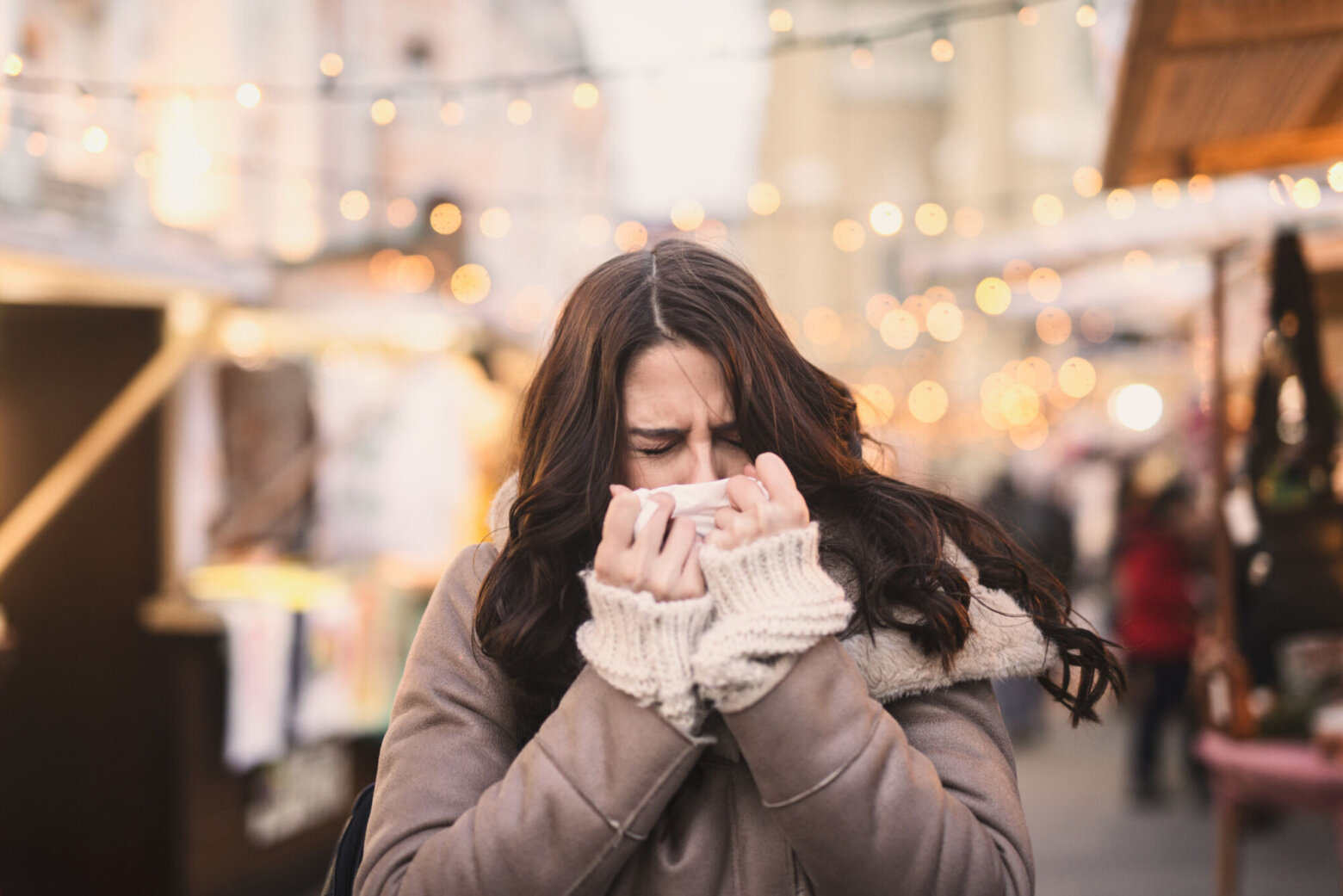
As winter arrives, doctors see an increase in illnesses like the common cold, flu, COVID-19, and RSV. While some blame the cold weather, experts suggest that being indoors more, increased contact with others, and drier air may contribute to the spread of viruses. Studies also indicate that our immune systems may not function as well in colder weather. To prevent illness, it is important to wash hands frequently, avoid touching the nose, and separate from sick individuals. Vaccinations, including flu, COVID-19, and RSV vaccines, are recommended. Wearing masks in shared spaces and staying home when feeling sick are also advised.

This article provides information on the contagious periods for eight common illnesses, including Covid-19, flu, and R.S.V., offering guidance on how to navigate and understand the duration of contagiousness for each.
The number of first responders who have died from 9/11-related illnesses now nearly equals the number of firefighters who died during the terror attacks themselves. A total of 341 New York City Fire Department firefighters, paramedics, and civilian support staff who died from post-9/11 illnesses are now memorialized at the FDNY World Trade Center Memorial Wall, almost equaling the 343 firefighters who died during the attacks. Exposure to the dust at the World Trade Center has been linked to heightened risk of cardiovascular disease, respiratory disease, and cancer diagnoses. The impacts of the attacks continue to grow, with concerns about the long-term health effects on first responders and others affected.

The number of FDNY members who have died from 9/11-related illnesses has reached 341, nearly equaling the death toll of 343 firefighters who died on 9/11. The president of the FDNY Uniformed Fire Officers Association warned that the death toll from these illnesses may exceed the immediate 9/11 death toll even before the anniversary. The World Trade Center monitoring program and medical treatment have made a significant impact on the quality of life for those affected, but ongoing funding is still needed. The FDNY recently added 43 new names to its World Trade Center Memorial Wall, commemorating those who have died from illnesses related to the rescue and recovery efforts after the 9/11 attack.
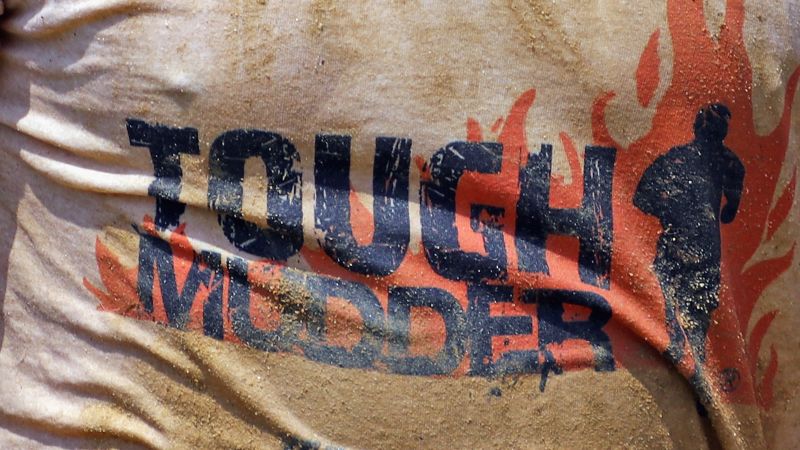
An outbreak of illnesses, estimated to have affected around 300 people, has been reported following a Tough Mudder race in Sonoma County, California. Symptoms include rash, fever, muscle pain, nausea, and vomiting. The county health department has issued an advisory, suspecting Aeromonas bacteria as the likely cause of most infections. Tough Mudder is cooperating with the investigation and urging participants to seek medical attention for unresolved symptoms.

Three school districts in Kentucky and Texas have suspended in-person classes due to a rise in illnesses among staff and students, including COVID-19 and influenza. Magoffin County Schools and Lee County School District in Kentucky have closed schools for several days due to widespread illness and low attendance. Runge Independent School District in Texas has announced a weeklong closure after ten staff members tested positive for COVID-19. The CDC has reported a recent surge in deaths and hospital admissions due to COVID-19, and hospital admissions are expected to increase in the coming weeks. It is recommended to practice social distancing, stay home when symptoms arise, and stay up to date on COVID-19 and influenza vaccines.

Doctors and hospitals in Metro Detroit report an increase in seasonal allergies, asthma, viral infections, strep throat, pink eye, mononucleosis, insect bites, stomach viruses, breathing problems, sinus infections, poison ivy, hand, foot & mouth disease, croup, and COVID. Outdoor-related injuries such as sports-related, playground-related, bumps, bruises, broken bones, and concussions are also common. Patients are advised to stay home if feeling sick and make sure it's not "just allergies."

A Detroit school, Marcus Garvey Academy, has closed until next week following a student's death amid a wave of illnesses reported there, officials confirmed Wednesday. The school has experienced an unusually high rate of flu symptoms, including student fevers, and vomiting, namely at the early grade levels. The building is slated to remain closed until Monday "to allow families to monitor their children's symptoms" in addition to the cleansing, the district said. The health department recommends children ages 4-7 be monitored for symptoms and seek immediate medical care if they experience fever, headaches, lethargy, nausea, vomiting or abdominal pain.