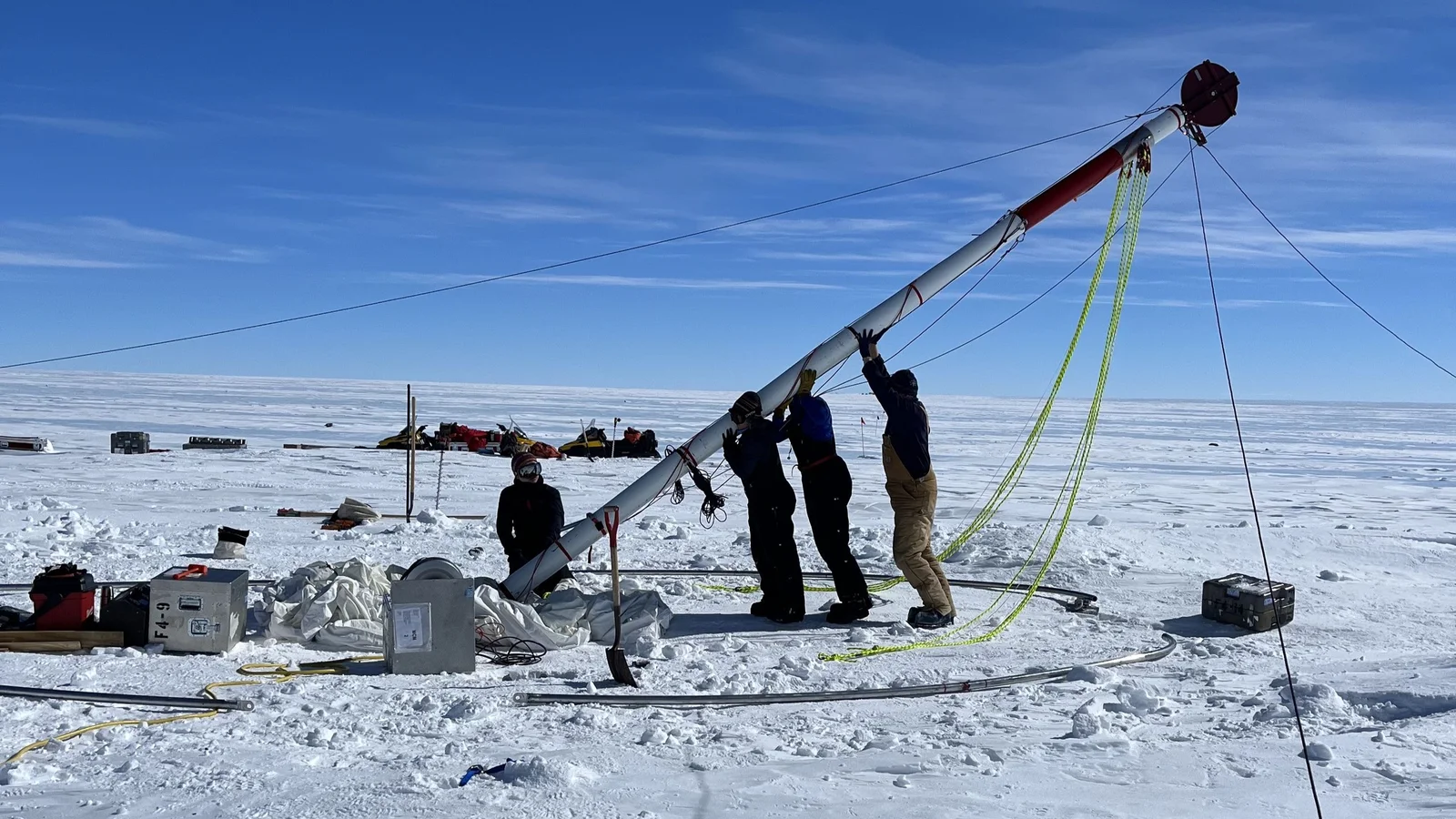
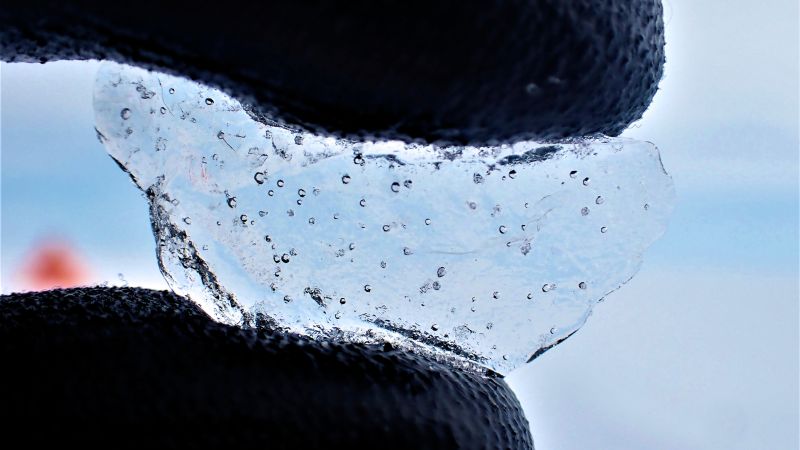
Scientists have discovered the oldest directly dated ice in Antarctica, dating back 6 million years to the Miocene era, providing valuable insights into Earth's ancient climate and atmospheric conditions, which can help understand natural climate drivers and the impact of human-induced warming.
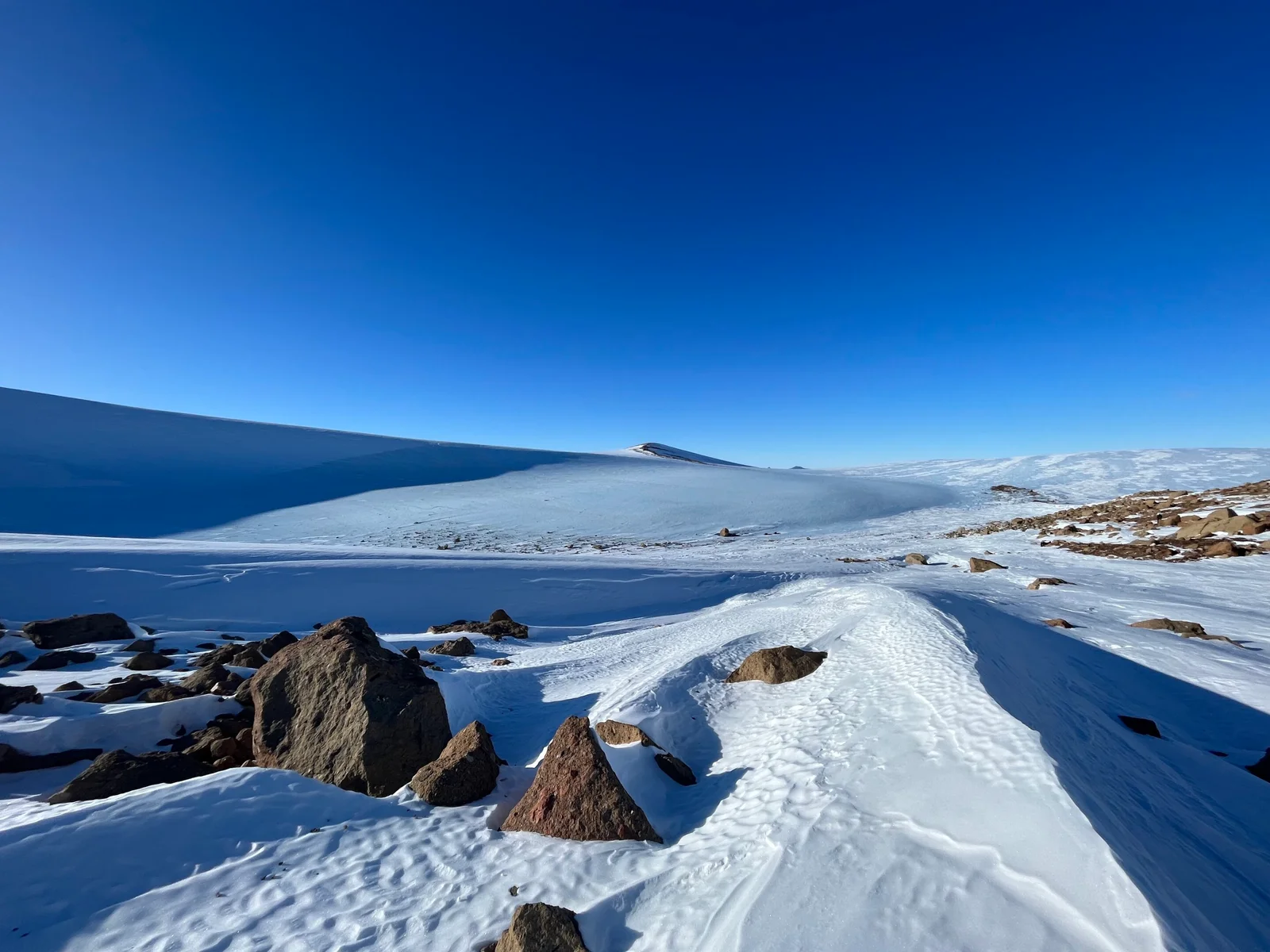
Scientists have discovered 6-million-year-old ice in Antarctica's Allan Hills, providing unprecedented insights into Earth's past climate and long-term cooling trends, which could help understand natural climate variability and future changes.
Scientists discovered well-preserved fossils beneath Greenland's ice, revealing the island was once ice-free and had a tundra ecosystem, indicating that Greenland's ice sheet can retreat rapidly in response to climate warming, which poses significant risks for future sea level rise.
A 2,000-foot-long ice core from the West Antarctic Ice Sheet provides evidence of a sudden and dramatic shrinkage around 8,000 years ago, indicating the potential for rapid Antarctic ice melting and significant sea level rise. The study's findings highlight the vulnerability of the ice sheet to climate change and the catastrophic consequences of its rapid retreat. Scientists emphasize the urgent need to address climate change to avoid tipping points and improve the accuracy of models predicting future ice sheet responses.
A recently discovered ice core from Greenland suggests that a large part of the country was ice-free around 400,000 years ago, during a period of moderate warming similar to current temperatures. The study overturns previous assumptions and warns that Greenland's ice sheet may be more sensitive to human-caused climate change than previously understood, potentially leading to irreversible, rapid melting and devastating sea level rise. If the ice sheet were to melt completely, sea levels would rise by about 7 meters (23 feet), impacting billions of people living along coastlines. The loss of ice also accelerates global warming. The findings highlight the urgent need for radical action to reduce planet-heating pollution and protect the fragile Greenland ice sheet.