
Tag

Human Mission

All articles tagged with #human mission

"Human Survival on Mars Limited to Four Years, Declared Unsafe for Long-Term Living"
space1 year ago

"Human Survival on Mars Limited to Four Years, Declared Unsafe for Long-Term Living"

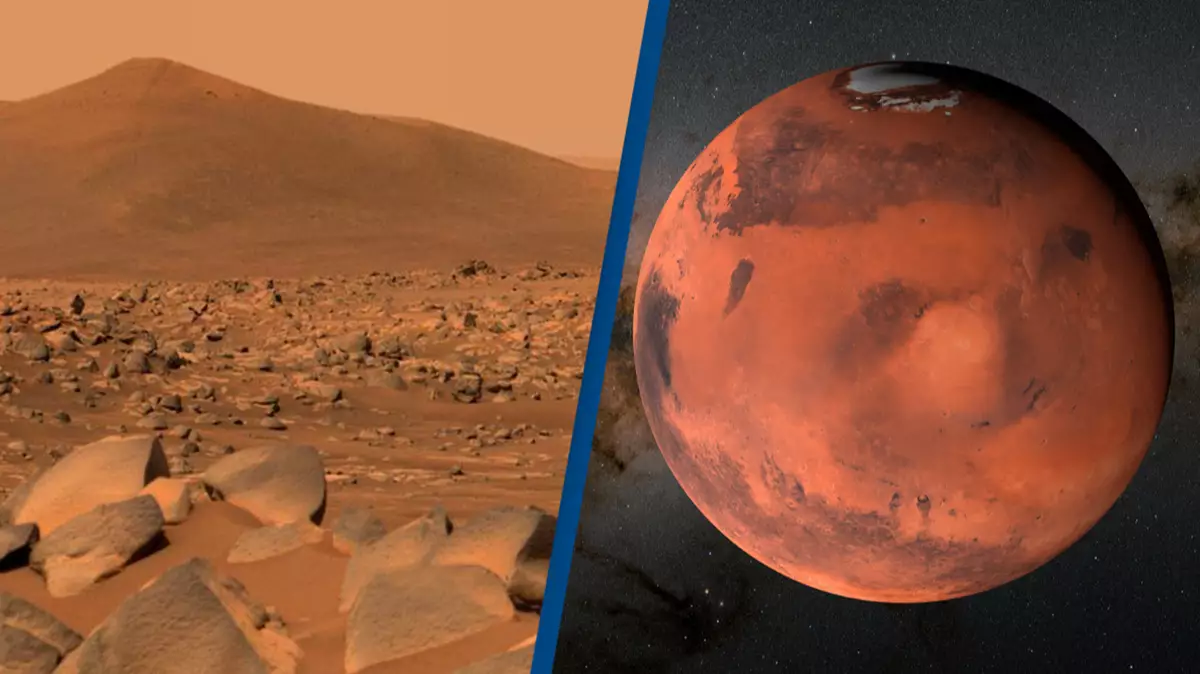
A recent study involving researchers from various institutions has concluded that humans cannot survive on Mars for longer than four years due to the excessive exposure to radiation threats, including particle radiation from the Sun, distant stars, and galaxies. While NASA is still aiming to send humans to Mars in the 2030s, the study highlights the technological difficulties and strict limitations imposed by space radiation, making it unfeasible for long-term habitation.
"Exploring Europa: The Debate on Sending Humans"
space-exploration2 years ago

"Exploring Europa: The Debate on Sending Humans"

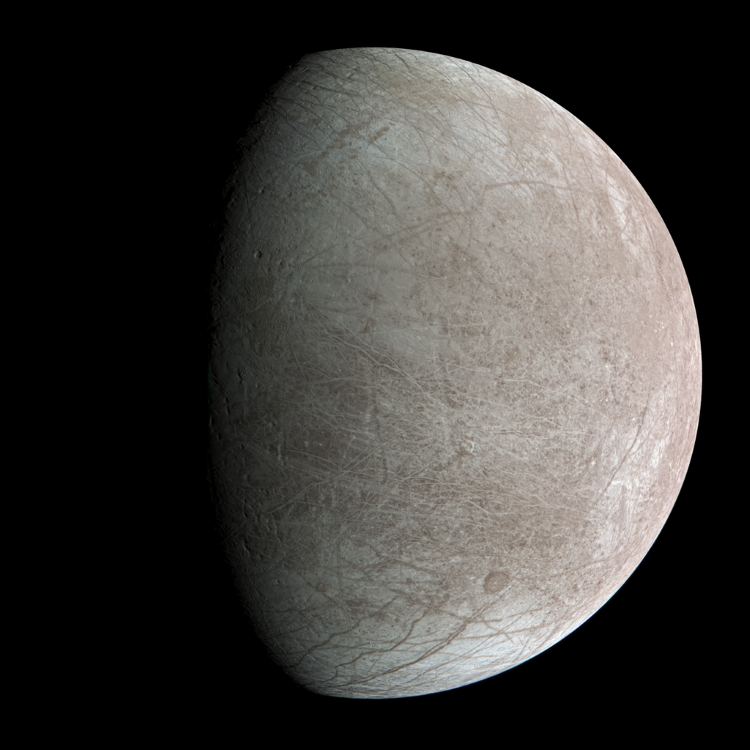
While Europa, Jupiter's icy moon, has a massive liquid ocean that could potentially harbor life, sending humans there is deemed a terrible idea due to the intense radiation environment. Even radiation-hardened spacecraft electronics require thick shielding to survive. An orbital colony could fare better, but it would still face major logistical challenges and would require external support for food and breathable air, which would be a decade away. Overall, human exploration of Europa is currently deemed infeasible and unlikely to provide more benefit than orbiting spacecraft, landers/rovers, or autonomous drills.

Mars Deemed Inhospitable for Human Life.
science2 years ago

Mars Deemed Inhospitable for Human Life.

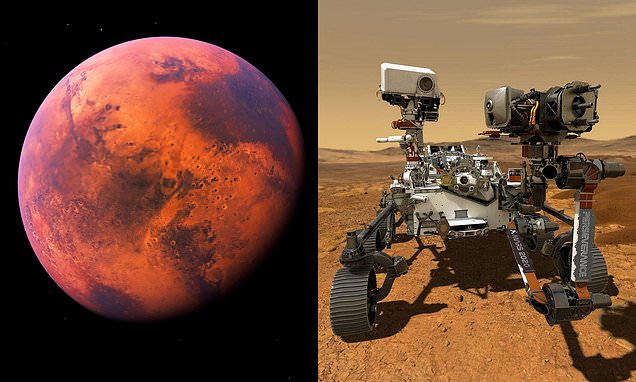
Scientists have recommended that humans should spend no longer than four years on any mission to Mars due to the levels of radiation becoming unsafe beyond that point. The best time for launching a human space flight to Mars is during the solar maximum, as it is possible to shield from Solar Energetic Particles. A spacecraft on a mission to and from Mars should provide enough protection during the round trip, but if the material the spacecraft is built with is too thick, it could actually increase the amount of secondary radiation.