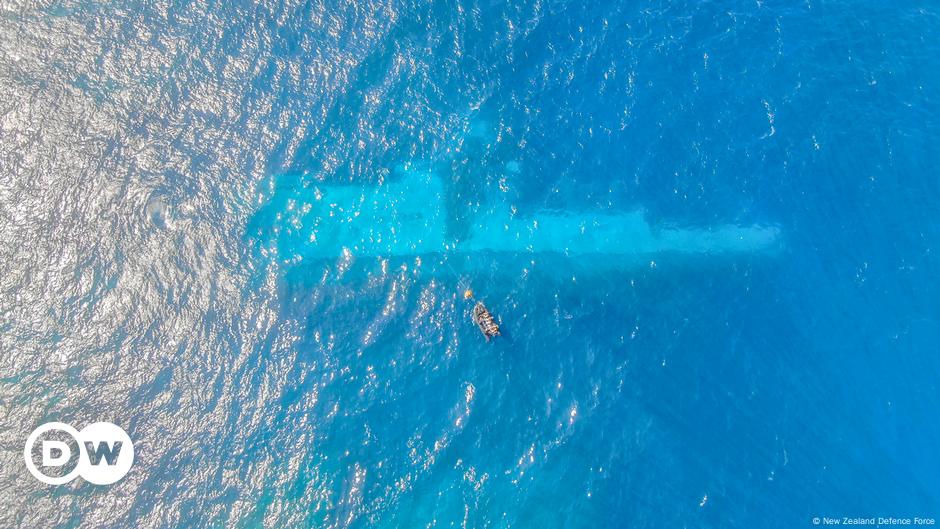
A New Zealand navy vessel, HMNZS Manawanui, sank after hitting a reef off Samoa due to a series of human errors, including failing to disengage autopilot. The crew misidentified the issue as a thruster control failure, leading the ship to accelerate towards the reef. All 75 crew members were rescued, and a separate disciplinary process will follow the court's findings. The ship was carrying 950 tons of diesel, with salvage operations planned to retrieve the fuel.
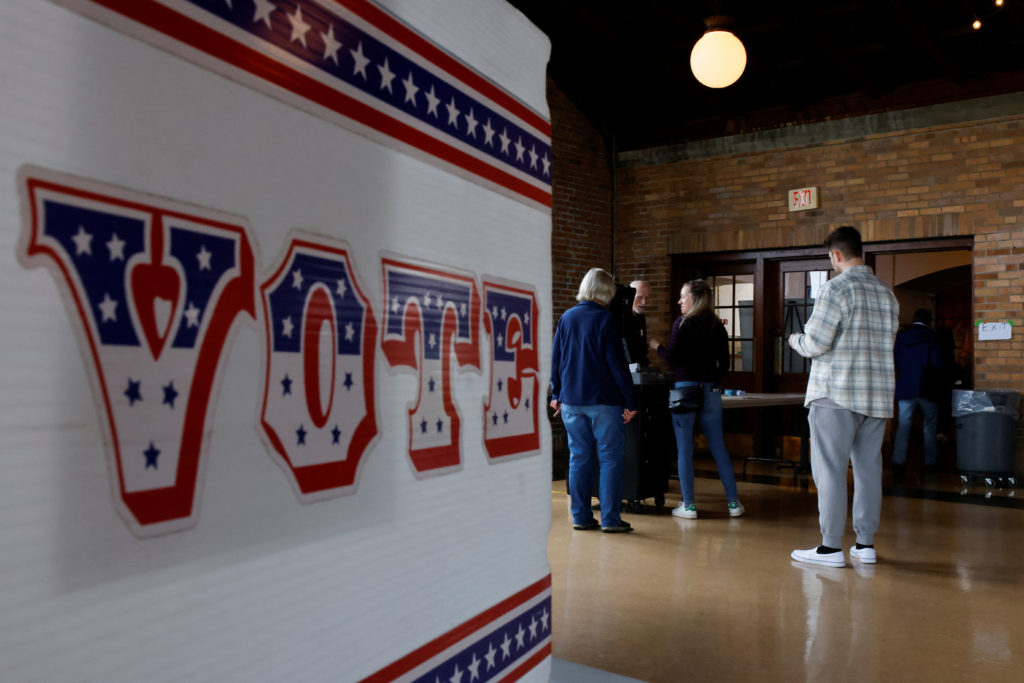
Milwaukee election officials are recounting over 30,000 absentee ballots due to improperly sealed ballot tabulator doors, a move described as a precautionary measure to ensure transparency. The recount, attributed to human error, is delaying the reporting of around 105,000 absentee ballots, which could impact the outcome of the Wisconsin race between Vice President Kamala Harris and former President Donald Trump.
The IDF issued a statement acknowledging a "human error" after publishing a collage containing photos of terrorists captured at Shifa Hospital in Gaza, including one of the chief of Hamas operations who had not yet been captured. The IDF clarified that the claim of psychological warfare had no basis and stated that the operation at the hospital had successfully arrested high-ranking terrorists and eliminated approximately 150 terrorists in the area.
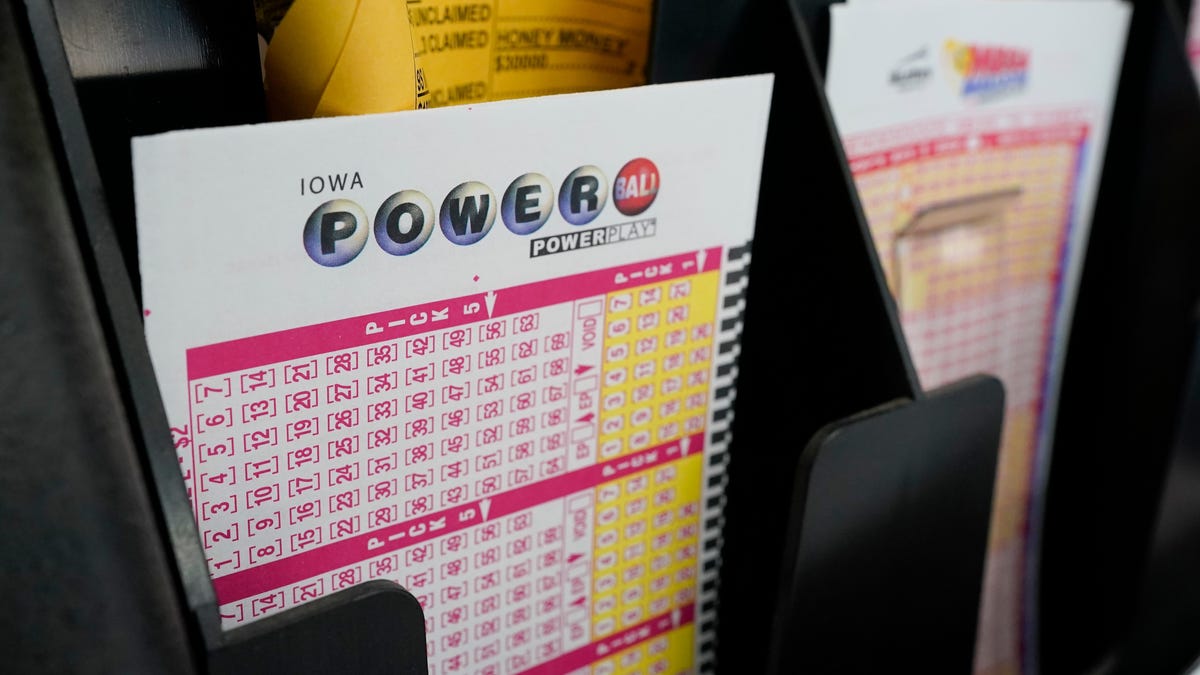
The Iowa Lottery announced the wrong winning numbers for Monday's Powerball drawing due to a human reporting error. The incorrect results were available for several hours before being noticed and disabled. The correct numbers were later entered, and prizes were paid accordingly. The mistake only affected the reporting of the official results for Monday's drawing, and all other lottery tickets could be purchased, checked, and cashed as usual.
The Iowa Lottery accidentally published the wrong winning numbers for Monday's Powerball draw due to human error. Some participants claimed their winnings, mistakenly believing they had won up to $200. The lottery stated that the temporary 'winners' who presented their tickets during the time the wrong numbers were live would be allowed to keep their money. The corrected numbers were later published, and it is unclear how many prize-winning tickets were affected by the mistake.
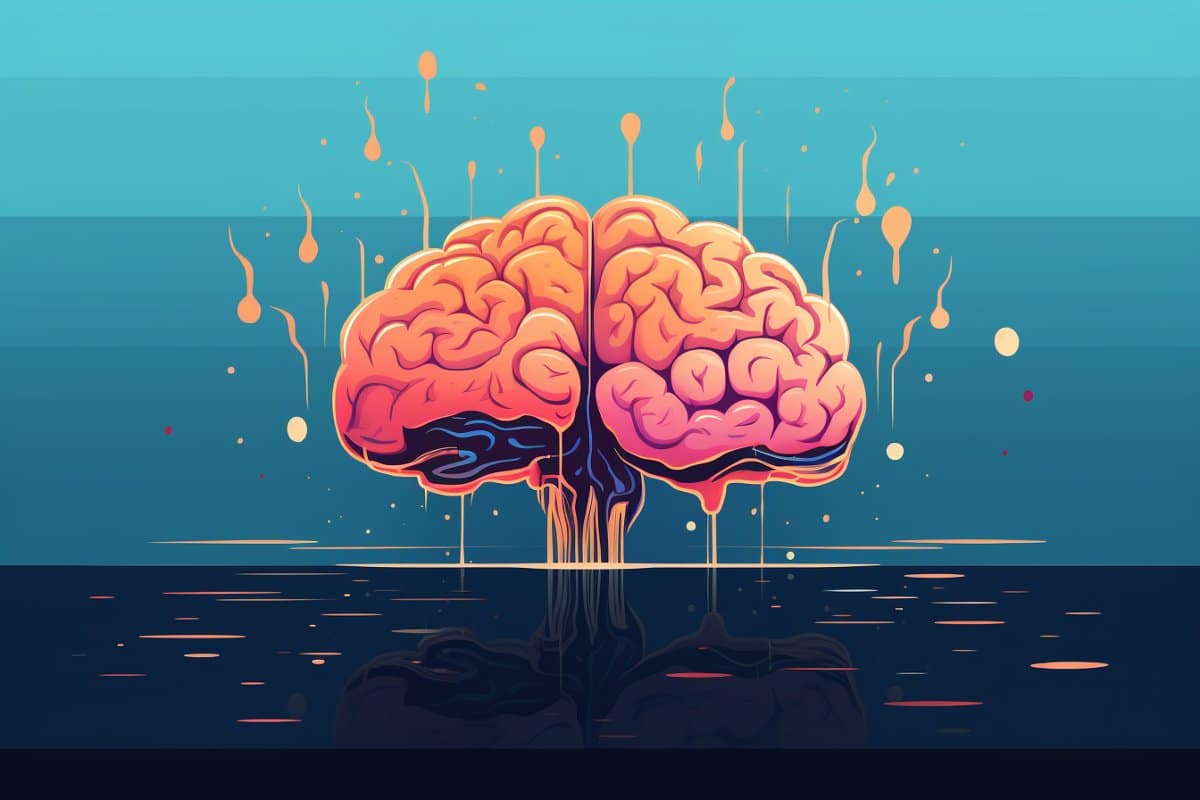
A study from the University of Iowa reveals that the human brain can quickly differentiate between outcomes caused by human error and those that are not. The brain recognizes an error within one second and engages in a longer process to prevent future errors. This specialized error-awareness mechanism involves internal communication to avoid repeating mistakes. The research used EEGs to observe unique neural activity associated with human error, supporting the existence of a specialized error-detection system in the brain.
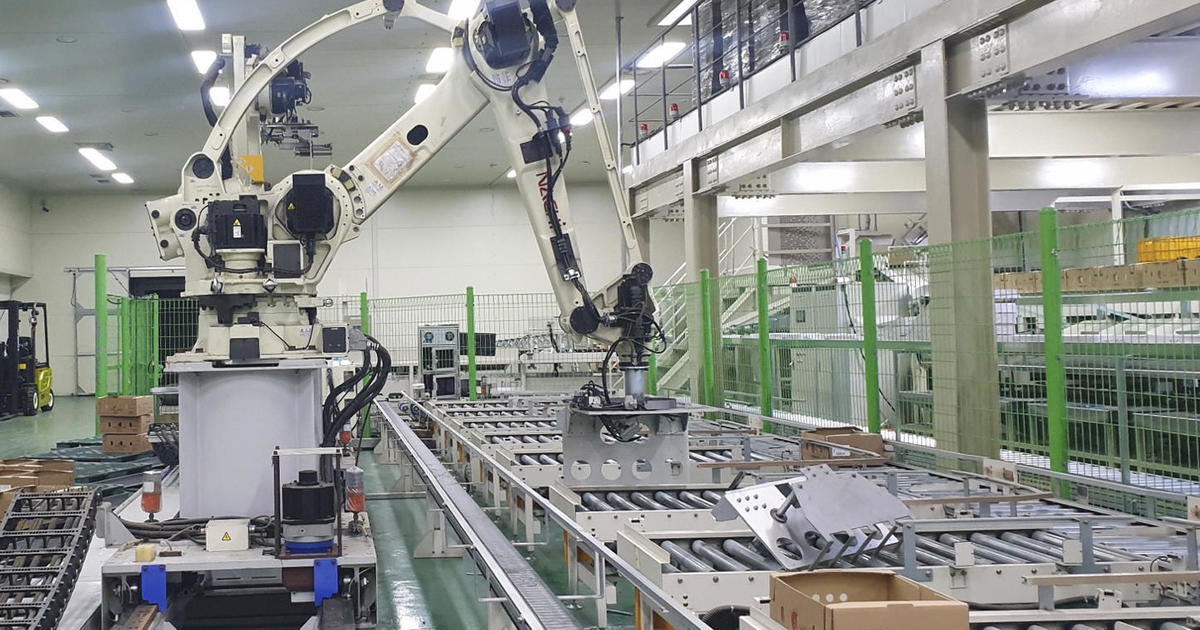
A worker was crushed to death by an industrial robot at a vegetable packaging plant in South Korea. The police are investigating whether the machine had potential defects or safety issues. The robot's sensors are designed to identify boxes, and it is believed that the man's proximity to the robot with a box triggered the machine's reaction. This incident highlights the need for workplace safety measures and accident investigations in relation to industrial robots.
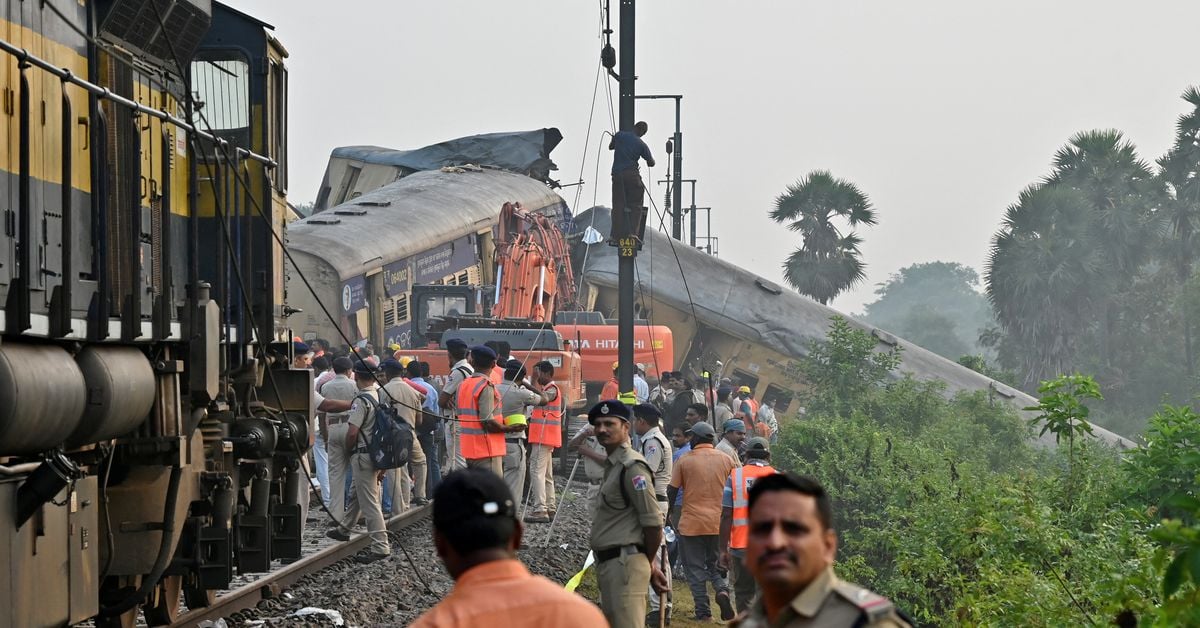
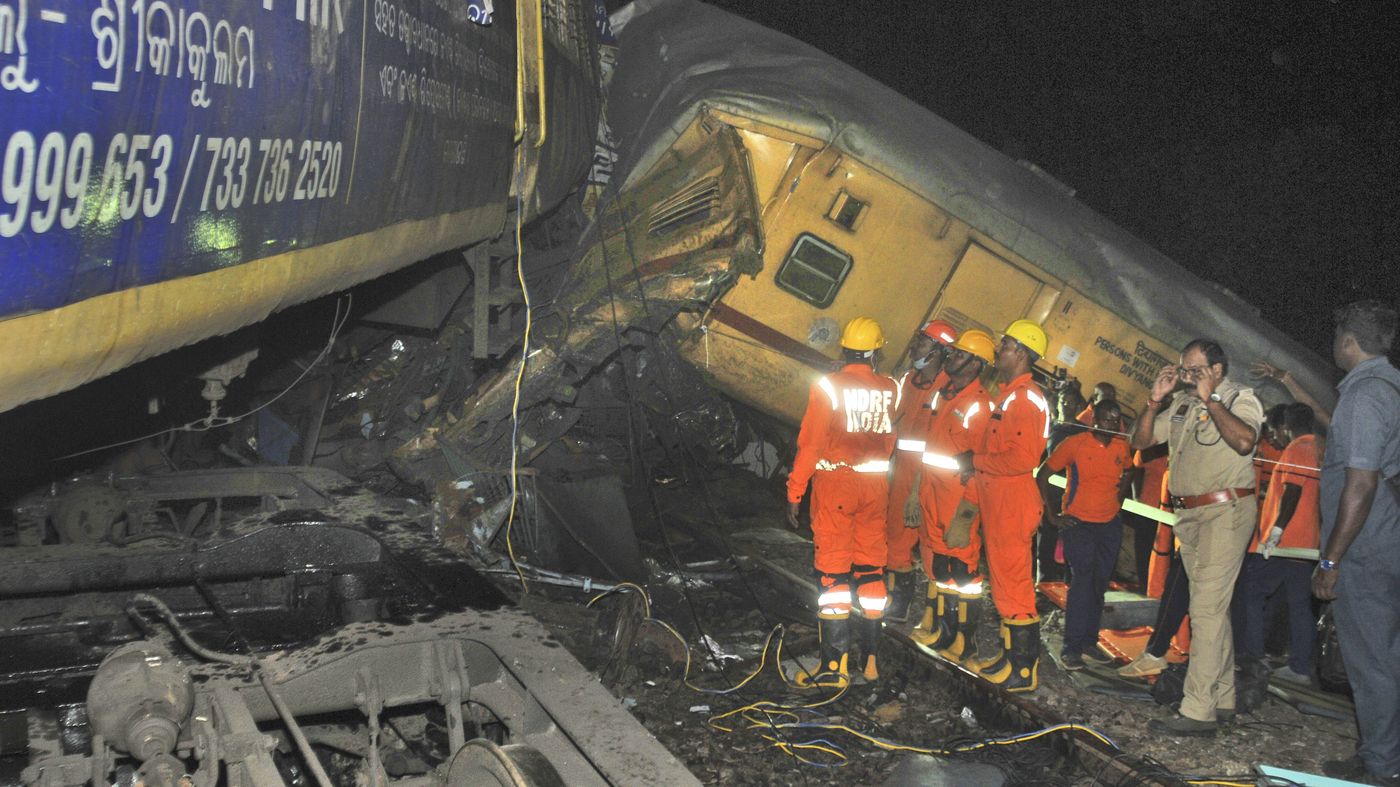
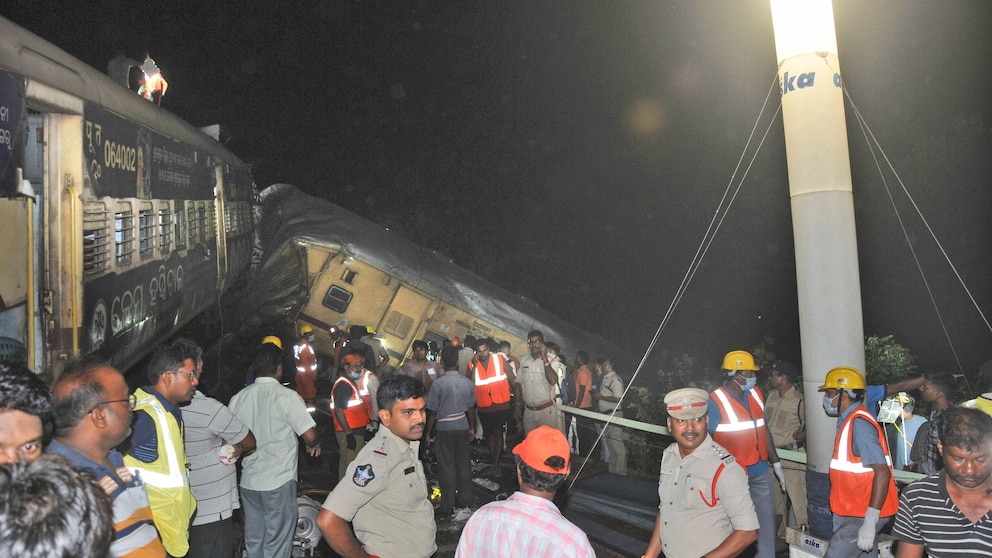
The death toll from a train crash in the south-eastern state of Andhra Pradesh, India, has risen to 13, with 39 injured. The accident occurred when a passenger train stopped due to a break in an overhead cable and was hit from the rear by another train, derailing two carriages. Investigators suspect human error as the cause of the crash. This incident follows a major train crash in India earlier this year, where 292 people were killed.
A passenger train collided with a stationary train in Andhra Pradesh state's Vizianagaram district in southern India, resulting in the death of 13 people and injuring 25 others. The crash, caused by human error, caused at least three rail cars to derail. Train accidents are common in India, often attributed to human error or outdated signaling equipment. In June, a deadly rail crash in eastern India claimed the lives of over 280 people.
A passenger train collided with a stationary train in Andhra Pradesh, India, resulting in the death of 13 people and injuring 25 others. The crash, caused by human error, led to the derailment of at least three rail cars. Train accidents are common in India, often attributed to human error or outdated signaling equipment.
The Federal Aviation Administration (FAA) has requested recommendations from a panel of experts on cockpit technologies that could warn pilots of potential runway or taxiway errors, as part of their efforts to eliminate near misses. The FAA is exploring the possibility of requiring alerting systems to give pilots time to take corrective actions. The National Transportation Safety Board is investigating several near misses caused by human error, prompting the FAA to issue advisories and consider airport design and detection technology. However, the FAA acknowledges that human factors also play a significant role in ensuring safety.
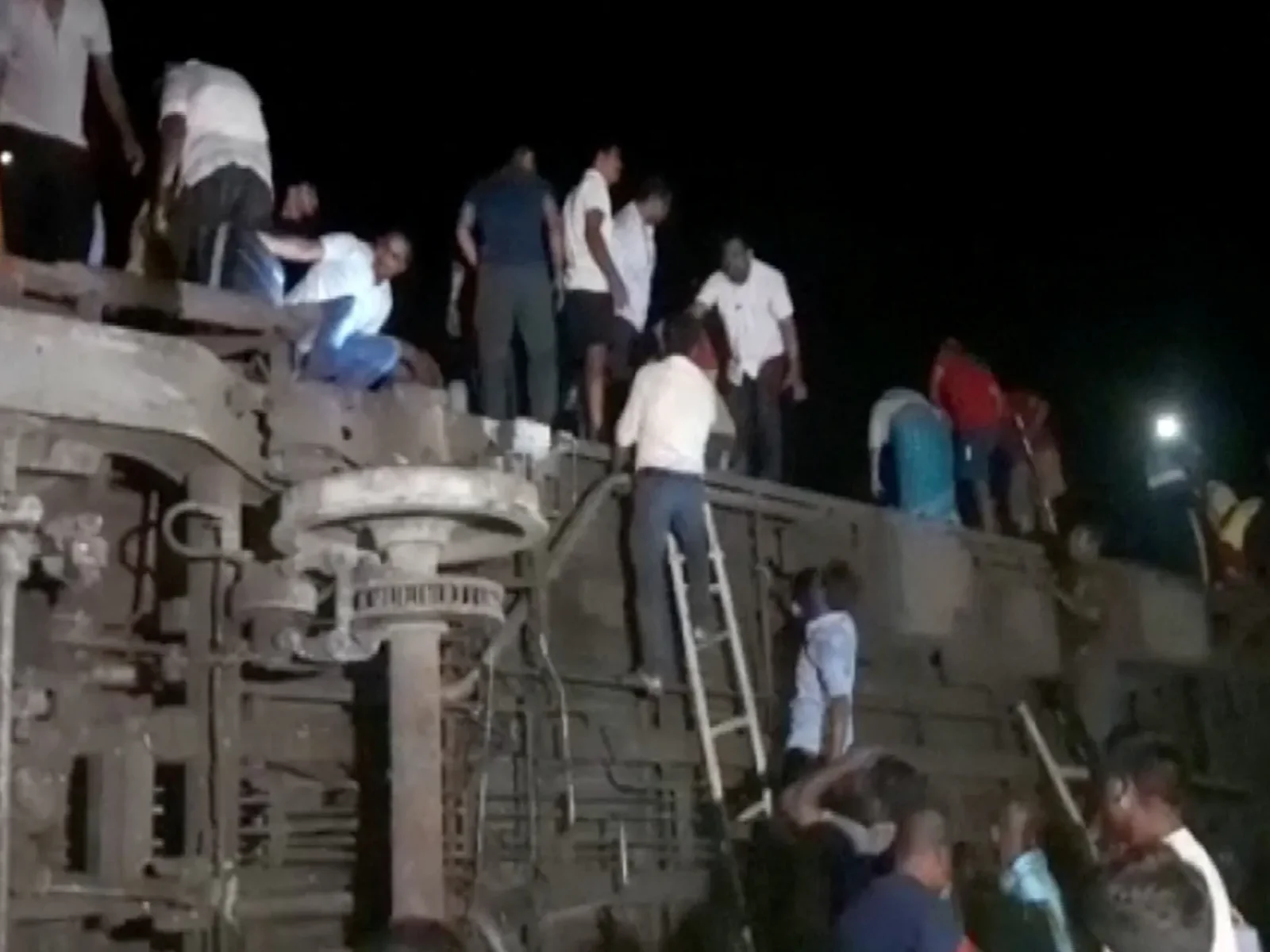
A passenger train in eastern India derailed following a head-on collision with a goods train, leaving many people feared dead and 179 injured. More than 100 rescue personnel are searching for 200 passengers feared trapped. The cause of the accident is being investigated, and several hundred accidents occur every year on India’s railways, with most of them blamed on human error or outdated signaling equipment.
Australian scientist Karl Kruszelnicki has claimed that the mystery behind the Bermuda Triangle is a matter of "probabilities" and not supernatural explanations. He believes that human error and poor weather conditions are likely behind all the disappearances that have contributed to the superstition associated with the Bermuda Triangle. The National Oceanic and Atmospheric Association (NOAA) also maintains this position, stating that there is no evidence that mysterious disappearances occur with any greater frequency in the Bermuda Triangle than in any other large, well-traveled area of the ocean.
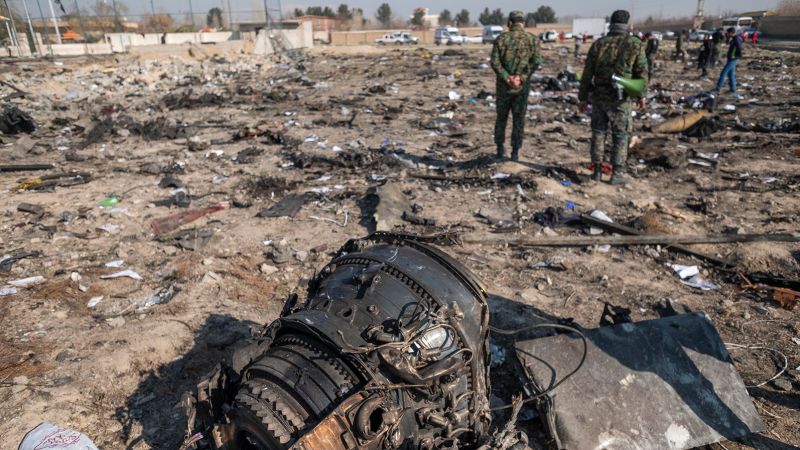
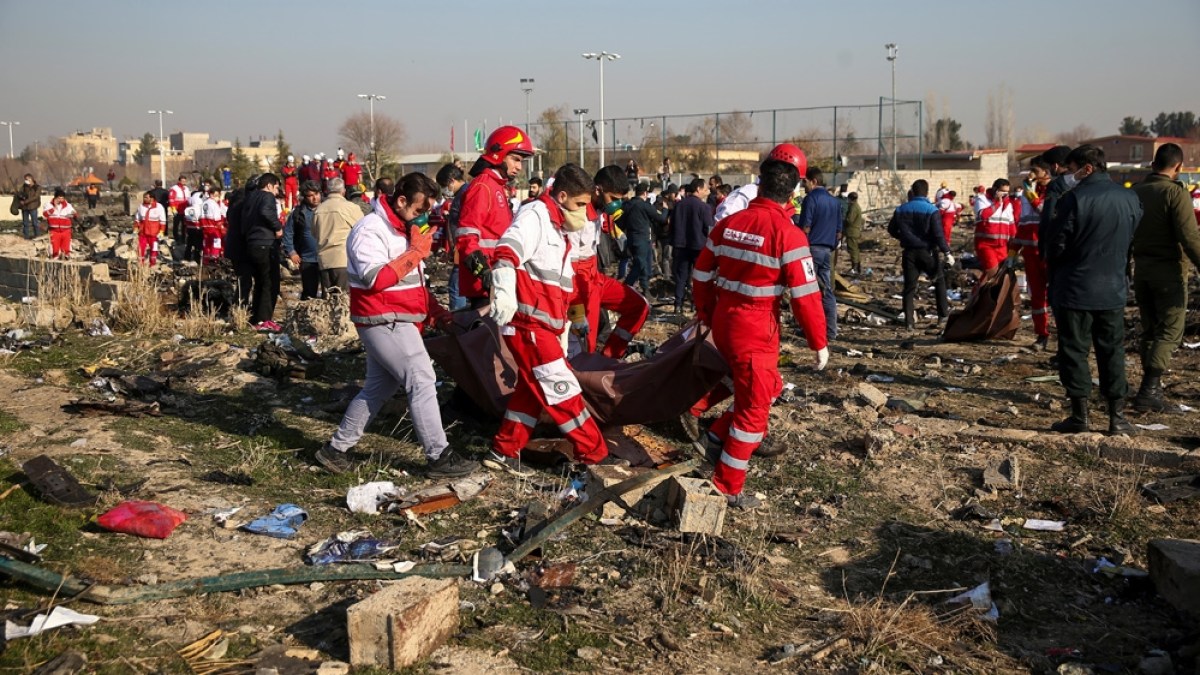
A court in Tehran has sentenced the unnamed commander of the Tor M1 surface-to-air missile defense system to 13 years in prison for his involvement in the shooting down of Ukrainian Airlines Flight 752 in 2020, which killed all 176 people on board. The court convicted as many as 10 Iranian military personnel for their involvement in the incident, but victims' families have dismissed the sentence as a "sham ruling" and demanded the dispute be considered by the International Court of Justice. The court said the passenger plane was shot down by "human error."
Iran's judiciary has issued prison sentences for 10 individuals responsible for the downing of a Ukraine International Airlines commercial flight in January 2020. The prime suspect, the commander of the missile defence system that shot down the plane, received a 10-year discretionary sentence and three years for being "accessory to semi-intentional murder". Two personnel operating the missile system each received one-year sentences, while other officials were given sentences ranging from one to three years. The incident was caused by "human error" as the air defence battery personnel fired the missiles without proper clearance. The suspects will also reportedly face more punishments that were not specified by the judiciary.