
Exploring Exoplanets: From Gaia Enceladus to Habitable Zones
TL;DR Summary
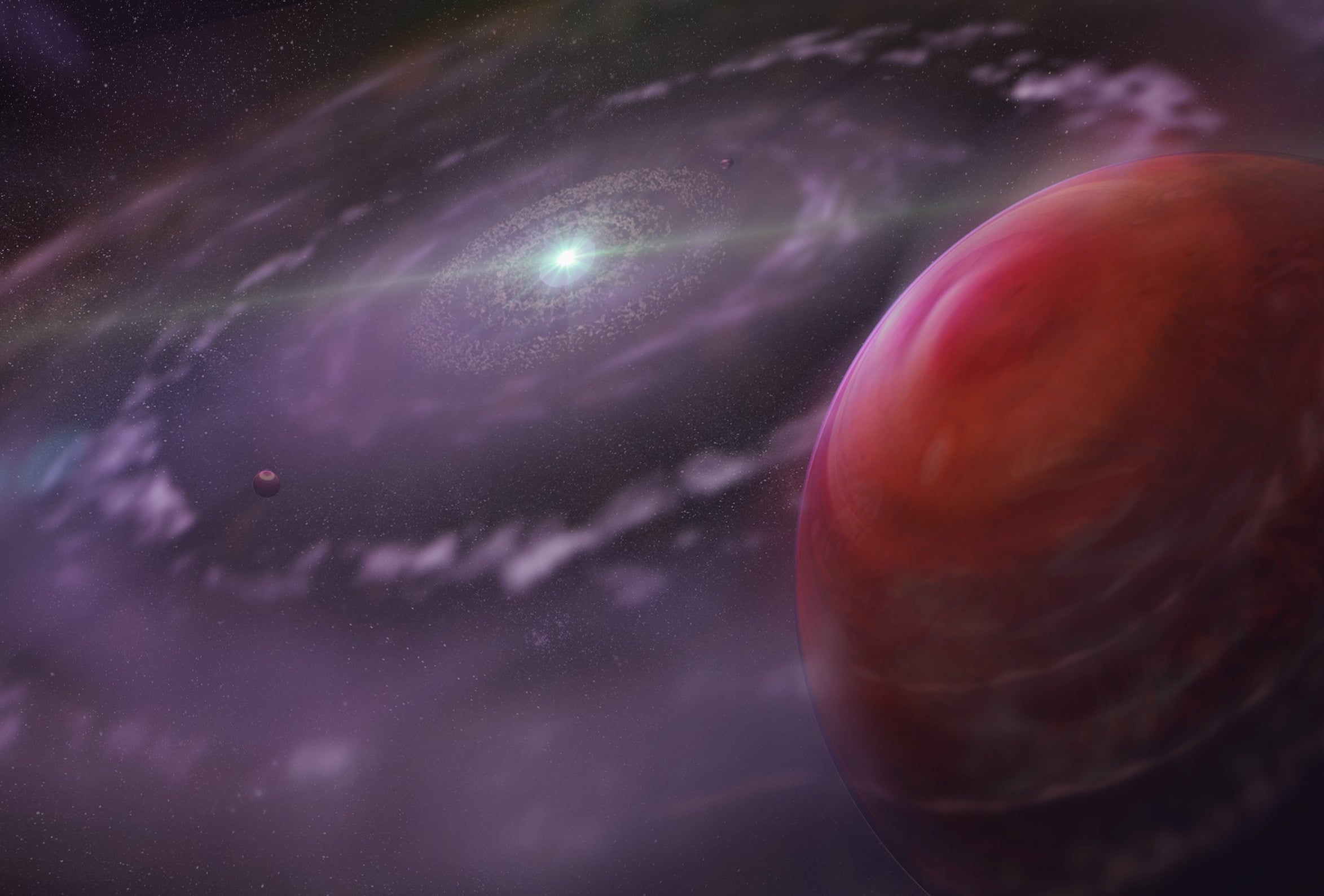
The James Webb Space Telescope (JWST) has observed the HR 8799 solar system, located 133 light-years away, and detected four exoplanets using its MIRI instrument. The system is young and unique, with the four massive planets on wide orbits. The JWST's observations confirm that these planets are not brown dwarfs and provide insights into their temperatures and atmospheric compositions. The study also clarifies the nature of a background object in the system and highlights the challenges and potential of using the JWST's MIRI instrument for future observations of young exoplanetary systems.
- JWST Sees Four Exoplanets in a Single System Universe Today
- Can we really pick and choose? Benchmarking various selections of Gaia Enceladus/Sausage stars in observations with simulations Oxford Academic
- To Find a New World, Watch How a Planet Dances with Its Star JSTOR Daily
- What's the Best Way to Find Planets in the Habitable Zone? Universe Today
- View Full Coverage on Google News
Reading Insights
Total Reads
0
Unique Readers
10
Time Saved
5 min
vs 6 min read
Condensed
92%
1,178 → 91 words
Want the full story? Read the original article
Read on Universe Today