The article discusses potential major changes in the real estate industry in 2026, including possible overturning of key settlement agreements affecting buyer agent commissions, increased MLS consolidation, a rise in lifestyle renters due to affordability issues, and ongoing government efforts for housing reform, with a turbulent but transformative year anticipated.

Next year may mark a turning point for the US housing market with expectations of increased inventory, stable home prices, and a focus on affordability reforms by the Trump administration, although significant price drops are unlikely in 2026.
Next year may mark a turning point for the US housing market with expectations of increased inventory, stable home prices, and a focus on housing reform by the Trump administration, potentially leading to a more balanced market in 2026.
The UK government has announced major reforms to the housing market aimed at reducing costs, delays, and failed sales, including mandatory property information, binding contracts, and improved professional standards, potentially saving buyers hundreds of pounds and cutting transaction times. The reforms are part of a broader housing strategy, alongside new tax incentives for first-time buyers, funded by public spending cuts.
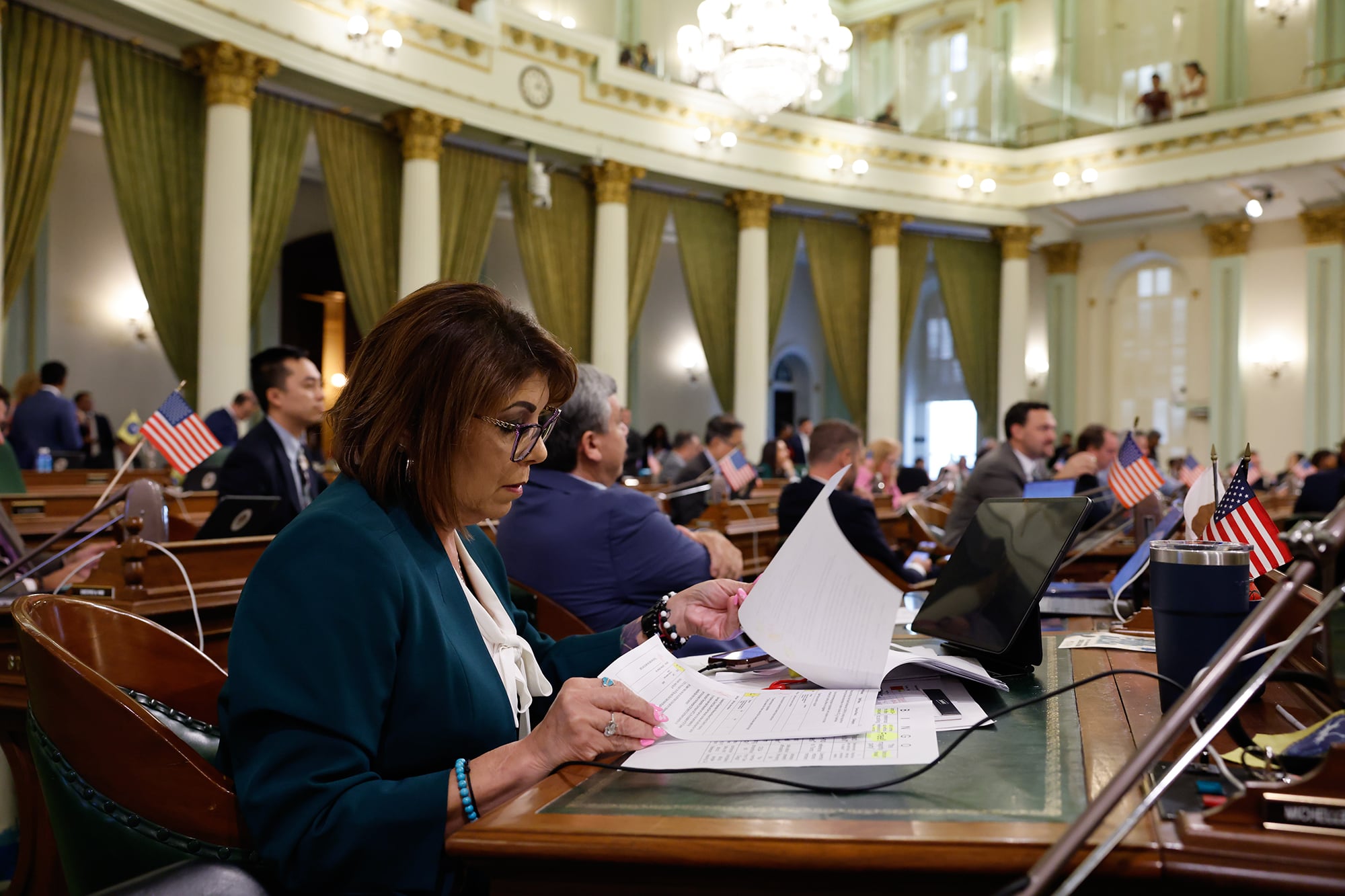
California's legislative session concluded with significant Democratic wins on climate, housing, and labor, despite last-minute deals and frustrations over process and unresolved issues like property tax caps and environmental reviews. Key measures include climate and energy policies, housing near transit, union rights for gig workers, and funding for local news, with ongoing debates on antisemitism and AI oversight.
Governor Gavin Newsom signed a historic overhaul of California's environmental laws, including changes to the California Environmental Quality Act (CEQA), aiming to address the state's housing shortage and homelessness crisis by reducing bureaucratic delays in development, despite opposition from environmental groups.
Governor Gavin Newsom signed historic legislation as part of California's 2025-2026 budget, enacting sweeping reforms including CEQA exemptions and streamlining measures to accelerate housing and infrastructure development, aiming to boost affordability, reduce barriers, and address homelessness across the state.
California Governor Gavin Newsom successfully pushed through major housing reforms by leveraging the state budget process to bypass legislative opposition, including significant exemptions to environmental review laws (CEQA), aiming to accelerate urban housing construction amid political and environmental challenges.
Zohran Mamdani, a 33-year-old progressive State Representative, won the NYC Democratic mayoral primary, positioning him as a potential first Muslim mayor of the city. He campaigned on affordable housing and transportation reforms, and will face incumbent Mayor Eric Adams in the November general election. Mamdani's background includes activism, a diverse heritage, and a focus on social justice issues.
New York City has legalized accessory dwelling units (ADUs) in certain neighborhoods as part of broader housing reforms aimed at addressing the housing shortage. ADUs, which include backyard cottages and converted basements, offer affordable housing options and can increase property values. While ADUs are gaining popularity across the US, challenges such as construction costs and regulatory hurdles remain. Fourteen states have legalized ADUs, with California leading the way, but local regulations can still impede widespread adoption.
Leasehold property owners in the UK, like Liz Winstanley and Anna, are facing challenges with poor communication, inadequate repairs, and unjustified service charges. The government is debating the Leasehold and Freehold (Reform) Bill to address these issues, aiming to provide greater transparency for service charges and make new leases a standard 990 years. However, campaigners argue that the proposed reforms don't go far enough and call for the complete abolition of the leasehold system in favor of commonhold, giving flat owners more control over their buildings.
Housing Secretary Michael Gove has promised to outlaw no-fault evictions in England by the next general election, aiming to end the right of landlords to evict tenants without needing a reason. The Renters (Reform) Bill, currently being debated in Parliament, includes a ban on no-fault evictions. Gove acknowledged the need for court system improvements to enforce the ban and emphasized the government's commitment to increasing the supply of homes, with plans to announce measures to facilitate the conversion of buildings into new homes and offer incentives for building on brownfield land.