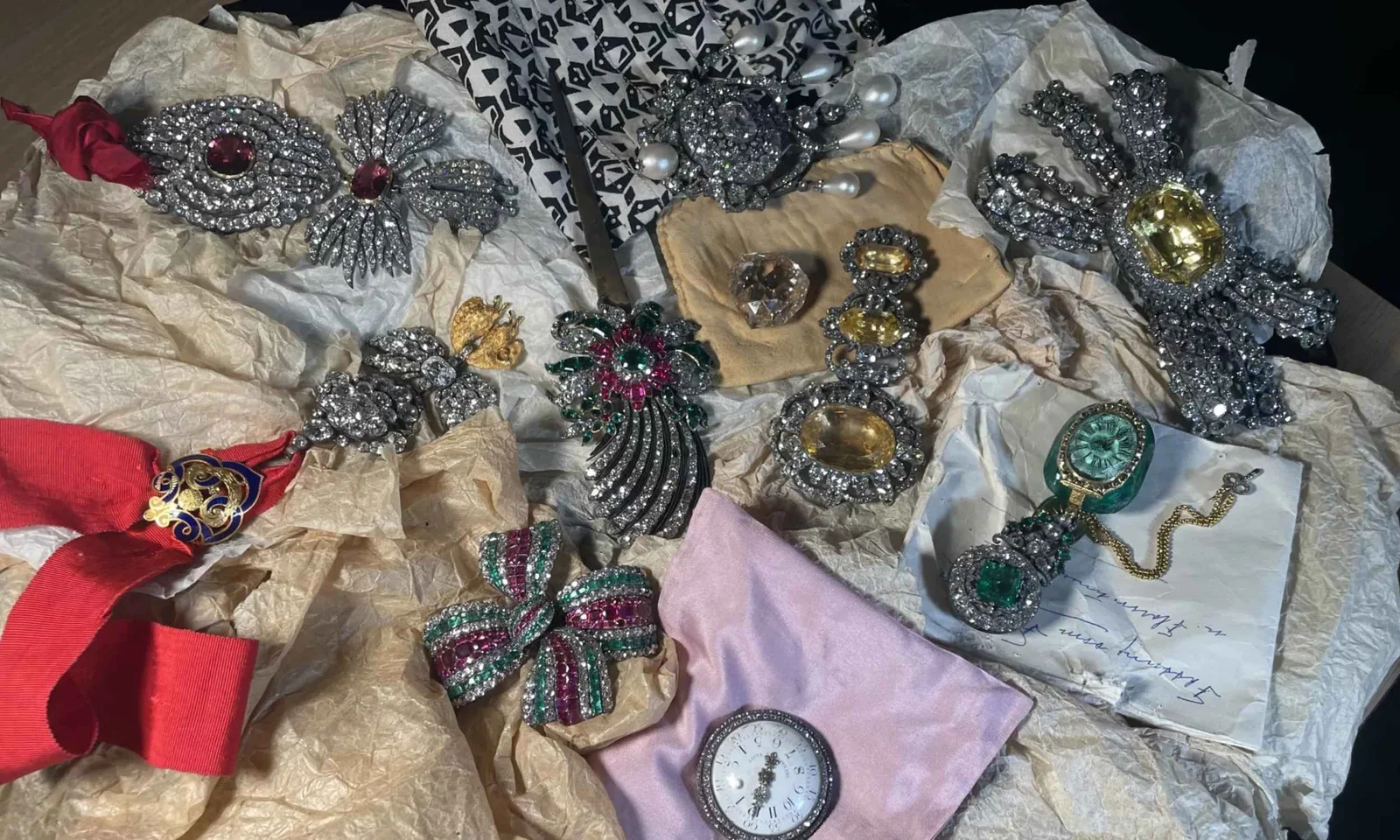
A suitcase containing the private Habsburg family jewels, including the famous Florentine Diamond, was discovered after being stored in a Canadian bank vault for over 100 years, revealing valuable royal treasures and raising questions about heritage and ownership.
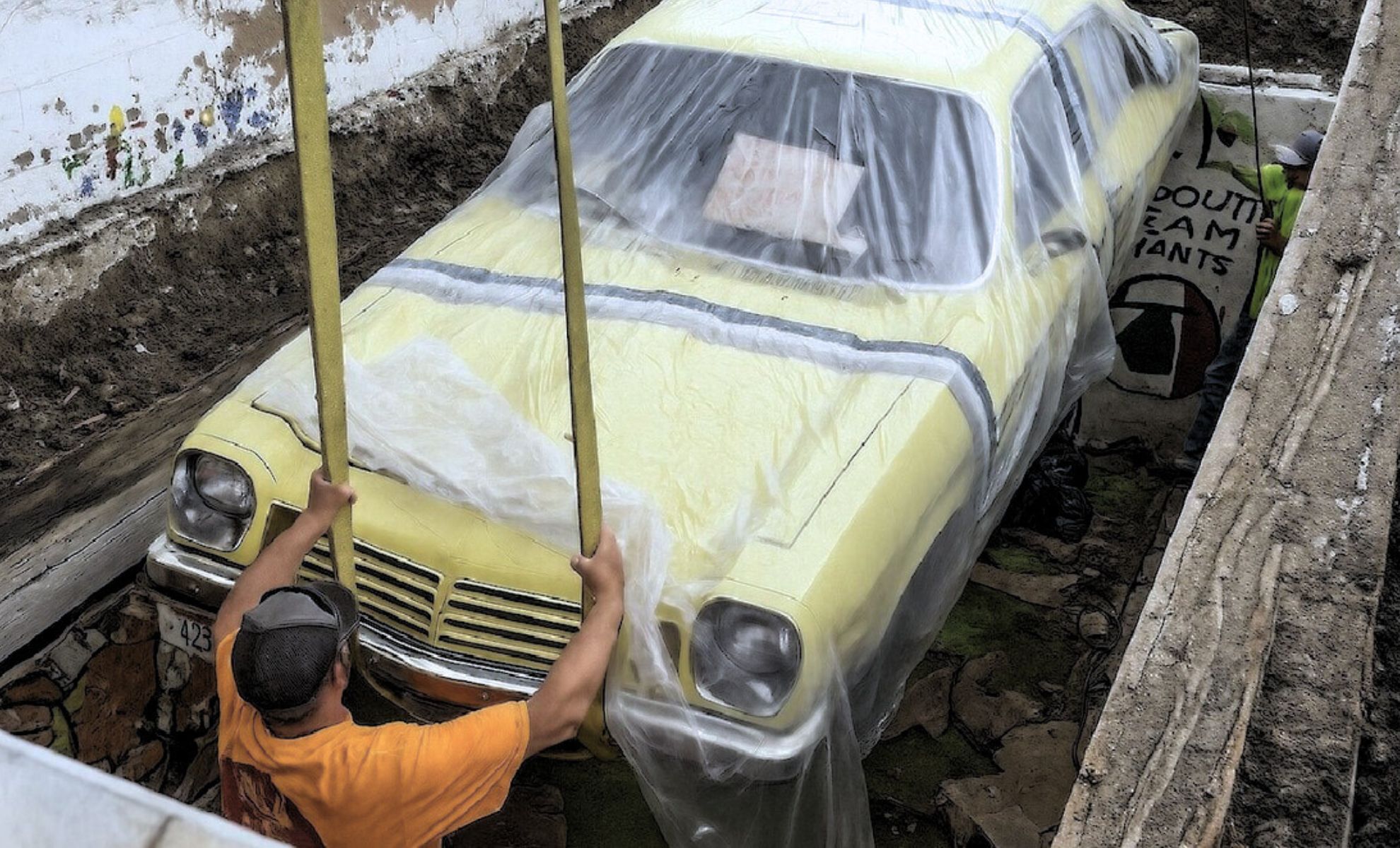
In 1975, a time capsule buried in Seward, Nebraska, containing a Chevrolet Vega and other objects, was unearthed in 2025, revealing the car in remarkable condition and sparking interest in its preservation and history, despite some challenges with lost records and minor damage.
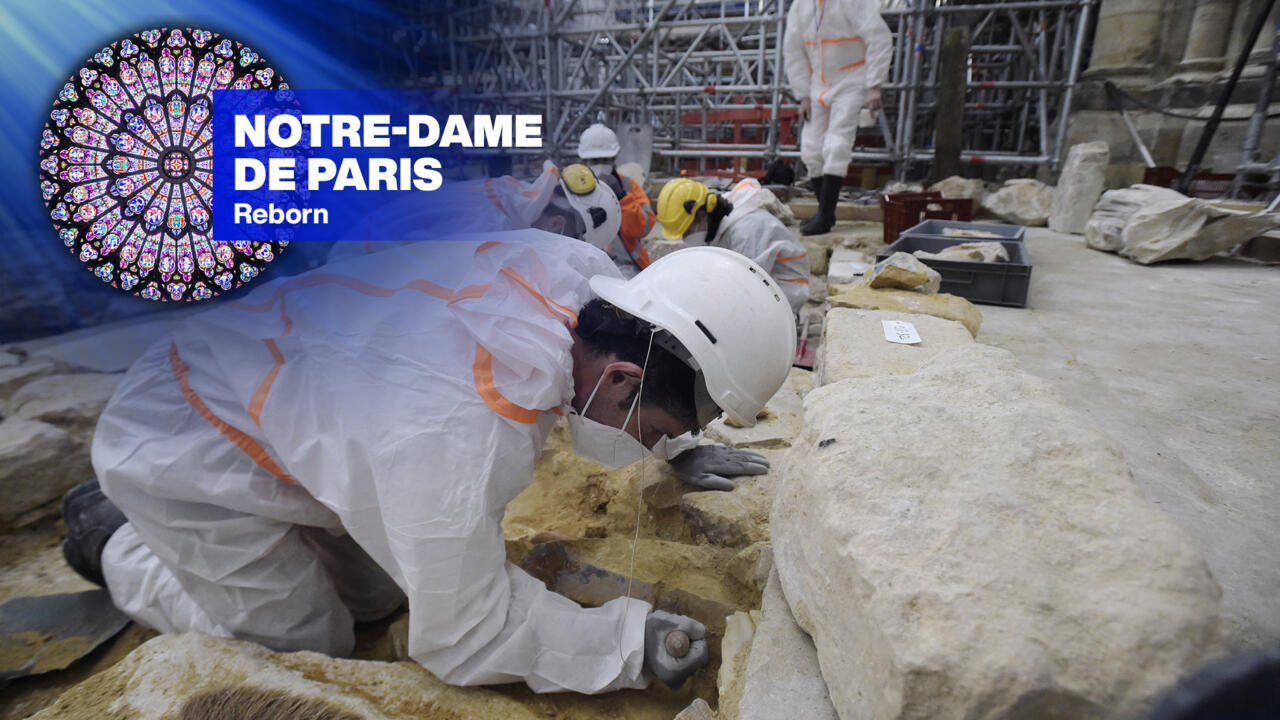
Recent archaeological excavations at Notre-Dame Cathedral have uncovered nearly 2,000 years of history, including around 1,000 medieval sculpture fragments from the 13th-century rood screen, previously thought lost. These discoveries, made during restoration efforts following the 2019 fire, reveal well-preserved polychrome traces and provide insights into the site's extensive historical layers, from early antiquity to the Middle Ages. The findings are being exhibited at the Musée de Cluny in Paris, offering a unique glimpse into the cathedral's rich past.
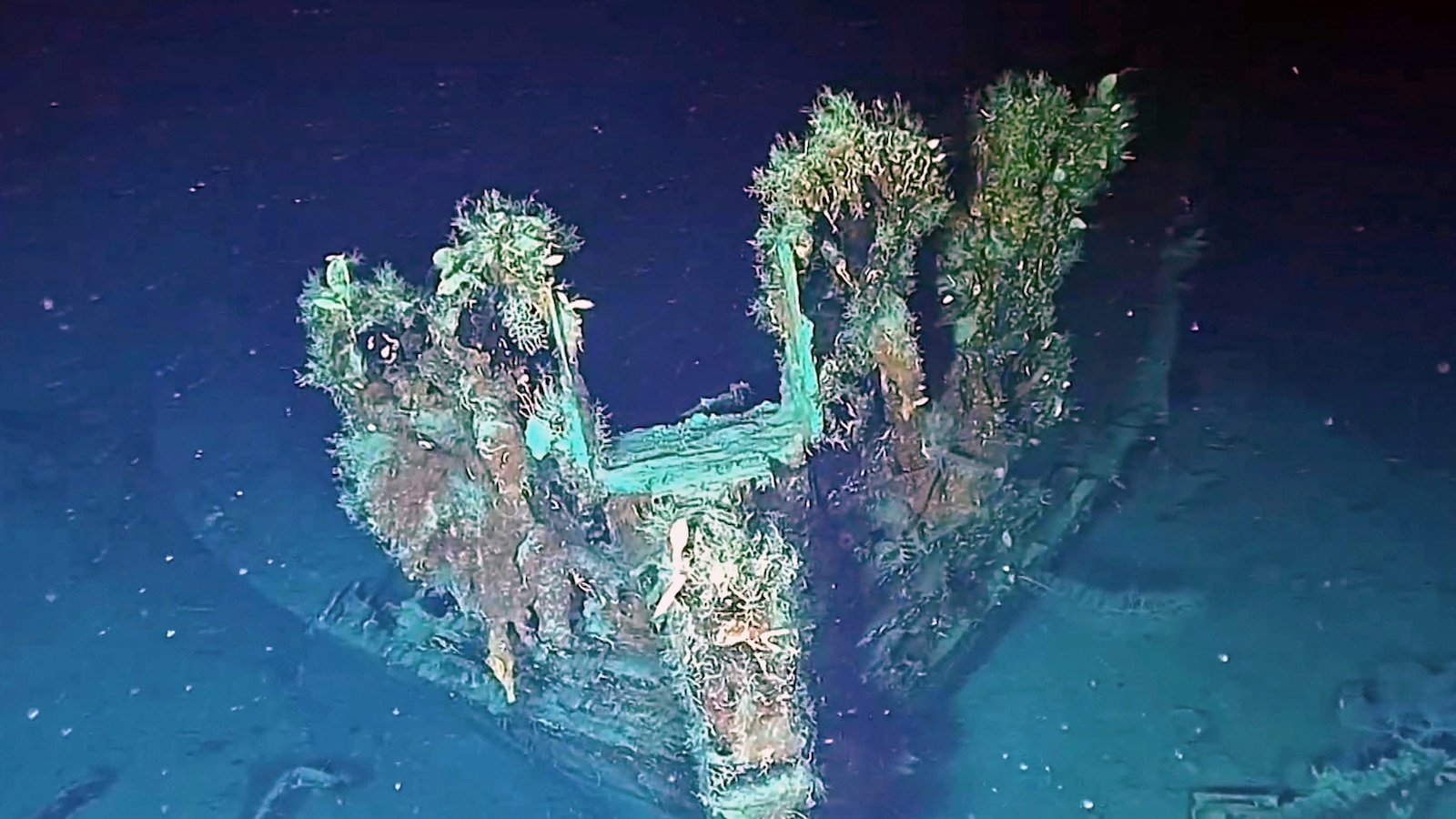
The $17 billion Spanish galleon ship San José, which sank in Colombian waters in 1708, is set to be recovered in April, with its treasure of 200 tons of silver and emeralds, 11 million gold coins, and other artifacts. The recovery will be managed by the Colombian government and involves coordination between various agencies. The ship's ownership has been the subject of legal disputes involving Colombia, Spain, and a U.S. salvage company. UNESCO has intervened to prevent the commercial exploitation of the ship's artifacts, and the recovery process will be funded by the Colombian State.
Archivists at the National Archives in the United Kingdom have opened parcels from the Anne-Marie cargo ship, seized by the British Navy in 1807, revealing well-preserved items including a 200-year-old red sweater, fabric samples, stockings, silver coins, and letters. The sweater, shipped from the Faroe Islands, was accompanied by a letter from the sender to the recipient in Copenhagen. The ship's cargo and mailbox were taken by the British navy, and the archivists plan to digitize the letters and contents of the packages. This discovery adds to recent findings of historical artifacts from shipwrecks, including the British HMS Erebus and a Dutch warship.
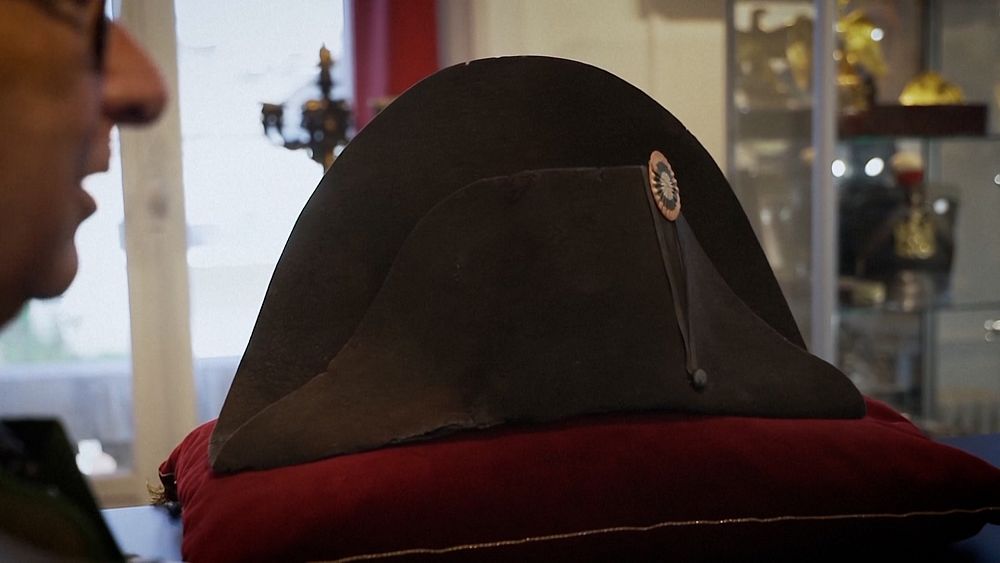
A hat believed to have been worn by Napoleon Bonaparte during his rule in 19th century France was sold at an auction in Paris for 1.9 million euros, surpassing the expected price. The hat was part of a collection of Napoleonic memorabilia assembled by a French industrialist over fifty years. Other items in the collection included a silver plate looted from Napoleon's carriage after his defeat at the Battle of Waterloo and a vanity case with personal belongings.
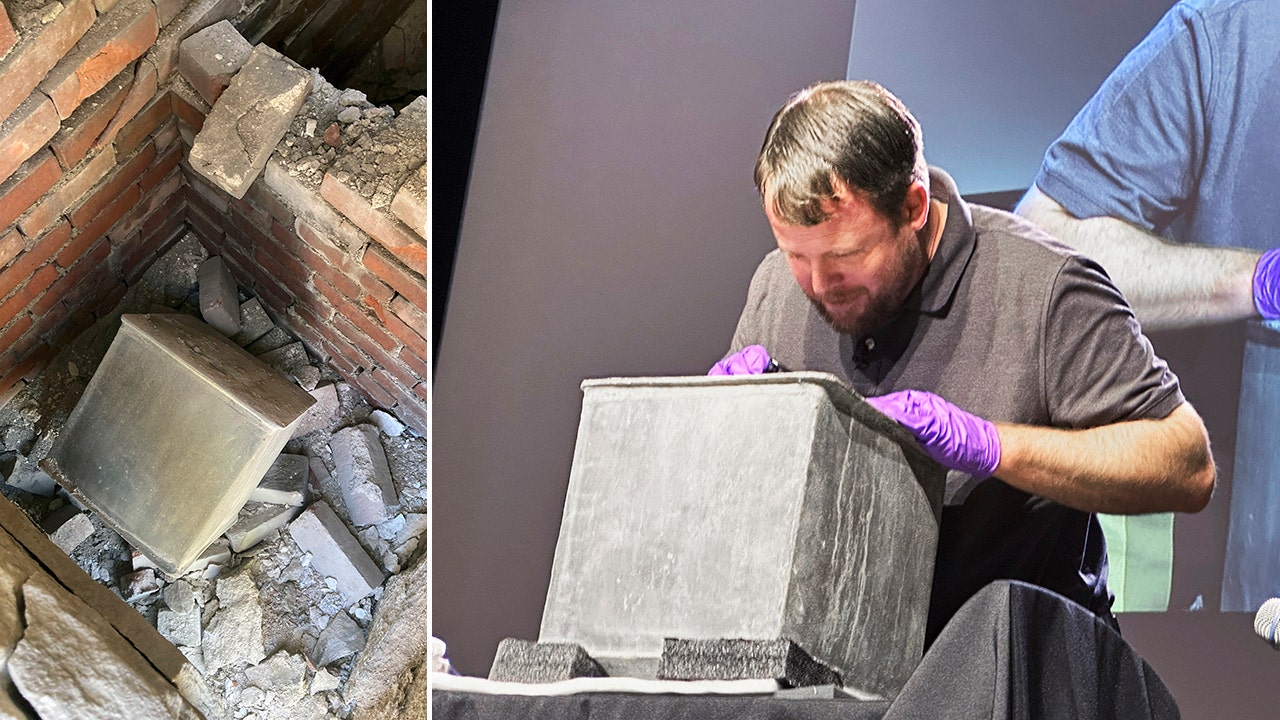
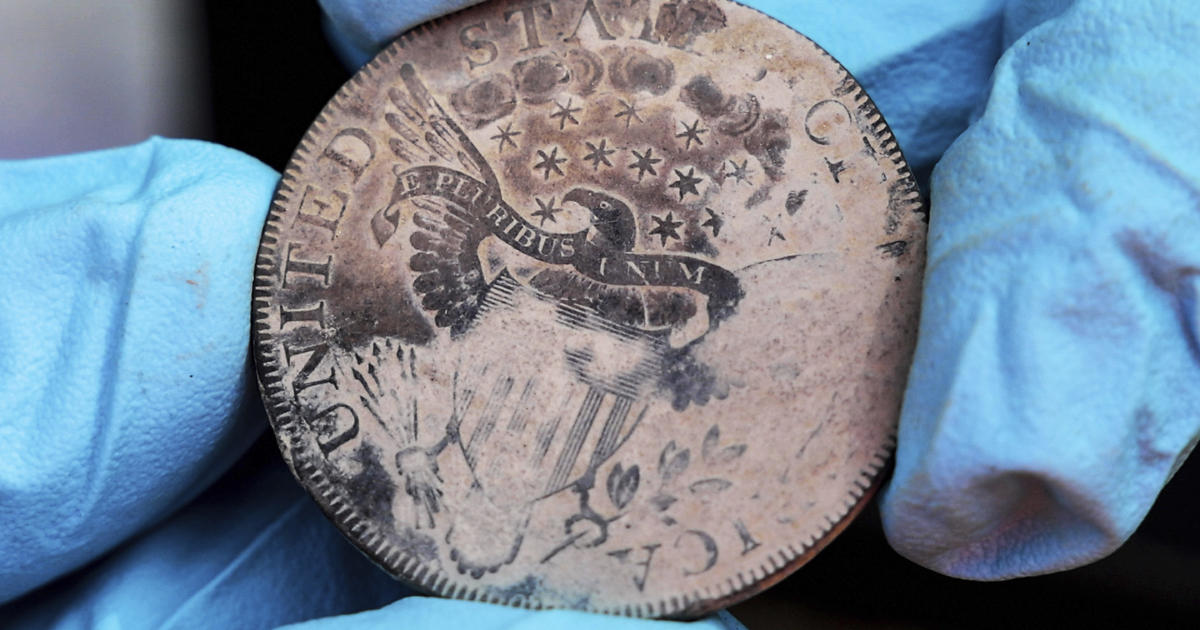
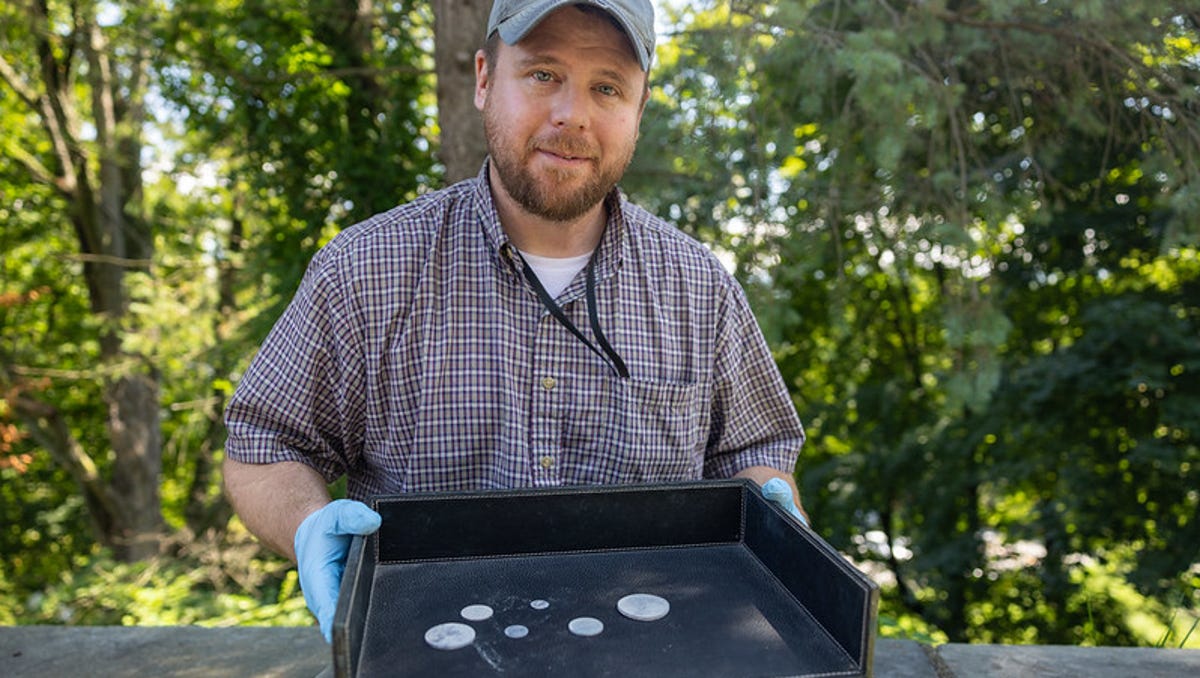
A time capsule buried by cadets at West Point nearly 200 years ago was opened during a live-streamed ceremony, revealing six silver American coins dating from 1795 to 1828 and a commemorative medal. The coins, including a 1795 5-cent coin and an 1800 Liberty dollar, are believed to be valued between a couple of hundred dollars to well over $1,000. The time capsule, found during the restoration of a monument honoring Revolutionary War hero Thaddeus Kosciuszko, will continue to be analyzed for its historical significance.
A 194-year-old time capsule discovered at West Point initially appeared to contain only dust, but upon further examination, historians found six silver American coins dating from 1795 to 1828 and a commemorative medal. The coins and medal were discovered in the sediment of the lead box, which had been placed in the base of a monument by cadets. The unexpected findings confirmed the theory that the box was left by cadets in 1828 or 1829. The historical artifacts will be preserved and analyzed, and a new time capsule will be placed in the monument for future generations.
After a high-profile ceremony to unseal a time capsule from 1829 at West Point, which initially appeared to contain only dust and silt, it has been revealed that six coins and a medal were actually retrieved from the box. The treasure, buried twice, includes a Liberty dollar coin from 1800, a 50-cent coin from 1828, and a commemorative medal from 1826 marking the completion of the Erie Canal. The contents of the box were initially disappointing, but archaeologists plan to collect and screen the silt to determine if any remains or small organic items were present.
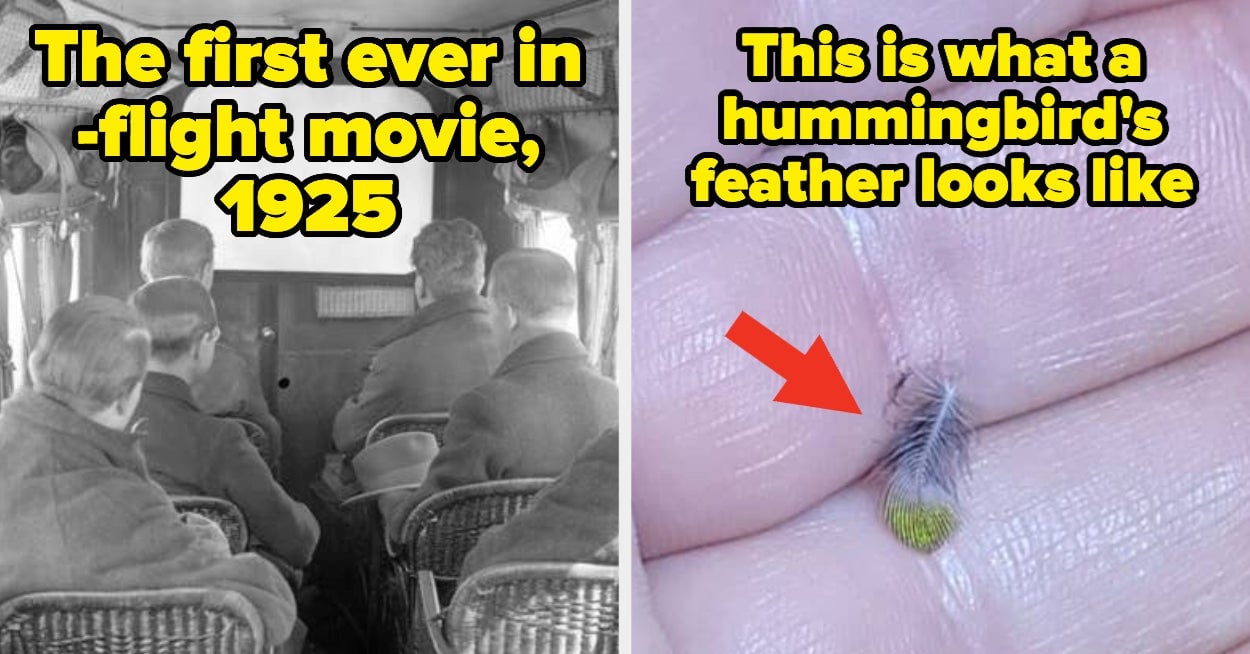
A collection of 21 fascinating pictures found on the internet includes Albert Einstein's desk, a hummingbird feather, passengers watching an in-flight movie in 1925, the man with the world's longest tongue, the first untethered spacewalk, metal grocery lists, eggs with white yolks, a $1,000 bill, the safety net under the Golden Gate Bridge, a poorly taxidermied lion, a baby pigeon, the pistol used to kill Archduke Franz Ferdinand, Ramses II's Great Temple, the first X-ray, Steven Spielberg on the Jaws shark, the last person born in the 1800s, a winter fire aftermath, and polar bear license plates in Canada's Northwest Territories.
Forensic artist Oscar Nilsson has created a new facial reconstruction of a woman whose skeletal remains were recovered from the Vasa shipwreck in Stockholm harbor. Previously believed to be a man, genetic analysis revealed that the bones belonged to a woman with blue eyes, blonde hair, and pale skin. The woman, nicknamed "Gertrude," was estimated to be between 25 and 30 years old at the time of her death. Using computed tomography scans and data on tissue thickness, Nilsson recreated her features, including a new analysis of the nose, ears, and fuller lips. Microscopic analysis of fabric pieces found near the remains suggests she was wearing a dark gray jacket and a bright red, tall hat resembling traditional festive dress.
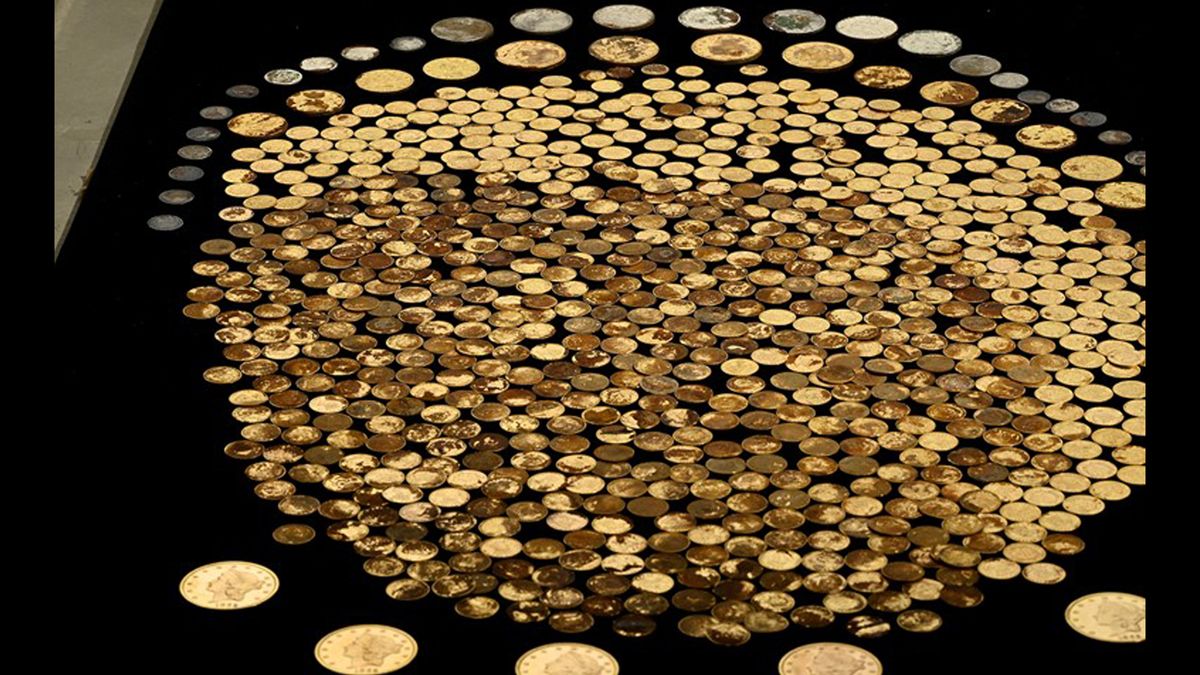
A Kentucky man discovered a cache of over 700 coins from the American Civil War era while digging in his field. The "Great Kentucky Hoard" includes U.S. gold pieces dating between 1840 and 1863, with 95% of the hoard composed of gold dollars. The hoard offers insights into America's history during a tumultuous period and may have been buried to prevent theft by the Confederacy. Archaeologists emphasize the importance of reporting such finds to preserve historical information.
A Kentucky man discovered over 700 coins from the American Civil War era buried in his cornfield, including U.S. gold pieces dating between 1840 and 1863. The cache, known as the "Great Kentucky Hoard," consists mostly of gold dollars, along with a few silver coins. The hoard offers insights into the history of the region during a tumultuous period and may have been buried to protect it from Confederate raids. While historical finds on private land in the U.S. do not require reporting to archaeologists, experts emphasize the importance of engaging with them to preserve valuable information about the past.
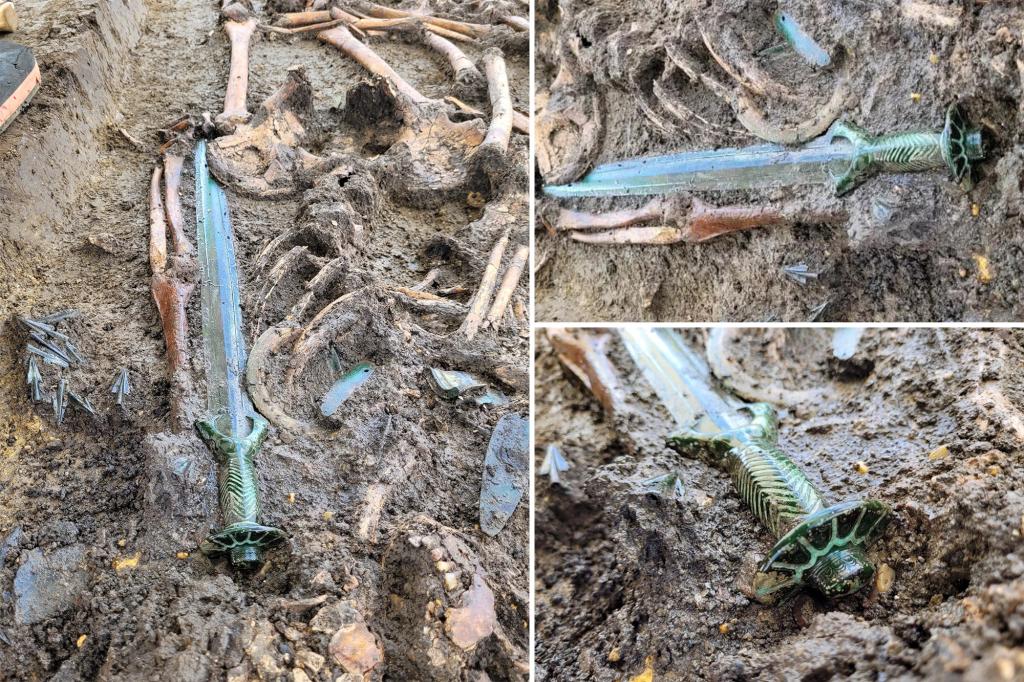
Archeologists in Germany have discovered a well-preserved bronze sword that is believed to be over 3,000 years old and dates back to the Bronze Age. The sword was found in a grave in Noerdlingen, alongside other bronze objects, and is thought to have belonged to a man buried with a woman and a boy. The state of preservation is said to be extraordinary, and the find is considered rare as swords from this period are not often discovered intact. Further examination of the sword and the burial is needed to categorize the find more precisely.
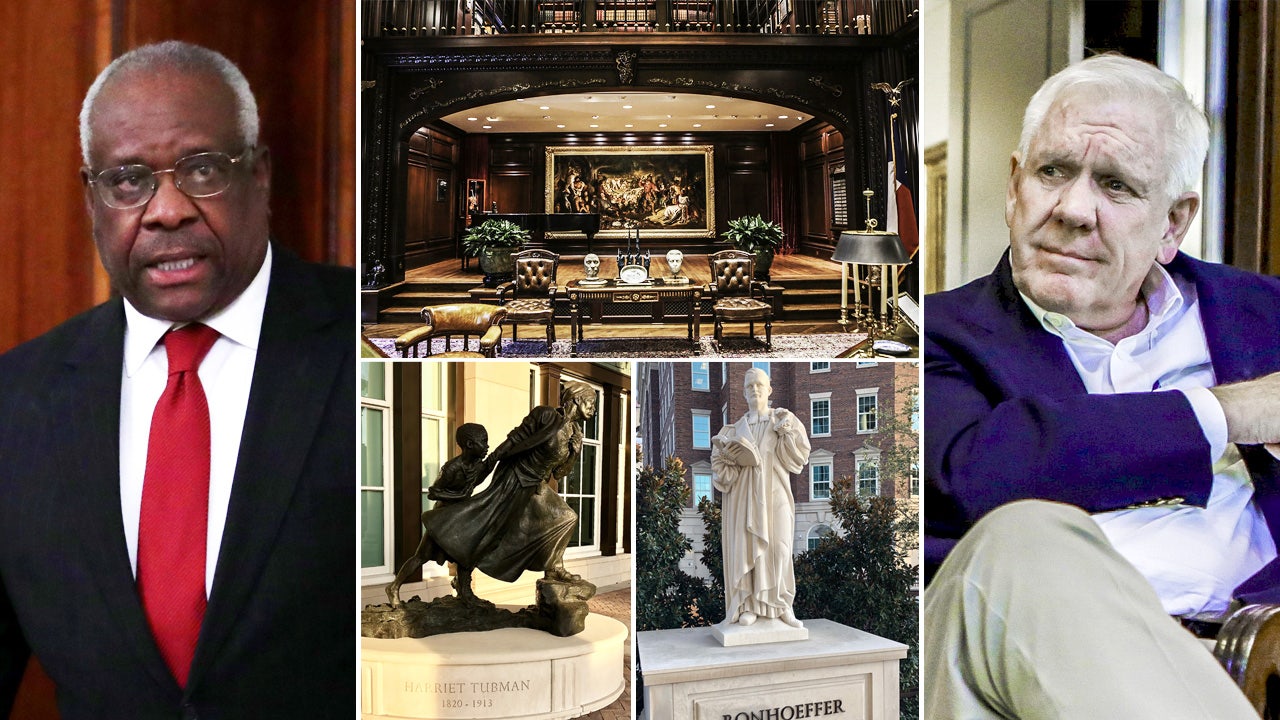
Members of the Jewish community are defending GOP donor Harlan Crow, a friend of Supreme Court Justice Clarence Thomas, after he faced criticism for possessing Nazi memorabilia in his collection of historical artifacts. Crow's friends say the media overlooked other items in his collection, including a statue of Harriet Tubman, a painting of Abraham Lincoln by Dwight Eisenhower, and a signed first edition of "Measure of a Man" by Martin Luther King Jr. Thomas defended his relationship with Crow and said he has always followed Supreme Court guidance on personal hospitality from close personal friends.