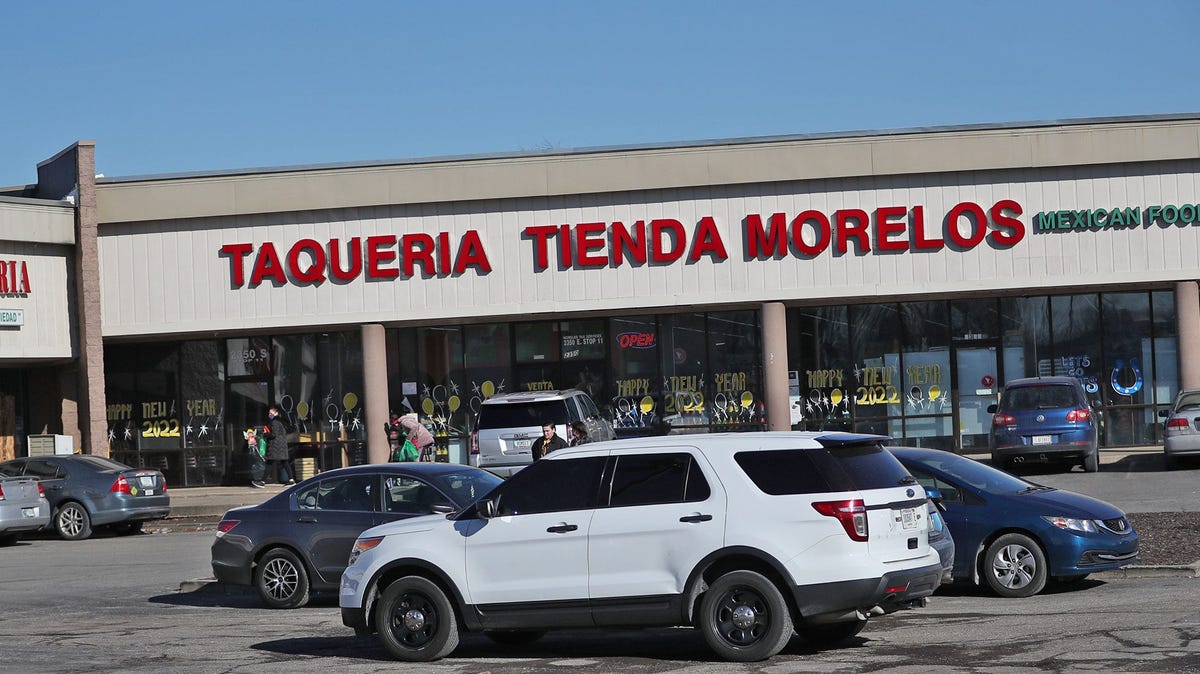
Pew Research Center's study shows that 1 in 10 restaurants in the US serve Mexican cuisine, reflecting the expanding Mexican American population, which grew by 23% in the 2010s. California and Texas are home to 40% of all Mexican restaurants, with 30% of California's Mexican restaurants located in Los Angeles County and 17% of Texas's in Harris County. The analysis also reveals that 22% of Mexican restaurants are considered "fast food," while 12% specialize in serving tacos, and 8% are food trucks. Additionally, 61% of Mexican restaurants are moderately priced, and less than 1% have a high-end rating on Yelp.

Older Hispanic adults in the US are 1.5 times more likely to have Alzheimer's or other dementias compared to their White peers, according to a report by the Alzheimer's Association. The study attributes the disparities to discrimination, structural racism, and socioeconomic factors rather than genetic factors. Health conditions like diabetes and cardiovascular disease are believed to contribute to the elevated risk of dementia among Black and Hispanic populations. The Alzheimer's Association has launched a public service campaign to raise awareness and improve access to diagnosis and care for the Hispanic population. Addressing these issues and conducting further research is crucial to reducing the risk of dementia in these groups.
The U.S. Census Bureau has confirmed that Hispanics make up the largest share of Texas' population since at least July 2022, edging out non-Hispanic white Texans by 0.4%. The milestone underscores the urgency with which the state must invest in institutions and organizations that will train and equip Latinos with the skills they need to obtain high-demand jobs, living wages, access to food, housing, and other essentials that will allow them to participate in a robust economy. However, economic and political gains have not kept up with population growth, and Hispanics living in Texas are disproportionately poor.