UniCredit, a major Italian bank, plans to distribute €6.5 billion to its shareholders after reporting increased earnings due to higher interest rates. The bank's decision reflects its confidence in its financial position and aims to reward its shareholders for their support.
Shares of US regional banks are sliding as higher interest rates are dimming the profit outlook for these institutions. The rise in rates is expected to increase borrowing costs for consumers and businesses, potentially slowing down loan demand and impacting the profitability of regional banks.
Cboe and S&P have collaborated to launch "credit Vix" indices in response to rising interest rates putting pressure on corporate entities. These indices aim to provide investors with a measure of market volatility in the credit space, similar to the Vix index for equities.
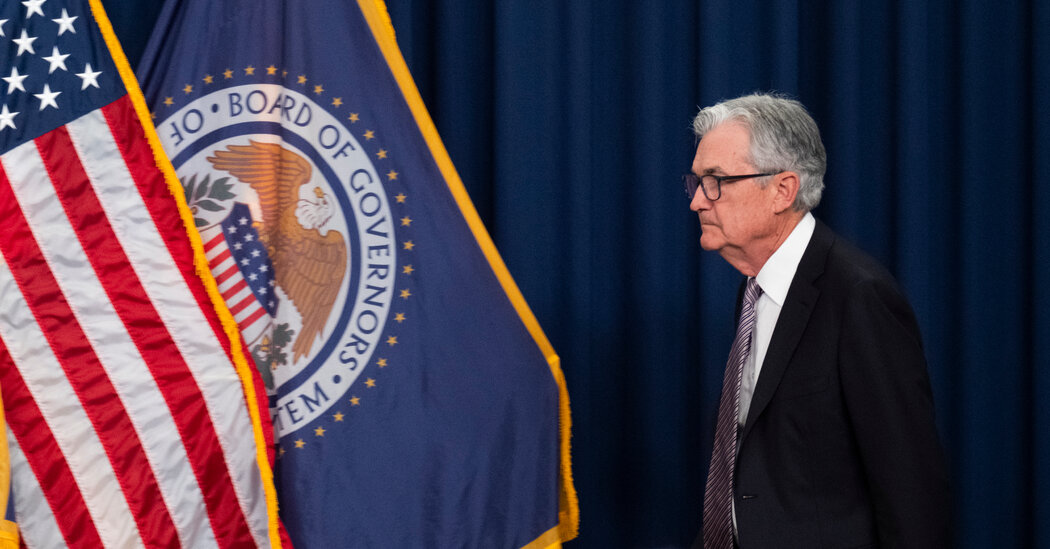
Federal Reserve officials expect borrowing costs to remain elevated for years to come, signaling that the era of ultralow interest rates may be over. While they do not anticipate rates to go much higher, they forecast their benchmark short-term interest rate to stay above 5 percent next year and nearly 4 percent by the end of 2025. This suggests that higher rates may be here to stay for years, as the economy has proven resilient to rate increases. The Fed's new outlook of "higher for longer" has implications for households, investors, and the overall economy, potentially impacting mortgage rates, corporate profitability, and government debt. However, economic forecasts are uncertain, and the Fed's rate predictions may not materialize if the economic recovery falters.
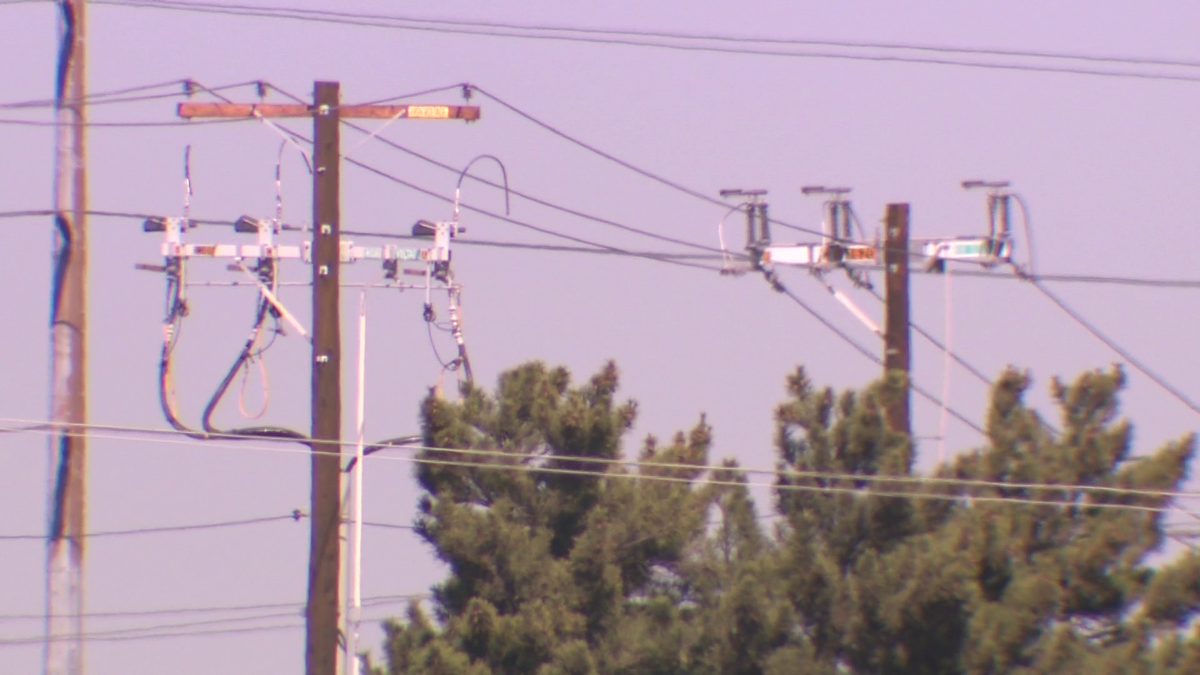
California regulators have proposed higher rates for PG&E customers in an effort to reduce the risk of wildfires. The proposed legislation would require large businesses in California to disclose their greenhouse gas emissions and climate risks, following the lead of the EU, UK, Japan, and Canada. The bill has gained support from major corporations such as Levi's, Google, and Apple. Meanwhile, negotiations between the United Auto Workers and the Big Three automakers continue, with the possibility of a strike looming. And in the entertainment industry, unions representing screen actors and actresses remain far apart from the big studios, raising concerns about the impact on the fall TV season.