Tag

High Risk Patients

All articles tagged with #high risk patients

health-policy1 year ago

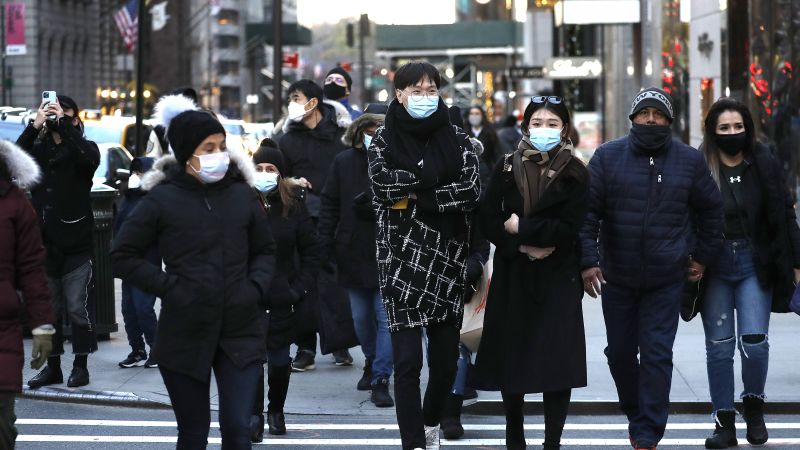
"Concerns Rise Over CDC's Plan to Ease COVID Isolation Guidelines for High-Risk Patients"

The CDC is preparing to change its covid isolation guidance, allowing people to return to work and school after being fever-free for 24 hours without medication and with improving symptoms, similar to other respiratory viruses. This has raised concerns among medically vulnerable individuals, who fear increased exposure and the end of paid leave benefits. Critics argue that covid should not be treated like other respiratory viruses due to its higher hospitalization and mortality rates, as well as long-term complications. The proposed changes have sparked debate over balancing public health and economic considerations, with some advocating for protective measures while others emphasize the need to minimize disruptions.
health2 years ago

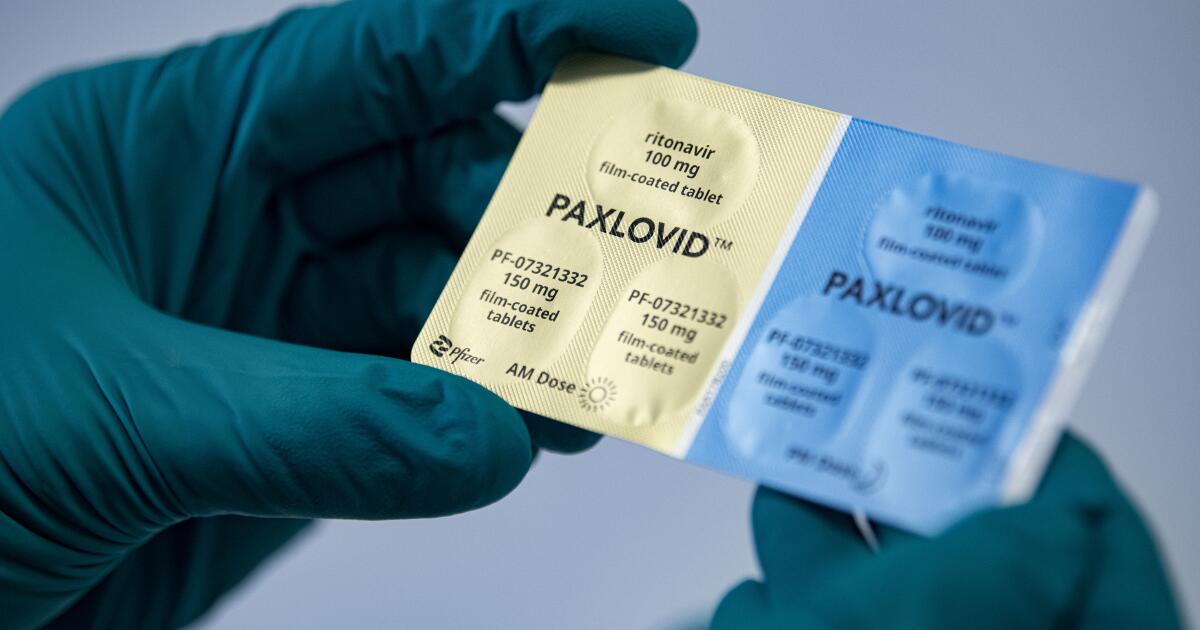
"Underutilization of Antiviral Drugs in High-Risk COVID Patients"

Despite the availability of antiviral medications like Paxlovid to reduce the risk of severe illness or death from COVID-19, studies have found that these drugs are underused, particularly among high-risk patients. Research from the VA Boston Cooperative Studies Program revealed that 80% of high-risk patients were never offered these medications, with reasons ranging from concerns about interactions with other drugs to patients having mild symptoms. Experts emphasize the importance of educating physicians and patients about the appropriate use of these drugs, especially for high-risk individuals, and urge early treatment within five days of symptom onset to prevent severe illness and hospitalization.

health2 years ago

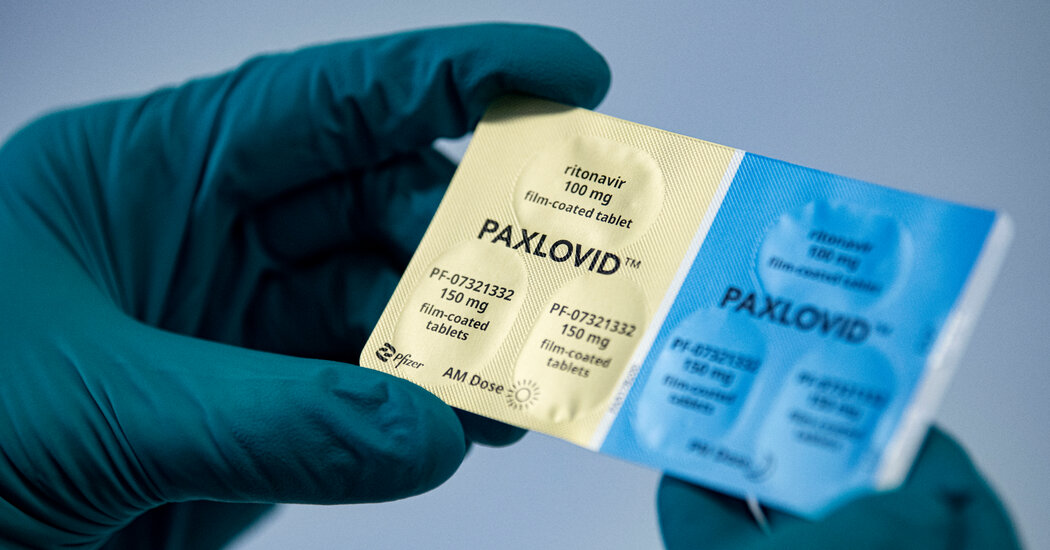
"Paxlovid: Understanding the Covid Treatment Option"

Paxlovid, an antiviral medication, has been found to significantly reduce the risk of death in high-risk Covid-19 patients. It consists of two medications that work together to stop the virus from replicating in the body. Anyone 12 or older who is considered high-risk, which includes a broad range of conditions, is a good candidate for Paxlovid. Despite its effectiveness, few people are taking the medication, possibly due to lack of awareness or concerns about potential rebound cases of Covid-19.

health2 years ago

"Promoting Lung Cancer Screenings for High-Risk Patients: A Vital Step in Saving Lives"

Lung cancer is the deadliest cancer in the United States, causing more deaths than prostate, breast, and colon cancer combined. However, only 6% of eligible patients are routinely screened for lung cancer, with some states having rates as low as 1%. The American College of Surgeons is urging high-risk individuals, such as current or former smokers between the ages of 50 and 80, to get screened. While smoking is the leading cause, about 20% of lung cancer patients in the US have never smoked. Other risk factors include genetic factors and exposure to asbestos and radon gas. Early detection through screening can significantly improve the chances of successful treatment and reduce mortality rates.

health2 years ago

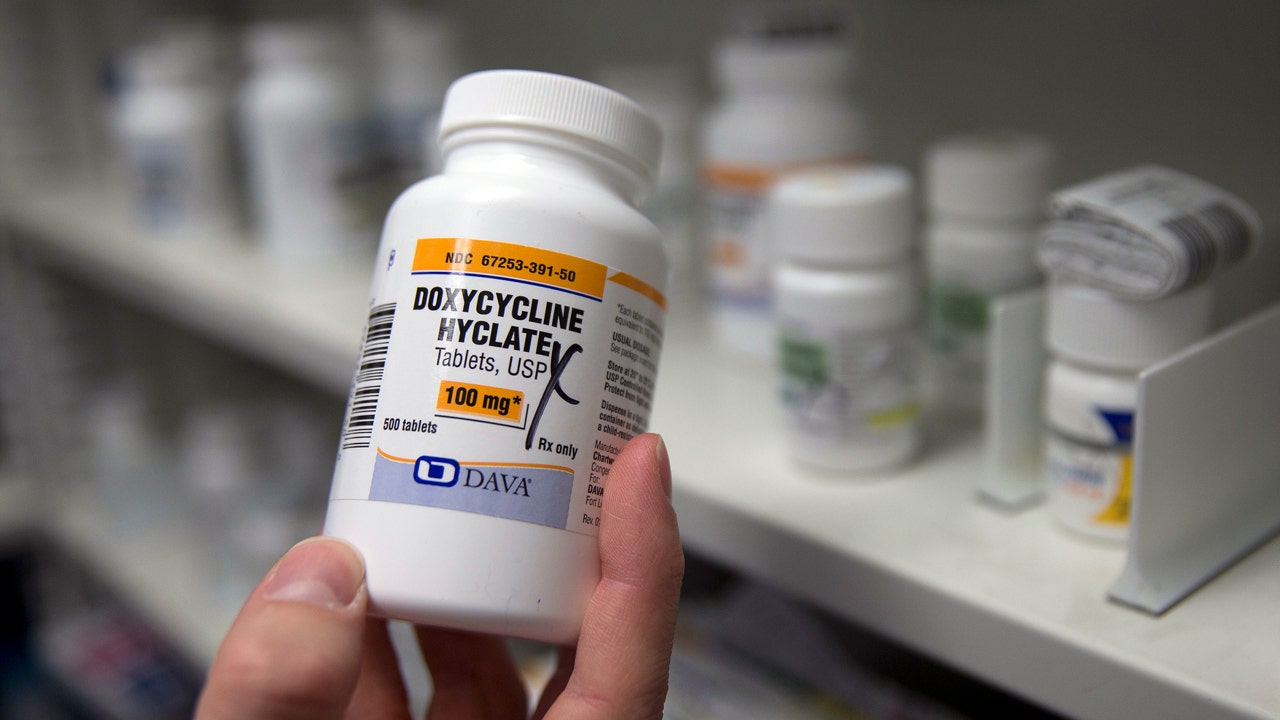
Doxycycline: A Morning-After Pill for High-Risk Patients, CDC Suggests

The Centers for Disease Control and Prevention (CDC) has proposed a new guideline suggesting that high-risk patients take the antibiotic doxycycline as a morning-after pill to reduce the risk of sexually transmitted infections (STIs). The guideline is based on studies showing that taking a single 200 milligram doxycycline pill within 72 hours of unprotected sex significantly decreases the likelihood of chlamydia, gonorrhea, and syphilis infections. The CDC emphasizes that the antibiotic is indicated only for gay, bisexual men, and transgender women. However, there are concerns that this preventive therapy may not address the underlying high-risk behaviors contributing to the increasing rates of STIs.

health2 years ago

Experts and high-risk patients warn of Covid-19 control challenges with end of data sharing.

The end of data sharing requirements and the expiration of the federal government's public health emergency declaration could make it harder to control Covid-19, according to experts and high-risk patients. The overall state of the US public health data infrastructure is a concern, with some shared data requirements coming to an end and private projects stopping data collection. The CDC is negotiating information-sharing agreements with state and local governments and lobbying for legal power to access data from both public and private parts of the healthcare system.