
The U.S. GDP growth of 4.3% in Q3 may be overstated due to unusual inflation data in the video game sector and tariff-related import adjustments, with significant contributions from health care spending and potential distortions in recreation-related software and accessories prices.
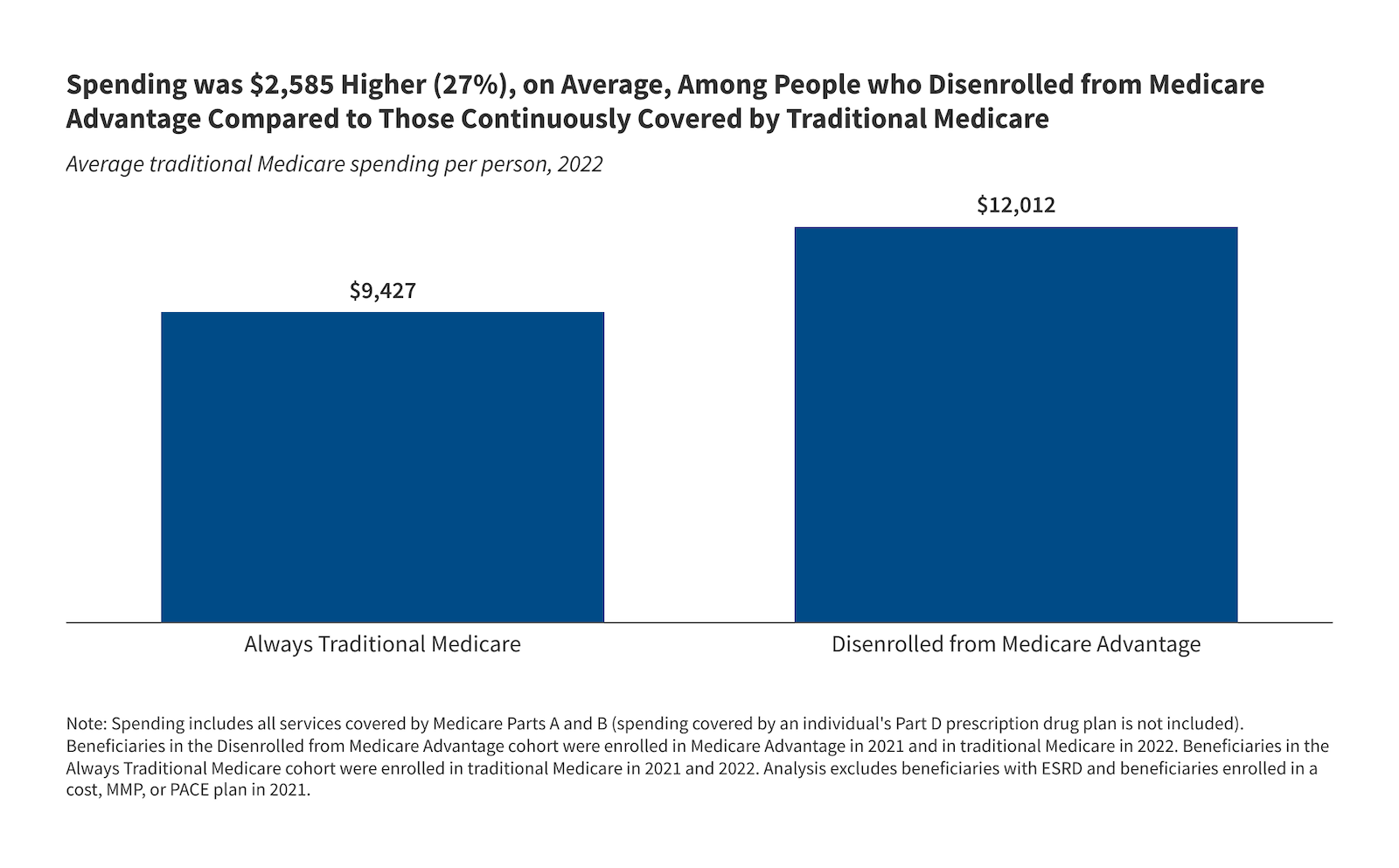
A KFF analysis reveals that Medicare spending is 27% higher for individuals who disenroll from Medicare Advantage and switch to traditional Medicare compared to those who remain in traditional Medicare. This spending disparity, averaging $2,585 per person, persists across various health conditions and demographics, with significant differences noted among older adults, racial minorities, and dual-eligible beneficiaries. The study raises questions about the factors driving disenrollment from Medicare Advantage, the challenges of obtaining supplemental insurance, and the implications for Medicare's financial sustainability.
The healthcare industry continues to grapple with rising costs, with healthcare spending in the US reaching $4.3 trillion in 2021. While there have been significant advancements in medicine, such as wonder drugs like aspirin and antibiotics, there is still a lack of magic pills that can cure major diseases. Chronic diseases, which account for 86% of healthcare costs, remain a significant challenge, particularly with the high prevalence of obesity among American adults.
The standard monthly premium for Medicare Part B will increase by $9.80 per month in 2024, reaching $174.70. The annual deductible for Part B will also increase to $240. These adjustments are primarily due to projected increases in healthcare spending. The changes in premiums and deductibles will impact the Social Security cost-of-living adjustment and affect beneficiaries' Medicare Part B payments. High-income beneficiaries will pay more for Part B based on their modified adjusted gross income. Additionally, Medicare Part A costs, which cover inpatient hospital care, will also increase in 2024.
Medicare Part B premiums will increase by nearly $10 in 2024, with the standard monthly premium rising to $174.70. The increase is mainly due to projected increases in healthcare spending and proposed payments to hospitals serving disadvantaged patients. The annual Part B deductible will also rise to $240. This premium increase will result in retirees seeing a monthly bump of less than $50 in their Social Security benefits, which will have a 3.2% cost-of-living adjustment for 2024.
Pickleball, the fastest-growing sport in the US, could lead to a rise in healthcare spending this year, with UBS analysts estimating that anywhere from $250 million to $500 million in medical spending could be due to pickleball injuries by 2023. The majority of pickleball injury patients in the US are aged 50 and up, with over half of pickleball players in the US estimated to have an income of $100,000 or more. However, rising healthcare spending could also be due to pent-up demand following the pandemic.
The average lifespan in America has reached a low of 76 years, with maternal mortality at its highest point in 2021 and a distressing rise in mortality rates among American children and adolescents. Americans across the board are dying at younger ages compared to their counterparts in other prosperous nations, revealing the "U.S. health disadvantage." Despite scientific excellence, innovation, and substantial healthcare spending, the U.S. population continues to experience declining health and diminishing life expectancy. The medical supply chain in the U.S. is plagued by inefficiencies, leading to adverse consequences for healthcare providers and patients.