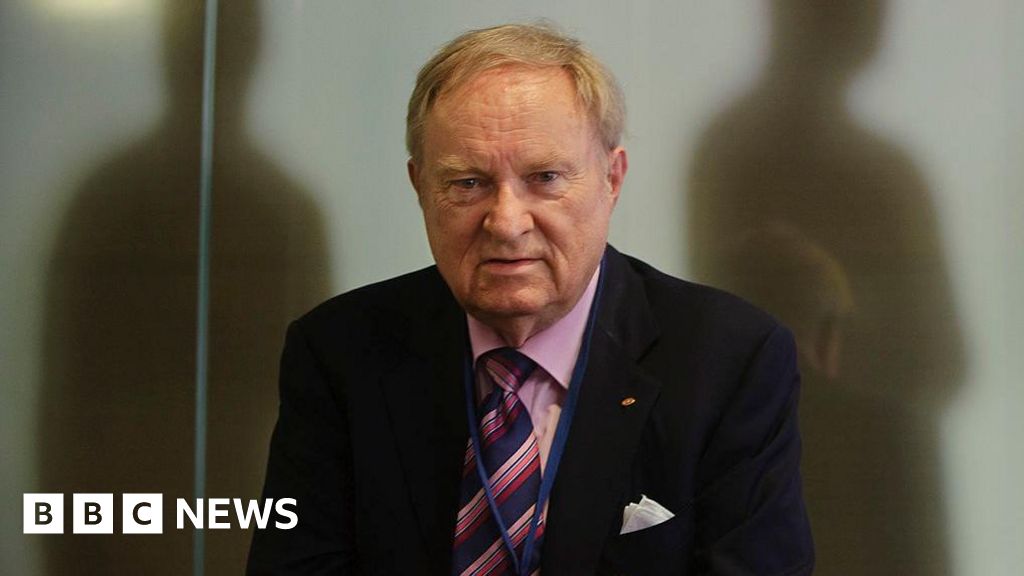
Ludwig Minelli, the founder of Swiss right-to-die organization Dignitas, has died by assisted suicide at age 92, leaving a legacy of advocating for self-determination and human rights in end-of-life choices. The organization continues his work, emphasizing dignity and legal rights surrounding assisted dying.
Maureen Slough, a woman from Ireland, traveled secretly to Switzerland to end her life through assisted suicide, leaving her family devastated and seeking answers about how her decision was made without their knowledge, amid concerns over her mental health and the verification process of the organization involved.
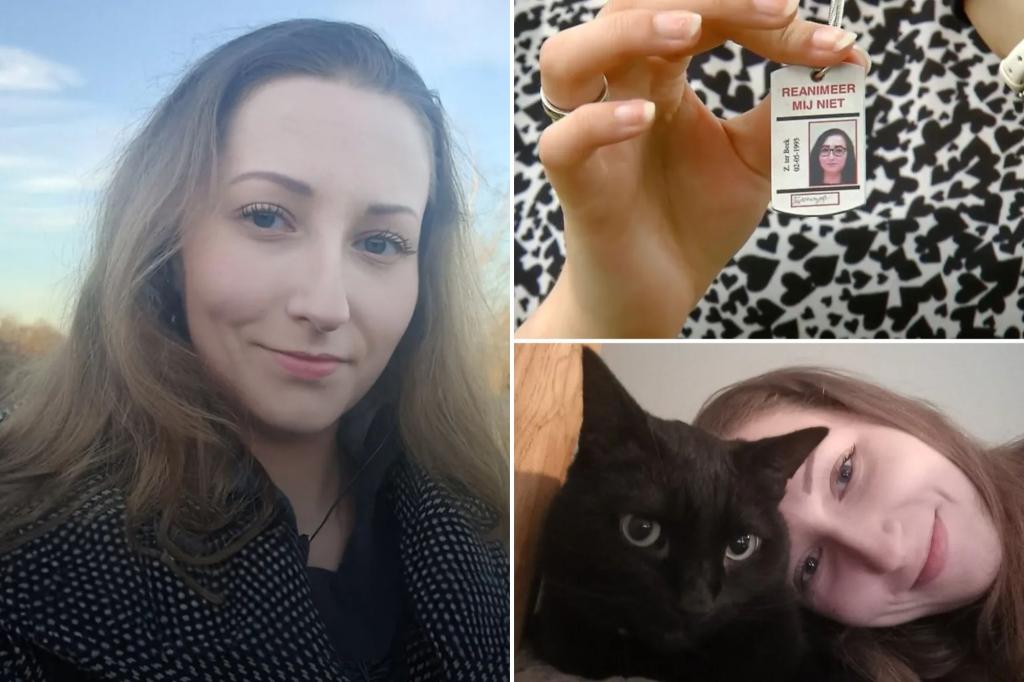
Zoraya ter Beek, a 29-year-old Dutch woman diagnosed with autism and suffering from severe mental health issues, died by assisted suicide after a three-year wait for approval. Despite being physically healthy, her unbearable psychological suffering led her to seek euthanasia, which is legal in the Netherlands under strict conditions. Ter Beek, who had a history of depression, anxiety, and an unspecified personality disorder, believed in the safety and necessity of the Dutch euthanasia laws but opposed the availability of unregulated "suicide kits."
A 29-year-old Dutch woman, Zoraya ter Beek, who struggled with severe mental health issues including autism, depression, and anxiety, died by assisted suicide after a three-year wait for approval. Despite being physically healthy, she experienced "unbearable suffering with no prospect of improvement," a requirement for legal euthanasia in the Netherlands. Ter Beek had long desired to end her life due to lifelong bullying and feeling out of place, and she saw herself as an advocate for the Dutch euthanasia program.
Canada has postponed the extension of its assisted suicide program to include people with solely mental illness due to a lack of doctors, particularly psychiatrists, to evaluate those wishing to die. The controversial policy, which would allow anyone with an incurable medical condition to apply for assisted suicide, has divided Canadians and raised concerns about the lack of adequate psychiatric care in the country. Health officials cited the need for more time to train professionals and prepare the healthcare system, delaying the previously scheduled expansion.
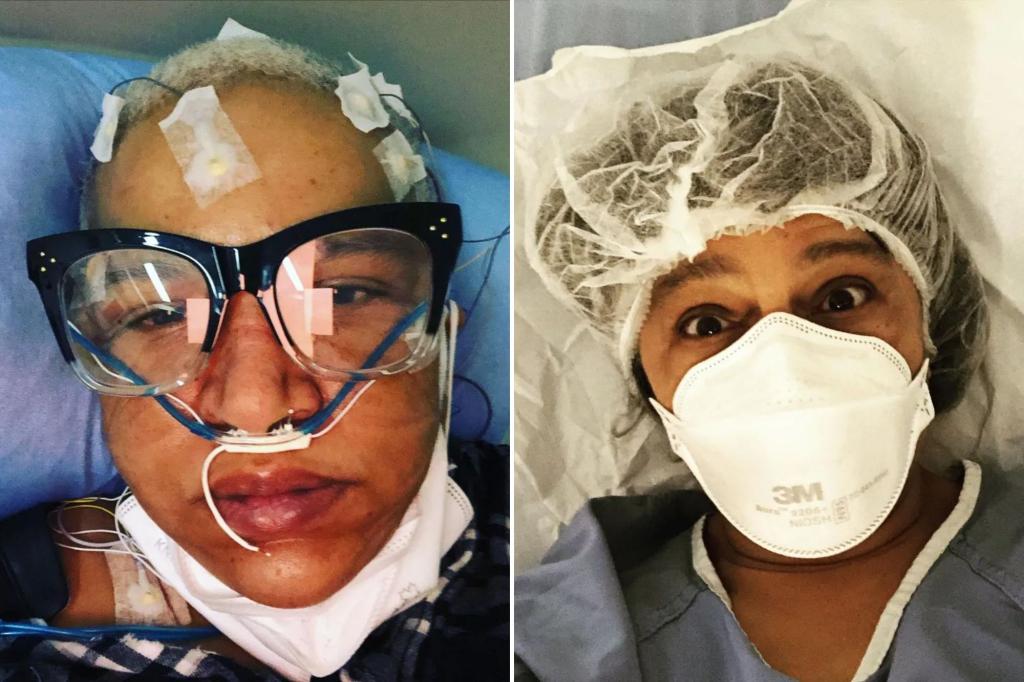
Canada has postponed plans to expand medically assisted dying to include people suffering solely from mental illness due to a lack of doctors, particularly psychiatrists, available to evaluate such cases. The controversial policy, which some fear could lead to desperate suicides, currently allows those with incurable medical conditions to apply for assisted suicide. The delay comes amid controversy over a Boston Globe columnist's involvement in a retired nurse's assisted suicide. The country's medically assisted dying law is one of the most liberal globally, with over 13,000 Canadians choosing this option in 2022.
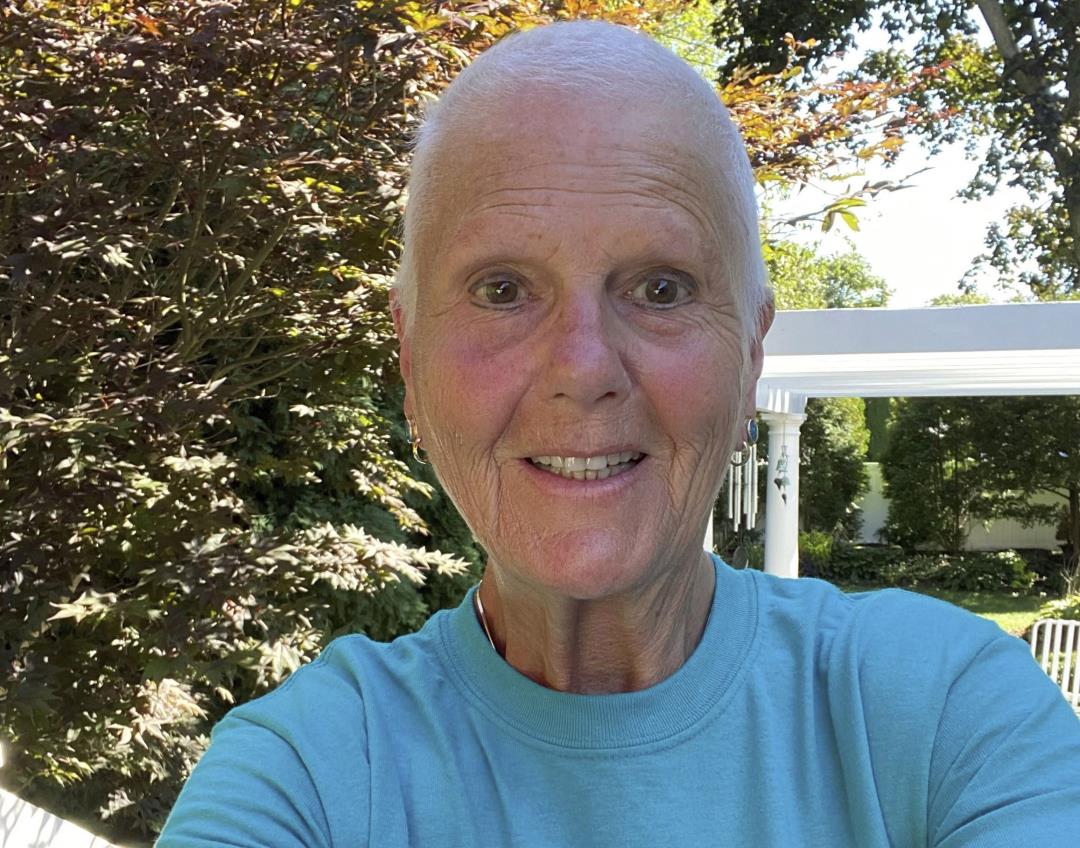
Lynda Bluestein, a 76-year-old Connecticut woman with terminal cancer, ended her life in Vermont under its medically assisted suicide law, which she successfully pushed to change to allow nonresidents to access the service. She passed away peacefully, as per her wishes, after taking a prescribed lethal dose of medication. Vermont is among the few places in the U.S. with such a law, which includes strict safeguards and is available to those with a prognosis of six months or less to live. Bluestein's advocacy efforts aimed at providing individuals with agency over their end-of-life decisions, a choice she was grateful to have in her final moments.
Tracey Thompson, a Canadian woman suffering from long COVID, has applied for assisted suicide through Canada's Medical Assistance in Dying (MAiD) program. The debilitating effects of the disease have left her bedridden for most of the day, unable to perform basic tasks or enjoy life. Thompson, who has depleted her life savings and faces financial strain, applied to end her life primarily due to her circumstances rather than a desire to die. The MAiD program, which allows individuals with incurable diseases to choose euthanasia, has faced controversy as it expands to include more groups, including terminally ill minors.
David Hunter, a British man, has been cleared of murdering his seriously ill wife in Cyprus. Instead, he was convicted of manslaughter after suffocating his wife, who had blood cancer, at their home near Paphos. Hunter maintained that her death was assisted suicide, as his wife had begged him to end her suffering. He will be sentenced on July 27, with a possibility of receiving a suspended sentence and returning to the UK to live with his daughter.
Dr. Jennifer Gaudiani, a Denver-based doctor specializing in eating disorders, has argued that medically assisted suicide should be an option for patients with "terminal" anorexia nervosa. She has already recommended it to at least two patients. Gaudiani believes that anorexia can be brutally lethal and that denying patients access to Medical Assistance in Dying (MAID) could lead to horrific slow deaths. Critics express concern about giving anorexia patients the option of assisted suicide, as most eating disorders are treatable. The debate raises questions about medical ethics, the irreversibility of eating disorder damage, and the capacity of individuals with severe mental illness to make decisions about their own bodies.