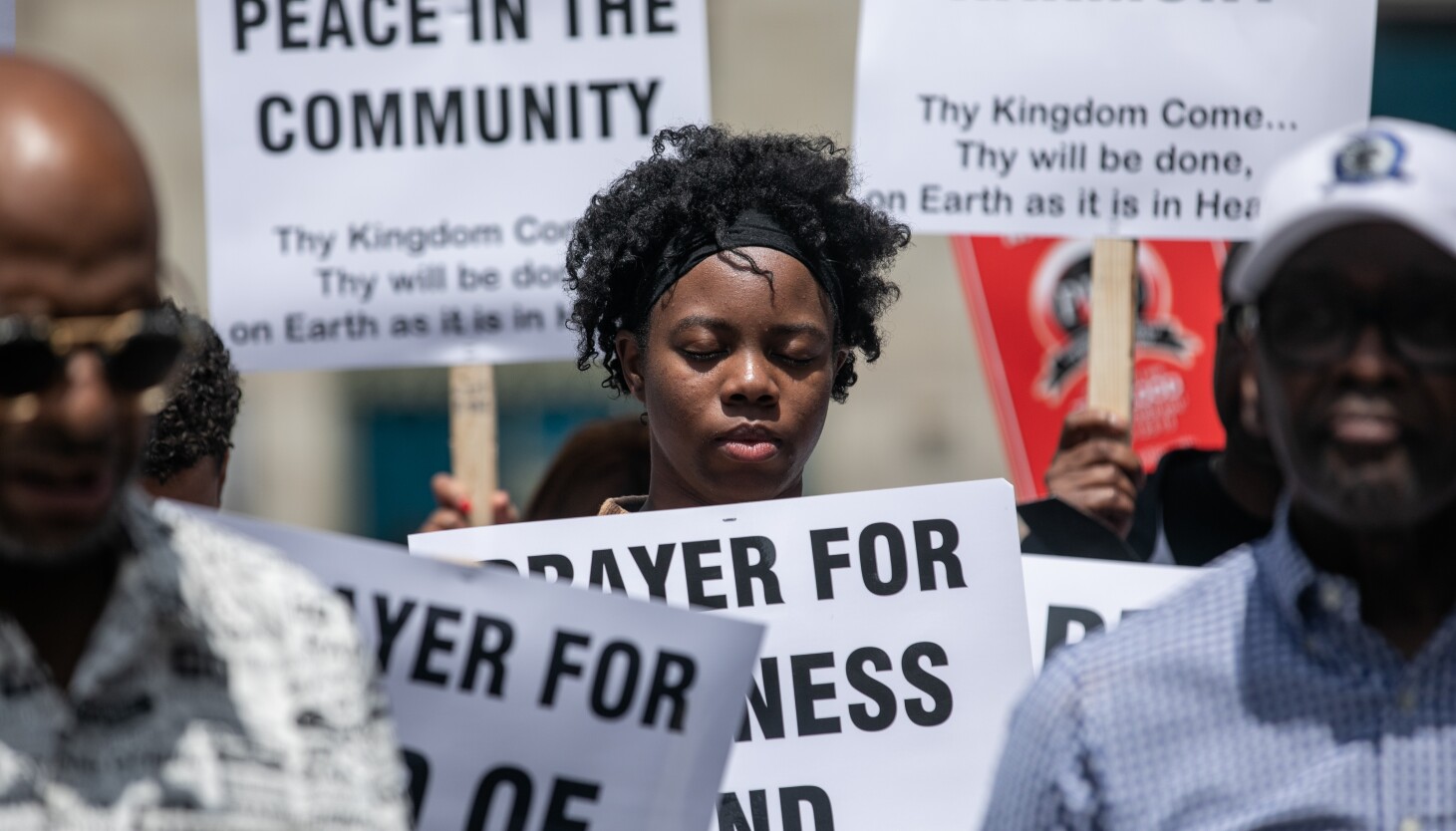
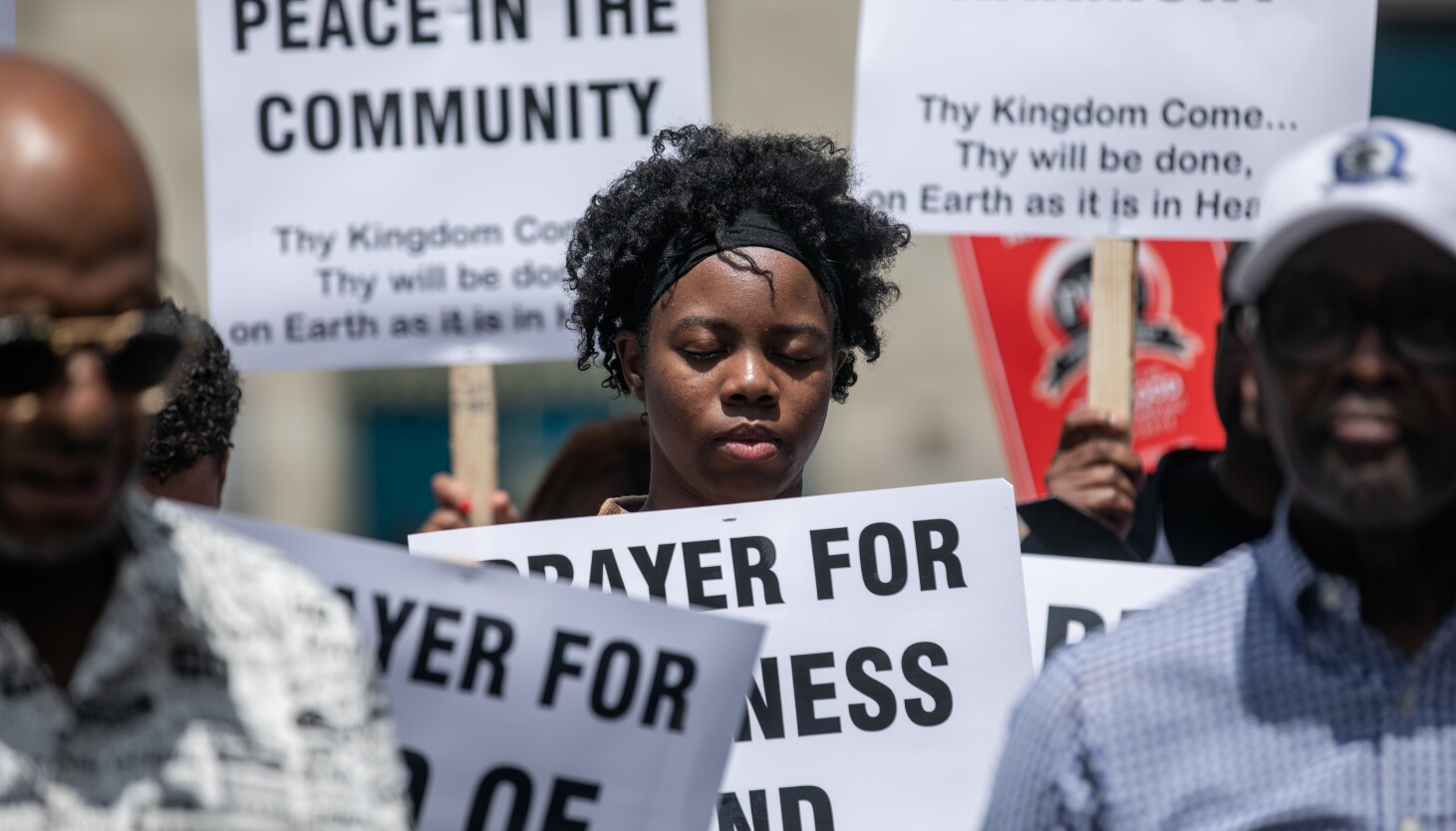
Chicago experienced its lowest summer murder rate since 1965, with overall violent crime near a four-decade low, despite threats from the Trump administration to deploy federal agents and the National Guard, which local officials and community members largely see as unnecessary given the positive crime trend and ongoing community-based efforts.
Chicago experienced its lowest summer murder rates since 1965, with overall violent crime decreasing significantly, despite threats from the Trump administration to deploy federal agents and the National Guard, which many community leaders and officials believe are unnecessary given the positive crime trends and ongoing local efforts.
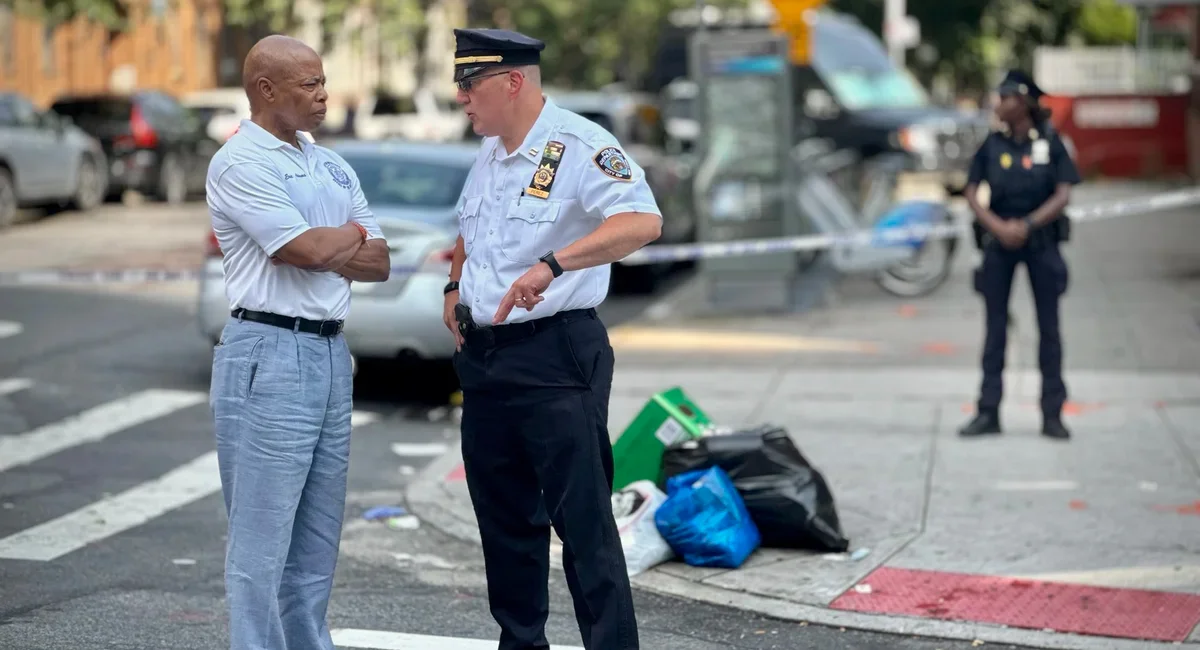
City officials in Brooklyn are warning of potential retaliation after a mass shooting at a hookah bar that left three dead and nine wounded, with authorities suspecting gang involvement and emphasizing the need for community-based violence prevention efforts.
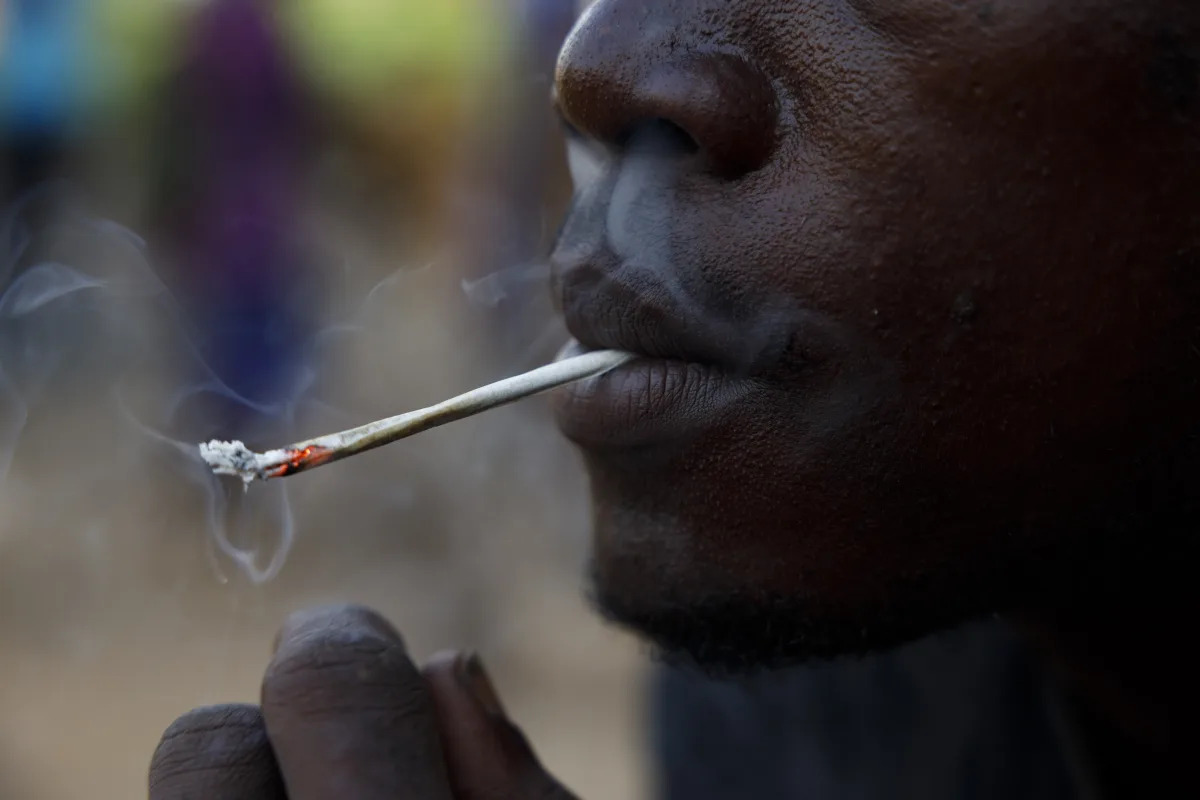
In Sierra Leone, a synthetic drug called kush is devastating the youth, leading to severe addiction and health issues. With limited healthcare services, communities have resorted to extreme measures, including chaining addicts, to combat the crisis. The government has declared a war on kush, but the drug's changing composition and widespread availability complicate efforts. Community volunteers and organizations are stepping in to provide makeshift rehabilitation, but the situation remains dire, affecting families and the nation's future workforce.
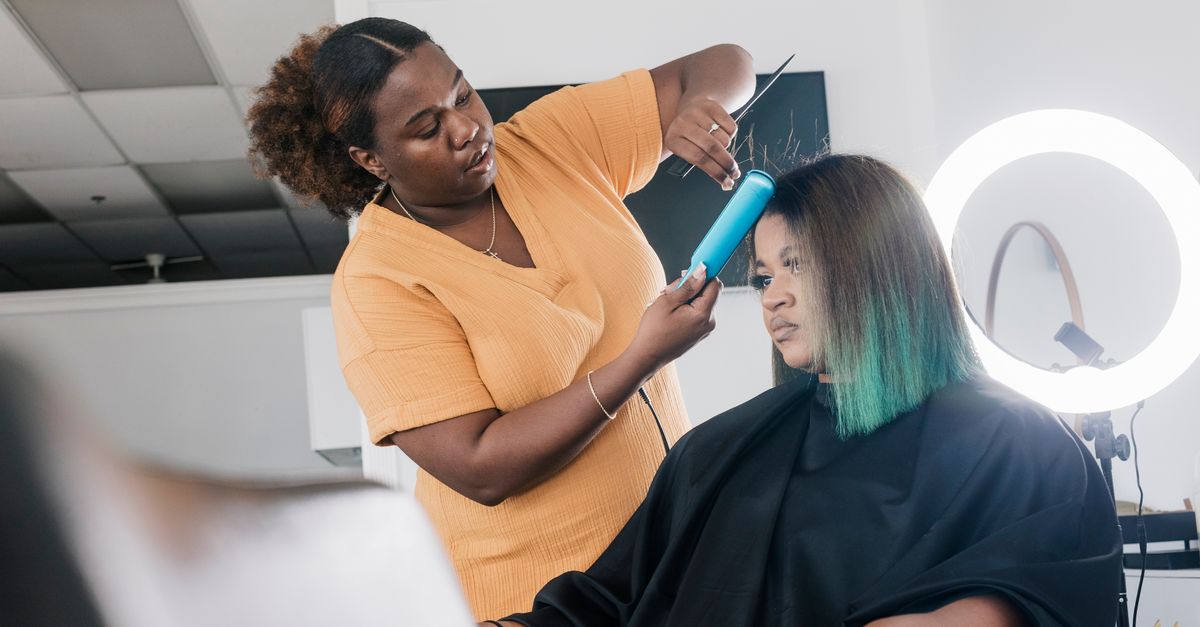
Beauty and barber shops, as trusted spaces in the Black community, have the potential to play a crucial role in preventing HIV infections among Black women. A study suggests that discussing HIV prevention and PrEP in hair salons can increase awareness and knowledge of the drug among Black women, addressing misconceptions and increasing access to PrEP. The initiative, called UPDOs Protective Styles, provides salon stylists with training, resources, and signage to facilitate conversations about HIV and PrEP. The study highlights the need for culturally responsive HIV prevention strategies tailored to Black women, who face barriers such as medical mistrust, systemic racism, and lack of access to healthcare. By utilizing community spaces like beauty salons, we can empower Black women with information and promote self-care.