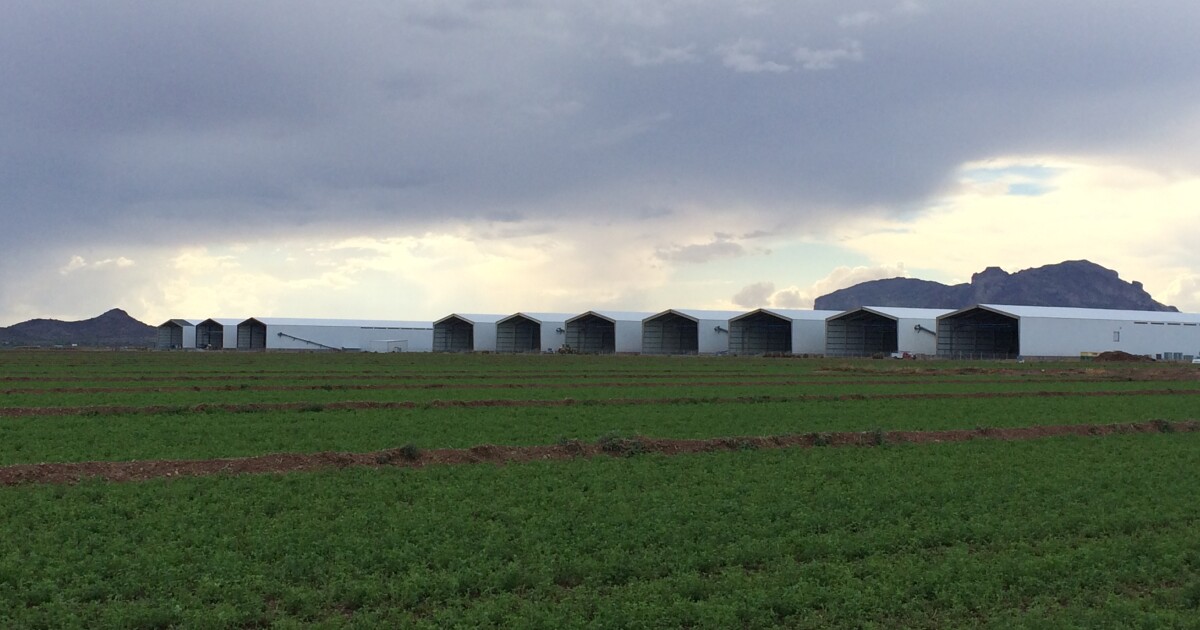
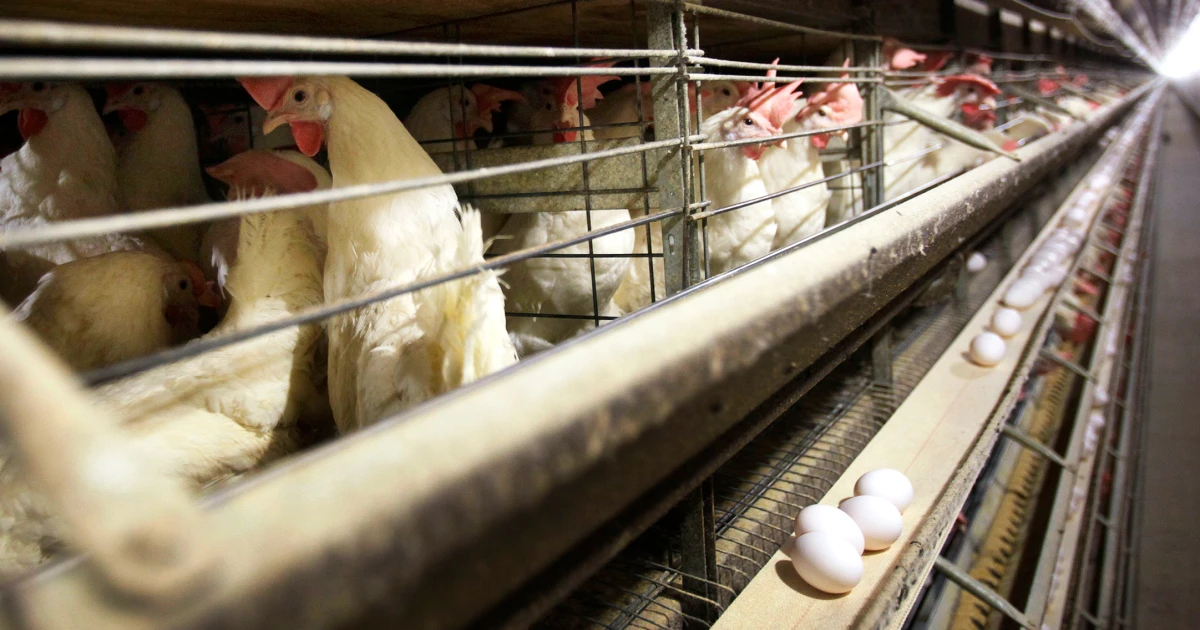
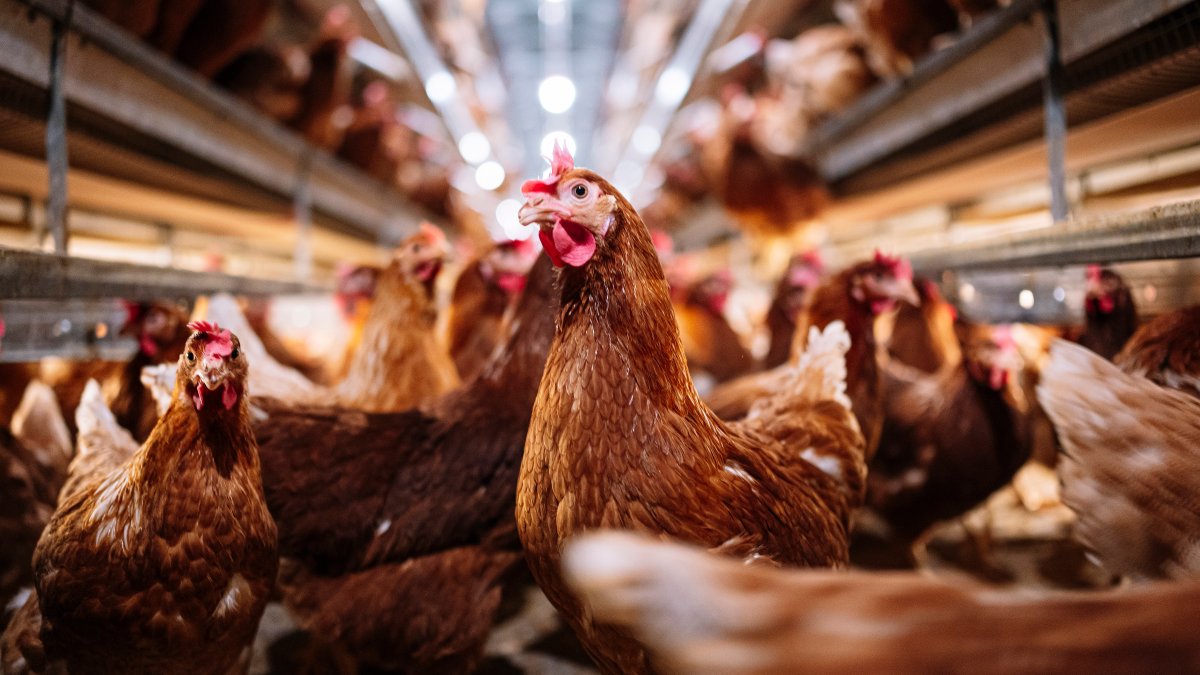
Hickman's Family Farms, the largest egg producer in the Southwest, has lost 95% of its Arizona chickens—about 6 million birds—due to a bird flu outbreak, prompting calls for vaccination approval and an estimated two-year rebuild period, amid ongoing concerns about avian influenza's impact on the poultry industry.
More than 4 million chickens in Iowa will be culled after bird flu was detected at a large egg farm, adding to a yearslong outbreak that has now affected dairy cattle as well. The US Department of Agriculture reports that 92.34 million birds have been killed since 2022. Despite the spread, health officials state the risk to the public remains low, and a new CDC dashboard has been launched to monitor the virus.
Iowa is set to cull 4.2 million chickens after a bird flu outbreak at a large egg farm, contributing to the 92.34 million birds killed since 2022. The virus has also spread to dairy cattle, raising additional concerns, though officials maintain that the risk to the public remains low.
Highly pathogenic avian influenza (bird flu) outbreaks have been confirmed in dairy herds across Ionia, Isabella, and Ottawa counties in West Michigan, following the year's first case in Montcalm County. The virus, which has affected over 85 million birds nationwide, is highly contagious and can spread from infected wild birds to other animals. While the commercial milk supply is deemed safe due to pasteurization and federal animal health requirements, those suspecting avian flu in their domestic animals are urged to contact the Michigan Department of Agriculture and Rural Development immediately.
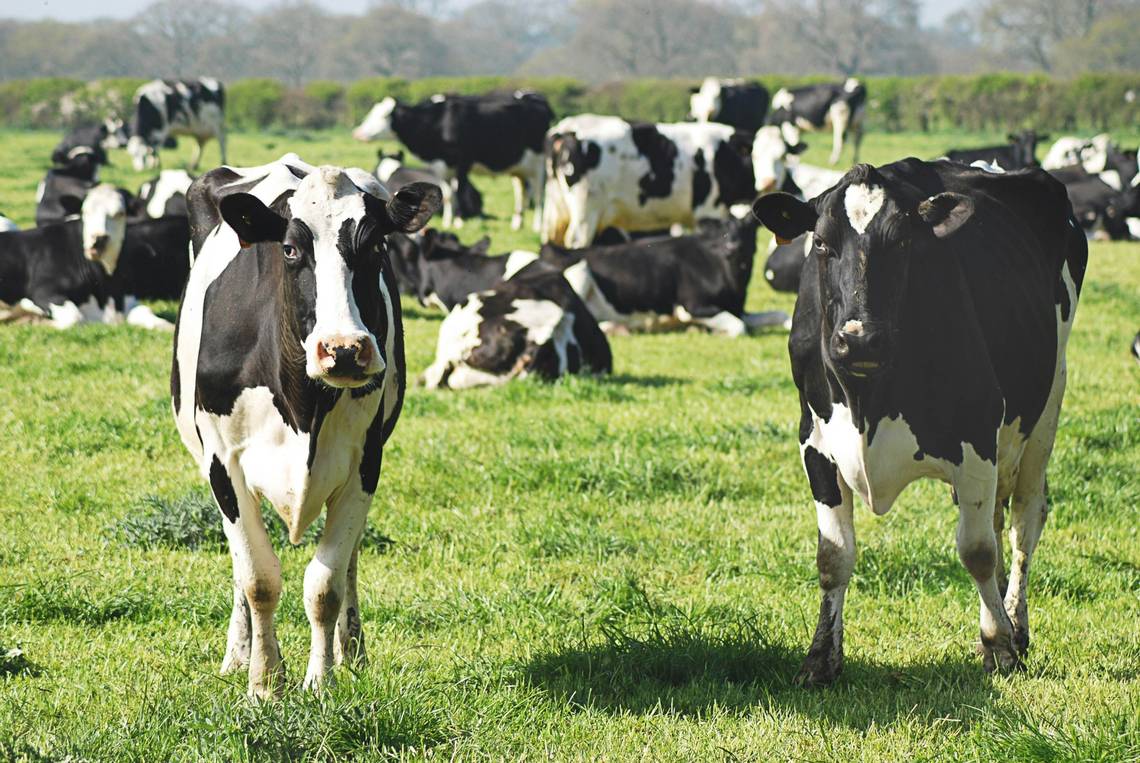
The U.S. Department of Agriculture has reported cases of highly contagious bird flu, H5N1, in dairy cow populations across six states, including Texas, Idaho, New Mexico, Kansas, Michigan, and Ohio. While the virus is considered "highly pathogenic" in birds, the risk to humans remains low, with the CDC stating that it is not a significant threat to the general public. The virus is believed to have originated from wild migratory birds, and while it spreads easily among animals, it is not easily transmitted to humans. Farmers are advised to monitor their cattle for signs of infection, and the FDA has issued a reminder that unpasteurized milk from infected animals could lead to infection. Despite the cases, both the FDA and USDA have stated that the loss of milk from infected animals is not significant enough to impact the supply of dairy products or consumer prices.
Cal-Maine Foods, the largest US fresh egg producer, has halted production at a Texas plant after bird flu was found in chickens, resulting in the destruction of approximately 1.6 million laying hens and 337,000 pullets. The company is working with government officials and industry groups to mitigate future outbreaks and minimize disruption to customers. There is no known bird flu risk associated with eggs currently in the market, and state and national agencies are providing updated guidance. Additionally, a person in Texas has been diagnosed with bird flu after contact with infected cows, marking the first known instance of a person catching this version of bird flu from a mammal.
A 5-year-old buck on a Sheboygan County deer farm has tested positive for chronic wasting disease, a fatal neurological disease affecting deer, elk, and moose. The farm is now quarantined as authorities conduct an epidemiological investigation, and the Wisconsin Department of Agriculture, Trade and Consumer Protection regulates the farm for disease testing and movement.