Endangered galaxy frogs in Kerala, India, have disappeared after habitat destruction caused by photographers who handled and removed logs containing the frogs, leading to the death of some and the loss of their habitat, raising concerns about ethical wildlife photography and conservation efforts.
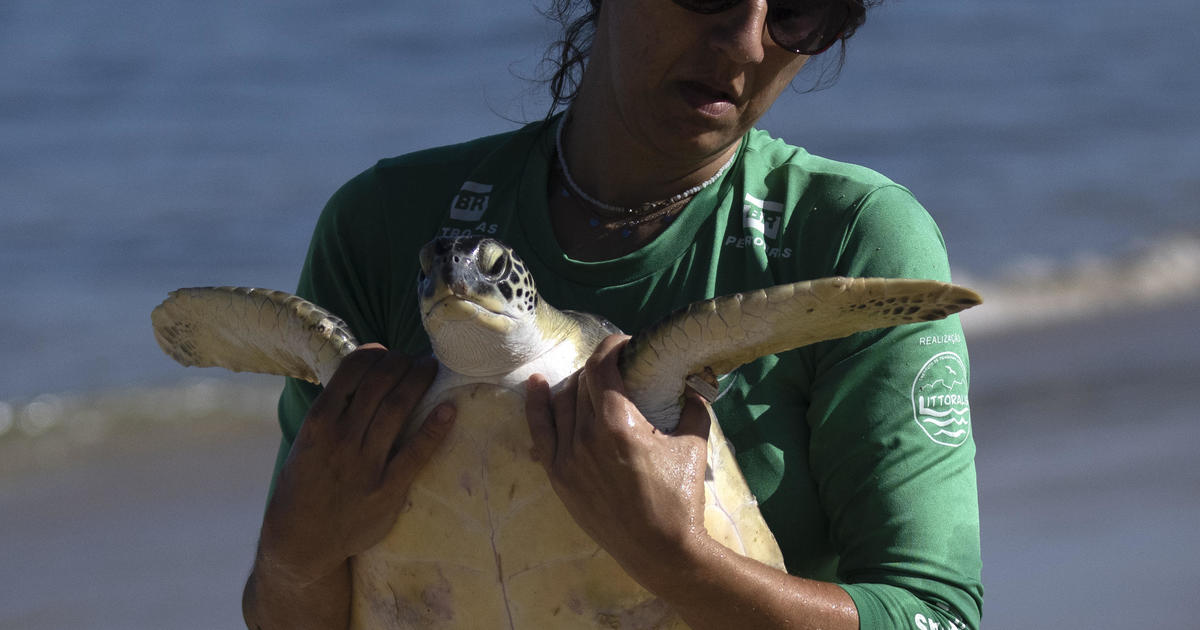
The first-ever State of the World's Migratory Species assessment, focusing on 1,189 species, reveals that one in five migratory species is threatened with extinction, with 44% experiencing population declines due to human activities such as habitat destruction, hunting, and pollution. Climate change also poses a threat by altering migration routes and timings. Over 130 countries are meeting in Uzbekistan to address these issues, as iconic species like the monarch butterfly and humpback whale face peril due to unsustainable human activities.
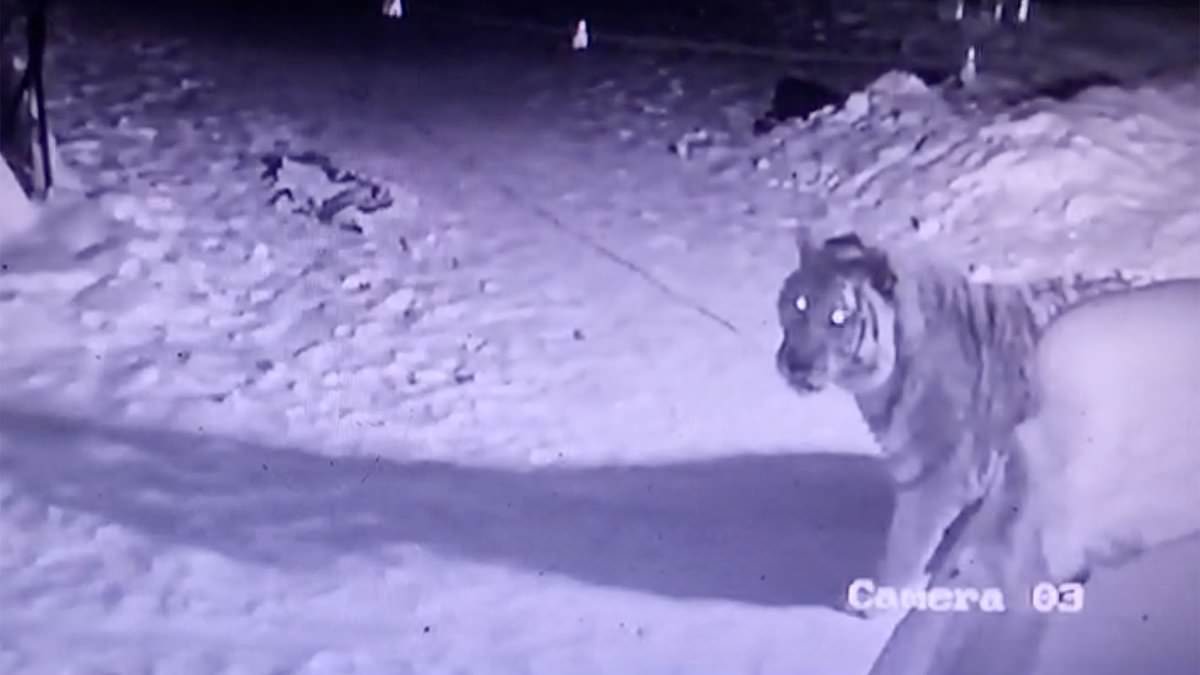
Tigers in Russia, saved from extinction by Vladimir Putin, have been involved in a series of attacks on humans and dogs, with two people killed and several injured. The population of endangered Amur tigers has risen to over 750 in the wild, posing a threat to villagers. The attacks are attributed to habitat destruction, poaching, and a decline in the tiger's natural prey. Wildlife experts suggest that the destruction of the tiger's habitats, excessive hunting of their prey, and disease have contributed to the increased attacks.
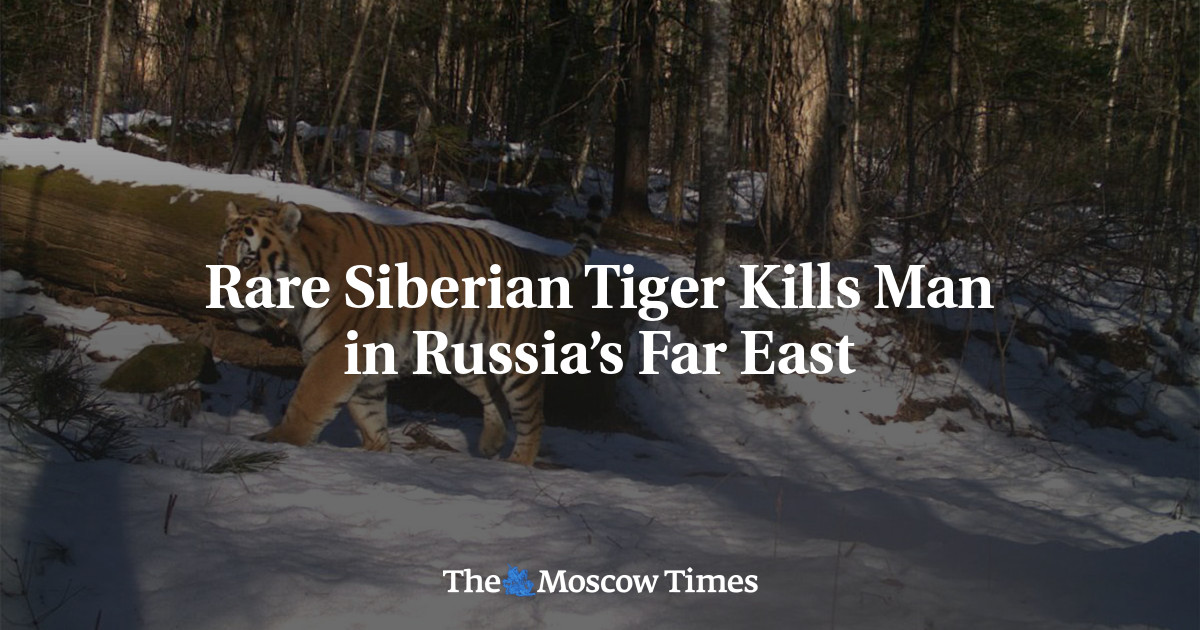
A wild Siberian tiger, also known as an Amur tiger, killed a man in Russia's Far Eastern region of Khabarovsk. The tiger had entered a village and killed the man's dog, prompting him to follow the animal into a nearby forest where he was later found dead. Authorities have reported an increase in tiger encounters, which experts believe is due to habitat destruction, excessive hunting of prey, and African swine fever. Residents have called for better protection against Siberian tigers, and Russian President Vladimir Putin has been a vocal advocate for their conservation.
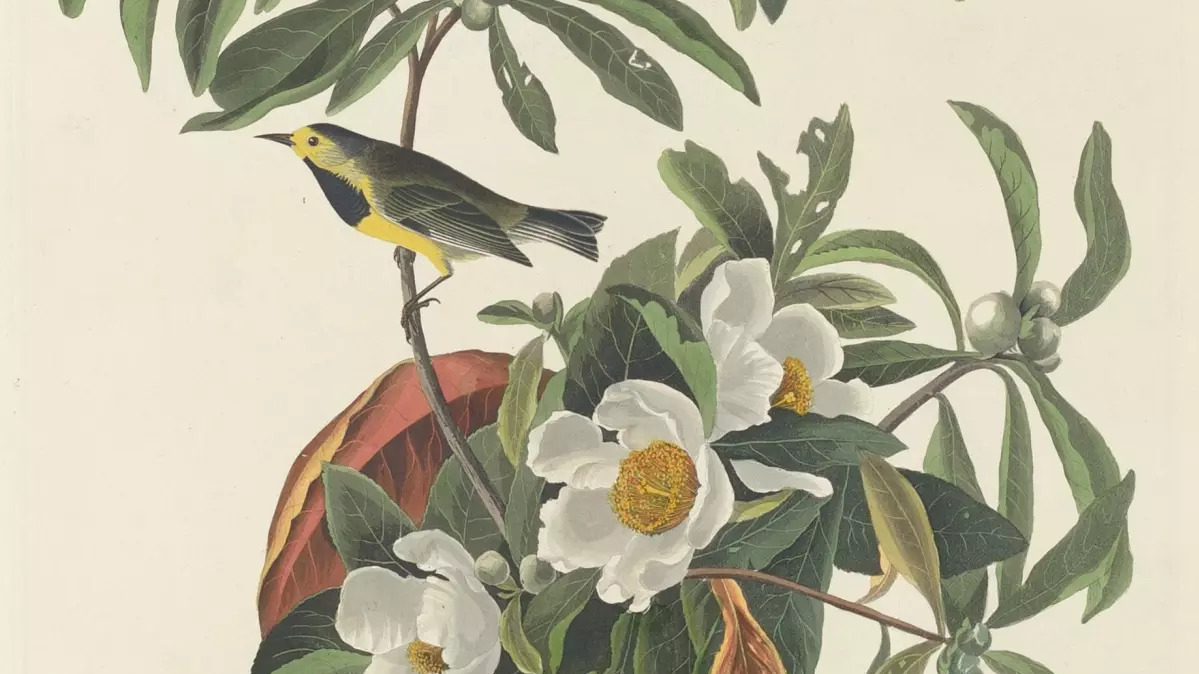
The U.S. Fish and Wildlife Service has declared 21 species, including birds, a bat, and several mussels, as extinct. These species were previously on the national list of threatened and endangered species. Factors such as habitat destruction, climate change, pollution, invasive species, and inadequate conservation efforts have contributed to their decline. While 99% of animals on the endangered and threatened list have not reached extinction, this serves as a reminder of the importance of conserving imperiled species before it's too late.
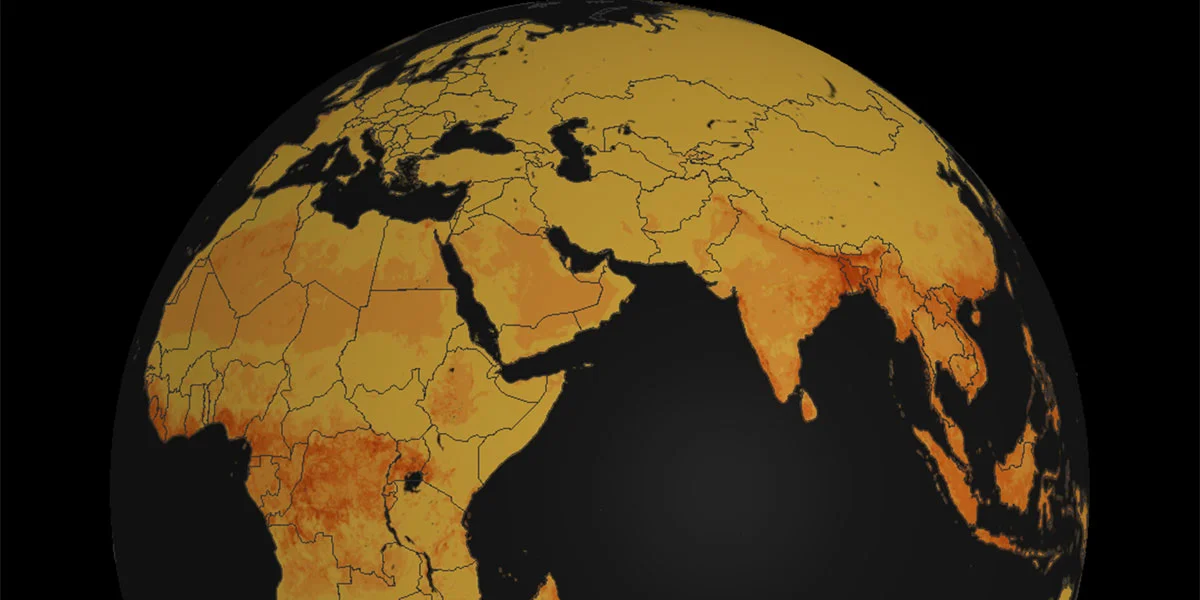
Destruction of bat habitats worldwide is increasing the risk of a new pandemic as bats are carriers of tens of thousands of viruses. Reuters conducted a global analysis to identify areas most vulnerable to spillover of bat viruses, dubbing them "jump zones." These areas cover 6% of Earth's land mass and are mostly tropical locales rich in bats and undergoing rapid urbanization. Nearly 1.8 billion people lived in these jump zones in 2020, an increase of 57% since 2002, putting more than 1 billion people at risk.
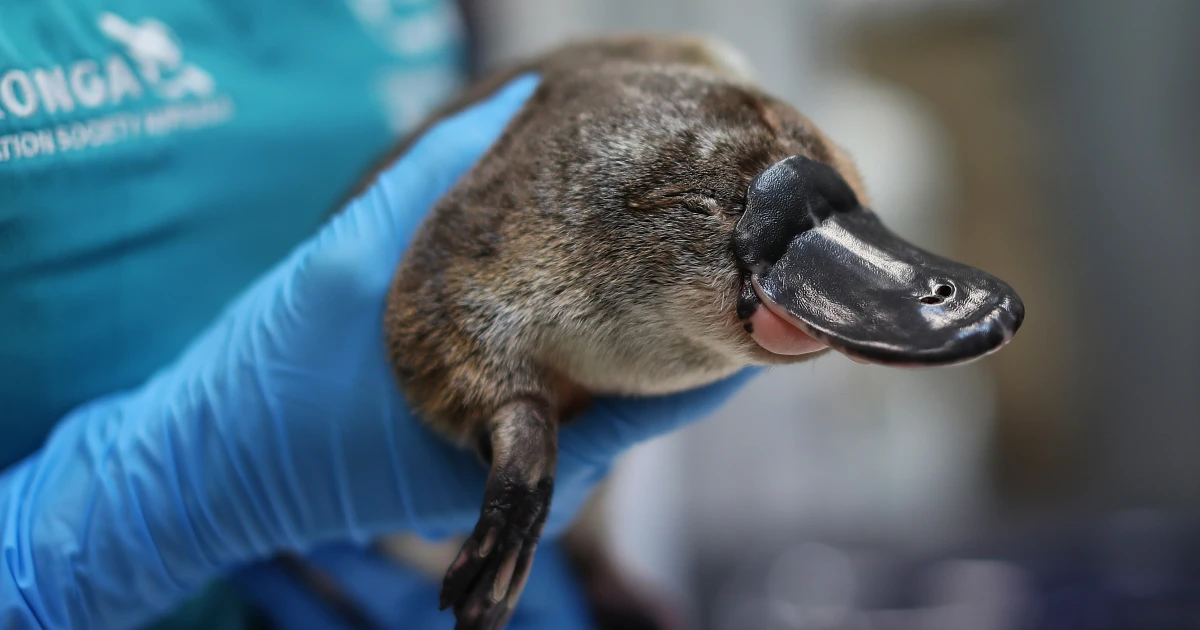
Four female platypuses were reintroduced into Australia's Royal National Park, just south of Sydney, after disappearing from the area for over 50 years. The relocation is a collaborative effort between the University of New South Wales, Taronga Conservation Society Australia, WWF-Australia, and the NSW National Parks and Wildlife Service. The platypus is increasingly threatened by habitat destruction, river degradation, feral predators, and extreme weather events such as droughts and bushfires. Each platypus will be tracked for the next two years to better understand how to intervene and relocate the species in the event of drought, bushfire, or flood.
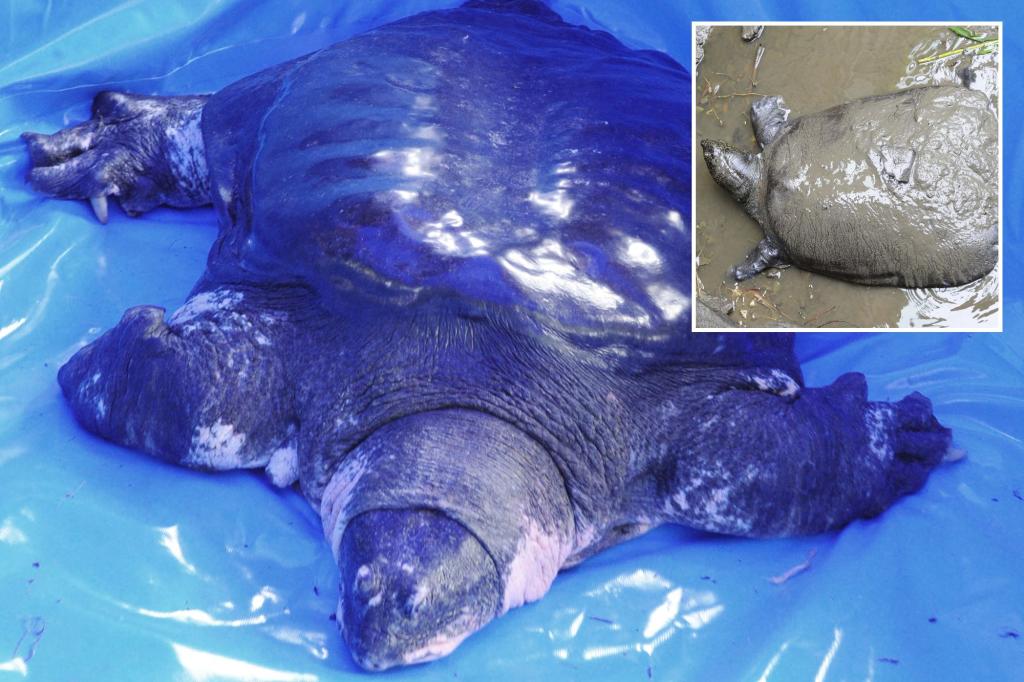
The last known female Yangtze giant softshell turtle has been found dead in Vietnam, leaving the species on the brink of extinction. Only two known living Yangtzes remain on earth, both males, and one suffers from impotence. The species was decimated by habitat destruction and illegal turtle hunting. Researchers are holding out hope that there may be another Yangtze stealthily living in Dong Mo. Conservationists suggest that the species could be brought back from the brink of extinction with the help of advanced cloning technology.