The CDC has ended its emergency response to H5N1 bird flu due to a decline in cases, with no human cases reported since February 2025, and will continue surveillance and response activities under normal programs.
Experts warn that pandemic preparedness in the US has significantly deteriorated under the Trump administration, with weakened health agencies, reduced surveillance, and poor communication increasing the risk of uncontained outbreaks and a future pandemic.
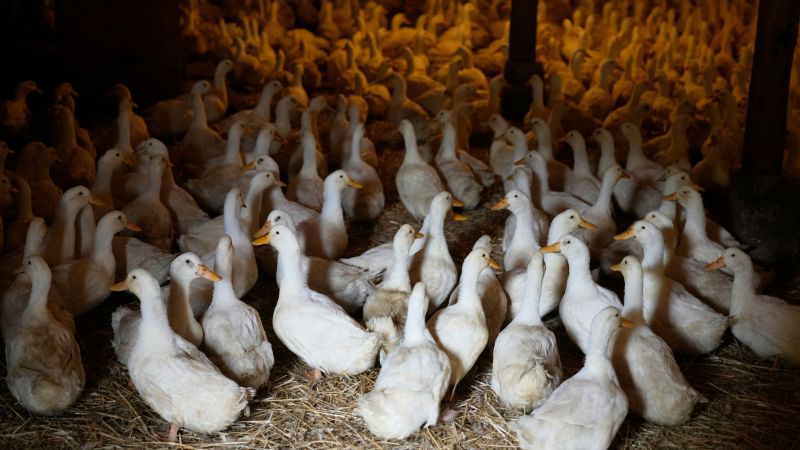
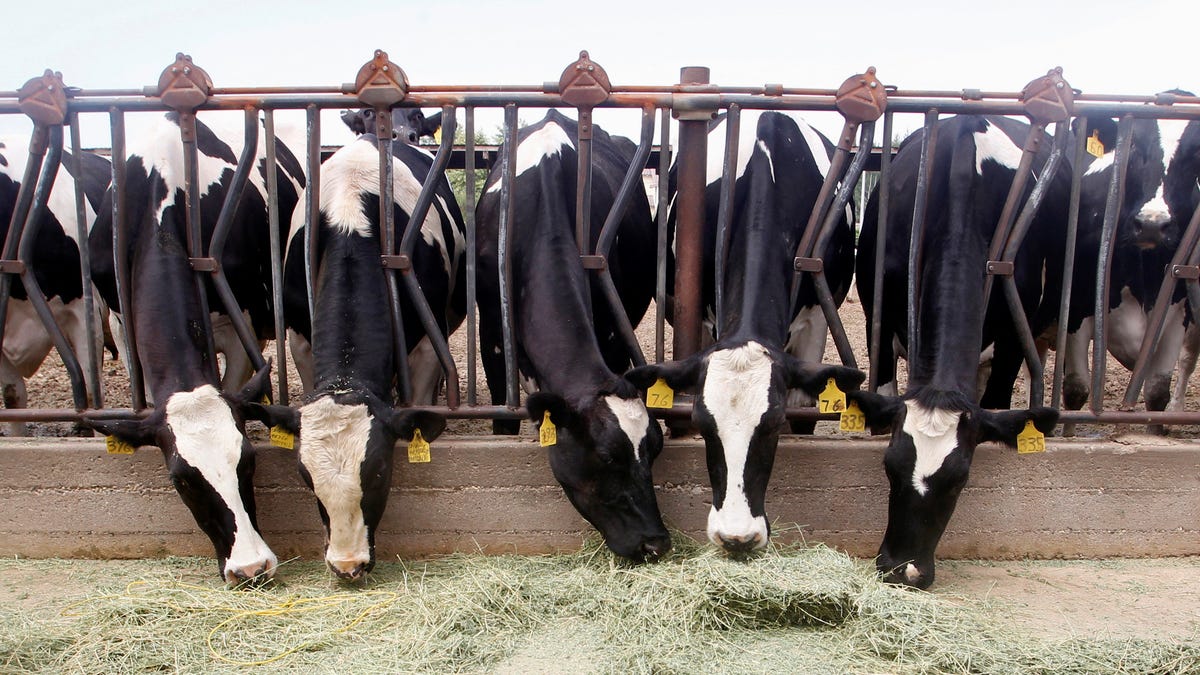
Researchers are developing an mRNA-based vaccine for the H5N1 bird flu virus, which is spreading rapidly among poultry and cattle and has infected two humans in the U.S. The mRNA technology allows for faster vaccine development compared to traditional methods. A study showed the experimental vaccine induced a strong antibody response in animals, providing the same level of protection as traditional vaccines. U.S. officials are considering vaccinating farm workers in close contact with the virus, with 4.8 million doses already prepared from a national stockpile.
Researchers are developing an mRNA-based vaccine for the H5N1 bird flu, which is spreading rapidly among poultry and cattle and has infected two humans in the U.S. The mRNA technology allows for faster vaccine development compared to traditional methods, with the experimental vaccine showing strong antibody responses in animal studies. U.S. officials are considering vaccinating farm workers in close contact with the virus.
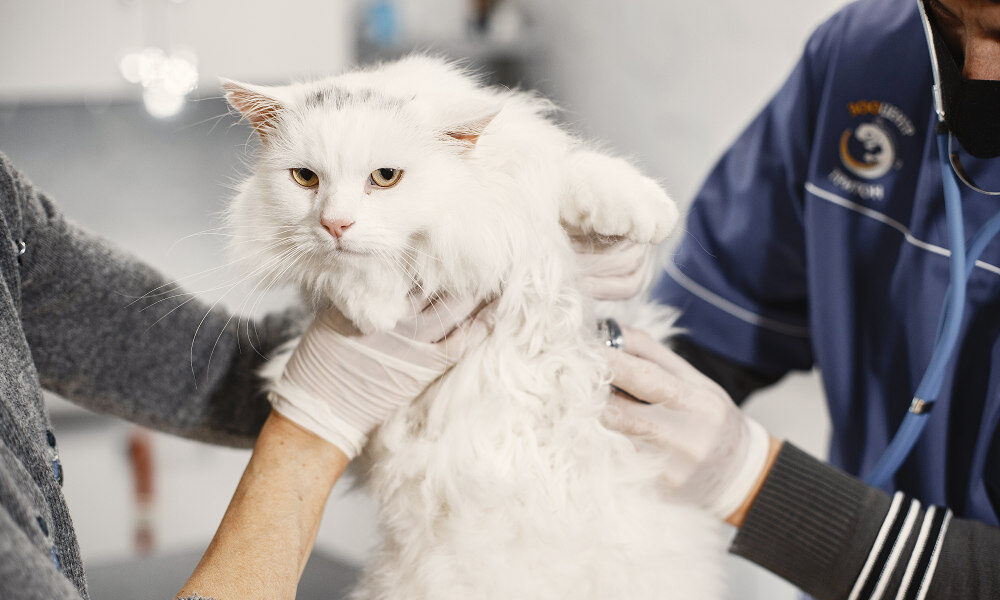
At least nine cats in Poland have died of H5N1 bird flu, with dozens of similar cases reported across the country. The source of infection has not yet been identified, and it is still unknown whether any cases were the result of cat-to-cat transmission. Poland's chief veterinary officer has advised owners to keep cats indoors and prevent contact with wild animals, including birds. The outbreak appears atypical given the number of cats affected, and concerns have been raised about the possibility of a future variant leading to human-to-human transmission.