
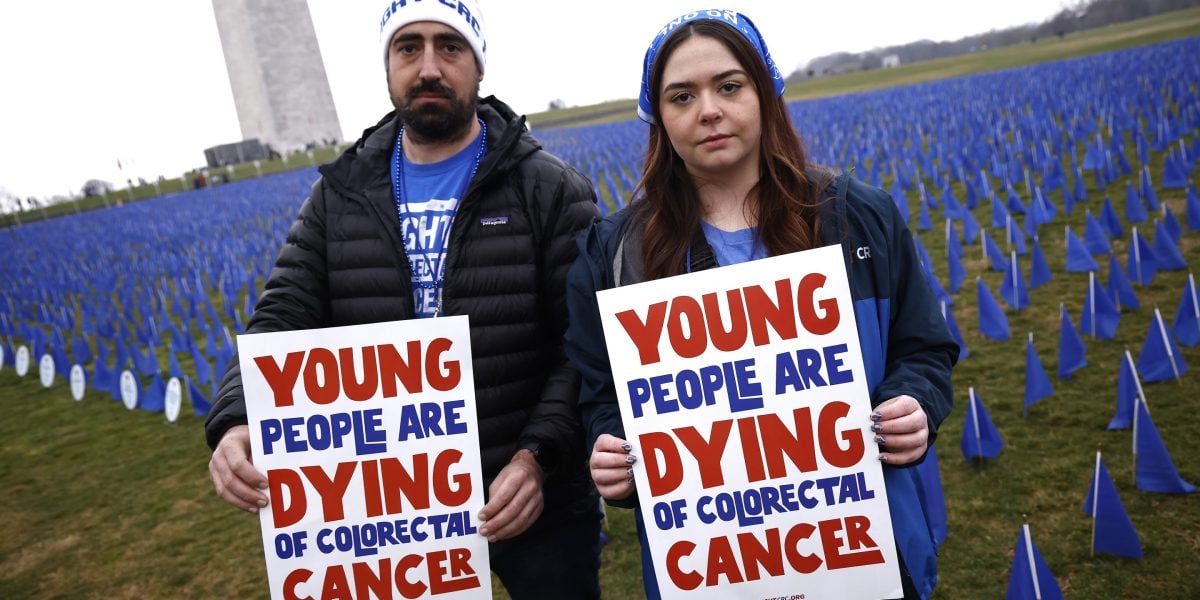
Research published in the Annals of Oncology reveals that bowel cancer deaths among young adults in Europe, particularly Millennials and Gen Xers, are predicted to rise due to factors such as obesity, alcohol consumption, and reduced physical activity. In the U.S., colon cancer diagnoses and deaths among adults under 50 have been increasing, with Millennials at twice the risk of colorectal cancer compared to Baby Boomers. Lifestyle changes and early screenings are recommended to reduce the risk of colorectal cancer.
Barry Blumenthal, a Gen Xer, retired from his job at Merrill Lynch to pursue his passion for skateboarding full time. Despite leaving his corporate career behind, Blumenthal continues to find fulfillment and joy in skateboarding, showcasing how the sport can be a lifelong pursuit for some individuals.
A recent study from the National Institute on Retirement Savings reveals that many Gen Xers are facing a significant retirement shortfall, with the typical household having an average of $243,332 saved, but a median balance of only $40,000. Individual savings are even lower, with an average account balance of $129,994 and a median balance of $10,000. The study highlights the lack of pension plans, multiple economic crises, stagnant wages, rising costs, and the burden of student debt as contributing factors. Additionally, homeownership, which can reduce spending in retirement, is a challenge for younger Gen Xers, with 71% still renting. Social Security funds are projected to run out by 2034, further complicating retirement planning for this generation.
A recent survey by Allianz Life revealed that 74% of Americans no longer consider Social Security a reliable source of income in retirement, and 88% believe it is critical to have another source of guaranteed income beyond these benefits to have a comfortable retirement. The survey also found that inflation and rising costs are causing concern for Americans, with 78% citing this as a concern, and 66% worried that it will be too late to have a comfortable retirement if they don't increase their retirement savings soon. Gen Xers were found to be the most worried about their long-term financial stability and retirement.