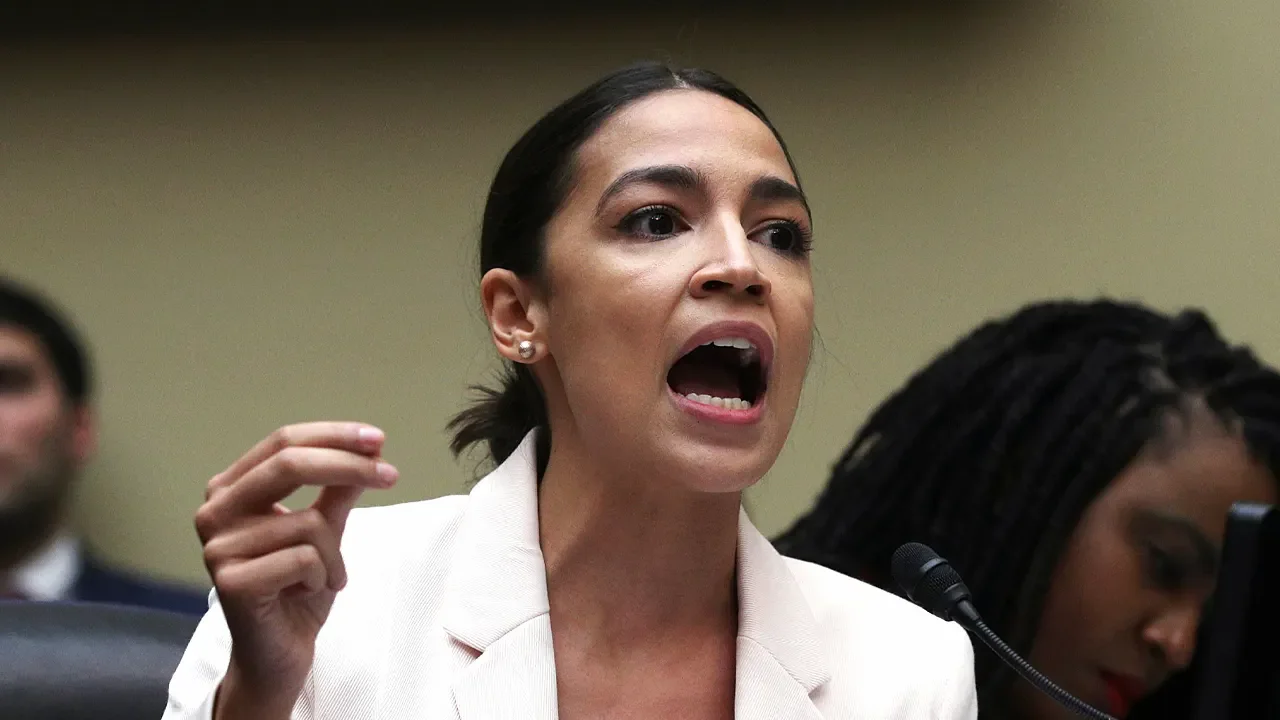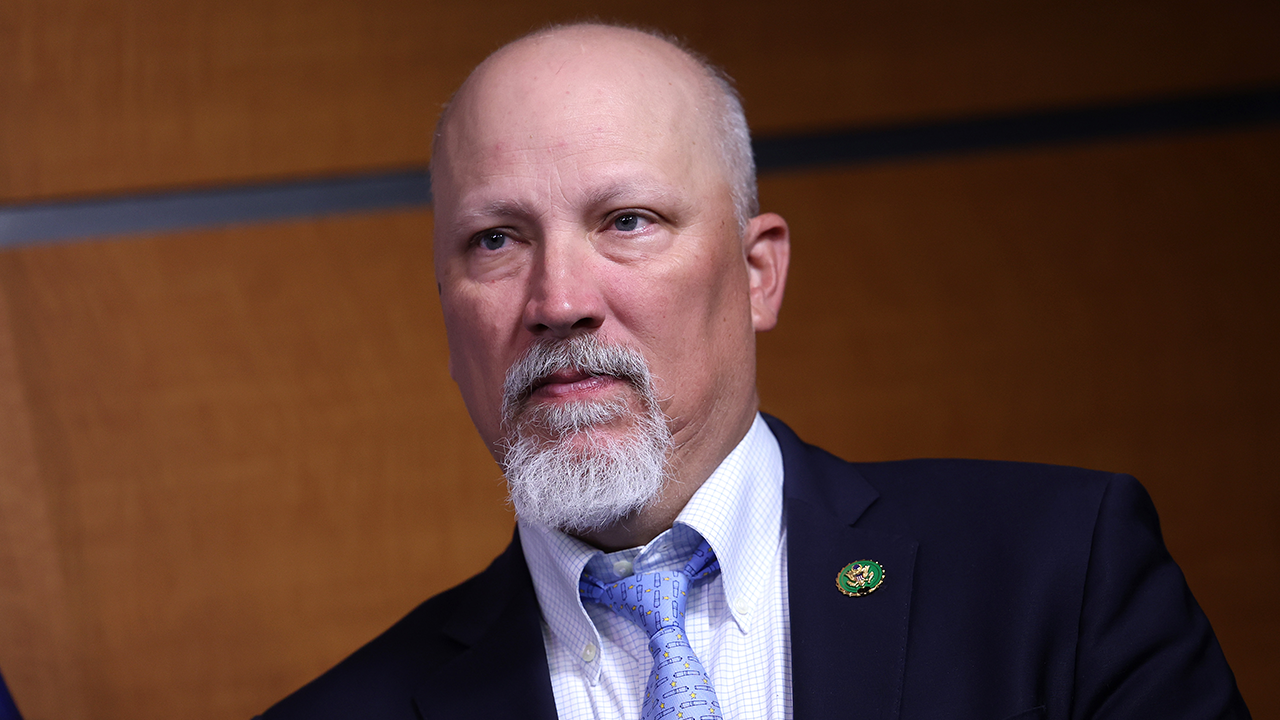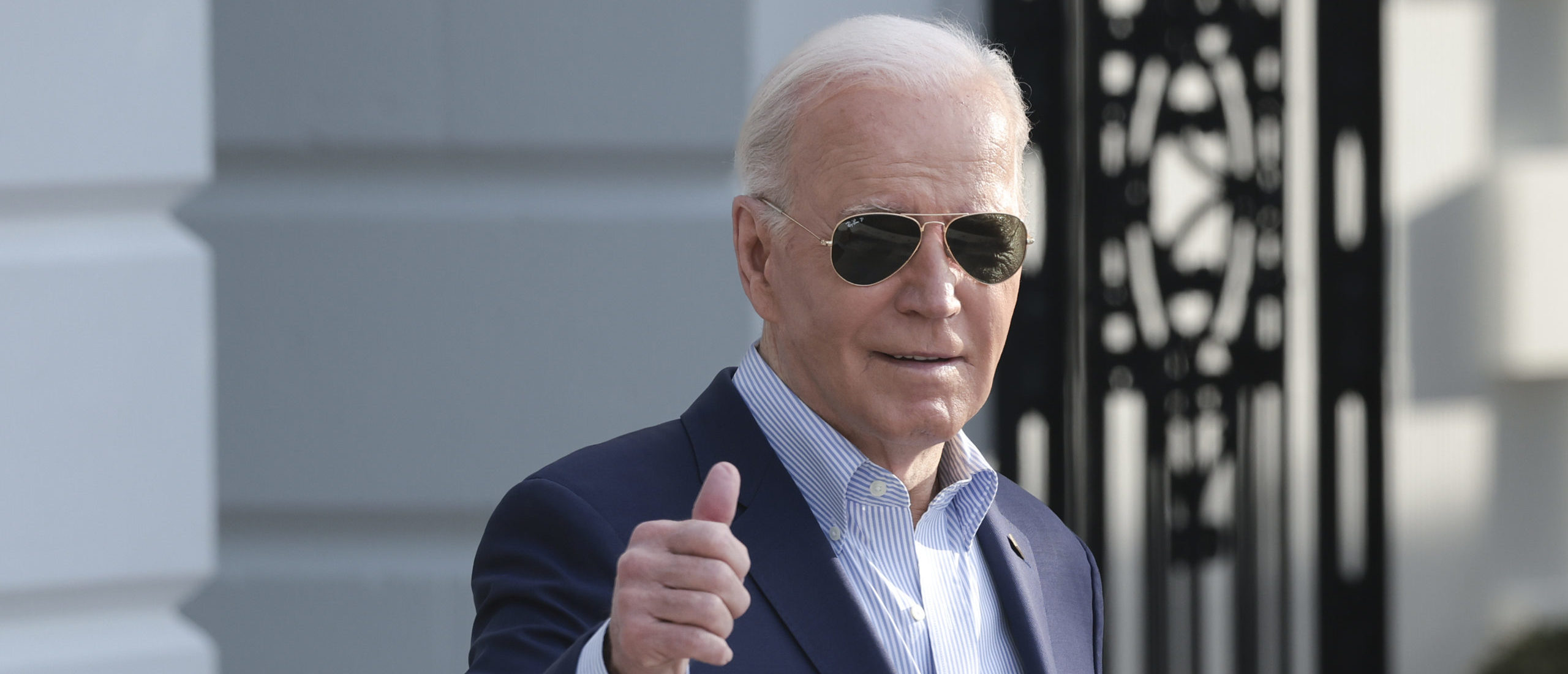
The Biden EPA has implemented new regulations on tailpipe emissions, effectively pushing for a majority of new cars to be electric by 2032, a move criticized as an assault on the middle class by opponents. Critics argue that the policy will make cars more expensive and reduce options for Americans, while also contributing to rising energy costs. The administration's focus on increasing energy prices is seen as a deliberate effort to force conservation, impacting lower and middle-class citizens the most. The push for electric vehicles comes despite slowing demand and financial losses for automakers, leading to concerns about the potential consequences of such policies.
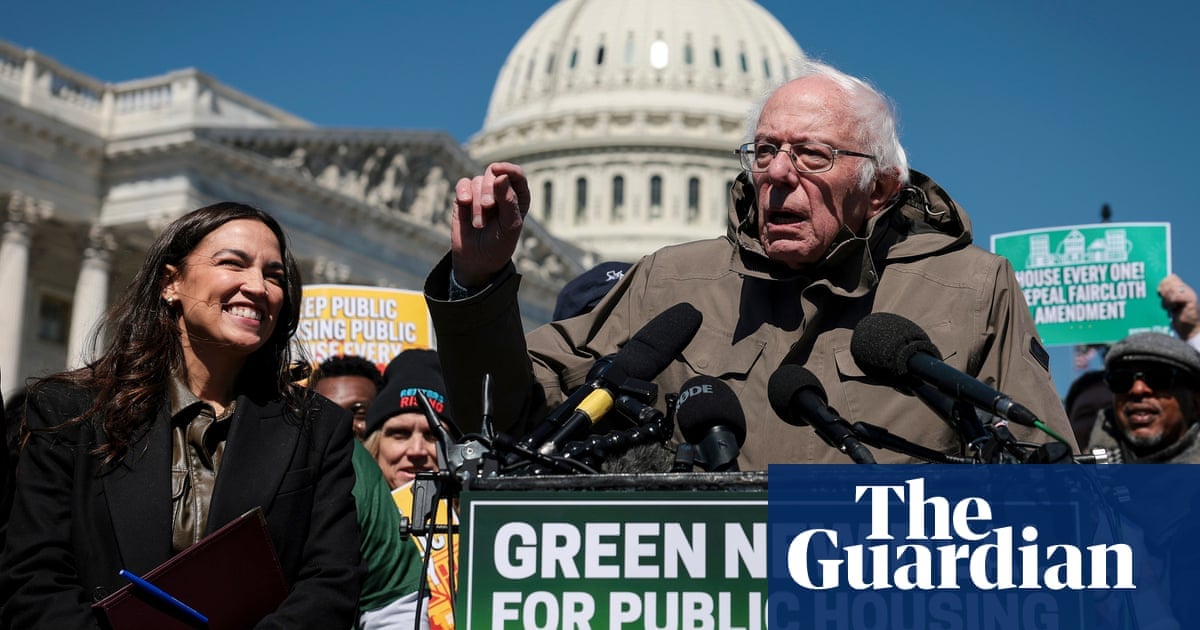
Representative Alexandria Ocasio-Cortez and Senator Bernie Sanders have introduced a sweeping legislative proposal, the Green New Deal for Public Housing, aiming to decarbonize and expand the nation's public housing units with an investment of $162bn to $234bn over the next decade. The bill seeks to transform public housing into affordable, environmentally friendly, and safe communities, while creating jobs and public health benefits. It also aims to repeal the Faircloth Amendment to allow for the construction of new public housing units. Despite unlikely passage, the proposal has garnered support from environmental groups, housing justice organizations, and labor unions, signaling growing momentum for the vision of expanding and improving public housing.
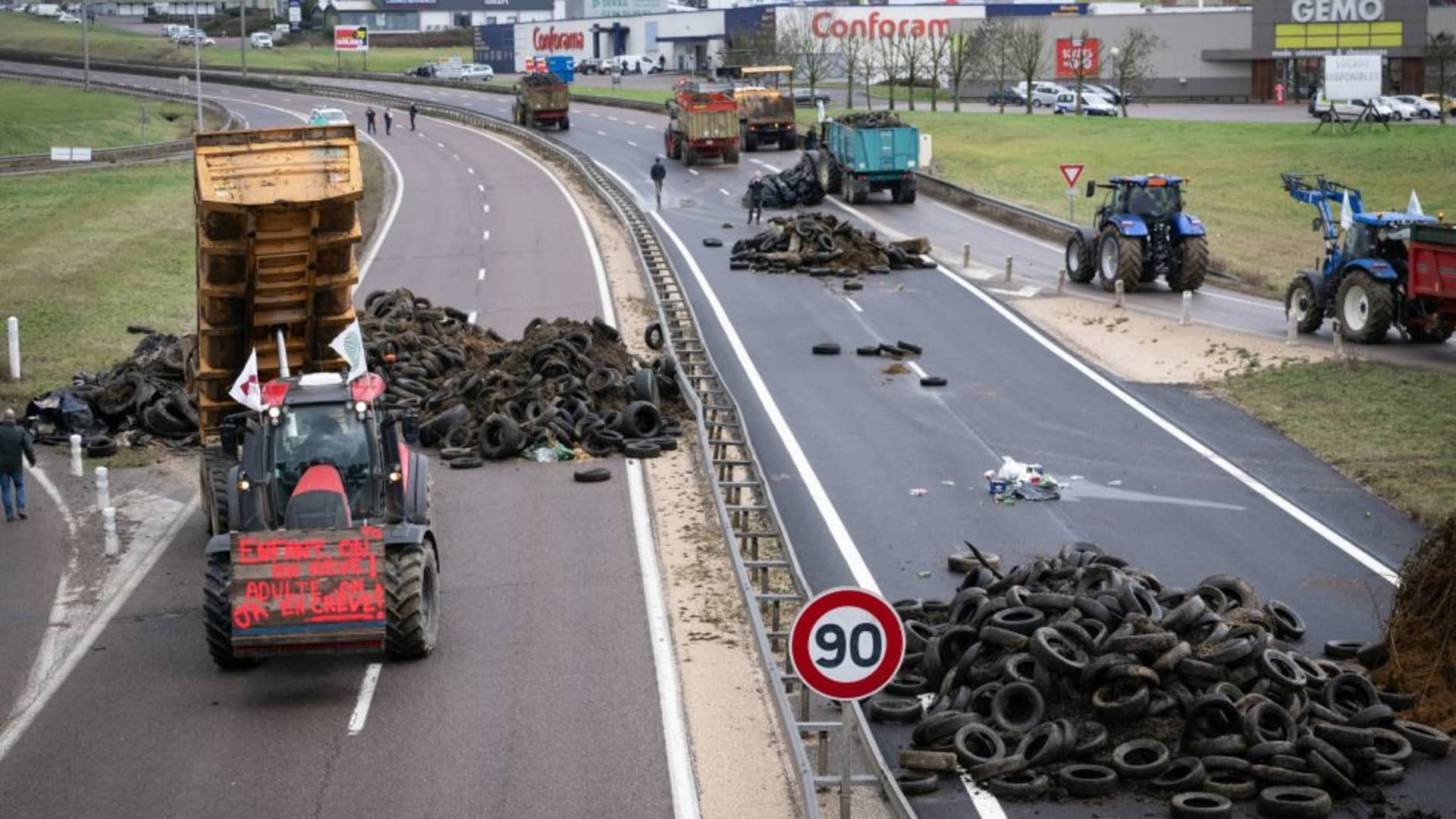
Farmer protests across Europe have led to the European Commission scrapping a plan to halve pesticide use and omitting the agricultural sector from strict greenhouse gas emission reduction timelines. The protests, driven by factors such as rising costs and falling sale prices, have prompted calls for more financial subsidies and investment support for farmers. The EU's re-assessment of its climate policies comes ahead of parliamentary elections and is expected to impact the implementation of the green new deal, with implications for the agriculture sector and carbon neutrality targets.
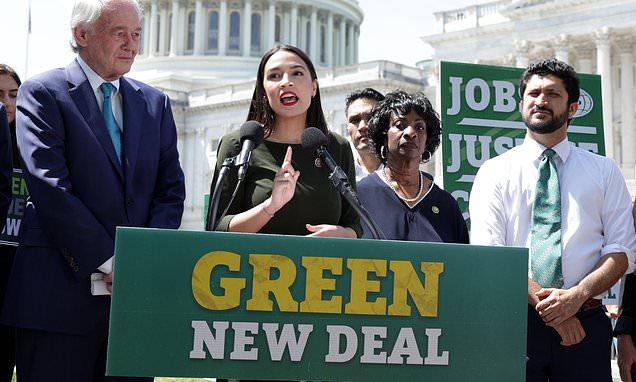
Senator Markey and Rep. Ocasio-Cortez applaud the Biden administration's commitment to the American Climate Corps Initiative, which aims to mobilize and train 20,000 service members for the clean energy and climate resilience economy. They call for federal agencies to match public enthusiasm by providing resources, training, and meaningful jobs and projects. The lawmakers also reintroduced the Civilian Climate Corps for Jobs and Justice Act, which would establish a robust and equitable Civilian Climate Corps administered by AmeriCorps, expanding opportunities for all Americans and deepening partnerships with unions while preserving Tribal sovereignty.
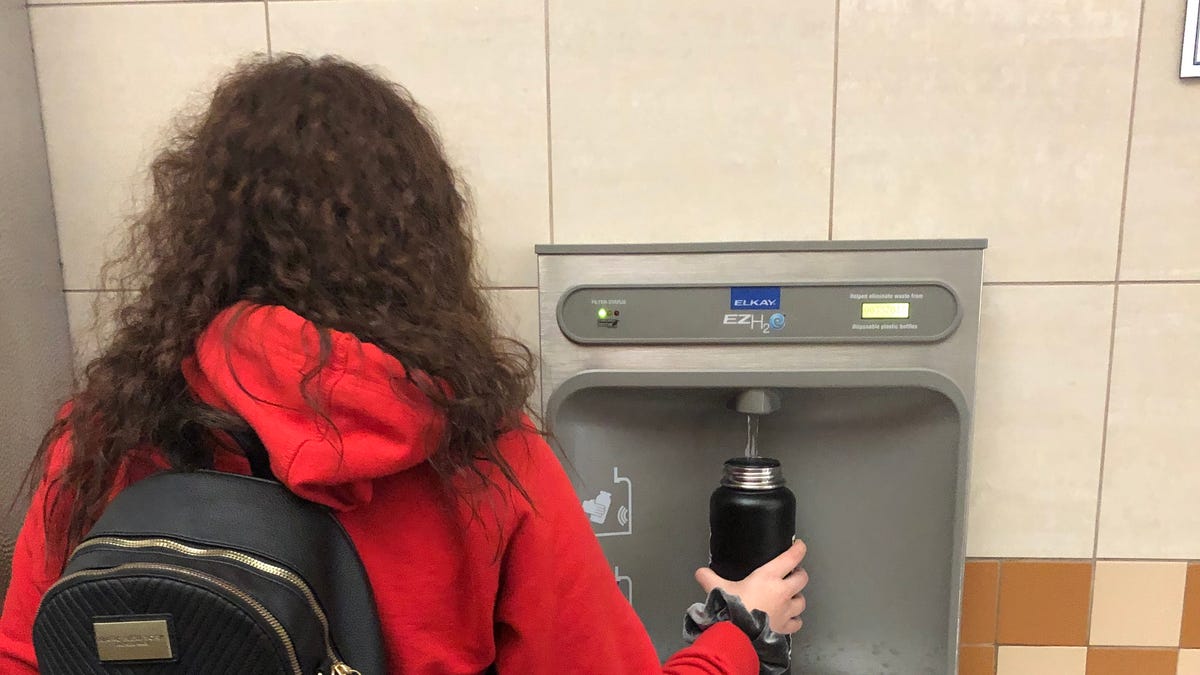
Los Angeles International Airport (LAX) has officially banned the sale of single-use plastic water bottles as part of its efforts to reduce waste and become net zero by 2045. The ban does not apply to water bottles served onboard planes. LAX is installing more hydration stations throughout the airport to encourage travelers to use reusable water bottles, and sustainable alternatives like glass or aluminum bottles will still be available for purchase. This move is part of L.A.'s Green New Deal initiative, and LAX follows in the footsteps of San Francisco International Airport, which implemented a similar ban in 2019.
The Pentagon is struggling to keep artificial intelligence under human control; an ex-CIA official testified that a Biden official orchestrated the controversial Hunter Biden laptop letter; former cop Kim Potter, convicted in Daunte Wright's death, will be freed from prison; footage of UFOs over conflict zones has been seen for the first time; and Democrats have reintroduced a trillion-dollar Green New Deal that would end fossil fuels.
Democratic lawmakers, led by Alexandria Ocasio-Cortez and Ed Markey, have reintroduced their Green New Deal bill to end the nation's reliance on fossil fuels in a decade while creating millions of well-paying jobs. The bill aims to ease the climate crisis and put the US in a poll position to capitalize on the switch to renewable energy. Critics say it could cost the nation more than $90 trillion, but supporters argue that the cost of inaction is too high. President Joe Biden also announced $1 billion in funding to help developing nations fight climate change and $500 million to curb deforestation in the Amazon rainforest.
Democratic lawmakers, led by Rep. Alexandria Ocasio-Cortez and Sen. Ed Markey, have reintroduced the Green New Deal, a sweeping legislation that aims to tackle climate change by phasing out fossil fuel production and investing in green energy alternatives. The bill would cost taxpayers tens of trillions of dollars and create millions of good-paying, union jobs while strengthening U.S. infrastructure and combatting pollution. The Green New Deal calls for the U.S. to produce 100% of its power using zero-emissions sources and upgrade infrastructure to achieve maximum energy efficiency, water efficiency, safety, affordability, comfort, and durability, including through electrification.
Rep. Chip Roy is pushing to remove "Green New Deal-type subsidies" from President Biden's Inflation Reduction Act as part of a deal to raise the debt ceiling and cut federal spending. House Republicans plan to vote on raising the debt ceiling for one year while capping federal spending at the fiscal year 2022 level. Roy agrees with the overall tone of the plan but wants to see real cuts in the first year to wasteful spending. The White House has criticized the proposal, saying it would hold Americans' jobs and retirement savings hostage.