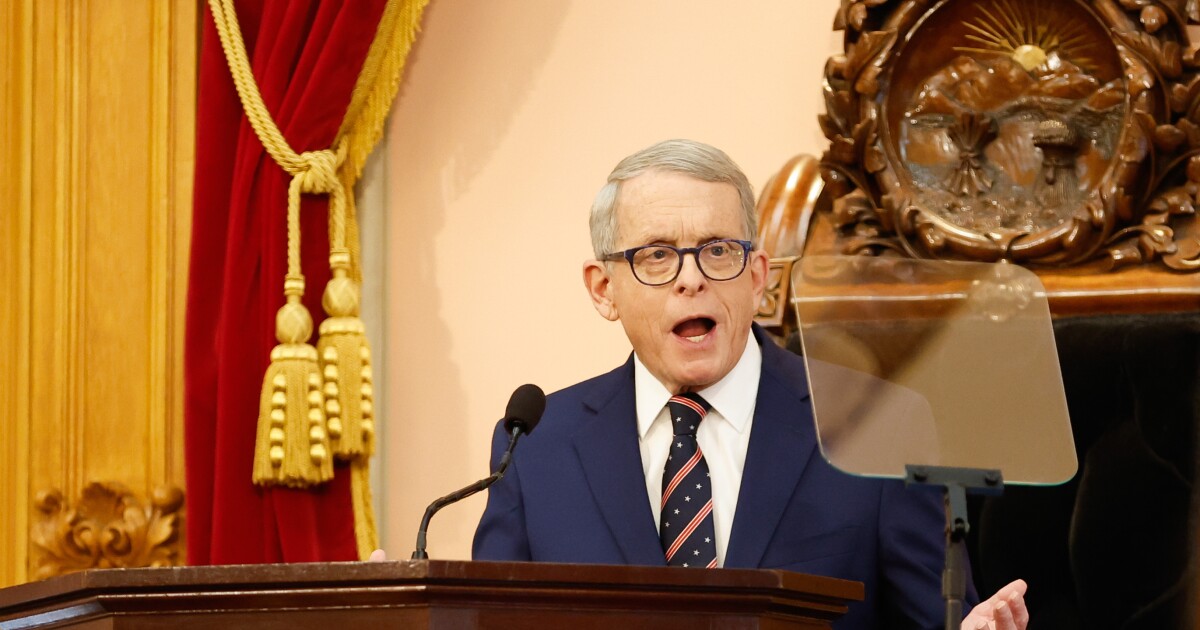
Ohio Governor Mike DeWine has signed a controversial bill into law that prohibits students from using school restrooms that do not align with their sex assigned at birth. The legislation, part of Senate Bill 104, mandates separate facilities based on "biological sex" and bans all-gender restrooms in schools. The ACLU and LGBTQ+ advocates have criticized the bill as harmful to transgender students, arguing it increases risks of harassment and violates privacy rights. Proponents claim it protects students' safety and privacy.
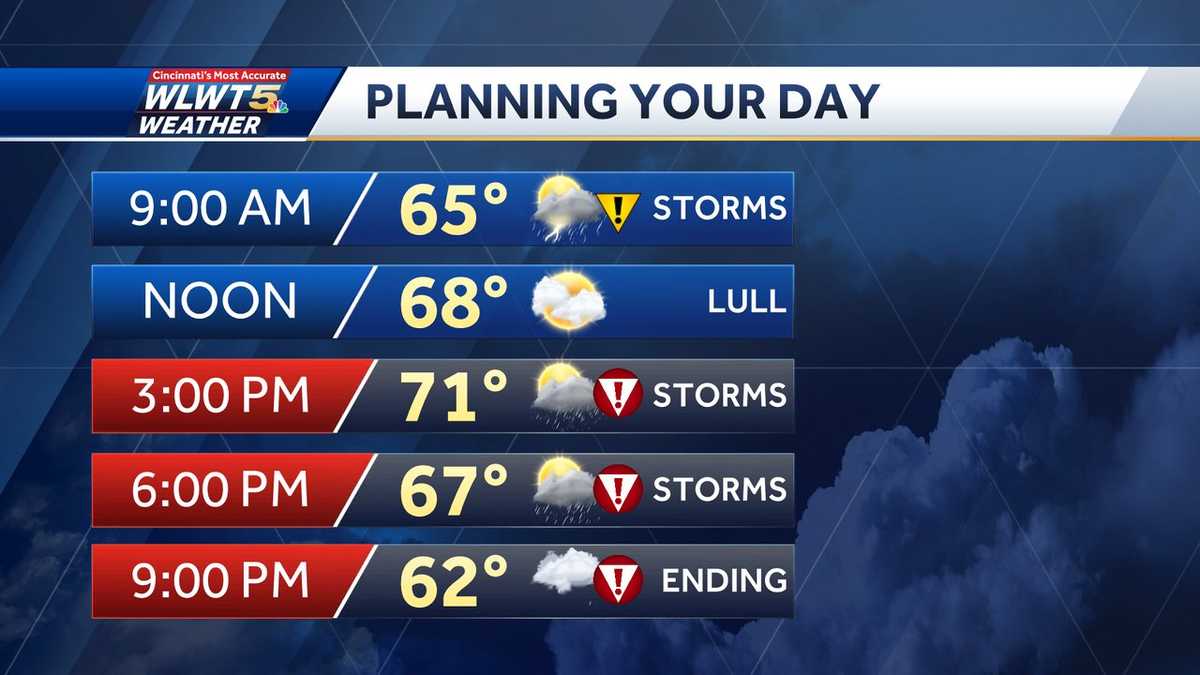
Ohio Governor Mike DeWine is urging Ohioans to be prepared for potential severe weather, including hail, strong winds, and tornadoes, expected between 3-9 p.m. He emphasized the importance of staying informed and having a shelter plan in place, urging people to monitor storm conditions and be prepared to take cover.
Governor Mike DeWine declared a state of emergency for 11 Ohio counties following severe weather, activating the Ohio National Guard to assist in the response and recovery efforts, particularly in Logan County where storm debris cleanup is underway.
Former chief of staff to Ohio Governor Mike DeWine, Laurel Dawson, testified as a witness to the grand jury that indicted a top DeWine political appointee and two FirstEnergy executives on bribery and related offenses. The indictment, unsealed on Monday, is part of the state's case against Public Utilities Commission of Ohio Chairman Sam Randazzo, FirstEnergy CEO Chuck Jones, and top company lobbyist Mike Dowling.
Ohio has banned gender-affirming care for minors and restricted transgender athletes, overriding GOP Gov. Mike DeWine's veto. The new law prohibits gender-affirming surgeries, hormone therapies, and mental health care for transgender individuals under 18, as well as transgender girls and women from participating in girls' and women's sports teams. Families of transgender children are concerned about access to necessary care, with some considering moving out of state. The move has sparked criticism from Democrats and LGBTQ+ advocates, and comes amid a broader national debate on transgender rights and legislation.
Ohio lawmakers override Governor Mike DeWine's veto to ban gender-affirming care for minors, joining over 20 states with similar restrictions. The legislation prohibits hormone therapy, puberty blockers, and gender-reassignment surgery for people under 18, as well as transgender girls from playing on sports teams designated for girls and women. The move has sparked outrage from trans-rights advocates and families of trans youths, leaving them in a lurch and facing the burden of traveling elsewhere for care.
Ohio Governor Mike DeWine has proposed rules that could restrict access to gender-affirming care for adults, making Ohio the second state to do so. The proposed rules would require extensive counseling and involvement of specialists before starting gender-affirming medication or surgery, potentially leaving thousands of adults without treatment. Advocates argue that the rules go beyond established standards of care and could disproportionately affect lower-income, minority, and rural transgender individuals. The proposals have sparked controversy and are currently open for public comment and legislative review.
Transgender candidates running for state office in Ohio are facing potential disqualification from the ballot for failing to disclose their "deadnames," the names they had before their transition, on election paperwork, due to an obscure state law. Several Democratic candidates argue that the law is being weaponized against them and have faced ballot access issues as a result. While some candidates have been cleared to run, others have been disqualified, leading to calls for the law to be amended to ensure transgender candidates are not unfairly disqualified.
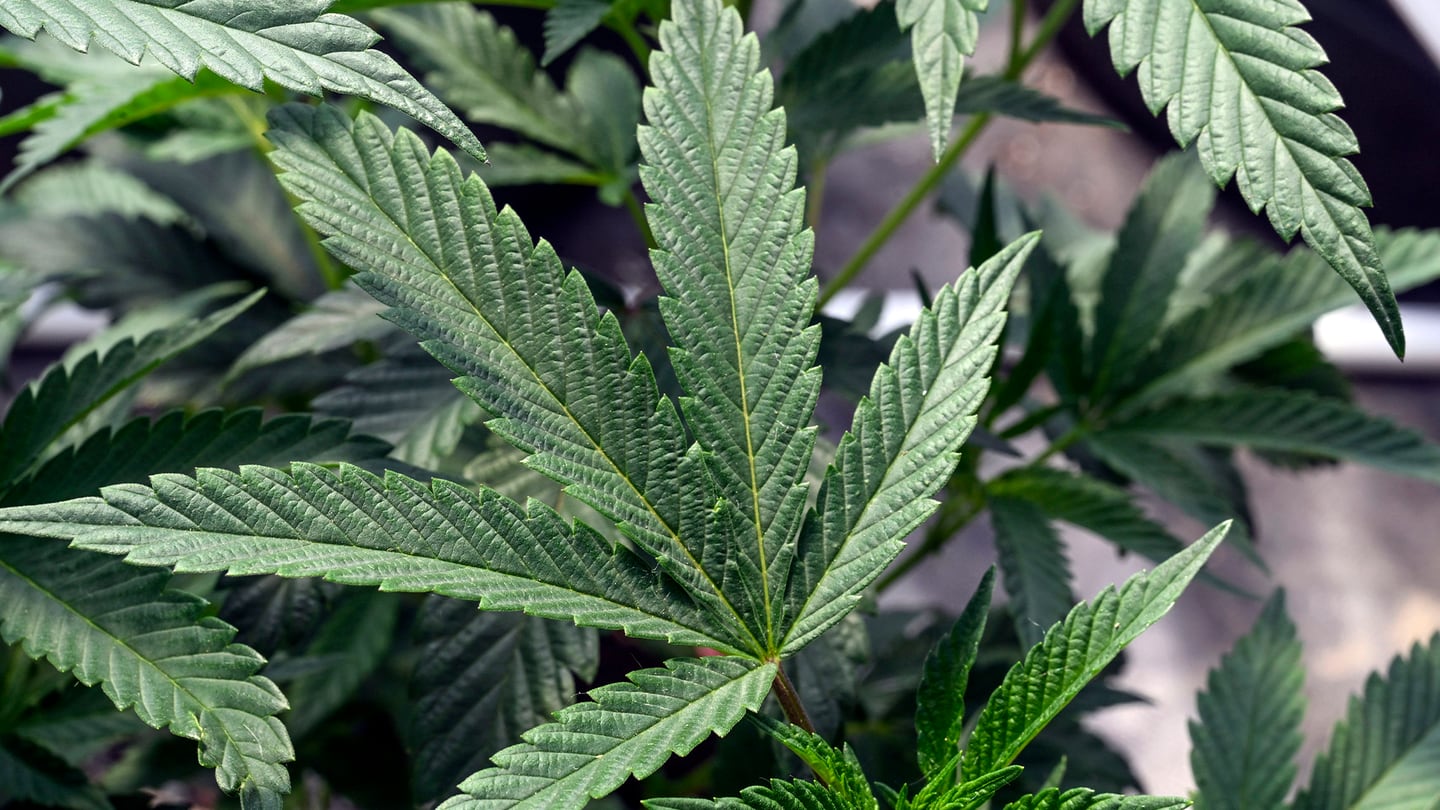
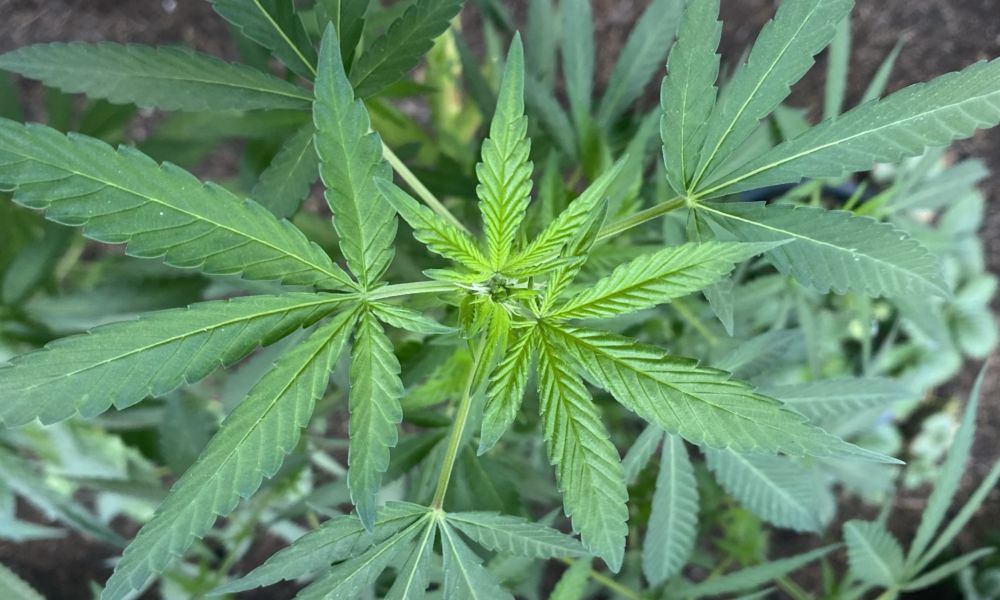
The Ohio Senate has passed a bill that would allow medical marijuana dispensaries to sell recreational marijuana, following the legalization of recreational marijuana in the state. Governor Mike DeWine supports the bill, stating that it is necessary to implement a safe and legal market and to protect consumers from purchasing marijuana laced with other drugs. The bill also includes provisions for reducing the number of plants allowed per household, protecting possession and THC limits, and providing a path for expungement of past marijuana possession convictions. The bill now awaits a vote in the Ohio House.
The Ohio Senate committee has approved changes to the recreational marijuana law set to take effect on Thursday, making Ohio the 24th state to legalize marijuana for adult recreational use. The bill includes provisions for home grow, with a limit of 6 plants per home, possession limits of 2.5 ounces for plants and 15 grams for extracts, and a THC content limit of 35 percent. The bill also increases the tax on marijuana products from 10% to 15% and removes the extra tax on cultivators. Ohio Governor Mike DeWine is urging the House and Senate to pass the bill and send it to his desk for approval.
The Ohio Senate has approved a bill with revisions to the new legal recreational marijuana law in Ohio, which is set to take effect on December 7. The bill, which still needs to be cleared by the House, would allow medical dispensaries to sell recreational marijuana, limit the number of plants individuals can grow at home to six, impose a 15% tax on marijuana sales, and create a process to expunge marijuana possession charges. Ohio Governor Mike DeWine supports the bill, stating that it aims to limit black market purchases and maximize tax benefits for the state.
Before appointing Sam Randazzo as chairman of the Public Utilities Commission of Ohio, Governor Mike DeWine received two warnings, including from environmental organizations and a former campaign staffer, urging him to choose someone else. Randazzo has recently pleaded not guilty to public corruption charges, including accepting a $4.3 million bribe from FirstEnergy Corp. in exchange for promoting the company's interests.
Ohio Governor Mike DeWine met with GOP Senate and House leadership to discuss changes to a voter-approved marijuana legalization initiative. The proposed revisions would focus on mitigating youth consumption, reallocating tax revenue, and preventing impaired driving. DeWine emphasized the need to implement the changes before adult possession and cultivation become legal on December 7. Democratic lawmaker Rep. Casey Weinstein criticized Republicans for not acting on cannabis reform earlier and urged them to uphold the will of the voters. Prohibitionist organizations are seeking to undermine the newly approved law, while some Ohio lawmakers doubt the legislature will repeal the voter-passed legalization law.
Ohio Governor Mike DeWine acknowledges the results of the recent elections in which Ohioans voted to enshrine abortion and marijuana rights in the state constitution. However, some Republicans are seeking to overturn these results. DeWine emphasizes the importance of respecting the voters but avoids commenting on his colleagues' efforts. He acknowledges that the unpopularity of the six-week abortion ban contributed to the passage of the abortion rights amendment. DeWine also pushes back against GOP members planning to overhaul the recreational marijuana amendment but suggests making changes to protect public health and prevent children from accidentally ingesting marijuana products. Democratic representatives have introduced legislation to repeal abortion restrictions, but it is unlikely to pass in the Republican-controlled statehouse. The lawmakers plan to challenge any conflicting laws in court.
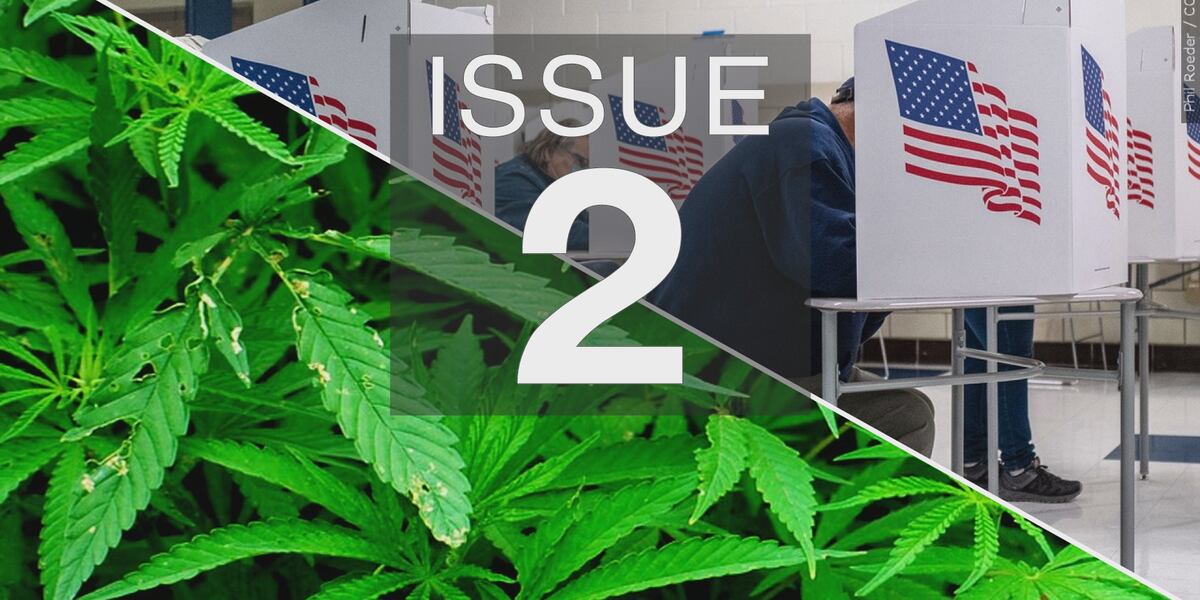
Ohio Governor Mike DeWine is speaking out against Issue 2, a ballot initiative that would legalize adult-use marijuana in the state, downplaying polls showing broad voter support. DeWine argues that voters are confused about the measure and a separate initiative protecting access to contraception and abortion. However, newly released campaign fundraising data shows that supporters of the legalization measure have raised nearly four times the amount of opponents. The initiative would legalize possession of up to 2.5 ounces of cannabis for adults, allow personal cultivation, and impose a 10% sales tax. DeWine opposes legalization, citing concerns about the impact on the state and children.