Elon Musk is considering supporting third-party candidates to influence elections, which could impact battleground districts and benefit Democrats, though success depends on candidate selection and district specifics.
Elon Musk is considering forming a new centrist political party called the America Party to compete in key congressional races, aiming to attract moderate voters, but faces significant challenges due to strict ballot access laws and the likelihood of serving as a spoiler rather than a winning contender.
Elon Musk announced plans to create the 'America Party' to represent centrist voters, but face significant hurdles such as ballot access laws, federal regulations, and the challenge of building a viable political brand. He could pursue options like forming a super PAC or collaborating with existing third parties to influence elections without the need for official party certification.
Elon Musk's attempt to create a new political party faces significant hurdles including complex ballot access laws, legal challenges, building infrastructure, and recruiting candidates, making the endeavor difficult despite his financial resources and strategic focus on select elections.
Elon Musk is exploring the creation of a new political party, the America Party, aiming to disrupt the U.S. political duopoly and challenge incumbents in the 2026 midterms, with potential support from groups like Andrew Yang's Forward Party and the Libertarian Party, though significant challenges remain in organizing and ballot access.
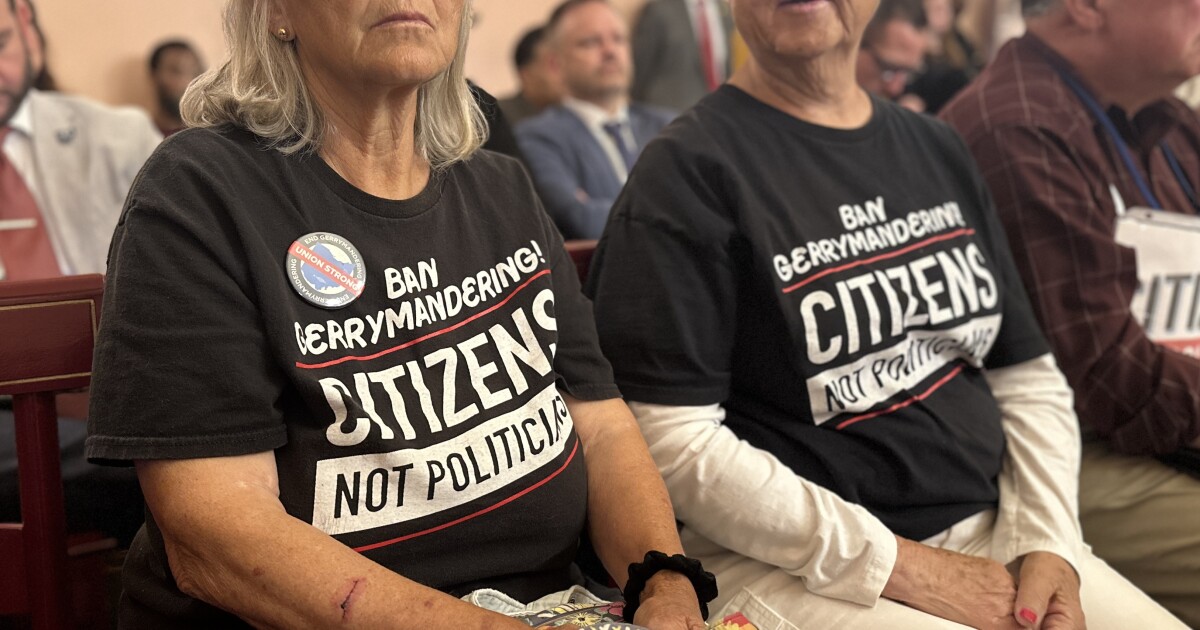
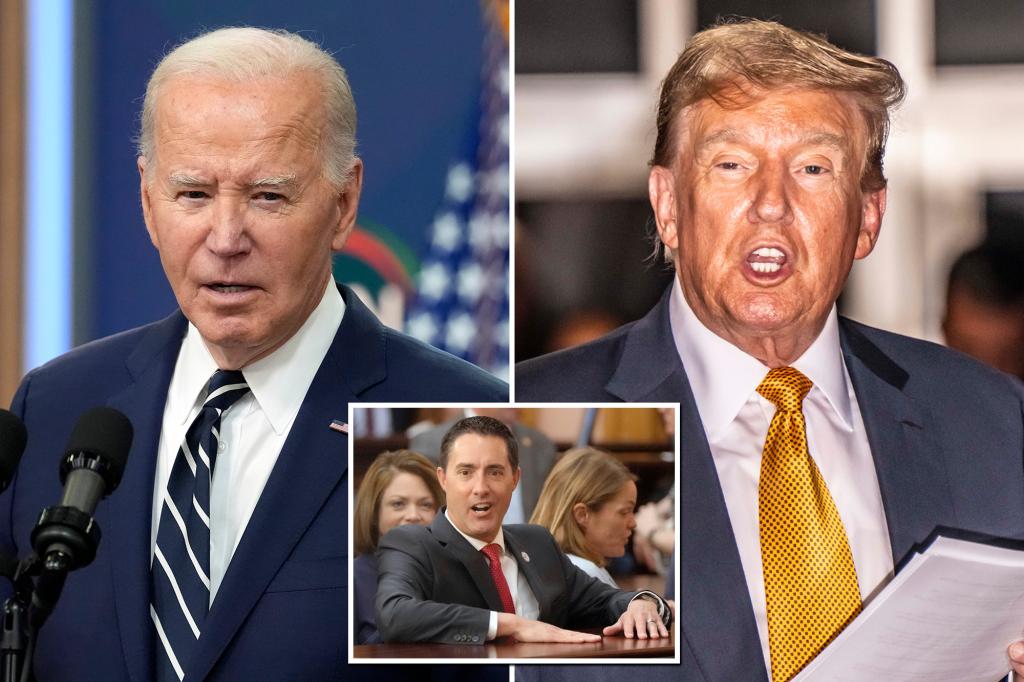
Ohio Republicans are facing criticism for attempting to make it harder for citizens to access the ballot, particularly concerning redistricting and minimum wage issues. The GOP's proposed bills aim to increase oversight on campaign donations and restrict grassroots movements, which opponents argue is a tactic to silence voter voices. This follows a series of failed GOP ballot initiatives and ongoing debates over President Biden's ballot access in Ohio.
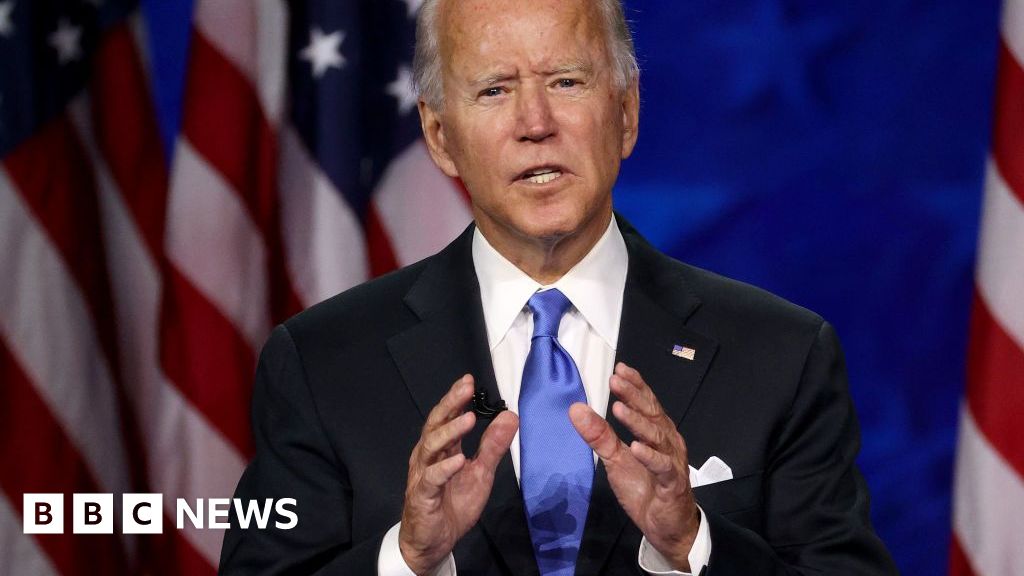
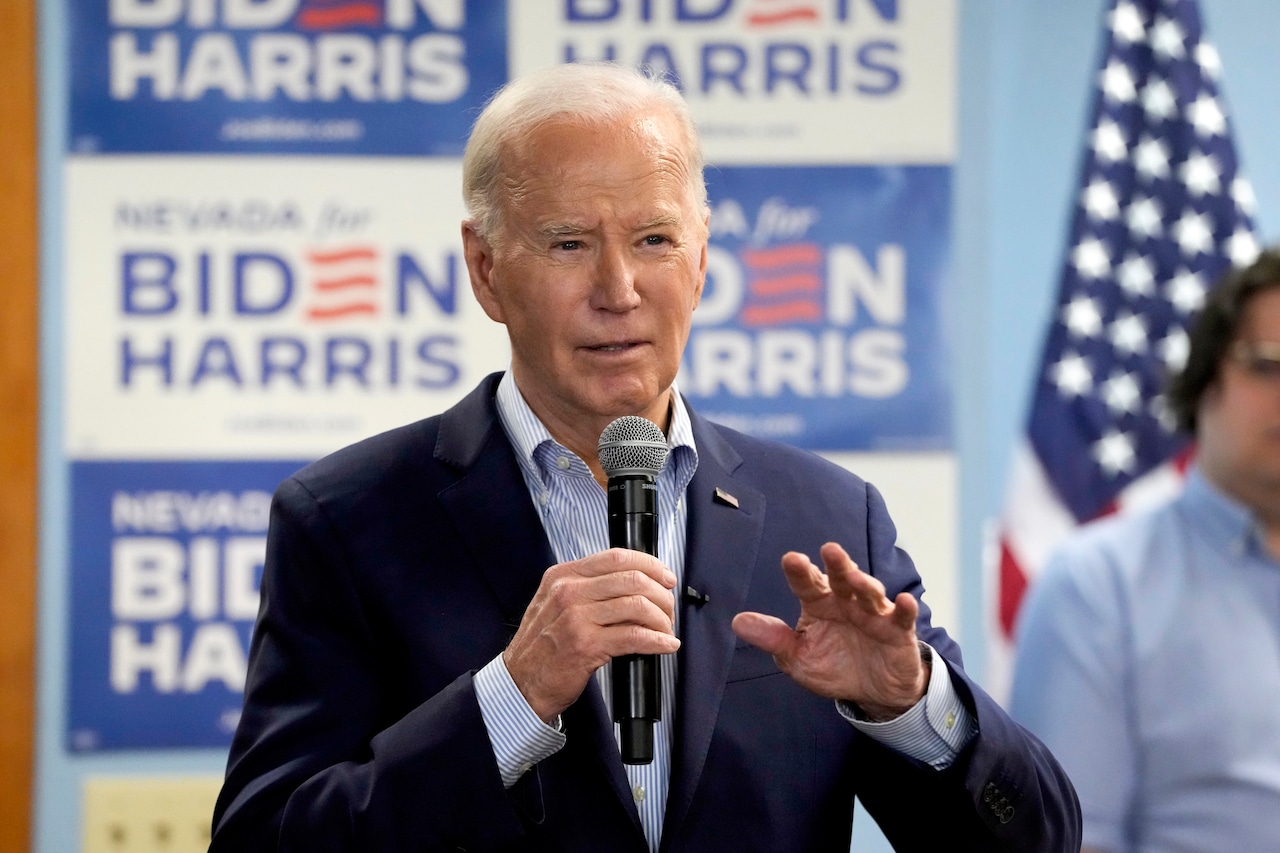
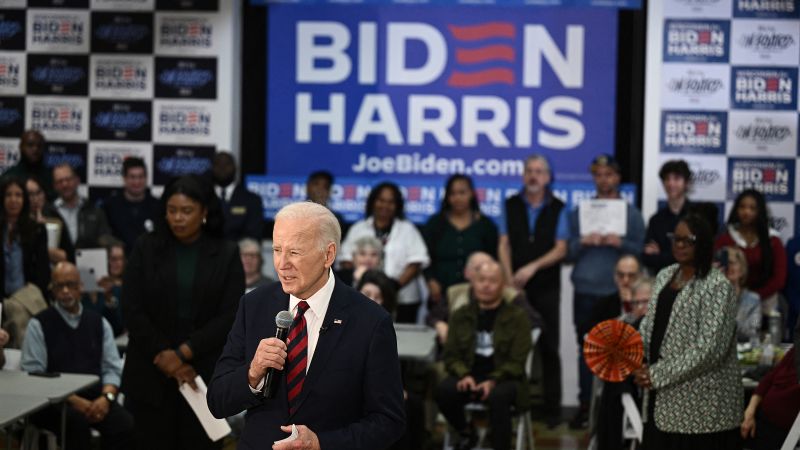
Democrats have announced a plan to virtually nominate President Joe Biden ahead of their national convention to ensure he appears on Ohio's general election ballot, despite Republican opposition and state ballot access laws. The move comes after Ohio's Republican elections chief warned that the convention's dates conflicted with state requirements. Democrats aim to prevent Republicans from undermining the election process and ensure Ohioans can vote for their preferred presidential candidate.
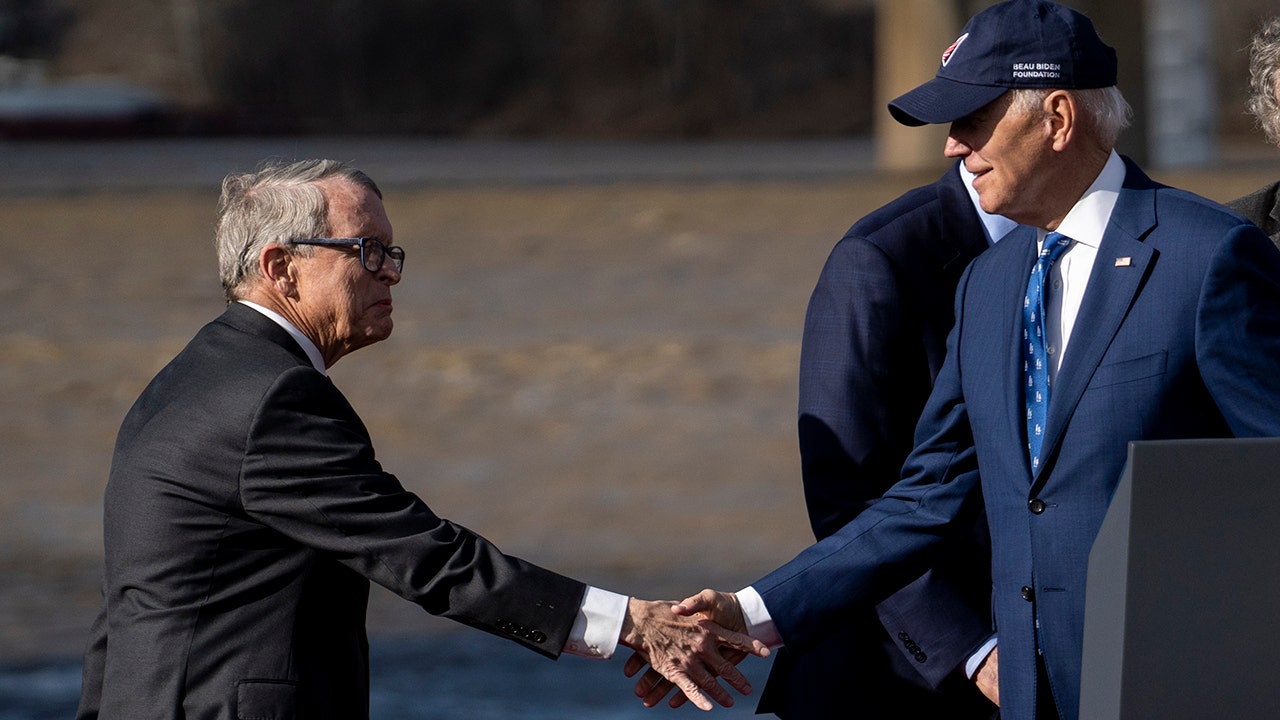
President Biden is receiving support from Ohio Republican Governor Mike DeWine to ensure his name appears on the state's election ballot. DeWine has called a special General Assembly session to address the issue, as Ohio's current law requires presidential candidates to be certified 90 days before the election, but the Democratic National Convention is scheduled only 75 days prior. Ohio Secretary of State Frank LaRose has warned that Biden is at risk of missing the deadline, and DeWine has criticized his party for not taking action to resolve the situation.
President Biden risks being excluded from Ohio's ballot due to a procedural issue requiring candidate certification 90 days before the election, a deadline the Democratic National Convention's timing complicates. Ohio's Republican-controlled legislature shows no interest in extending the deadline, unlike previous years. Democrats may consider legal action to ensure Biden's ballot access.
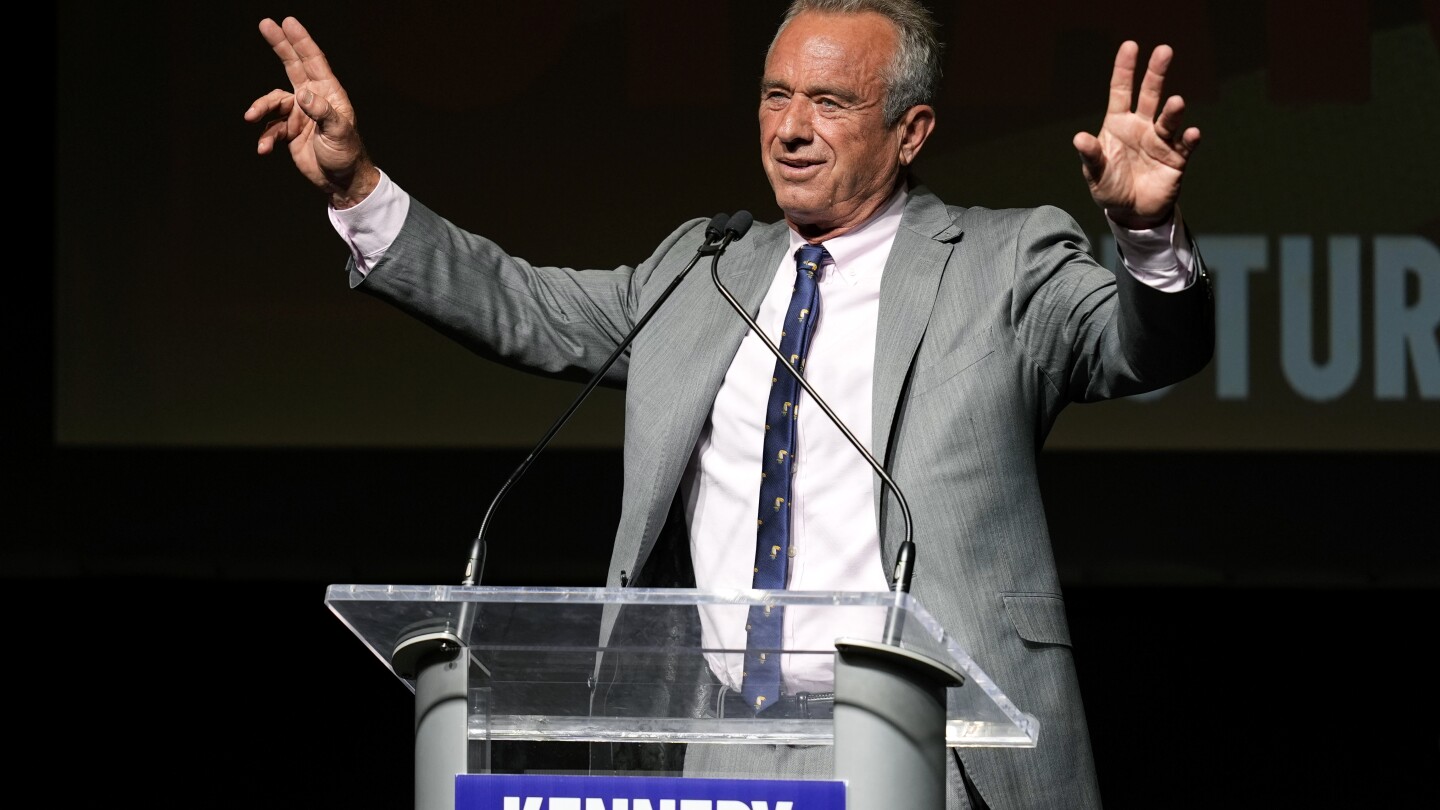
Independent presidential candidate Robert F. Kennedy Jr. has secured ballot access in Michigan, causing concern for both Biden and Trump allies due to his potential to sway disaffected voters. Kennedy faces challenges in getting on the ballot in all 50 states without party backing, but has secured a spot in Michigan and Utah, with signatures collected in other battleground states. He urges Americans to "take a risk" and vote for him, despite facing long odds as a third-party candidate. Additionally, Kennedy's anti-vaccine activism and legal battles with news organizations add further complexity to his campaign.
Robert F. Kennedy Jr. has officially qualified for the ballot in Michigan as an independent presidential candidate, potentially impacting the electoral dynamic in the battleground state. His presence on the ballot could influence the outcome of the 2024 presidential election, as Michigan has been heavily contested in recent elections. Kennedy's polling at 12% among Michigan voters, and his candidacy has drawn attention from both Democrats and Republicans.
Alabama Secretary of State Wes Allen refuses to accept a provisional certification for President Joe Biden and Vice President Kamala Harris, citing a 49-year-old state law. This could potentially keep them off the general election ballot, echoing a similar situation in 1964 when President Lyndon Johnson was omitted. Democratic officials are confident that legislative action will allow Biden and Harris to appear on the ballot, but concerns about voter disenfranchisement and down-ballot effects persist. Similar issues have arisen in Ohio and Washington, and the matter may ultimately end up before the U.S. Supreme Court.
Robert F. Kennedy Jr. is using a provision of Iowa law to appear on the state's general election ballot in November by hosting a convention and identifying 500 eligible "electors" from at least 25 counties. He aims to get on the ballot in all 50 states and has enough signatures for several states, including Utah, Idaho, and Nevada. Recent national polling shows him earning an average of 9% of the vote, with some viewing him as a potential "spoiler" candidate. Both Democrats and Republicans are taking his campaign seriously, with Democrats hiring veteran staffers to counter potential spoiler candidates and Republicans criticizing his appearance in Iowa.
President Biden's campaign is facing challenges in Ohio and Alabama as Republican election officials and lawmakers control the ballot access process, with deadlines for appearing on the ballot preceding the Democratic National Convention. The Biden campaign has requested provisional certifications, but Alabama and Ohio officials have cited legal conflicts and deadlines. Democrats are considering legislative solutions, litigation, or adjusting their convention schedule to ensure Biden's certification, while some Republicans in both states support accommodating the Biden campaign.
Democrats are exploring options to ensure President Joe Biden's placement on the ballot in Alabama and Ohio after Republican elections officials warned that he would miss the deadline to be certified as the Democratic nominee in both states. The Biden campaign has proposed various solutions, including pushing back certification deadlines, accepting provisional certifications, holding a remote convention roll call, or pursuing litigation. Ohio and Alabama face challenges in accommodating these options, with Ohio's secretary of state advising Democrats to move their convention or pass legislation, and Alabama Democrats introducing bills to push back the certification deadline. The Biden campaign has hinted at potential legal action, while Alabama's secretary of state has reiterated his stance that state law does not allow for provisional certifications.