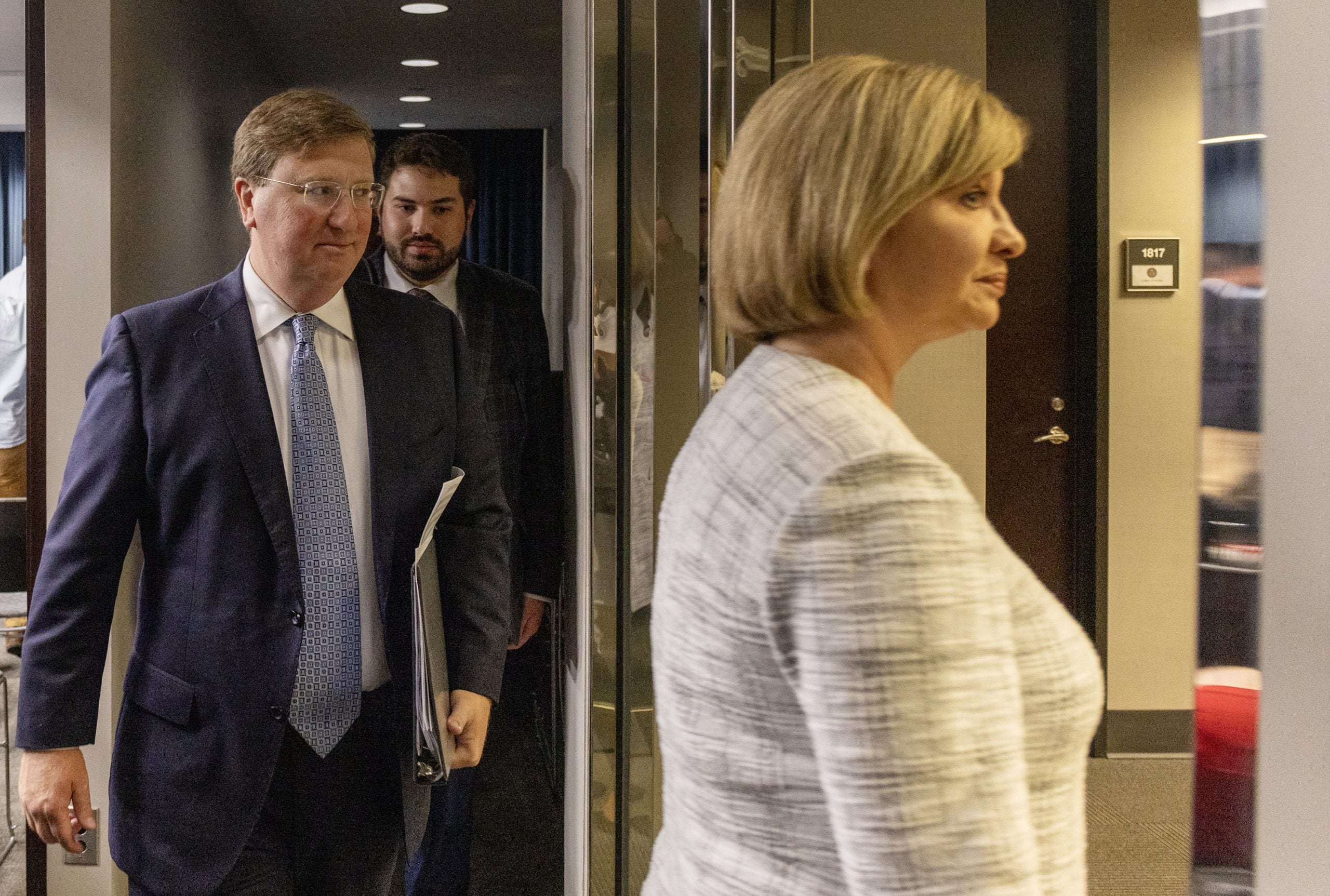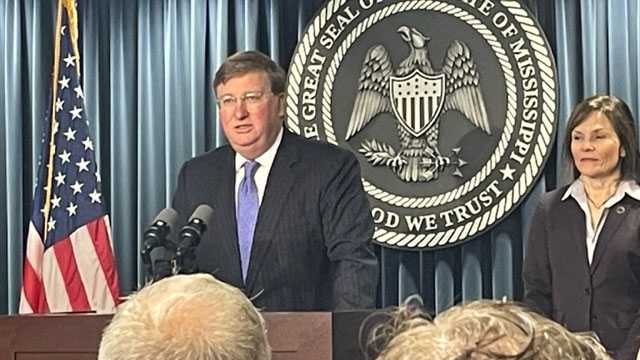
Gov. Tate Reeves is set to call a second Special Legislative Session to finalize a $10 billion economic development project in Madison County, Mississippi, which will lead to the creation of two hyperscale data center complexes and 1,000 jobs. Additionally, Reeves recently signed three measures into law for a $1.9 billion economic project in northern Mississippi, paving the way for an electric battery plant for commercial vehicles in Marshall County.

Gov. Tate Reeves, who has been advocating for the elimination of Mississippi's personal income tax to attract residents, secured legislative funding for a plant to manufacture electric vehicle batteries in north Mississippi. However, the plant's location near the Tennessee state line raises concerns about the effectiveness of the tax cut plan, as Tennessee residents may work at the plant and not necessarily move to Mississippi. This situation highlights the potential impact on state income tax revenue and the need for careful consideration of tax policies in attracting and retaining workers.
Democratic lawmakers in Mississippi accuse Gov. Tate Reeves of favoring economic development in certain parts of the state while neglecting majority-Black regions and the state's capital city. They argue that recent economic projects have bypassed communities west of Interstate 55, including the impoverished Mississippi Delta, and call for investment in these areas, citing their educated workforce and infrastructure. Reeves' deputy chief of staff asserts that the governor supports investing in all areas of the state, while the governor promises more economic development projects in the future. Democratic lawmakers urge Reeves to implement an economic plan that includes all areas of the state, emphasizing the need to unify Mississippi along partisan and racial lines.
Governor Tate Reeves, who previously limited state business with China, is now seeking state funds for a Chinese technology company to close an economic development deal in Mississippi. The $1.9 billion project involves a Chinese company and three major commercial vehicle companies, and Reeves is asking the Legislature to appropriate around $350 million in state incentives for the project. This move contradicts the governor's previous stance on Chinese technology, as he had signed bills limiting Mississippi's relationship with China in 2023.
Republican Gov. Tate Reeves has secured a final term as governor of Mississippi, defeating Democratic challenger Brandon Presley in a closely watched race. Reeves won with 52% of the vote, while Presley received 46%. Independent candidate Gwendolyn Gray garnered about 2%. Reeves will be the first person in Mississippi to be elected to two terms as lieutenant governor and two terms as governor. Despite concerns about enthusiasm among the GOP voter base, Reeves maintained strong support in conservative areas and on the Gulf Coast. Presley's gains with Black voters were not enough to overcome Reeves' success.
Mississippi Governor Tate Reeves, who has long opposed Medicaid expansion, walked away when asked about working class people who can't afford private health insurance and could benefit from the expansion. Reeves has struggled to justify his stance on the issue, despite economic experts projecting that the program would bring in new revenue, create jobs, and provide health insurance to at least 200,000 working Mississippians. While Reeves emphasizes job creation, data shows that many jobs in Mississippi don't offer health insurance or pay enough to lift people out of financial difficulties. His Democratic opponent, Brandon Presley, supports Medicaid expansion and criticizes Reeves for insulting working people.
Mississippi Governor Tate Reeves has unveiled a plan for Medicaid reimbursement reforms to address the state's healthcare crisis, which includes pulling more federal dollars to increase Medicaid reimbursement to hospitals. The plan does not include Medicaid expansion to cover the working poor, a move criticized by opponents. Supporters of Medicaid expansion and the governor's opponent dubbed the proposal "too little, too Tate." The plan would have to be approved by the federal Centers for Medicaid Services, and if approved, would have a net benefit of $689 million to hospitals.