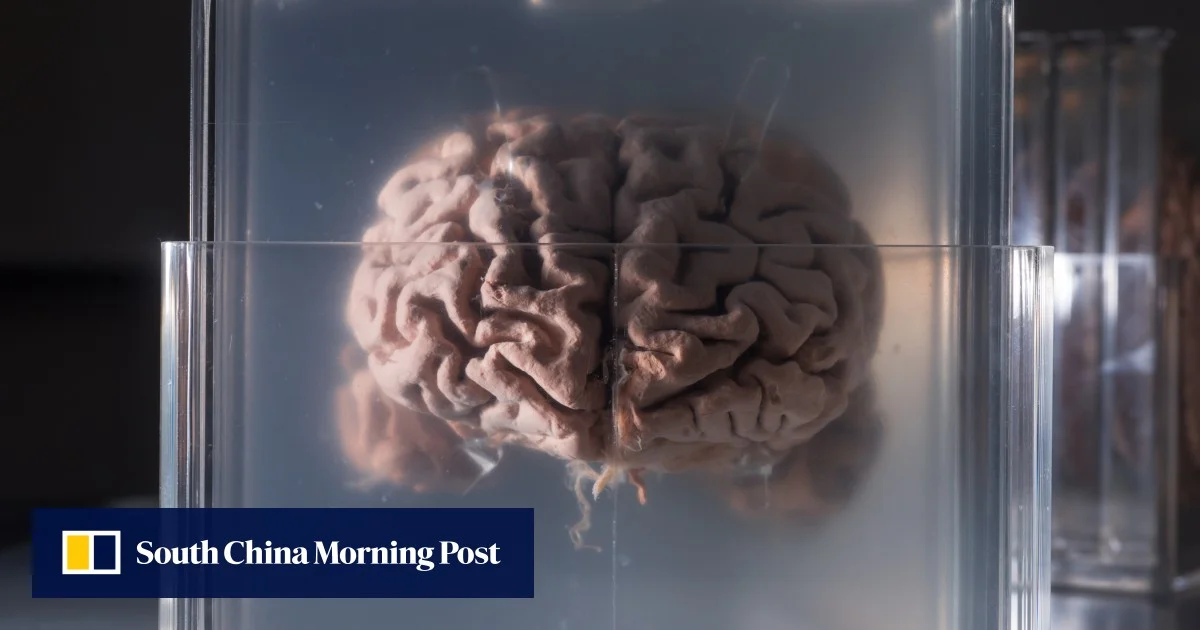
Chinese scientists have developed a new RNA-mapping technology called Stereo-seq V2 that shows potential in analyzing old biological samples, including Einstein's preserved brain, to explore the cellular basis of genius, though challenges due to preservation methods remain.
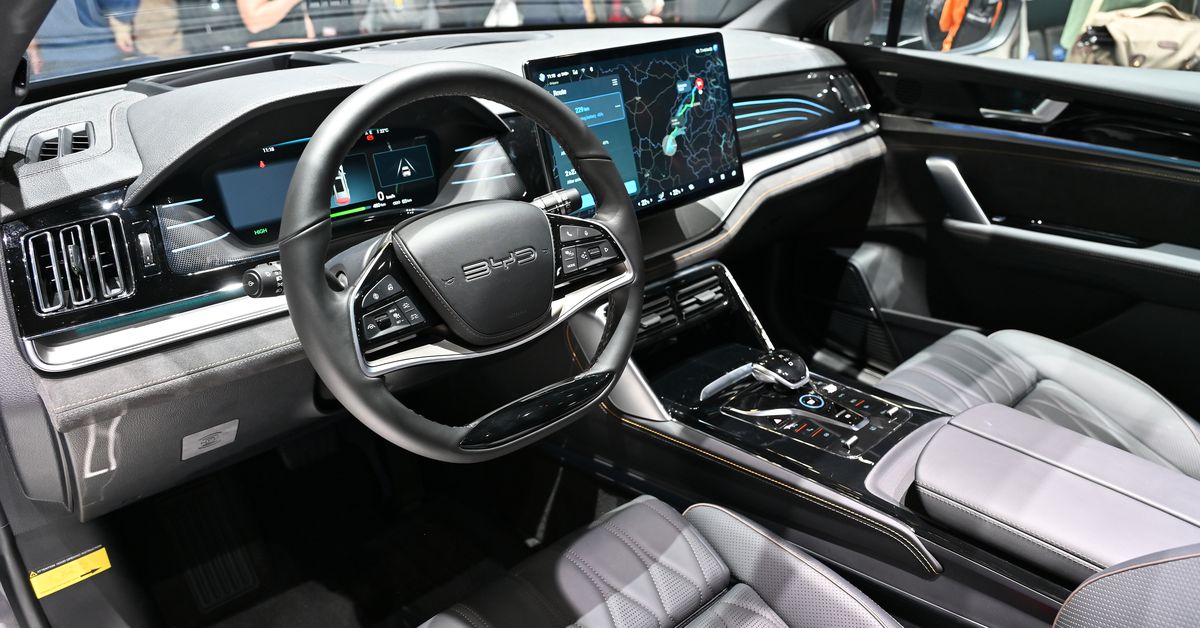
The US Commerce Department is launching an investigation into the potential national security risks posed by smart car technology from China and other countries, citing concerns about the potential for data collection and exploitation. The probe will focus on "connected vehicles," and while no immediate restrictions are being imposed, new regulations may be considered in the future. This move reflects broader tensions between the US and China over technology and trade, with both countries accusing each other of using unfair practices.
Governor Tate Reeves, who previously limited state business with China, is now seeking state funds for a Chinese technology company to close an economic development deal in Mississippi. The $1.9 billion project involves a Chinese company and three major commercial vehicle companies, and Reeves is asking the Legislature to appropriate around $350 million in state incentives for the project. This move contradicts the governor's previous stance on Chinese technology, as he had signed bills limiting Mississippi's relationship with China in 2023.
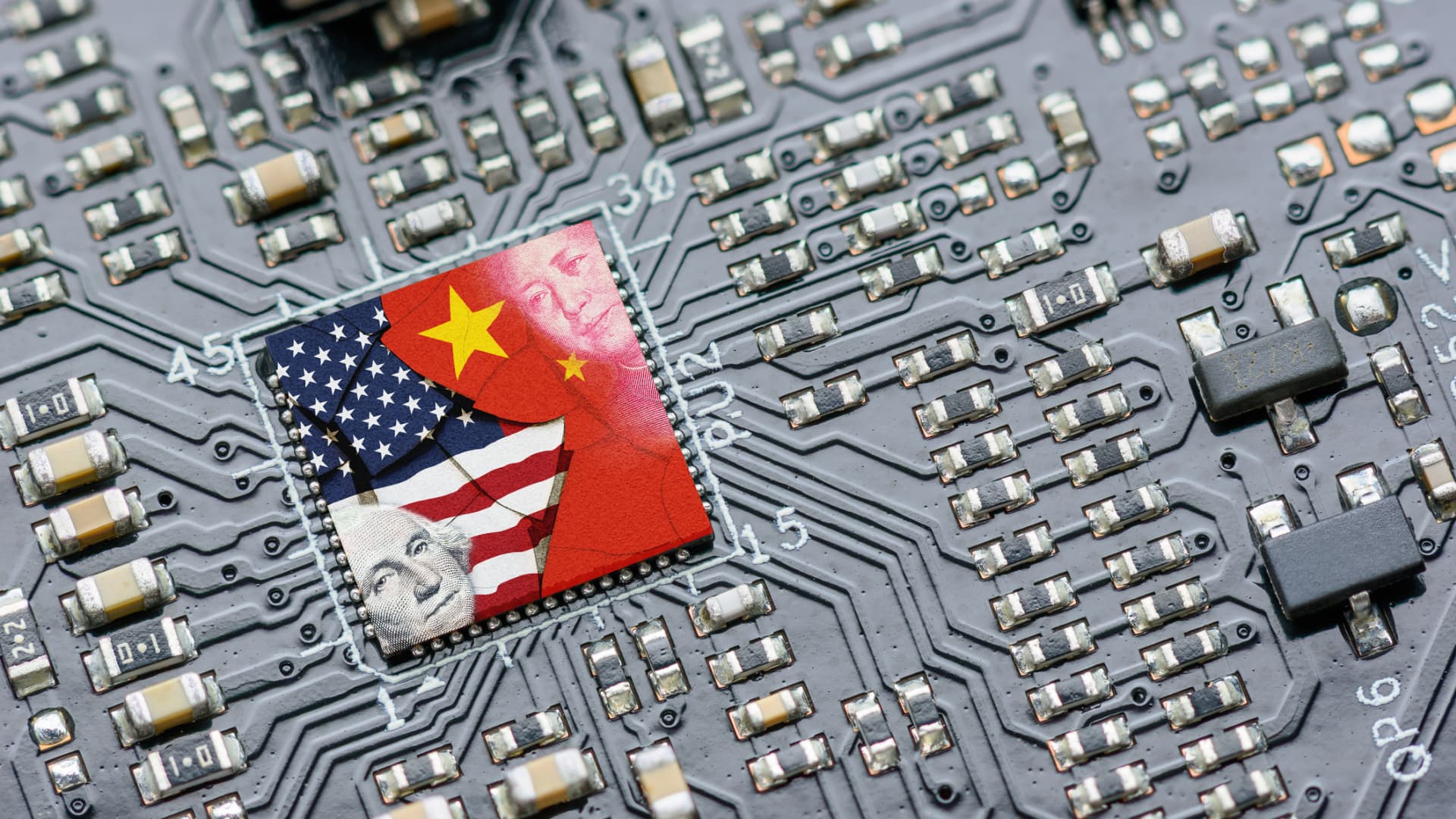
The Senate has passed a watered-down version of the Outbound Investment Transparency Act, requiring US firms to notify the Treasury when investing in advanced Chinese technology due to national security concerns. The legislation, which does not include investment curbs, still needs to go through the process before becoming law. This comes as President Joe Biden is expected to issue an executive order restricting US investment in high-end Chinese tech, which could be more far-reaching than the legislation. The bill passed with bipartisan support, highlighting US concerns over China's technological advancements. The US has been implementing rules to cut off exports of key chips and semiconductor tools to China, with other countries like Japan and the Netherlands also imposing export restrictions.