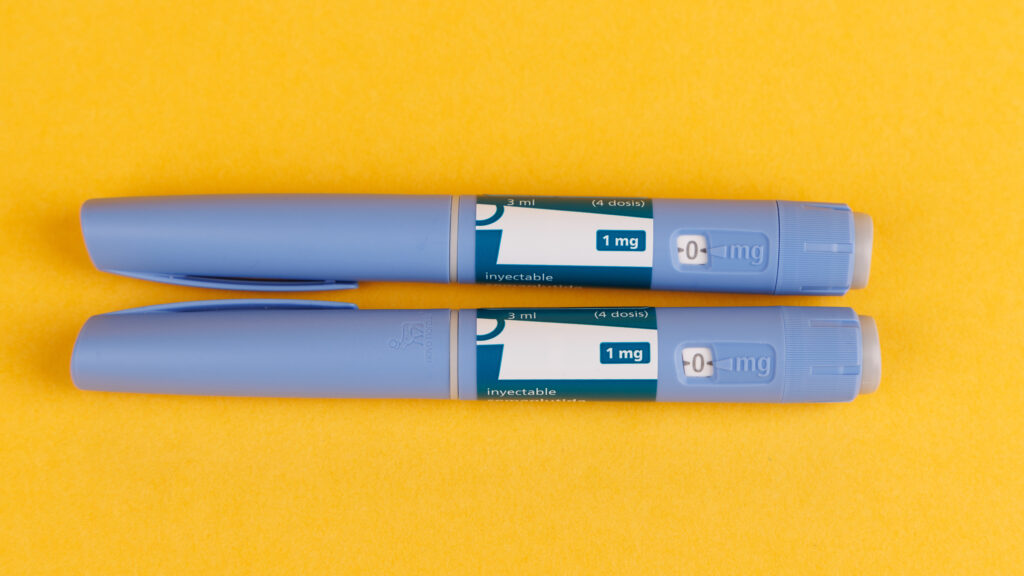
A phase 3 trial in Chinese adults with type 2 diabetes showed that mazdutide, a dual GCGR/GLP-1R agonist, significantly improved glycemic control and promoted weight loss compared to placebo, with a favorable safety profile.
A 24-week study found that eating a daily mango improved blood sugar control and body composition in people with prediabetes, suggesting that whole fruits like mangoes can be beneficial for diabetes prevention when incorporated into a balanced diet, despite their natural sugar content.
Extreme heat poses significant risks for people with diabetes by affecting glucose control and increasing the risk of heat-related illnesses; precautions include staying hydrated, monitoring blood sugar frequently, and protecting skin and feet during outdoor activities.
A small trial suggests that GLP-1 drugs like semaglutide may help type 1 diabetes patients maintain healthy glucose levels and lose weight, indicating potential benefits beyond their traditional use in type 2 diabetes.
Neuroscientist Robert Love highlights the anti-aging benefits of apple cider vinegar, emphasizing its role in reducing glucose spikes, lowering inflammation, and aiding weight loss. Consuming two tablespoons daily can help manage insulin resistance, promote energy, and support gut health, contributing to youthful skin and overall vitality.
Eating breakfast after 9 a.m. increases the risk of developing type 2 diabetes by 59% compared to those who eat breakfast before 8 a.m., according to a study that followed over 100,000 participants for seven years. The research highlights the importance of meal timing in disease prevention, showing that not only what we eat but also when we eat it can impact our risk of diabetes. Late breakfasts and dinners after 10 p.m. were associated with higher risk, while eating more frequently (about five times a day) and having an early breakfast and dinner were linked to lower disease incidence. Chrononutrition, which considers the association between diet, circadian rhythms, and health, may be a valuable approach to prevent type 2 diabetes and other chronic diseases.
Coadministration of cagrilintide and semaglutide, dubbed CagriSema, resulted in significant weight loss and improved glucose control in a phase 2 trial of patients with type 2 diabetes. The combination drug had a synergistic effect for both glycemic control and weight loss, with a magnitude not previously reported with pharmacotherapies in this population. The study suggests that combination metabolic hormonal therapy could offer weight reduction, remission of type 2 diabetes, and reduced cardiovascular mortality in the near future. However, more patients are needed for further investigation in longer and larger phase 3 studies.
A new study has found that people with type 2 diabetes should exercise in the afternoon instead of the morning to manage their blood sugar. Researchers found that those who did “moderate-to-vigorous” physical activity in the afternoon had the greatest reduction in blood glucose levels. The team found that those who exercised in the afternoon maintained a reduction in blood glucose levels, and had the highest chance of being able to stop taking glucose-lowering diabetes medication.
A randomized controlled trial involving over 200 individuals at increased risk of type 2 diabetes found that combining intermittent fasting (IF) with early time-restricted eating may reduce the risk of developing the disease. The IF plus early time-restricted eating intervention was associated with a significant improvement in glucose control versus calorie restriction at 6 months, while both interventions were linked to benefits in terms of cardiovascular risk markers and body composition, compared with the standard weight loss advice. However, the additional benefit of IF plus early time-restricted eating did not persist, and less than half of participants were still following the plan at 18 months.