
Doomsday Clock Reaches 85 Seconds to Midnight
The Doomsday Clock is now 85 seconds to midnight—the closest it has ever been—highlighting rising nuclear, AI, biosecurity, and climate threats and urging urgent international cooperation.

All articles tagged with #global risks
The Doomsday Clock is now 85 seconds to midnight—the closest it has ever been—highlighting rising nuclear, AI, biosecurity, and climate threats and urging urgent international cooperation.
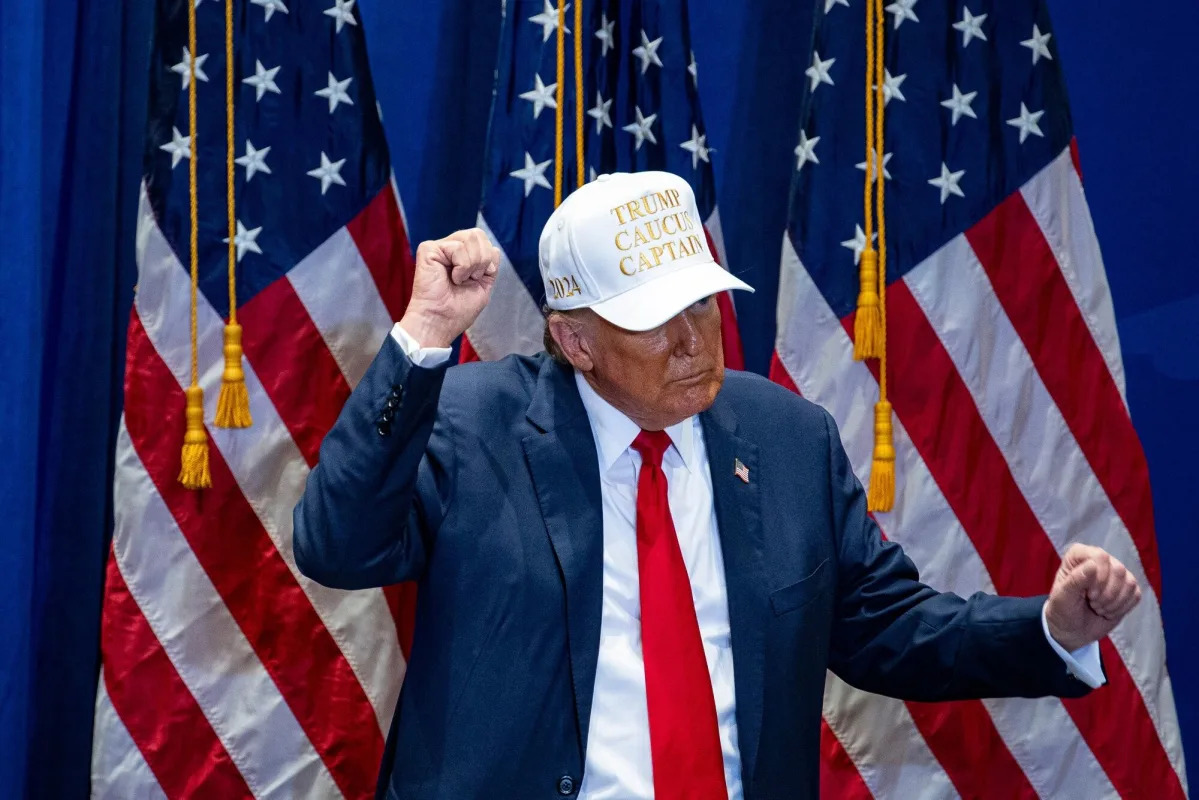
At the World Economic Forum in Davos, the possibility of another Trump presidency is a major topic of discussion among attendees, with concerns expressed by European leaders and former US Vice President Al Gore. While Trump is set to solidify his frontrunner status in the 2024 GOP contest, some, like Gore, caution against assuming his re-election is inevitable, citing past surprises in the political landscape.
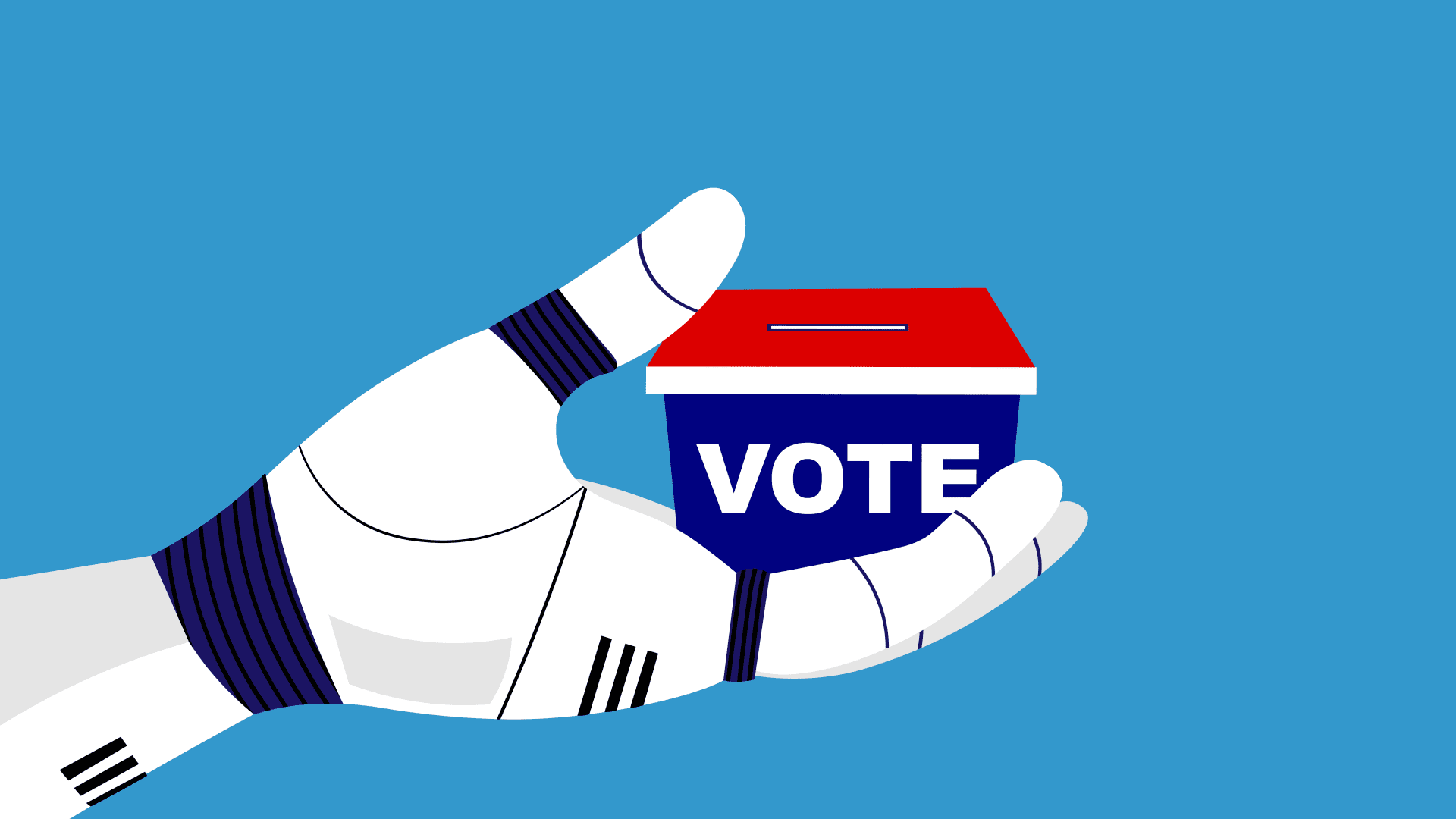
The World Economic Forum's "Global Risks Report 2024" identifies AI-derived misinformation and disinformation as the top risk for the next two years, surpassing concerns about climate change and war. The report warns that AI could influence large populations of voters, leading to societal polarization. Additionally, extreme weather events, critical changes to earth systems, and biodiversity loss are anticipated as the most likely risks over the next decade. The report calls for global cooperation and building guardrails to address these disruptive emerging risks.
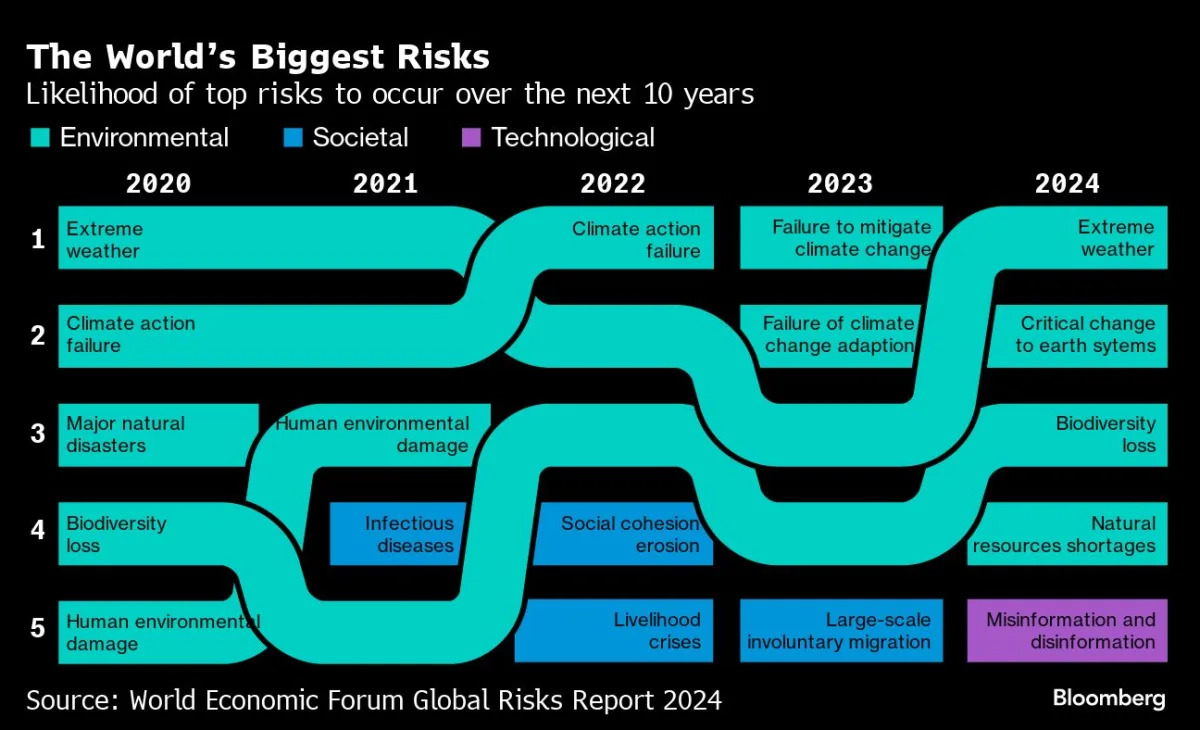
The World Economic Forum's survey reveals that misinformation and disinformation are considered the biggest threat to the global economy in the next two years, particularly with a series of elections and economic challenges on the horizon. Concerns about fake news manipulating voters are mounting, with worries about the potential impact on newly elected governments, violent protests, and terrorism. The survey also indicates a predominantly negative outlook for the world in the short and long term, with climate change and global catastrophes among the top concerns.
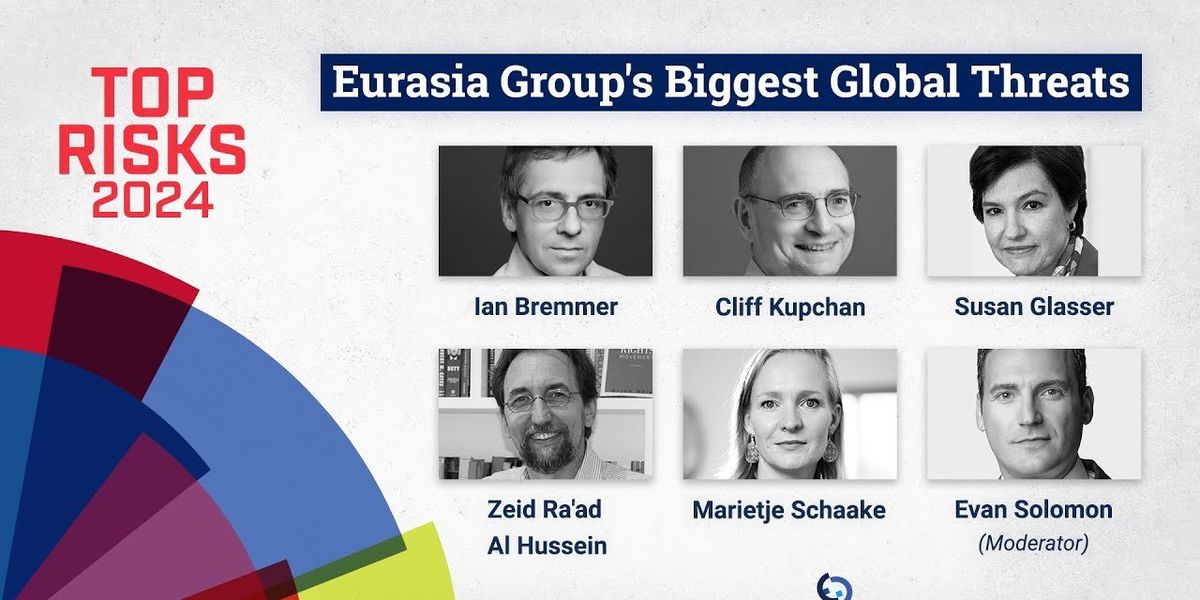
Eurasia Group's Top Risks project for 2024 highlights the potential for a turbulent year, including the war in Ukraine leading to partition, Israel's invasion of Gaza risking a wider conflict, and the divisive U.S. presidential election posing unprecedented risks for democracy. Other concerns include the rapid advancement of AI, China's economic challenges, and unpredictable weather patterns. The panel emphasizes the risk of events spiraling out of control despite the intentions of major players, with potential escalations in various global hotspots presenting significant dangers.

The top global risks for 2024 include the possibility of lingering inflation, rate hikes offsetting rate cuts, a rebound in China's economy, a potential productivity boost from artificial intelligence, and election surprises. Inflation may not be as controlled as expected, and potential causes include tight labor markets, volatile energy prices, and supply chain problems. Rate hikes in Japan could offset rate cuts by other major central banks. China's growth outlook has been revised lower, but there is potential for it to defy expectations. Artificial intelligence could boost productivity, and election outcomes may encourage nationalist policies that hinder trade. It is important to be prepared for these risks and have a well-balanced, diversified portfolio.