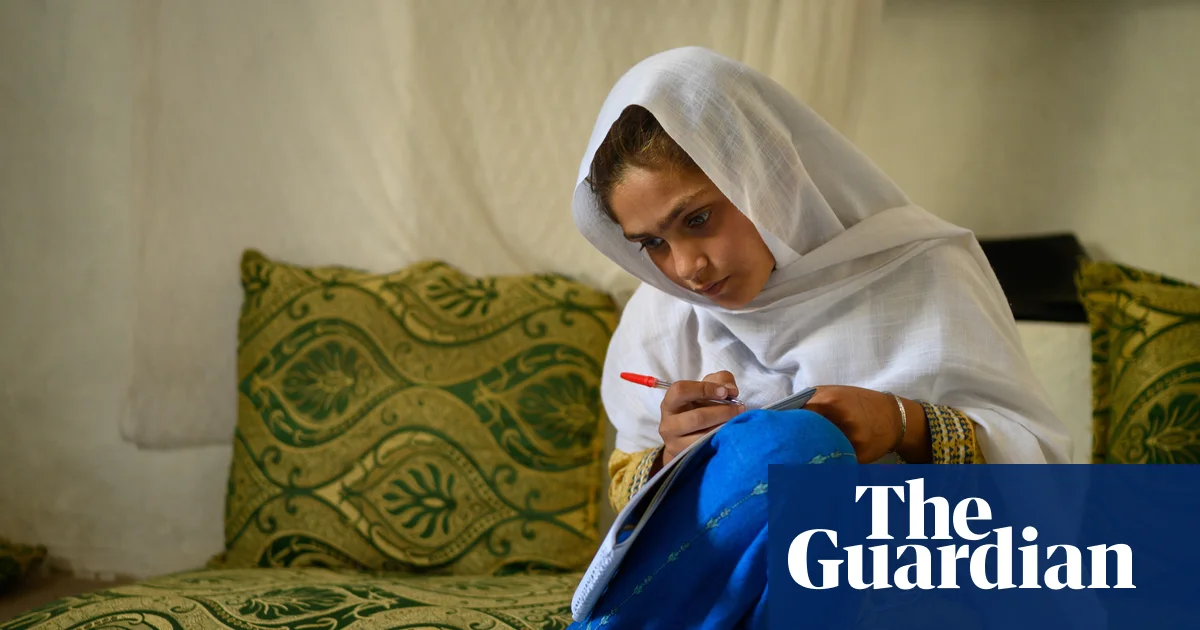
The UNICEF Photo of the Year Awards 2025 recognized powerful images highlighting children's lives and struggles worldwide, with first prize going to Elise Blanchard for her documentation of girls in Afghanistan, and other notable entries depicting air pollution in Mongolia, childhood in Indian coal mines, and various conflicts and hardships across the globe. An exhibition of the winning and honorable mention photos will be held in Berlin until April 2026.
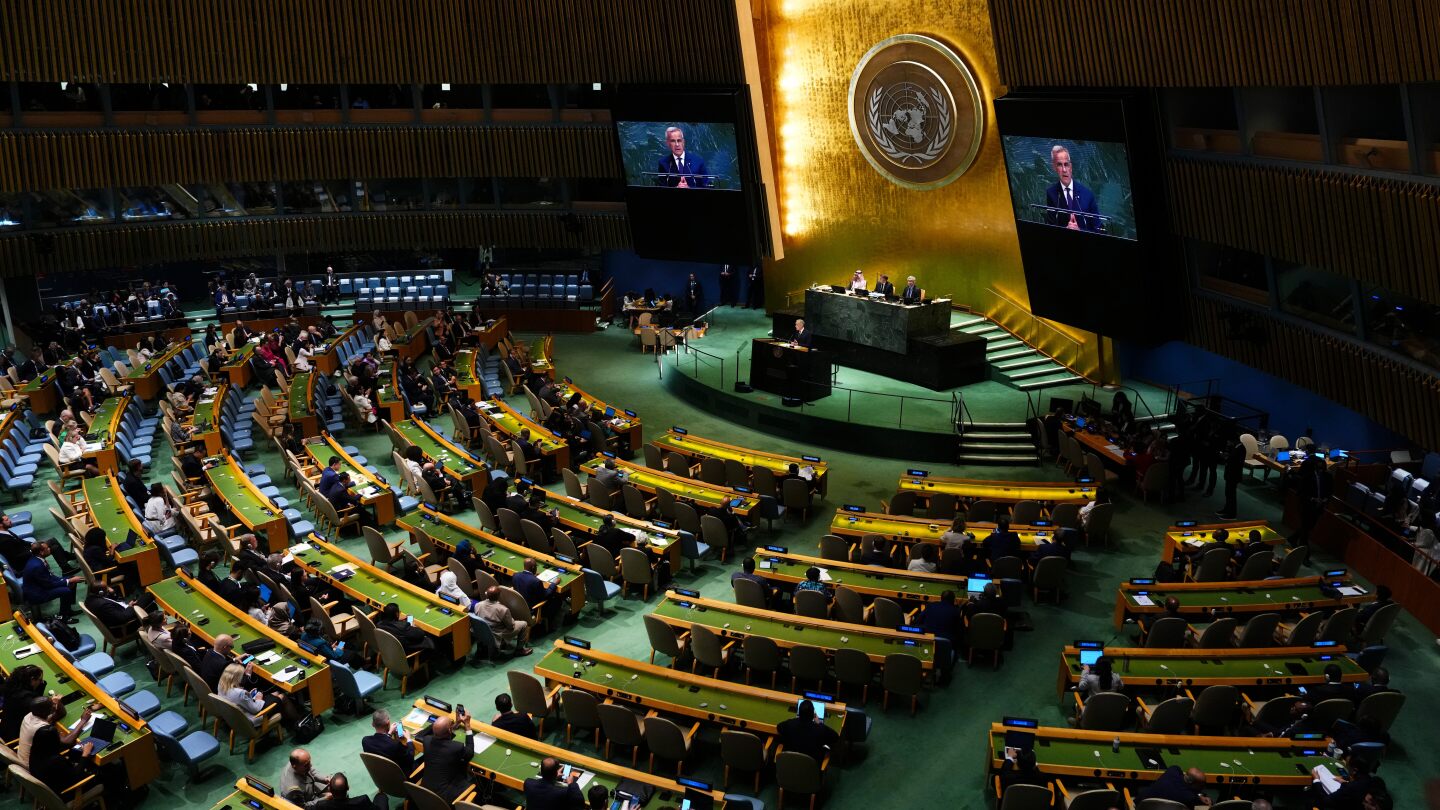
World leaders gather at the UN to discuss pressing issues including the Israeli-Palestinian conflict, with many countries recognizing a Palestinian state amid ongoing conflicts, climate change, and global challenges, while the US and Israel boycott the Gaza-focused events.
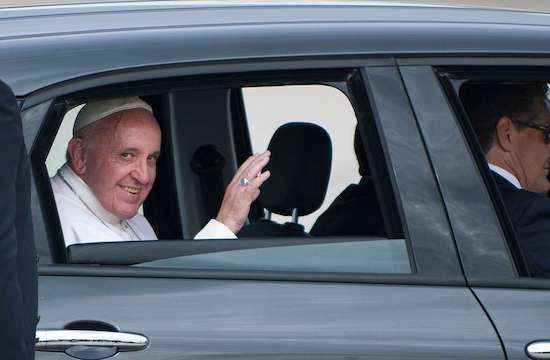
Pope Francis has been battling the flu bug, adding to a string of recent health issues, but remains determined to push forward with his mission of Church renewal and reform. Despite facing opposition and obstacles from within the Church, as well as global challenges such as political instability and conflicts, the 87-year-old pope continues to use his influence to promote peace and fraternity among people of various faiths. However, his handling of clergy sex abuse and the role of women in the Church has disappointed some Catholics. As he approaches the 12th year of his pontificate, Francis is scheduled to make trips outside of Rome and faces important appointments, while grappling with the urgency of time and the need to address various crises.
In the annual German satirical parade, floats depicted controversial scenes including Trump waving a Nazi Stars and Stripes, Putin in a compromising pose with the head of the Russian church, and Hamas pushing families in front of Israeli tanks. Other floats targeted global issues such as the war between Israel and Hamas, the Ukrainian president's desire to join NATO, and criticism of media and political figures. The parade featured 8000 participants in 85 groups and 110 floats, designed by Germany's leading carnival float designer, Jacques Tilly. Millions of revellers celebrated carnival for Rose Monday, with schools closed so children could attend the popular street parades featuring floats, brass bands, and dance groups throwing candy, chocolates, and flowers to the spectators.
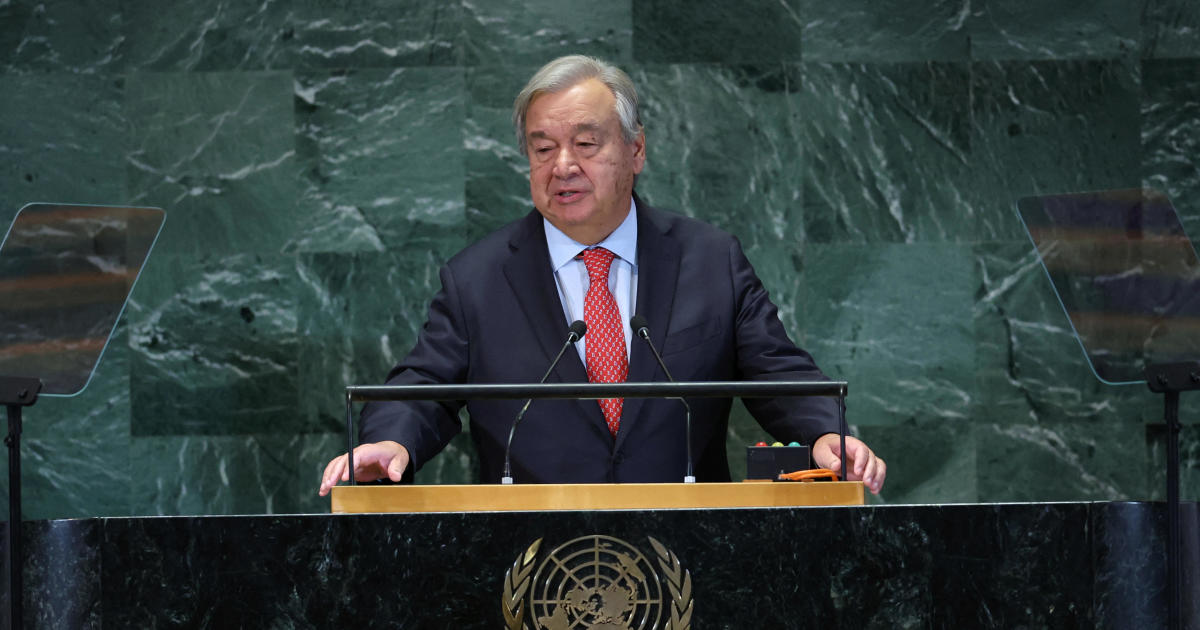
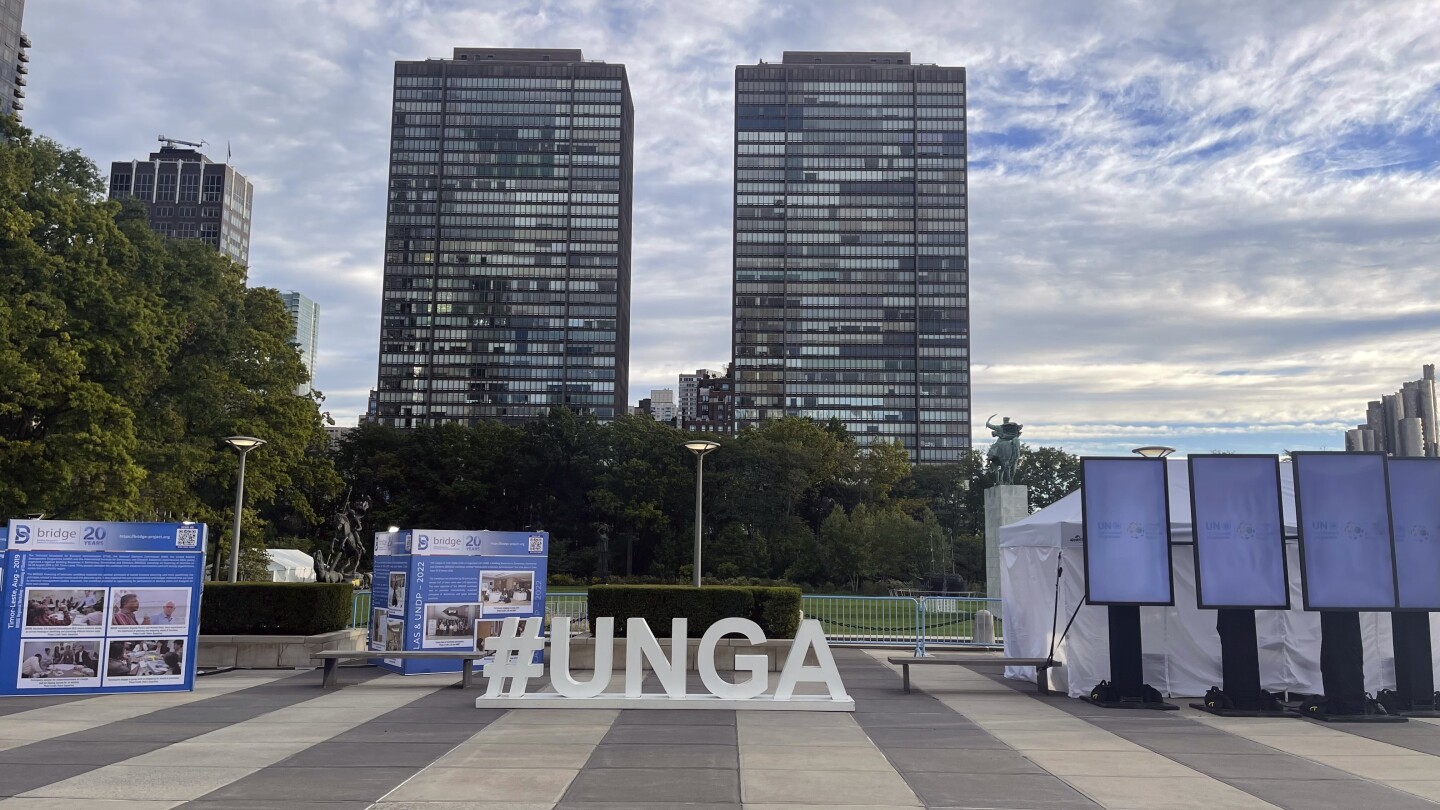
The U.N. General Assembly opens with the world facing numerous crises, including violent conflicts, the aftermath of Russia's invasion of Ukraine, climate disasters, and a surge in migrants and asylum seekers. However, only one of the five key world powers, the United States, will have its leader present at the gathering. The absence of leaders from Britain, France, Russia, and China raises questions about the U.N.'s ability to address global challenges. President Biden's attendance provides an opportunity to strengthen ties with non-Western leaders, while smaller countries and non-Western leaders are expected to speak forcefully on behalf of the developing world. The primary focus will be on the Russian invasion of Ukraine, with Ukrainian President Zelenskyy seeking support and highlighting the horrors faced by civilians. Other pressing issues include forced displacement and food insecurity. Despite the challenges, U.N. Secretary-General Guterres remains committed to addressing long-term global problems and making the U.N. more effective.
The 78th session of the UN General Assembly is set to open with no single clear crisis dominating the General Debate. The meeting will take place against the backdrop of ongoing conflicts, political crises, the COVID-19 pandemic, economic instability, widening inequality, and natural disasters. The theme for this year's General Debate is "Rebuilding trust and reigniting global solidarity: Accelerating action on the 2030 Agenda and its Sustainable Development Goals towards peace, prosperity, progress, and sustainability for all." Heads of state and government from at least 145 countries are expected to attend, with notable absences from the leaders of France, the United Kingdom, China, and Russia. The General Debate, which allows countries to broadcast their agendas and grievances, will run for six days, with Brazil speaking first as a tradition. Non-UN members, such as the European Union, Palestine, and the Holy See, are also allowed to attend as permanent observers. The Associated Press will provide extensive coverage of the General Debate.
Open Society Foundations, the charity founded by billionaire George Soros, plans to withdraw or terminate large parts of its work within the European Union as it shifts focus to other parts of the world, according to an internal email. The decision is part of a strategic shift that aims to allocate resources to make a significant impact in other regions. The foundation will continue to support civil society groups across Europe, including those working on EU external affairs, while maintaining support for European Roma communities. The organization will also continue to fund programs in Europe through national foundations.
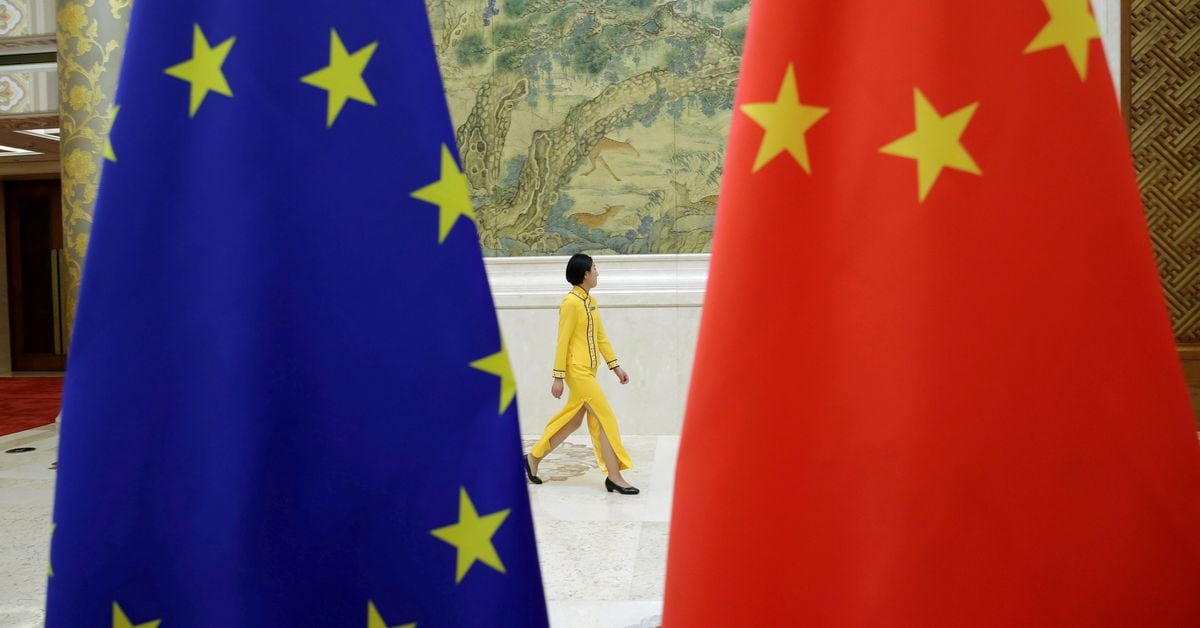
Chinese Premier Li Qiang has rejected "decoupling" and urged Europe to cooperate with China on global problems such as climate change and poverty alleviation. Li's six-day tour of the EU's two biggest economies is his first overseas trip since he became premier in March, and the latest of Beijing's charm offensives in Europe. Throughout the trip, Li urged Paris and Brussels to maintain strategic autonomy and boost cooperation with Beijing to "build more resilient supply chains".
The European Union's diplomatic service has proposed a recalibration of the bloc's China policy, aiming to reduce the risks of economic dependency on Beijing while continuing to cooperate on global issues. The proposal suggests screening investments more closely and more robust export controls, as well as diversifying sources of supply in key sectors. The EU will continue to engage with China, but the rivalry aspect has become more important. Coordination with the United States will remain essential, but the EU should not subscribe to an idea of a zero-sum game between the US and China.
President Biden will attend the G7 Leaders’ Summit in Hiroshima, Japan on May 19-21 to discuss pressing global issues, including support for Ukraine, addressing food and climate crises, and leading a clean energy transition. He will also attend the third in-person Quad Leaders’ Summit in Sydney, Australia on May 24 with leaders from Japan, India, and Australia to discuss cooperation on critical and emerging technologies, infrastructure, global health, climate change, and maritime domain awareness in the Indo-Pacific.