
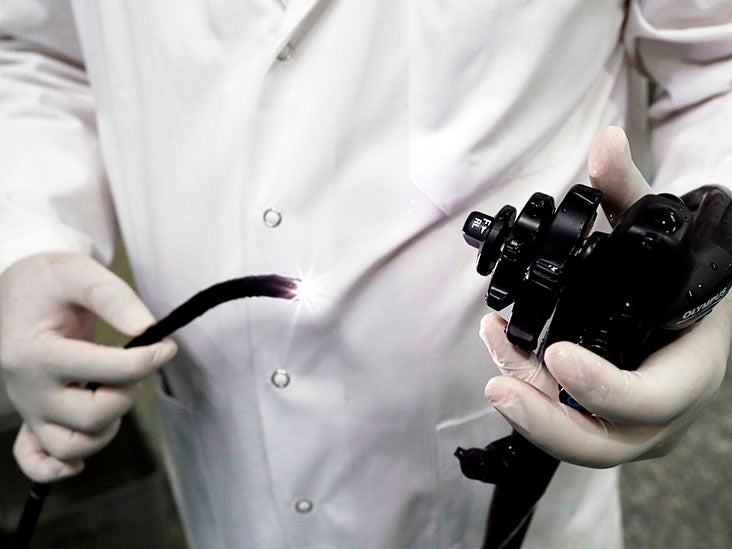
A new endoscopic procedure that makes changes to the lining of the small intestine could reduce the need for insulin for some people with type 2 diabetes, according to a study presented at Digestive Disease Week 2023. The one-hour procedure delivered electrical pulses to the duodenum, a portion of the small intestine lining located right below the stomach. The researchers reported that 86% of the participants maintained glycemic control during the one-year follow-up. However, experts say maintaining a healthy weight is the best prevention against type 2 diabetes.
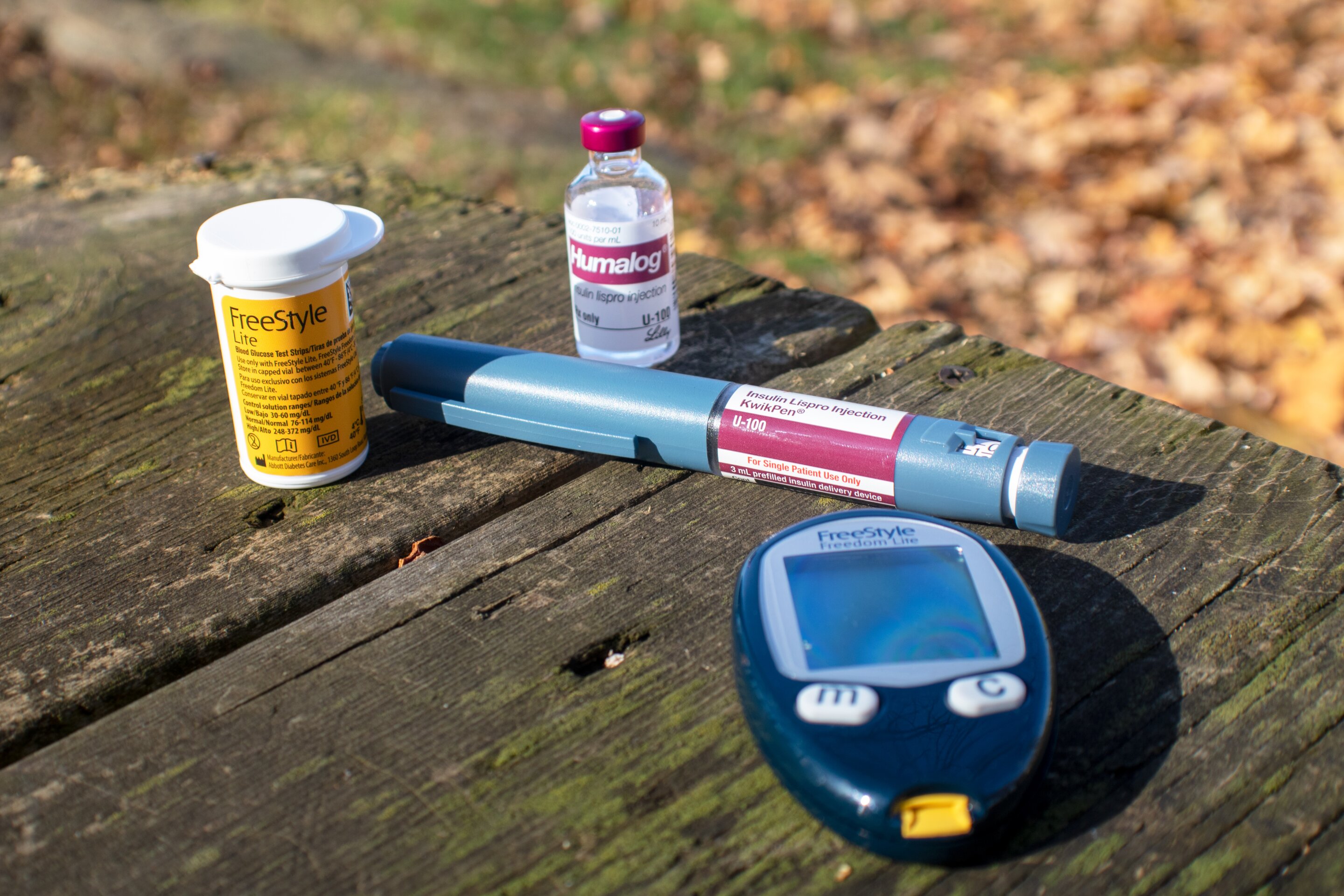
A preliminary study presented at Digestive Disease Week 2023 suggests that an endoscopic procedure using controlled electrical pulses to modify the lining of the small intestine could allow patients with type 2 diabetes to stop taking insulin and still maintain glycemic control. In the study, 86% of patients maintained good glycemic control without insulin for a year after the procedure. The authors are beginning work on a double-blind randomized controlled trial to test these results.
Doctors at Jerusalem’s Shaare Zedek Medical Center have performed an innovative endoscopic procedure called transoral incisionless fundoplication (TIF) for the first time in Israel, which successfully treats patients suffering from heartburn acid reflux and can replace surgery. The minimally invasive procedure reconstructs the valve between the stomach and esophagus, preventing stomach acid from coming up into the esophagus. TIF can replace open surgery that involves a long recovery and makes possible a quick return to routine without incisions within 24 hours. Reflux is one of the most common diseases in the Western world and in Israel, and the new treatment can prevent complications, treat symptoms, and prevent esophageal cancer.