The NBA is reportedly finalizing written contracts with Disney, NBC, and Amazon for its next media rights deal, which could lead to legal action from Warner Bros. Discovery. The expected deal includes ESPN maintaining the league's top package, NBC taking over the "B" package, and Amazon receiving a package that includes various rights. The NBA is set to more than double its current rights deal by receiving over $7 billion annually from Disney, NBC, and Amazon, with potential fallout including the uncertain future of TNT's Inside the NBA.
The College Football Playoff and ESPN have reached a new six-year, $7.8 billion deal, extending ESPN's exclusive media rights through the 2031-32 season. The agreement includes an expanded 12-team format starting in 2024-25, with ESPN adding coverage of the new first-round games. Beginning in 2026-27, ESPN will have exclusive rights to all rounds of the expanded playoff and related programming. The deal also allows for potential expansion to a 14-team format. The financial distribution plan will significantly increase payouts for the Big Ten and SEC schools, while Group of 5 schools will see a modest increase.
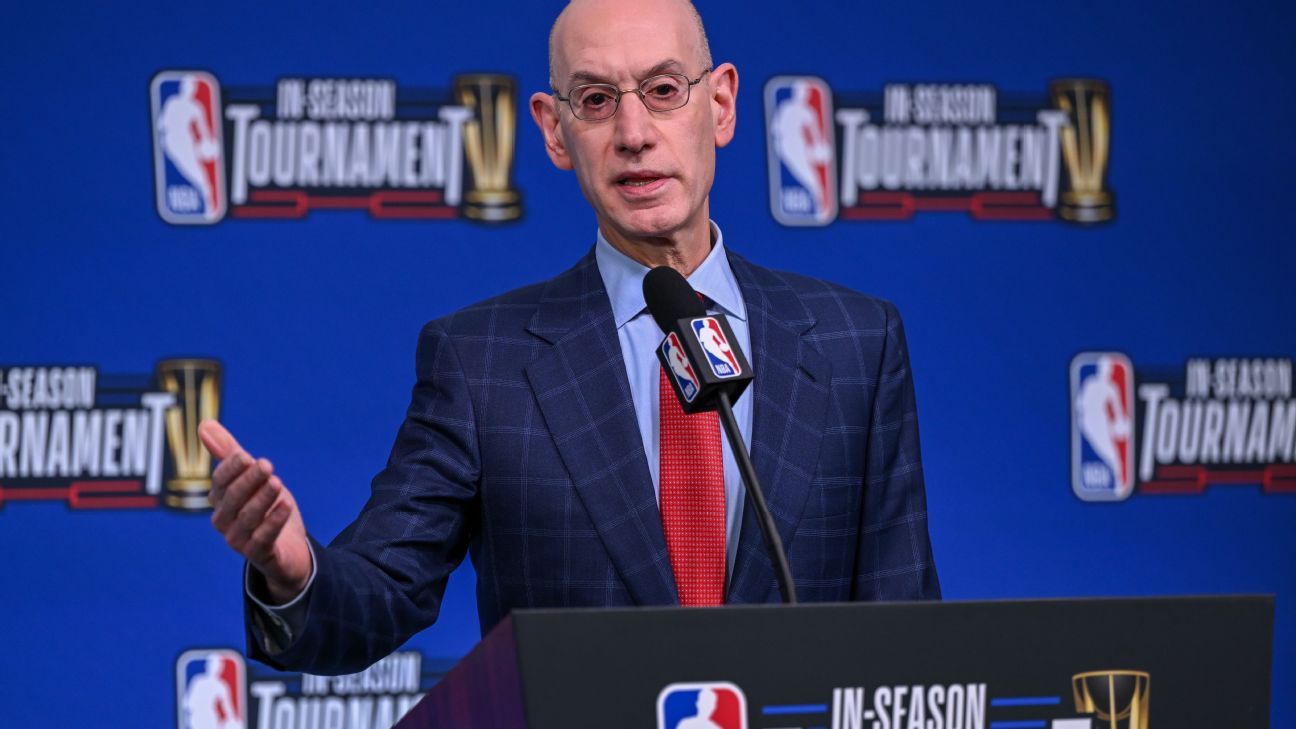
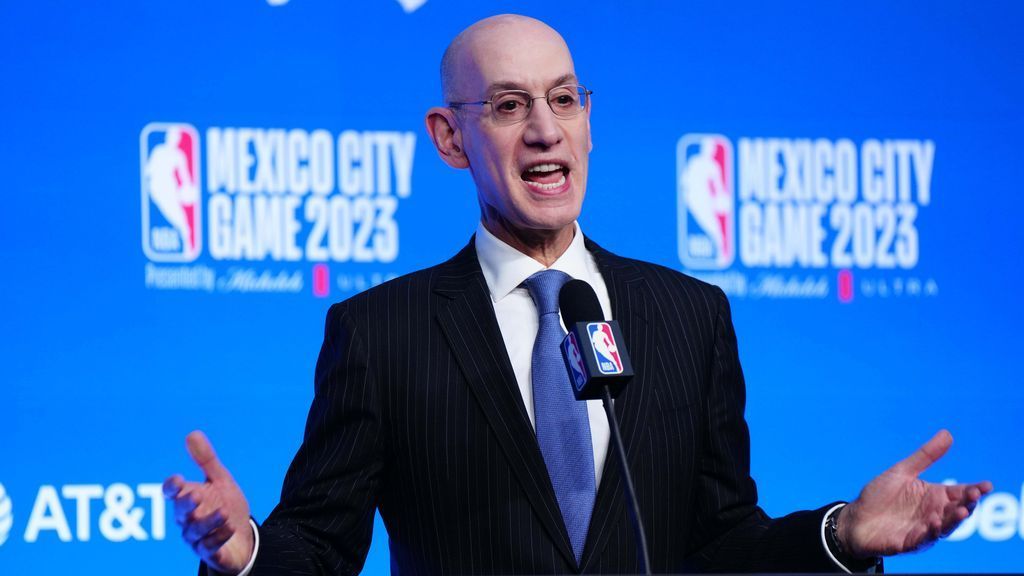
NBA commissioner Adam Silver confirms that Las Vegas is "definitely on our list" for potential expansion franchises, citing the city's successful hosting of the NBA summer league, a WNBA franchise, and All-Star Weekend. Expansion talks will likely occur after the current media rights deal expires, with Seattle and Mexico City also being considered as potential locations. Silver is set to discuss this further at his annual All-Star Weekend news conference.
NBA commissioner Adam Silver is finalizing a contract extension expected to take him through the end of the decade, allowing him to pursue the league's next major objectives such as a new media rights deal and league expansion. Known for his consensus-building approach, Silver has overseen significant initiatives including play-in tournaments, draft lottery reform, and a new collective bargaining deal with the Players Association. He has also navigated crises such as the suspension of the NBA season due to COVID-19 and oversaw the bans, suspensions, and sales of teams by problematic owners.
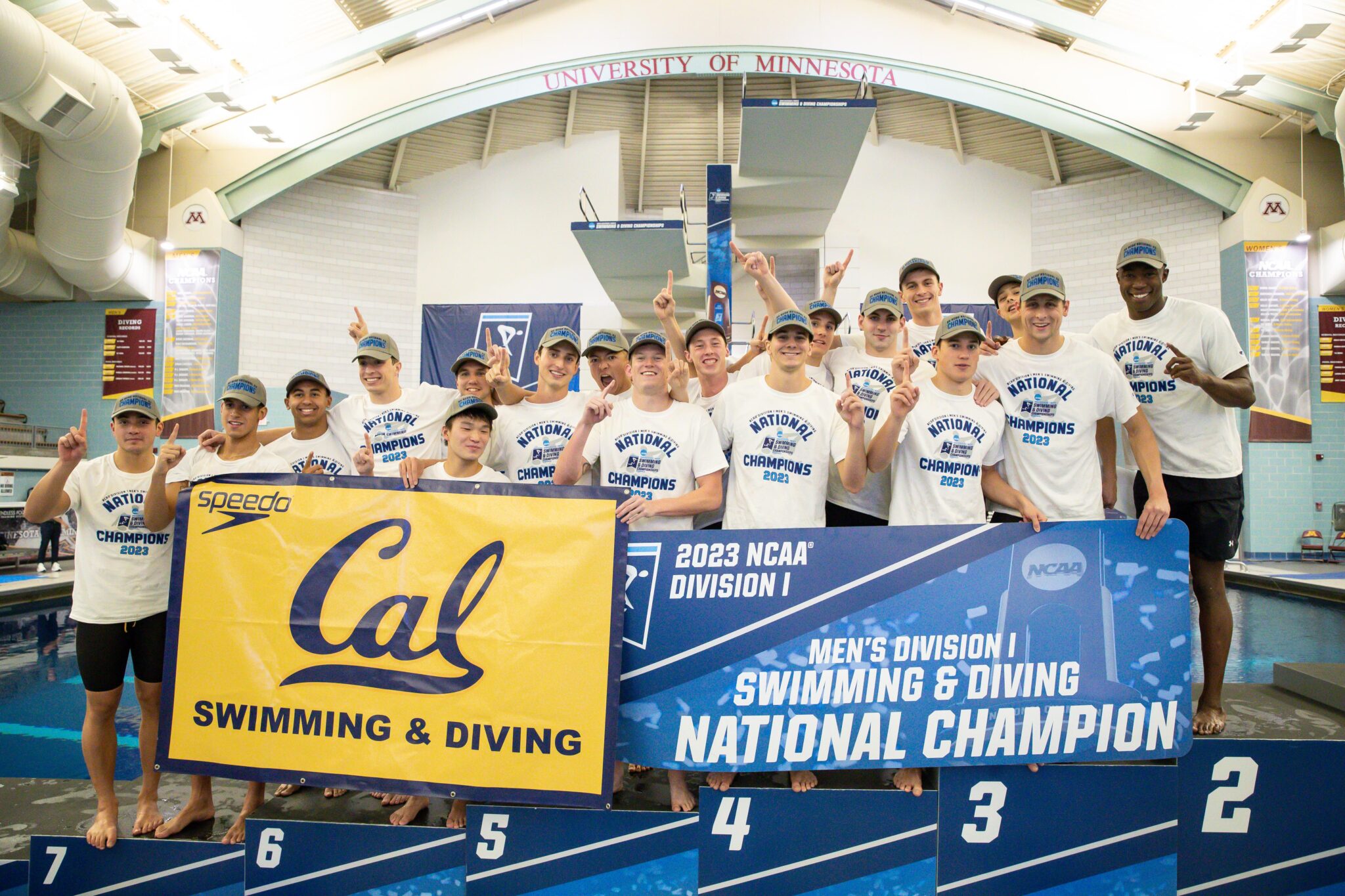
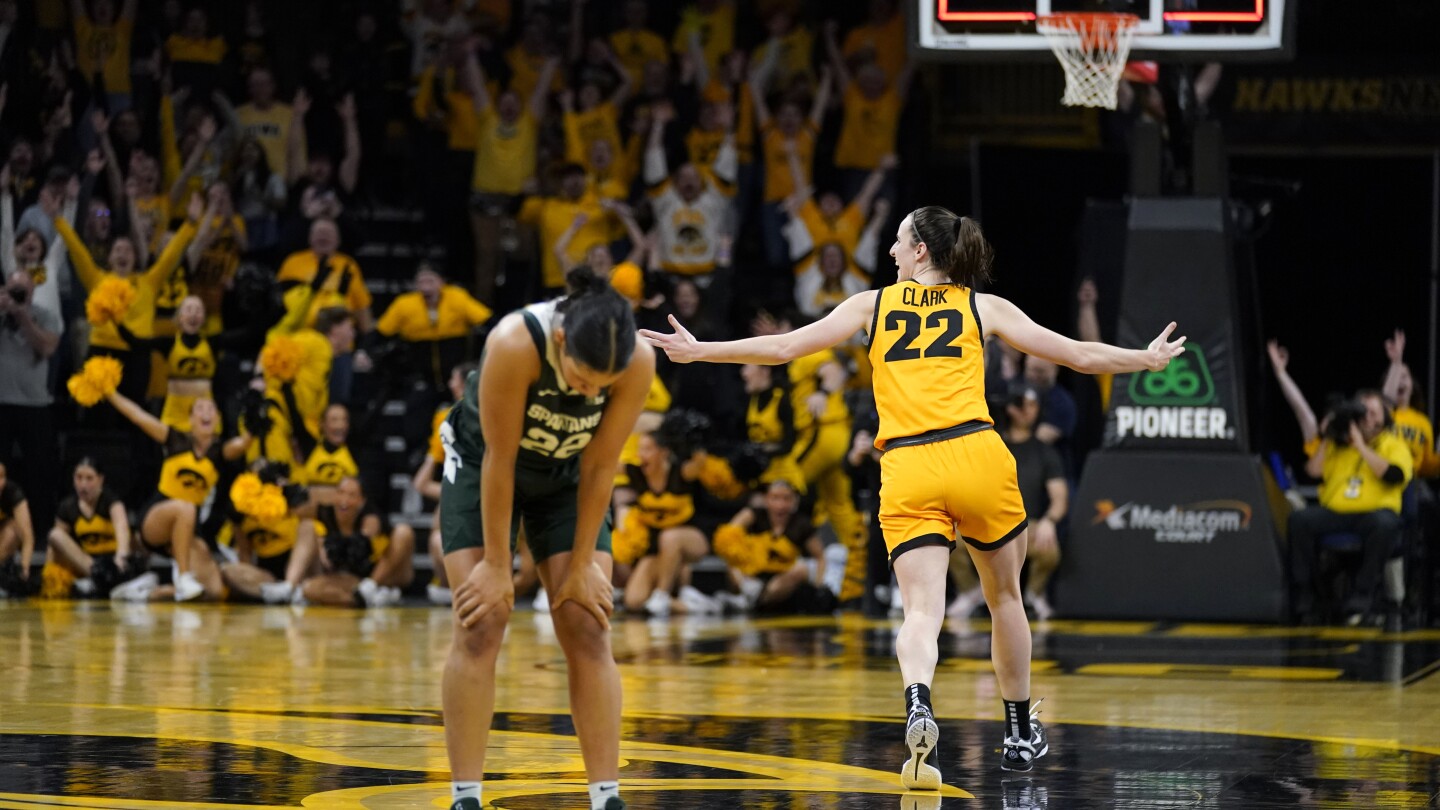
ESPN has secured a significant media rights deal with the NCAA, worth $115 million annually over eight years, marking a substantial increase from the previous $40 million per year contract. This deal grants ESPN exclusive global broadcast rights to 21 women's and 19 men's championship events, including women's basketball and volleyball, which have seen a surge in viewership. The agreement also ensures that marquee events like the women's basketball national championship game will be aired on ABC, with additional exposure for other sports. The partnership, which extends a relationship that began in 1979, aims to enhance the exposure and revenue distribution for NCAA members, particularly in women's sports, and includes international rights to the men's Division I basketball tournament.
The NCAA has secured an eight-year media rights deal with ESPN valued at $920 million, significantly increasing the annual value to more than $115 million, compared to the previous $40 million. The deal, starting September 1 and running through 2032, covers 40 NCAA championships, with a focus on women's events and includes international rights. This agreement, which is a substantial increase from the current contract, will also support production, marketing, and student-athlete benefits, highlighting the growing value of women's sports in the media rights landscape.
The NCAA has entered into a significant $920 million, eight-year media rights deal with ESPN, granting the network exclusive broadcasting rights to 40 collegiate championships, including the increasingly popular Division I women’s basketball tournament. This deal represents a substantial increase from the previous agreement and aims to address past criticisms of undervaluing women's sports. The agreement also includes airing national championship events for other women's sports on ABC and the potential for performance units for women's tournament success, similar to the men's. The deal, which was negotiated within ESPN's exclusive window, reflects a strategic choice in a changing media landscape, prioritizing the bundled package's value over individual tournament rights.
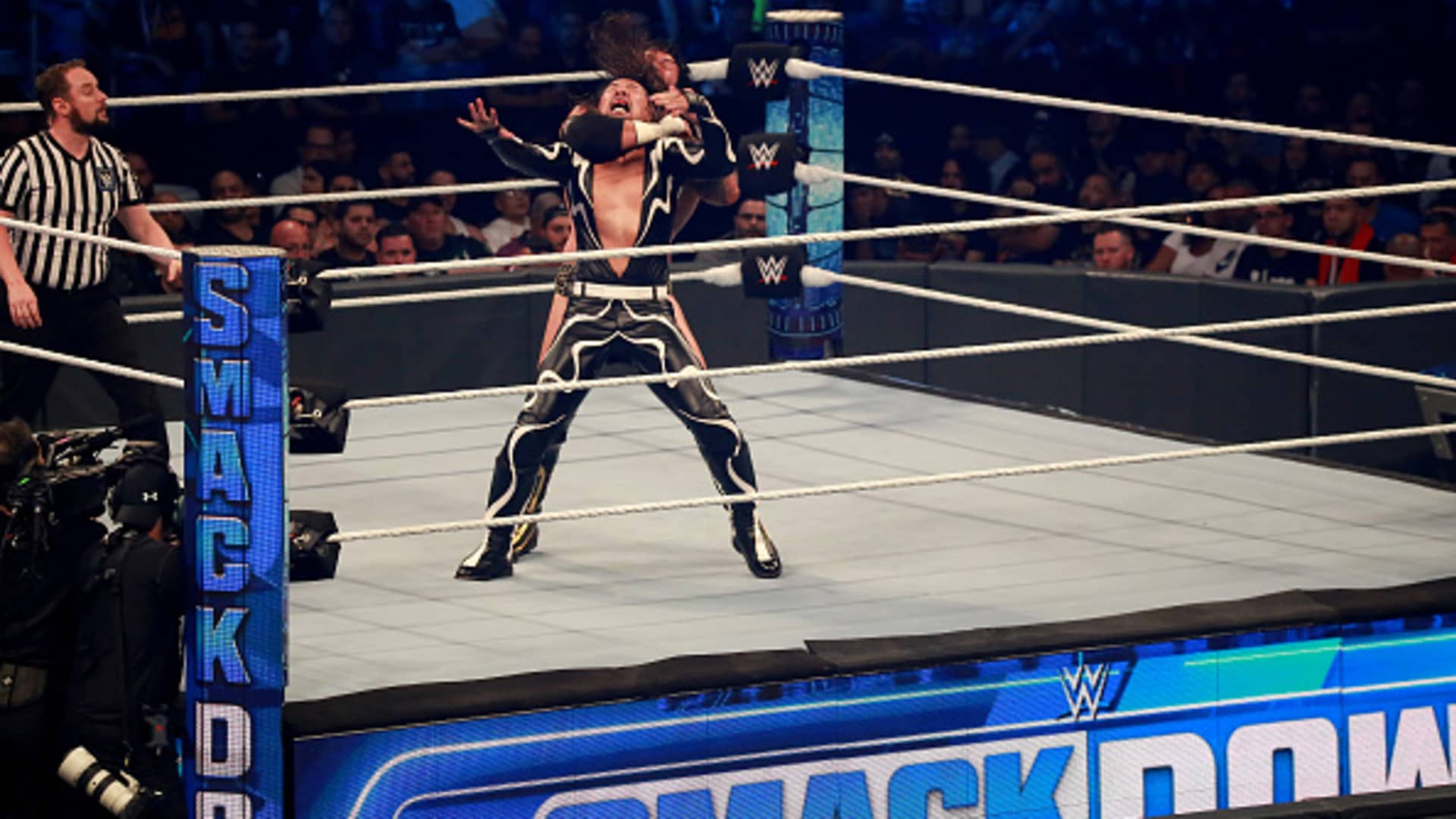
WWE's "SmackDown" will be returning to NBCUniversal's USA Network in October 2024 as part of a five-year domestic media rights partnership between TKO Group Holdings and NBCUniversal, in a deal worth over $1.4 billion. The agreement comes after "SmackDown" had been airing on Fox since 2019. WWE will also produce four prime-time specials per year to air on NBC starting in the 2024-2025 season.
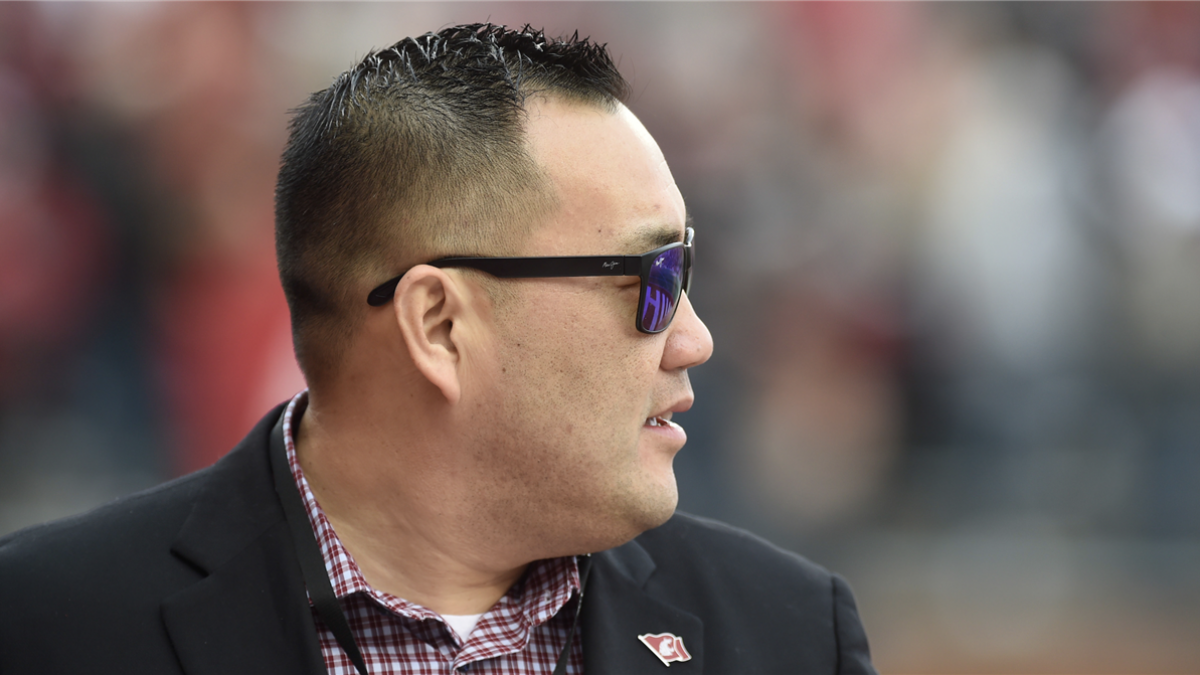
Washington State athletic director Pat Chun blames mismanagement and poor leadership for the mass exodus of schools from the Pac-12 conference. He specifically points to the inability of recent commissioners Larry Scott and George Kliavkoff to secure a competitive media rights deal as a major factor. Chun calls for better leadership in college football to prevent further departures and warns of a bleak future without it. Washington State is exploring various options for its own future, including joining the Mountain West, a conference merger, or reviving the Pac-12 with a new lineup. The decisions of Stanford and Cal will also impact Washington State's next move. ACC schools are reportedly assessing the potential value of Stanford, Cal, and potentially SMU for future expansion, but any move that reduces existing members' distribution is considered unfavorable.
The Pac-12 conference received an underwhelming media rights deal from Apple, offering $23 million per school annually with incentives based on projected subscribers to a Pac-12 streaming product. The deal had an opt-out clause after three years and no guarantee of simulcasting games on a linear network. Despite the disappointing offer, several athletic directors believed a deal was imminent, but it fell apart at the last minute. As a result, Arizona and Utah applied for Big 12 membership, while Oregon and Washington decided to join the Big Ten. The Pac-12 conference was left with only four remaining members.
The boards of regents for Arizona's two biggest universities and the University of Washington have scheduled special meetings amid speculation that more Pac-12 schools could leave the conference. Southern California and UCLA are already set to join the Big Ten next year, while Colorado is leaving for the Big 12. This leaves the Pac-12 with nine schools and no media rights deal beyond the upcoming school year. The uncertainty has raised concerns about the future of the conference, with the Big Ten reportedly considering adding West Coast schools if the Pac-12 continues to crumble. The Big 12 has also targeted Pac-12 schools in its bid to secure a media rights deal.
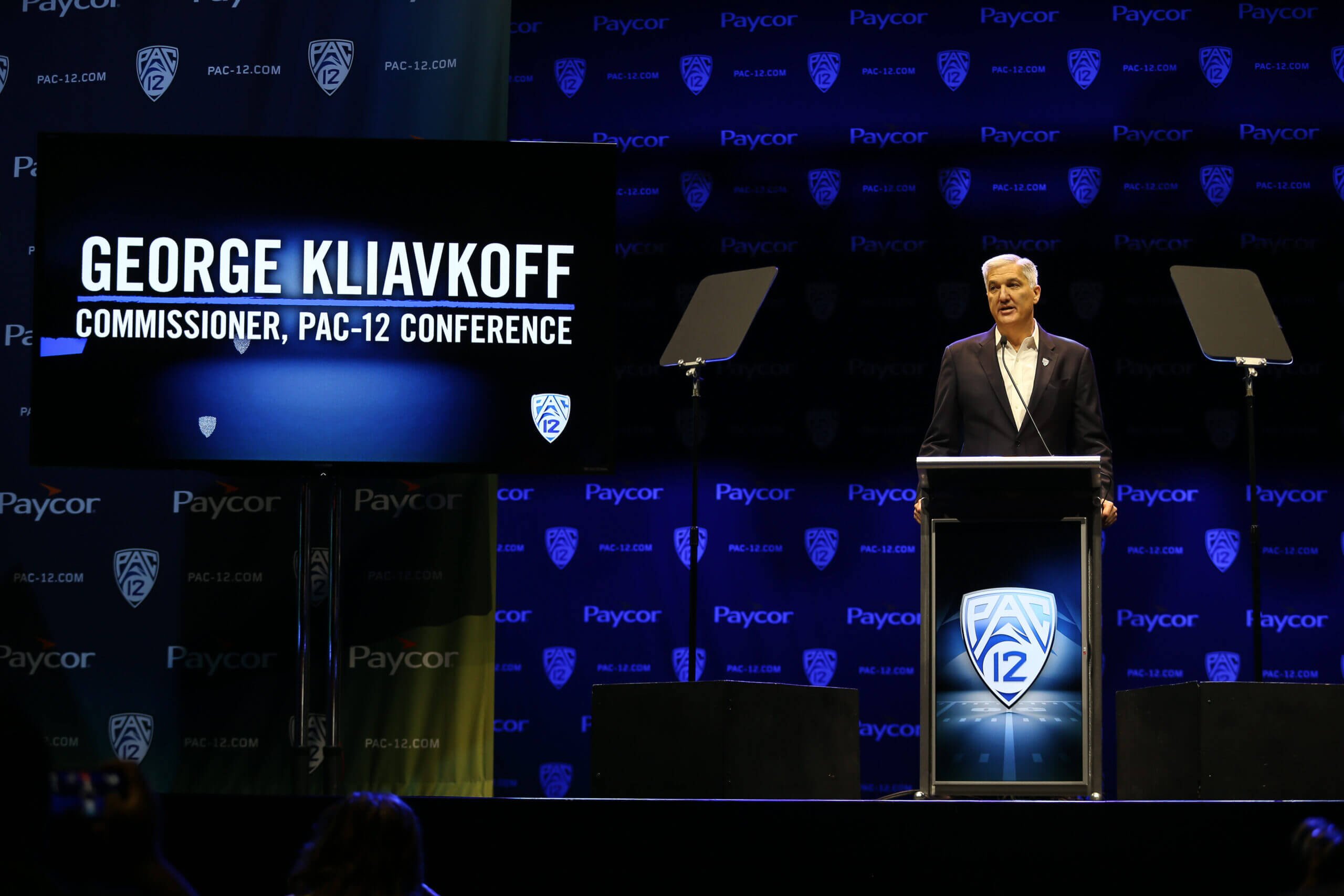
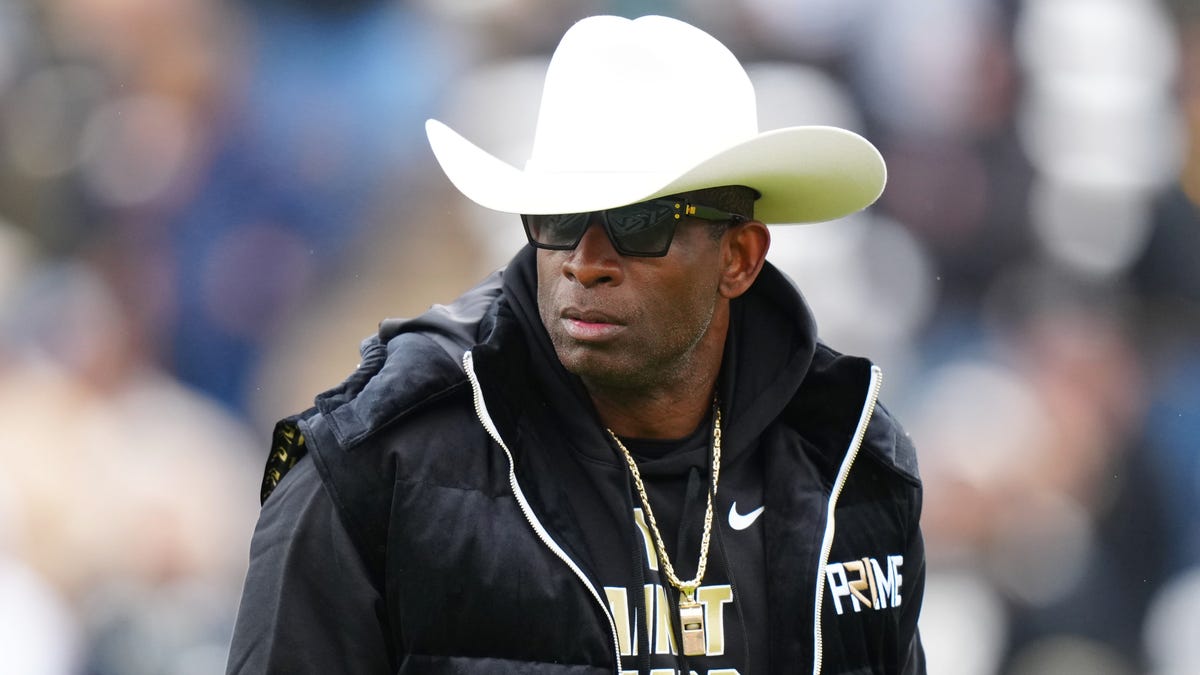
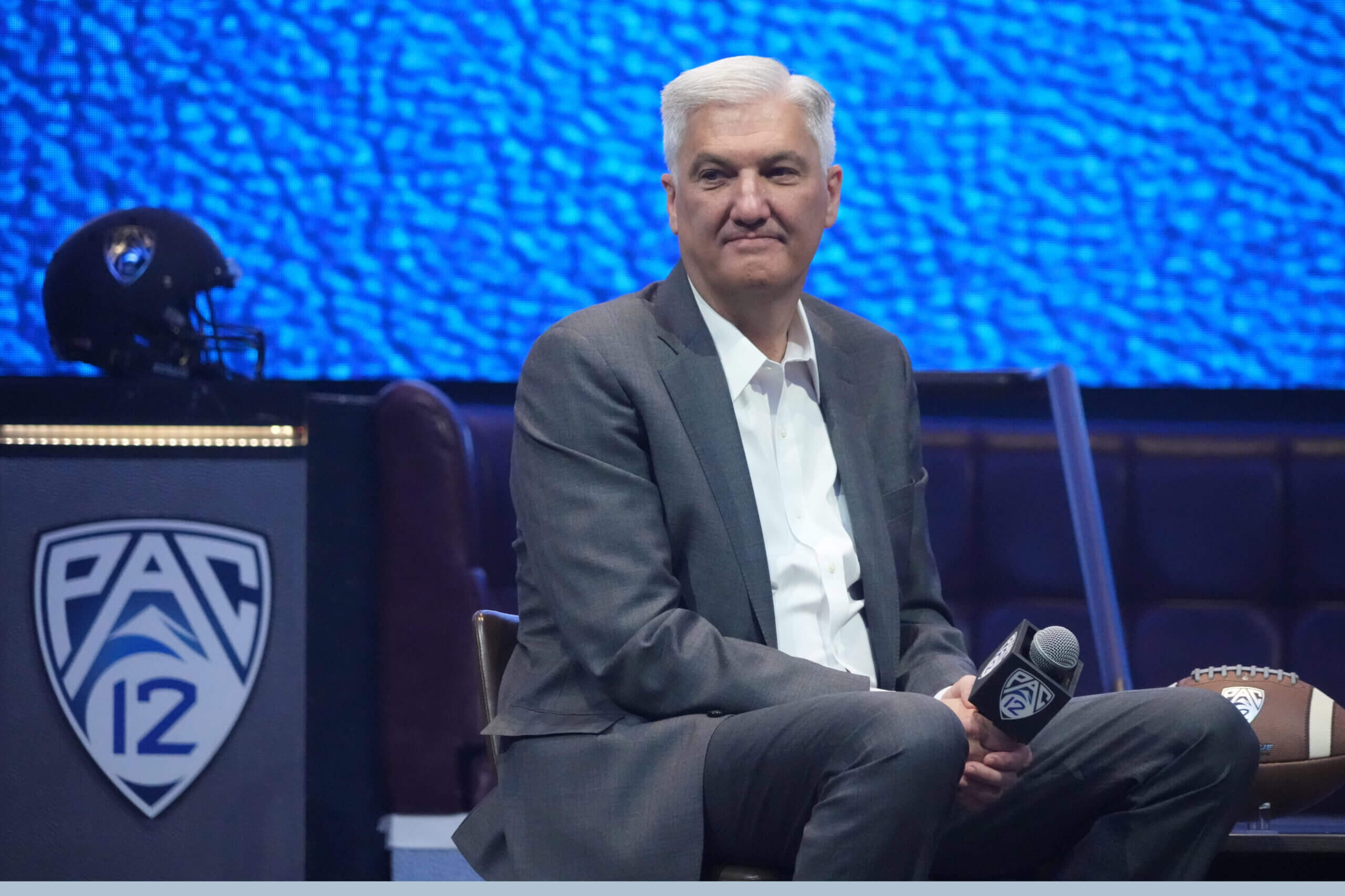
Pac-12 Commissioner George Kliavkoff believes that the new media rights deal he is working on will keep the conference intact, despite USC and UCLA leaving for the Big Ten next year. Kliavkoff stated that the longer they wait for the media deal, the better their options become, with new bidders coming to the table. He also expressed confidence in the future of the conference, citing the expansion of the College Football Playoff and the investment in football. Additionally, Kliavkoff praised the star power of Colorado football coach Deion Sanders, comparing it to that of Taylor Swift and Beyonce.
At the Pac-12 football media day, commissioner George Kliavkoff tried to shift the focus to the upcoming season, but faced numerous questions about the ongoing drama surrounding the league's media rights deal. While Kliavkoff expressed optimism about progress being made, no concrete details or signed deals have been announced. Expansion is also a topic of discussion, with some schools reportedly not in favor of it. The Pac-12 is eager to finalize its TV deal and wants attention on the exciting football season ahead.
San Diego State University will remain a member of the Mountain West Conference (MWC) after initially announcing its potential withdrawal to join the Pac-12. The MWC informed SDSU that it will stay in the conference, but the university will have to cover legal fees resulting from the initial withdrawal letter. The Pac-12, which has yet to finalize a new media rights deal, is still in negotiations with potential rightsholders, and there is no set timetable for a new agreement. The hope was that SDSU would replace UCLA and USC as a second California team in the Pac-12.
The Pac-12 is expected to announce its media rights deal in the near future, which will likely include a mix of streaming and linear options and be on-par with the ACC and Big 12. The deal is crucial for the conference to stay intact after the departure of USC and UCLA to the Big Ten in 2024. The 10 remaining schools have pre-negotiated the grant of rights deal, but their satisfaction with the new deal will determine their commitment to the conference. The Pac-12's timeline involves completing the media deal, signing the grant of rights, and then considering further expansion. Some schools believe that being in a conference of 10 will be beneficial due to the expanded College Football Playoff in 2024.