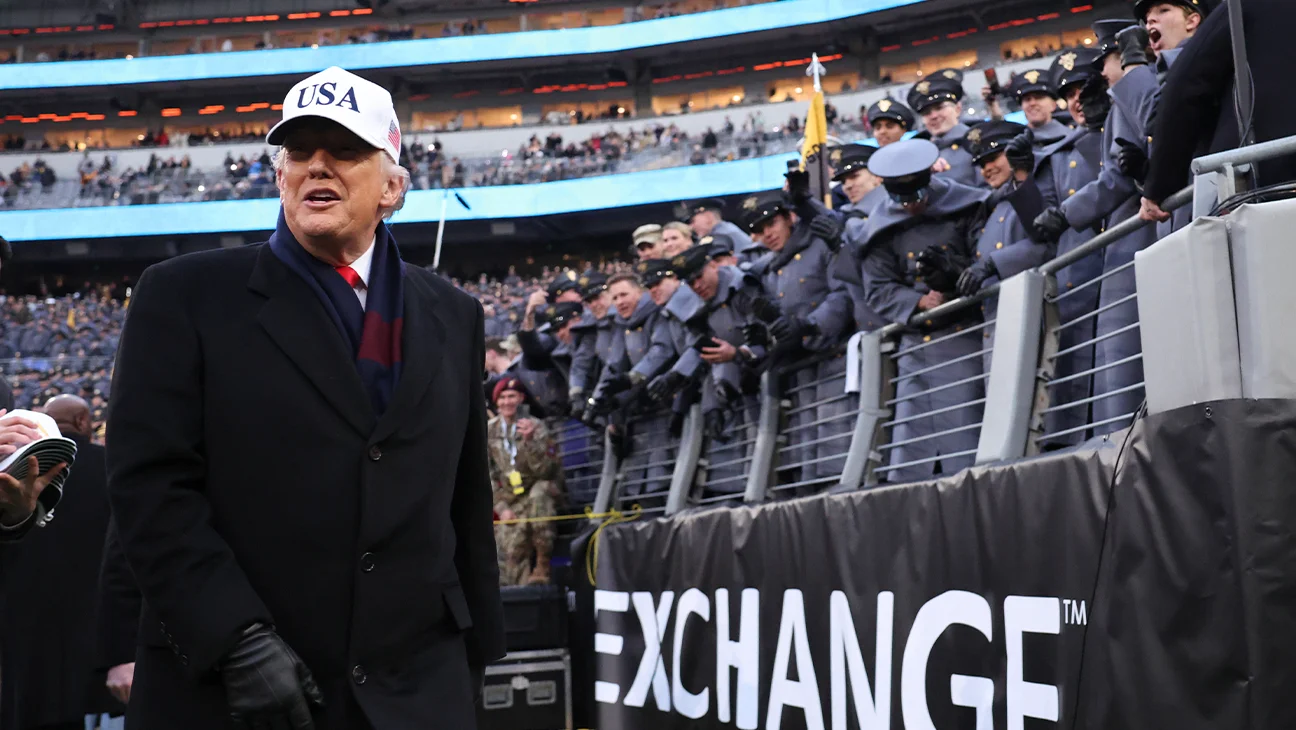
The 2025 Kennedy Center Honors hosted by Donald Trump experienced a significant drop in viewership to 3.01 million, the lowest ever, despite Trump's predictions of high ratings. The event, which included notable honorees like Sylvester Stallone and Kiss, aired on CBS and Paramount+ but faced backlash over the Trump name and the show's declining audience. The broadcast's poor ratings and the end of CBS's TV rights deal may lead to new negotiations with other media companies, including Netflix and Paramount.
The NFL has secured long-term deals including a partnership with EA Sports to continue Madden NFL through 2030, expanded its global reach with Amazon Prime Video for the Black Friday game, and signed a major media rights deal with ESPN and Disney. Additionally, the league is making significant changes to the Pro Bowl, moving it to Super Bowl week and incorporating new formats and coverage, while also addressing entertainment choices like the Super Bowl halftime show featuring Bad Bunny.
The Big Ten is in a holding pattern over a proposed private capital deal involving a new entity, Big Ten Enterprises, which aims to secure over $2 billion from a UC pension fund in exchange for a stake, but faces opposition from some schools and concerns about short-term financial strategies and long-term stability. The deal, still under negotiation, has not been voted on and is met with mixed reactions regarding its impact on college sports' financial health and future.
The Big Ten is close to approving a private equity deal that will create a new entity, Big Ten Enterprises, to manage media rights and sponsorships, infusing over $2 billion into league schools, with the deal extending the league's Grant of Rights through 2046 and involving the UC pension fund as a minority investor, aiming to boost financial stability and competitiveness.
The NFL aims to renegotiate its media rights deals as early as 2026, potentially increasing revenue and impacting other sports leagues, with discussions possibly starting sooner than the current agreement's 2030 opt-out, depending on regulatory and partnership considerations.
UFC's recent media rights deal was unexpectedly with Paramount instead of Netflix, primarily because Netflix was only interested in pay-per-view events and not the broader fight card package, leading UFC to pursue a more comprehensive deal with Paramount. Despite carrying WWE Raw, Netflix's focus on high-profile spectacles like Crawford vs. Álvarez suggests future collaborations may still occur, but on different terms.
Major League Baseball is close to finalizing new three-year media rights deals with ESPN, NBC, and Netflix, covering live games, playoffs, and special events like the Home Run Derby, as traditional TV viewership declines and streaming services seek sports content. The deals include NBC acquiring Sunday games and Wild Card playoffs, Netflix obtaining Derby rights, and ESPN securing a new package of in-market and national games, with all rights expiring after 2028.
Paramount has made a significant investment in sports media by acquiring UFC rights for $1.1 billion annually starting in 2026, surpassing previous spending by ESPN and signaling a bold move before the U.S. sports media market faces challenges.
Ariel Helwani warns that UFC's move from ESPN to Paramount may lead to reduced exposure and coverage, potentially impacting its popularity and visibility, despite a lucrative media rights deal.
UFC has secured a $7.7 billion, seven-year streaming deal with Paramount+ and CBS, marking a significant shift away from pay-per-view events, with the new partnership expected to boost UFC's media revenue and platform engagement, while also hinting at potential political and promotional opportunities.
The NFL is lobbying Congress to approve its non-binding deal with ESPN, which involves complex ownership and media rights issues that could impact consumer costs and competition among broadcasters. The deal is under review by the Department of Justice, and its approval is uncertain, raising concerns about market dominance and the NFL's vested interests in multiple media assets.
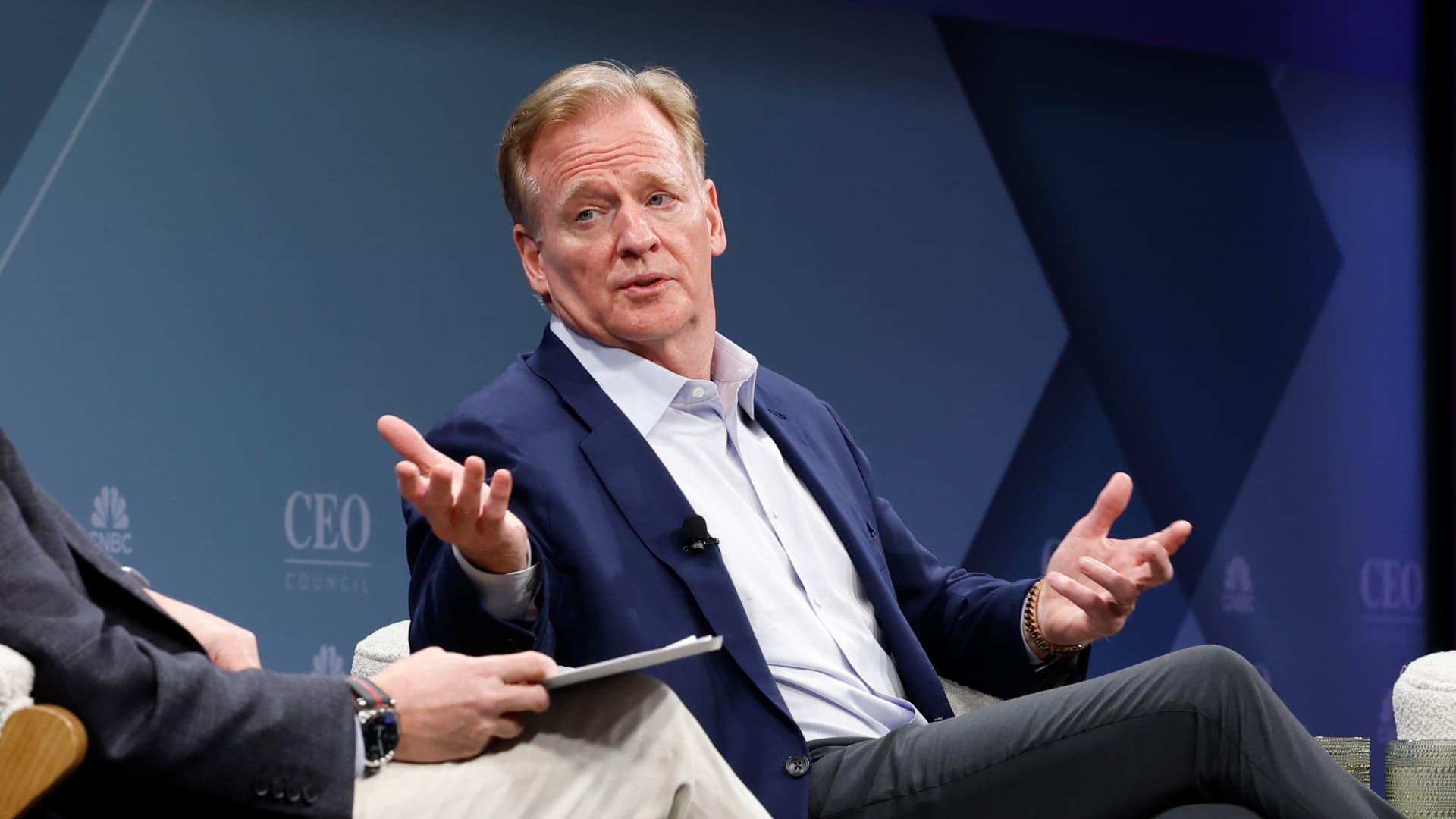
NFL Commissioner Roger Goodell hinted at the possibility of a College Football RedZone channel following ESPN's acquisition of the NFL Network and NFL RedZone, suggesting fans could soon enjoy a dedicated channel for multiple college football games, similar to the NFL RedZone experience. The NFL will continue to produce NFL RedZone, while ESPN now owns the rights to the name and can develop similar content for college football and other sports. The deal also includes ESPN acquiring the NFL Network and other NFL media assets in exchange for a stake in ESPN.
Patriots owner Robert Kraft expressed confidence in the new ESPN-NFL Network deal, which involves ESPN acquiring NFL Network and expanding NFL programming, aiming to grow the league's audience globally and increase revenue, pending approval from team owners and regulators.
ESPN, a Disney subsidiary, is acquiring the NFL Network in a landmark deal that includes a 10% NFL stake in ESPN, expanding NFL content across ESPN's platforms, and merging NFL Fantasy Football with ESPN Fantasy Football, aiming to enhance the fan experience and expand NFL coverage.
Fox Corporation has acquired a one-third stake in Penske Entertainment, including INDYCAR and Indianapolis Motor Speedway, and extended its media rights deal, signaling a new era of growth with innovative events, digital expansion, and increased promotion for the series, which has seen rising viewership and attendance.