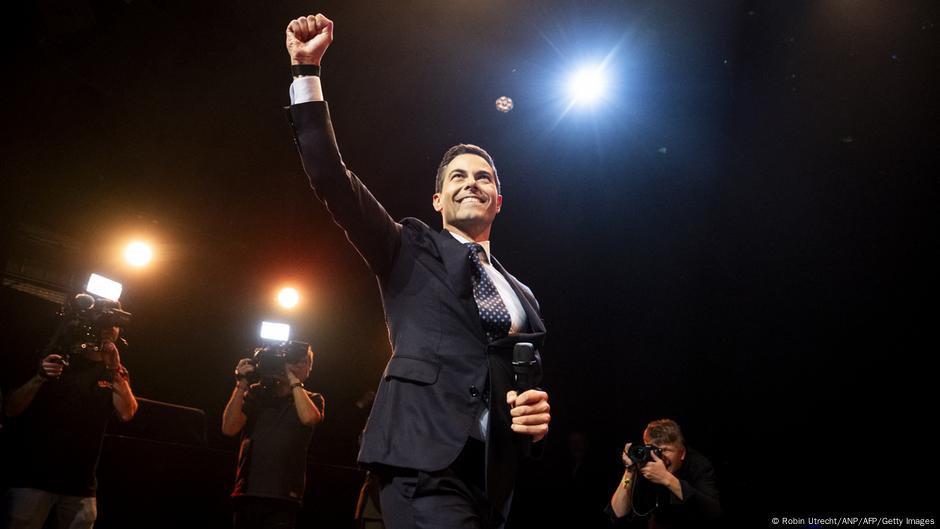
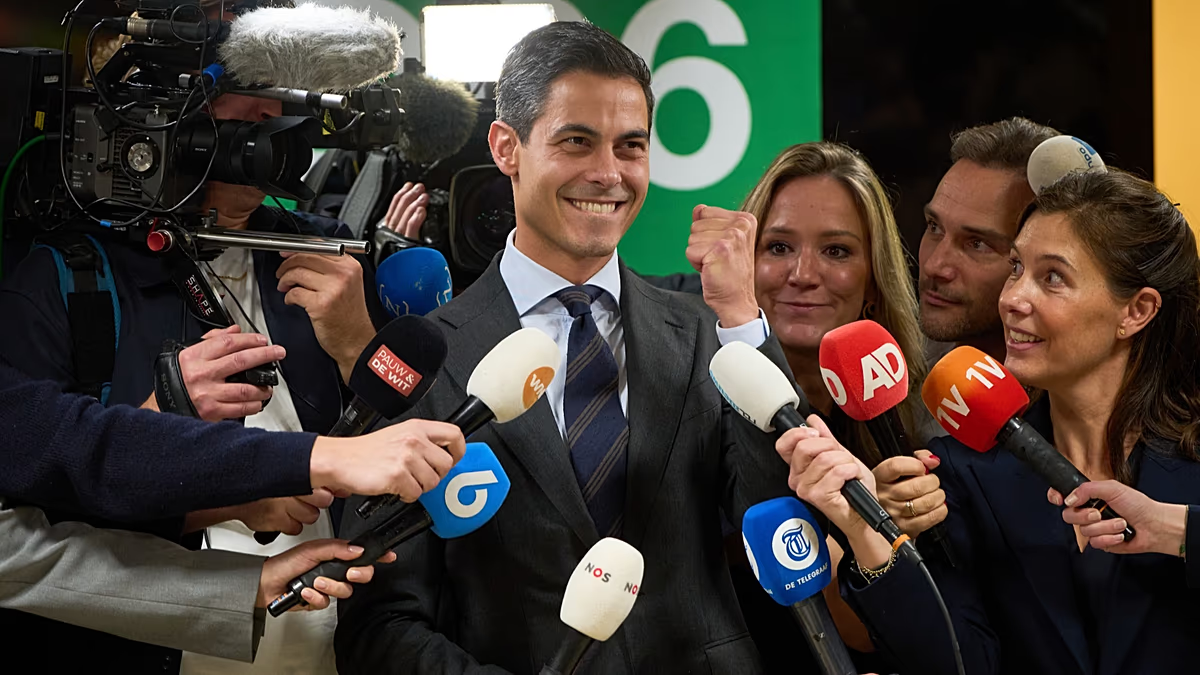
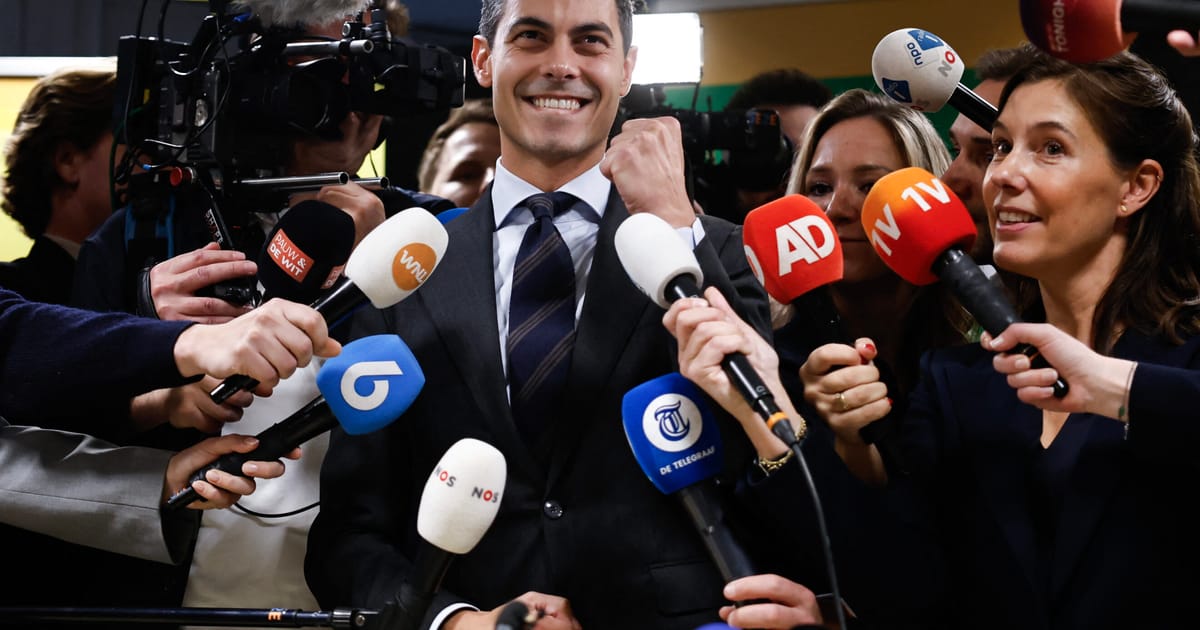
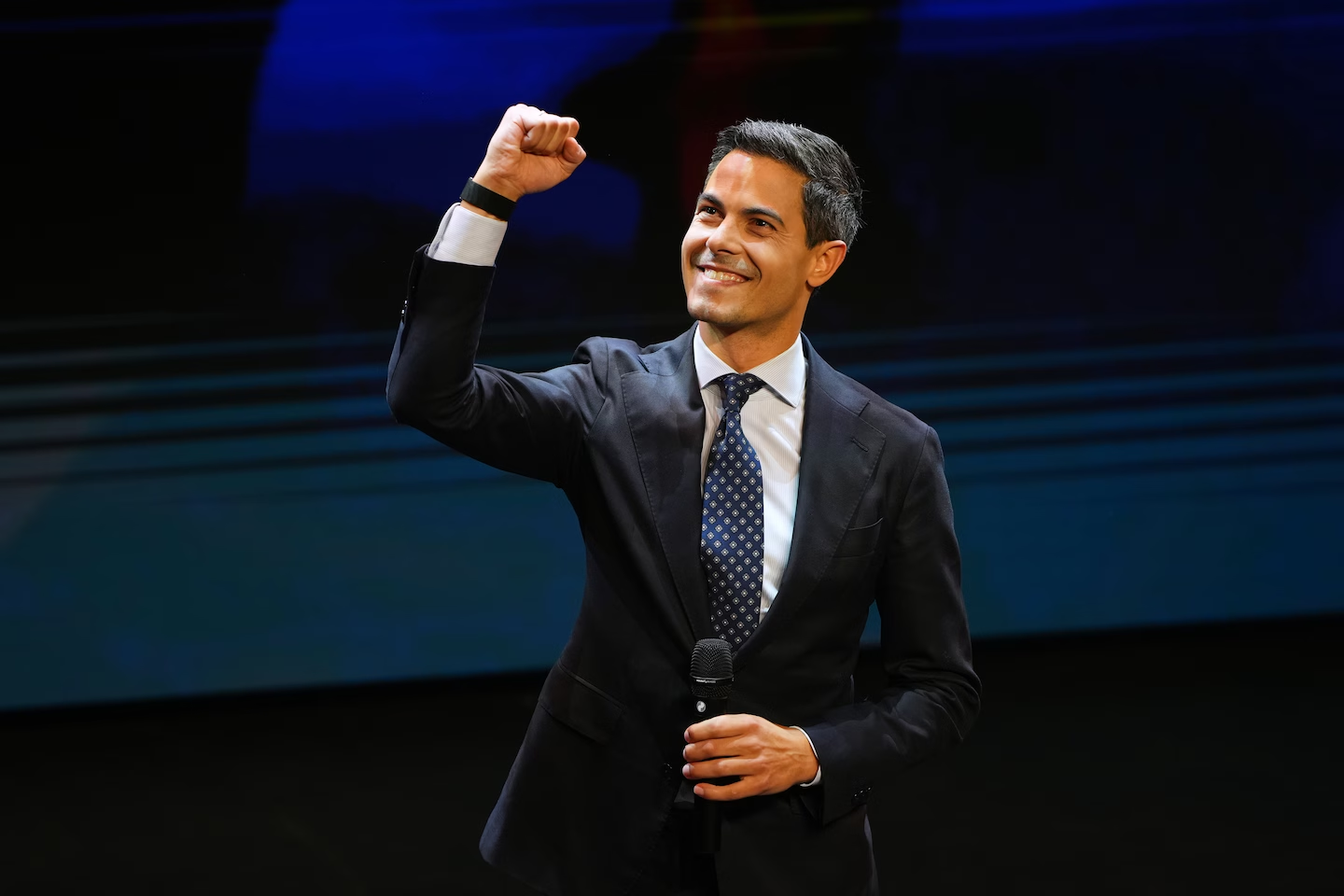
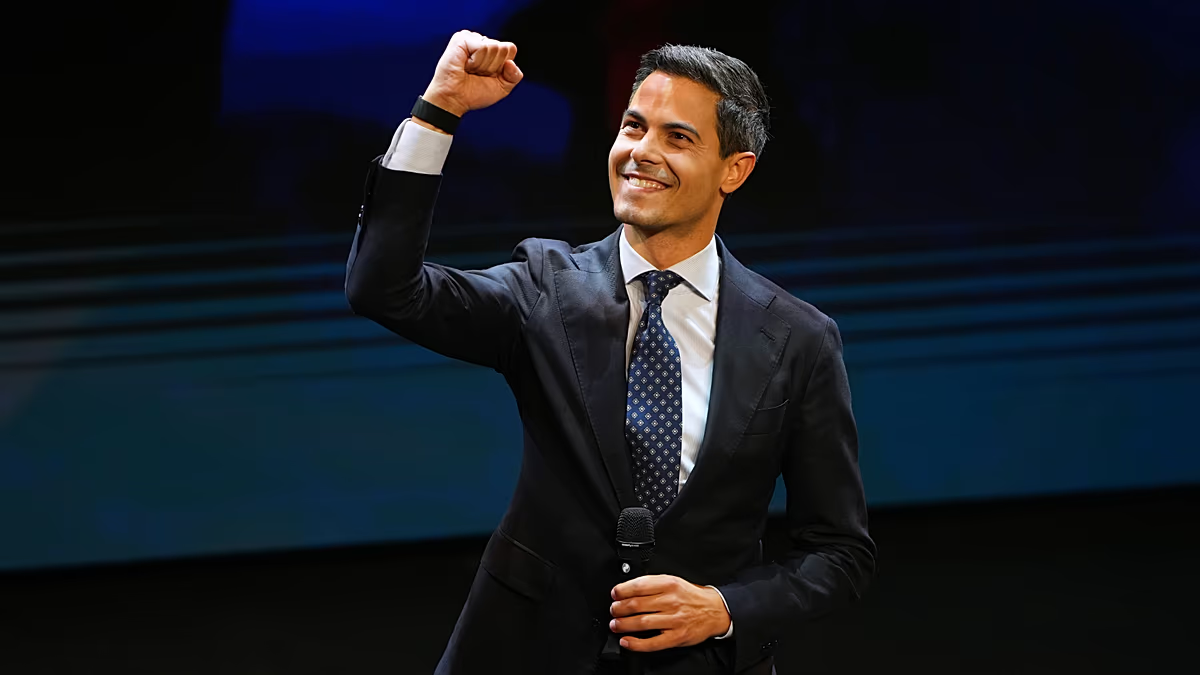
The Netherlands' recent election saw the pro-European, urban-supporting D66 party, led by Rob Jetten, narrowly defeating the populist PVV of Geert Wilders, indicating a shift towards more tolerant politics, with Jetten poised to become the country's youngest and first openly gay prime minister.
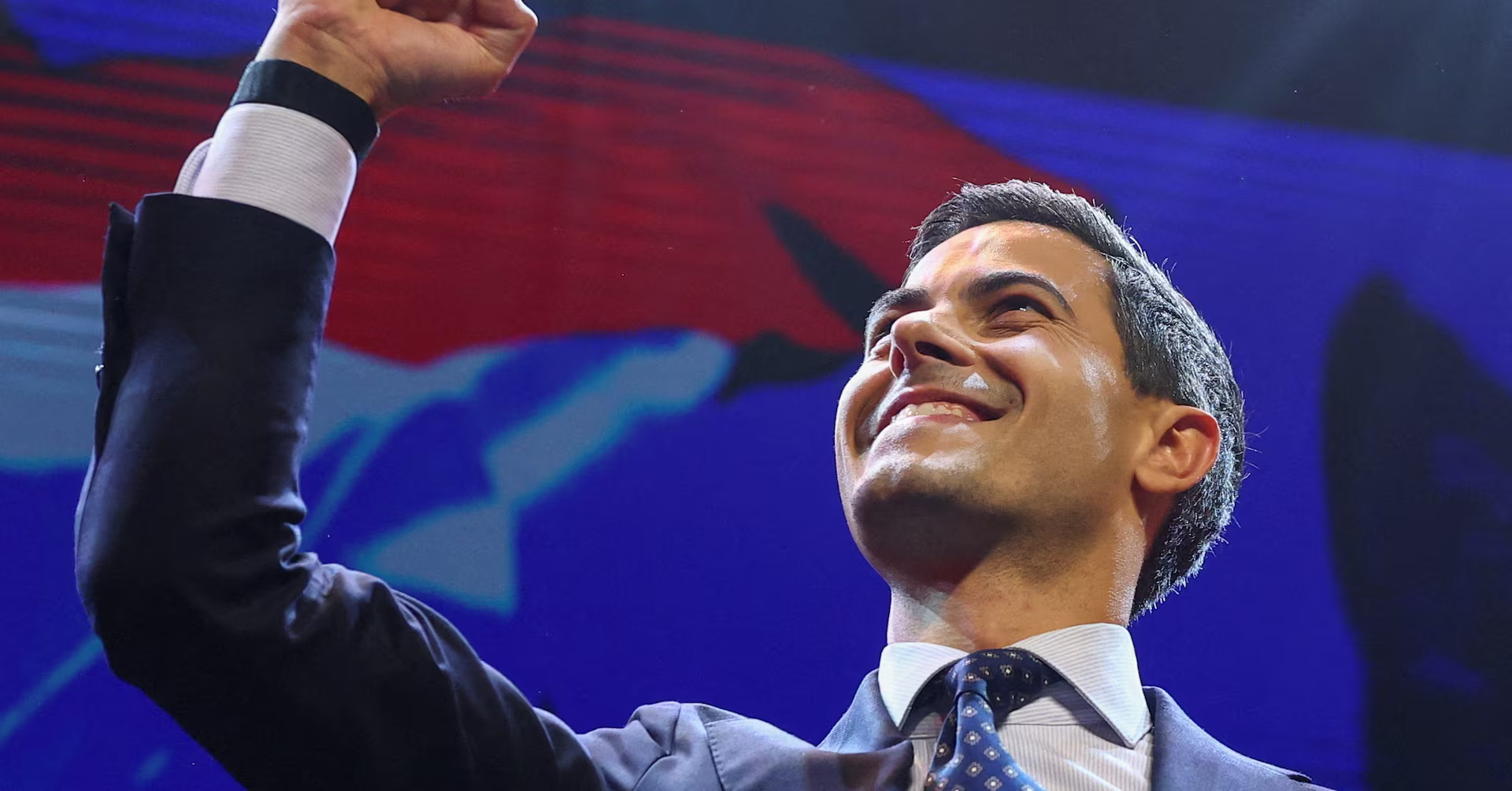
D66, led by Rob Jetten, won the Dutch parliamentary elections, positioning Jetten to become the youngest prime minister, as the party secures a plurality and prepares for coalition talks; Wilders' PVV lost support amid allegations of voter fraud, which are being investigated.
In a close Dutch election, centrist D66 led by Rob Jetten narrowly defeated nationalist Geert Wilders' PVV, marking a significant shift towards liberal policies and potentially making Jetten the country's youngest-ever prime minister. The election was triggered by Wilders' withdrawal from a coalition over immigration issues, and the results reflect a broader European trend of rising populist movements.
Centrist liberal D66, led by Rob Jetten, has won the Dutch general election, gaining 26-27 seats and positioning itself as the leading party to form a coalition government, while defeating far-right PVV led by Geert Wilders.
Centrist-liberal D66, led by Rob Jetten, narrowly won the Dutch election, surpassing the far-right PVV, and is now in a strong position to form a coalition government, potentially becoming the Netherlands' next prime minister.
Dutch voters delivered a rebuke to the far right in a closely contested election, with the centrist D66 party nearly tripling its seats and Geert Wilders’s right-wing party losing ground after a surprising first-place finish in 2023.
Rob Jetten, leader of the Dutch centrist party D66, is poised to become the country's youngest prime minister after a strong election showing, with potential coalition partners including left-leaning and centrist parties, while avoiding alliances with far-right PVV.