The Trump administration plans to roll back Biden-era vehicle fuel efficiency standards, arguing it will save the economy around $100 billion, though critics say it won't lower car prices and will hinder environmental progress. The move aims to return to traditional fuel economy standards, emphasizing consumer choice and affordability, amid rising vehicle prices and ongoing regulatory changes.

The White House plans to roll back a rule that would have saved Americans $23 billion on fuel costs by requiring higher fuel economy standards, a move that is expected to increase fuel prices and demand, with significant political and environmental implications.
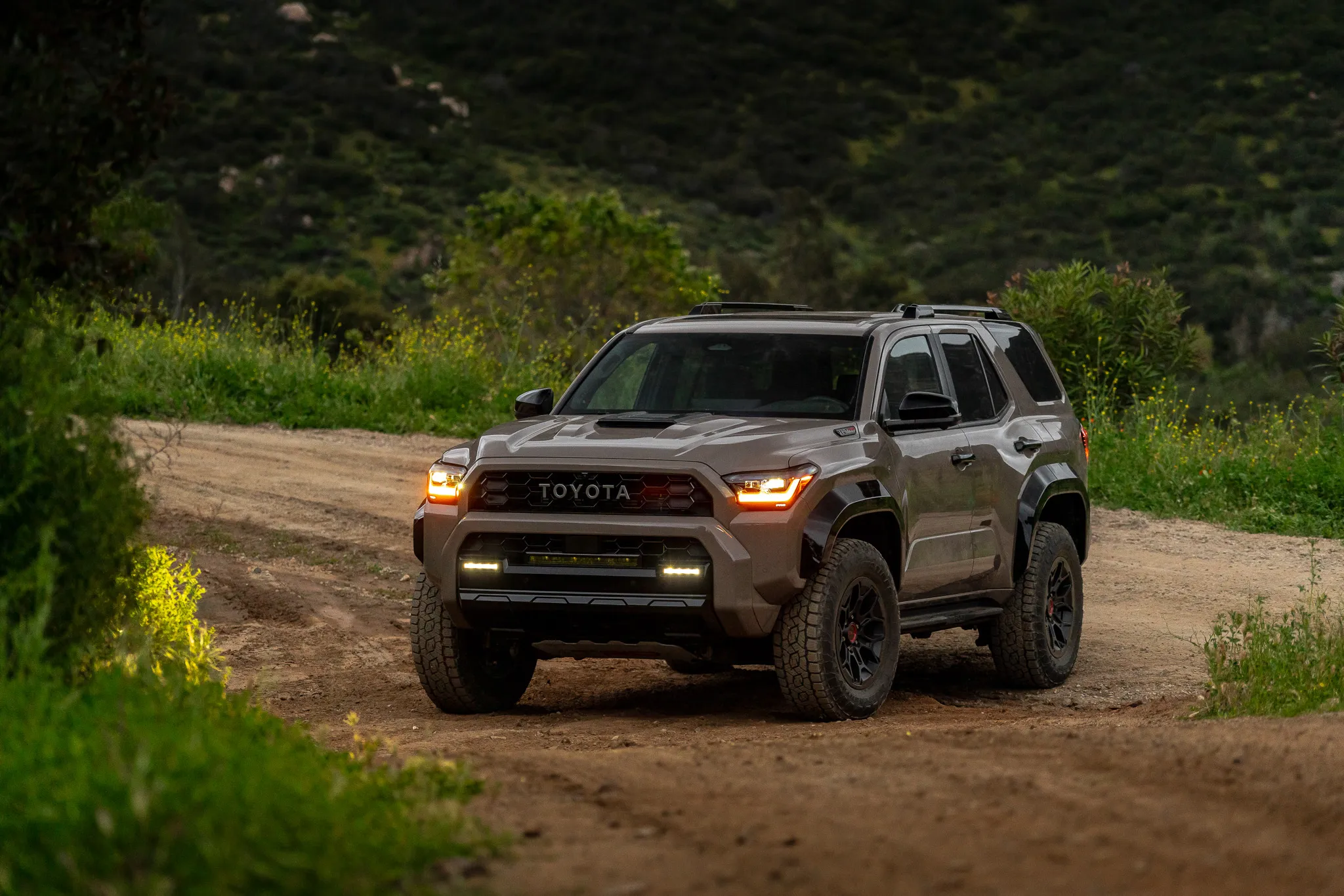
The 2025 Toyota 4Runner's new i-Force Max hybrid model offers worse highway fuel economy compared to its standard gasoline counterpart, primarily due to its exclusive 4WD configuration and off-road features that reduce efficiency. While the hybrid improves city mileage significantly, its highway performance is hindered by the depletion of battery charge and less aerodynamic design. This trend is not unique to Toyota, as similar issues are seen in other hybrid SUVs like the Jeep Wrangler 4xe.
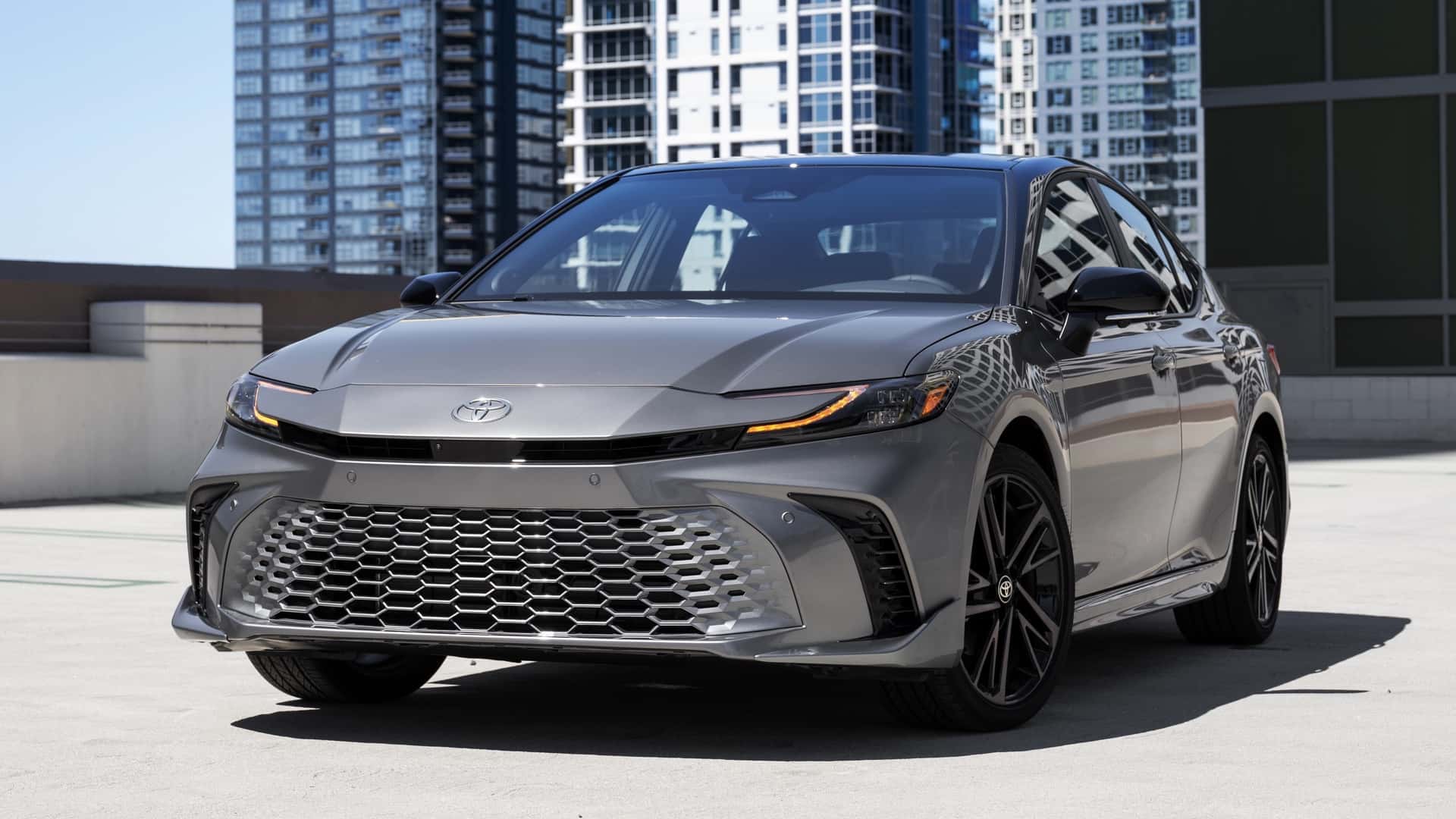
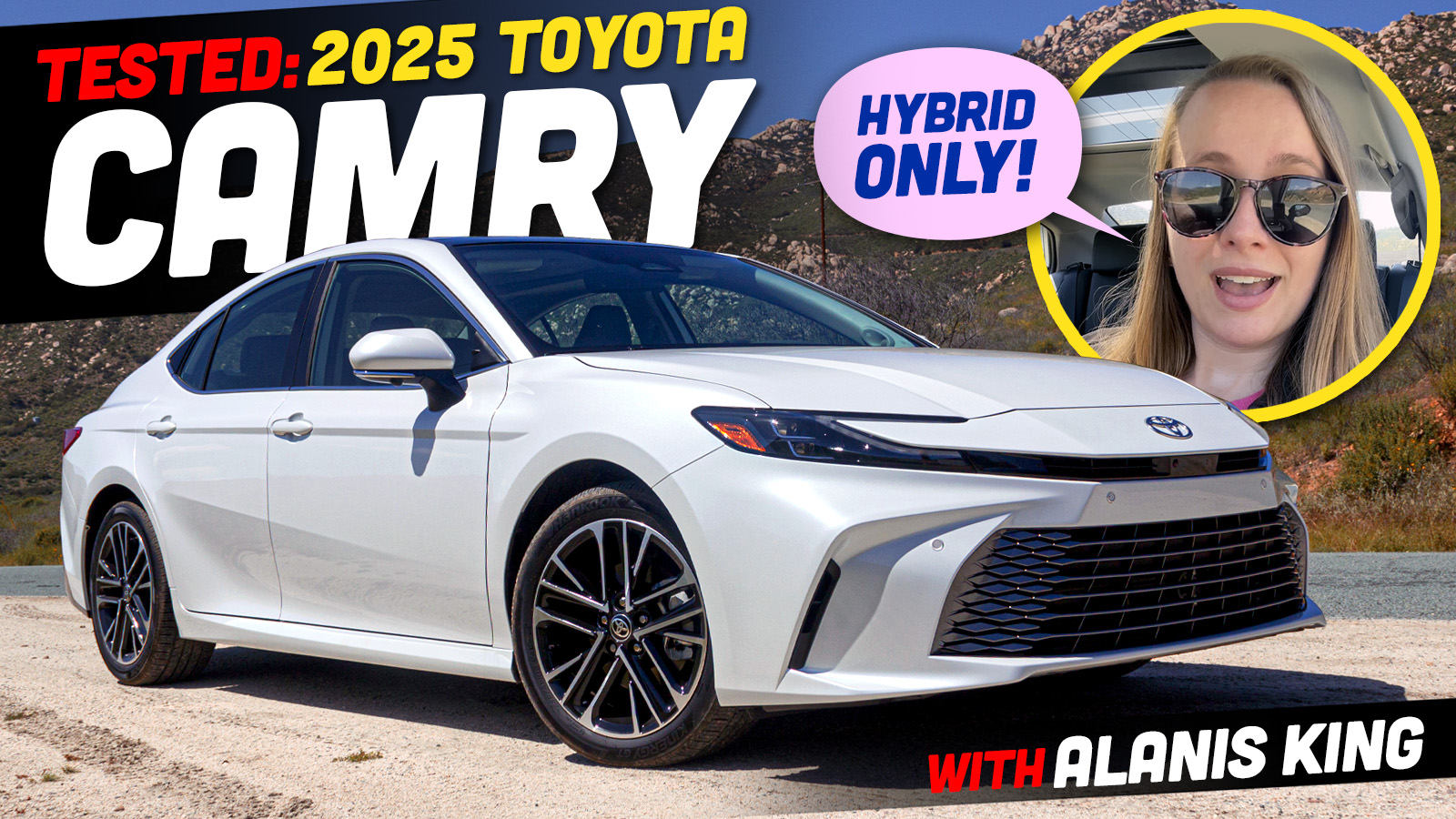
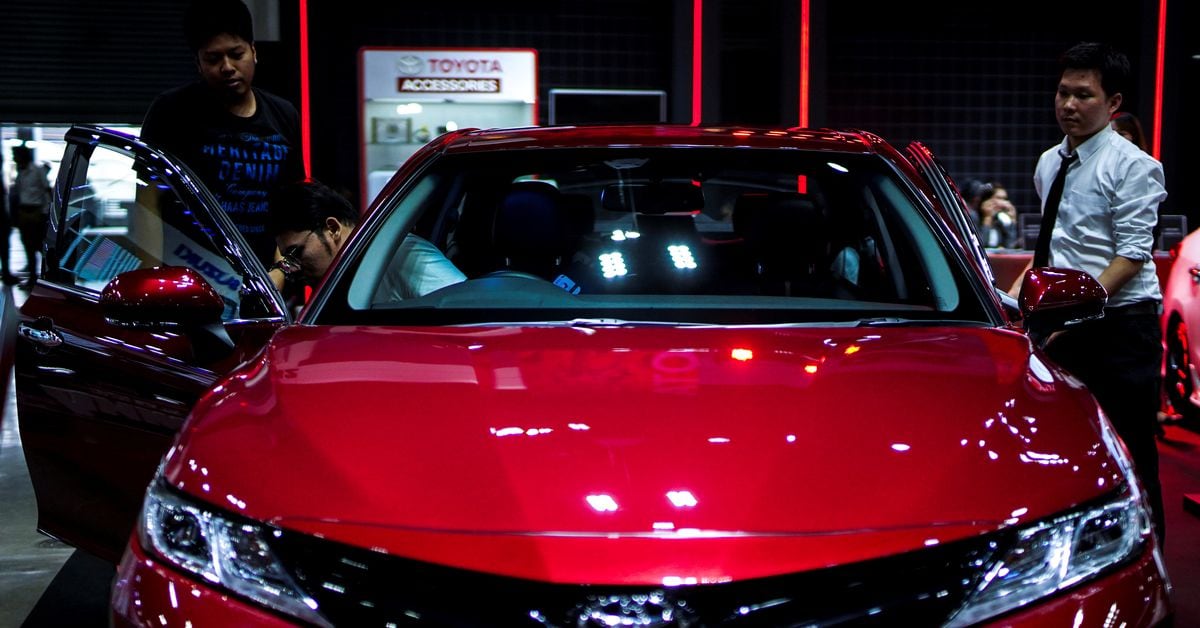
The new Toyota Camry for 2025 will only be available as a hybrid, featuring the fifth generation Toyota Hybrid System with improved fuel economy and a 2.5-liter four-cylinder engine. The decision to go all-in on hybrids reflects Toyota's focus on meeting consumer demand and maintaining the Camry's status as a top-selling sedan in the U.S. The new Camry also includes iterative updates to infotainment and driver-assist systems, while prioritizing improvements to ride, handling, steering, and brake-pedal feel to stay true to its sedan roots.
The 2025 Toyota Camry will be available exclusively as a hybrid, reflecting Toyota's commitment to a hybrid-first approach. Priced at $28,400 base, the new Camry boasts a 2.5-liter four-cylinder engine, front-wheel drive or electronic on-demand all-wheel drive, and a manufacturer-estimated combined 51 mpg. Its design features a distinctive "hammerhead" front end and familiar interior with wireless Apple CarPlay and Android Auto. The driving experience is described as comfortable and fun, with responsive steering and strong acceleration. The hybrid powertrain aims to ease the transition for traditional car buyers towards more sustainable vehicles, offering a safe and affordable option with improved fuel efficiency.
The US Energy Department is set to announce final rules that will soften its proposal to slash electric vehicles' mileage ratings to meet fuel economy requirements, a move that is seen as a win for automakers and the United Auto Workers union. The revised rules will gradually reduce the petroleum equivalent EV fuel economy rating through 2030, giving automakers more time to adjust, and are a response to concerns raised by automakers and the UAW. Additionally, the Environmental Protection Agency is expected to unveil revised vehicle greenhouse gas emissions requirements that will ease proposed yearly requirements through 2030, providing a boost for plug-in hybrid vehicles and scaling back certain proposals that the industry had objected to.
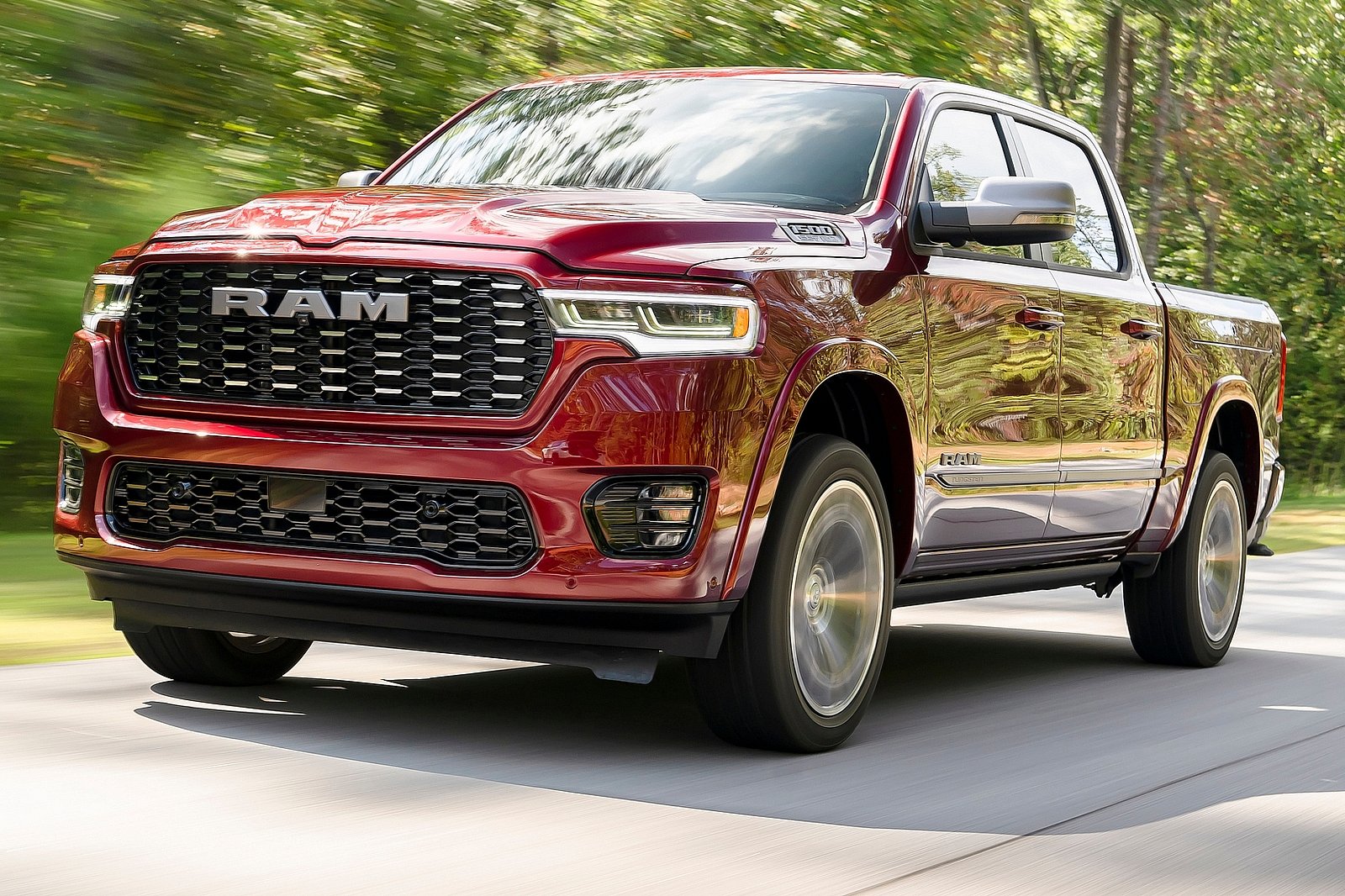
The new 2025 Ram 1500 trucks feature lighter and more efficient inline-six engines, but they may not be cheaper to run due to their requirement for higher octane gasoline. The Standard Output engine can run on 87-octane fuel while offering improved fuel economy, while the High Output version requires at least 91-octane fuel to unleash its full power. Despite minor improvements in fuel economy, the higher fuel costs associated with the High Output engine may offset any savings compared to the previous V8 model.
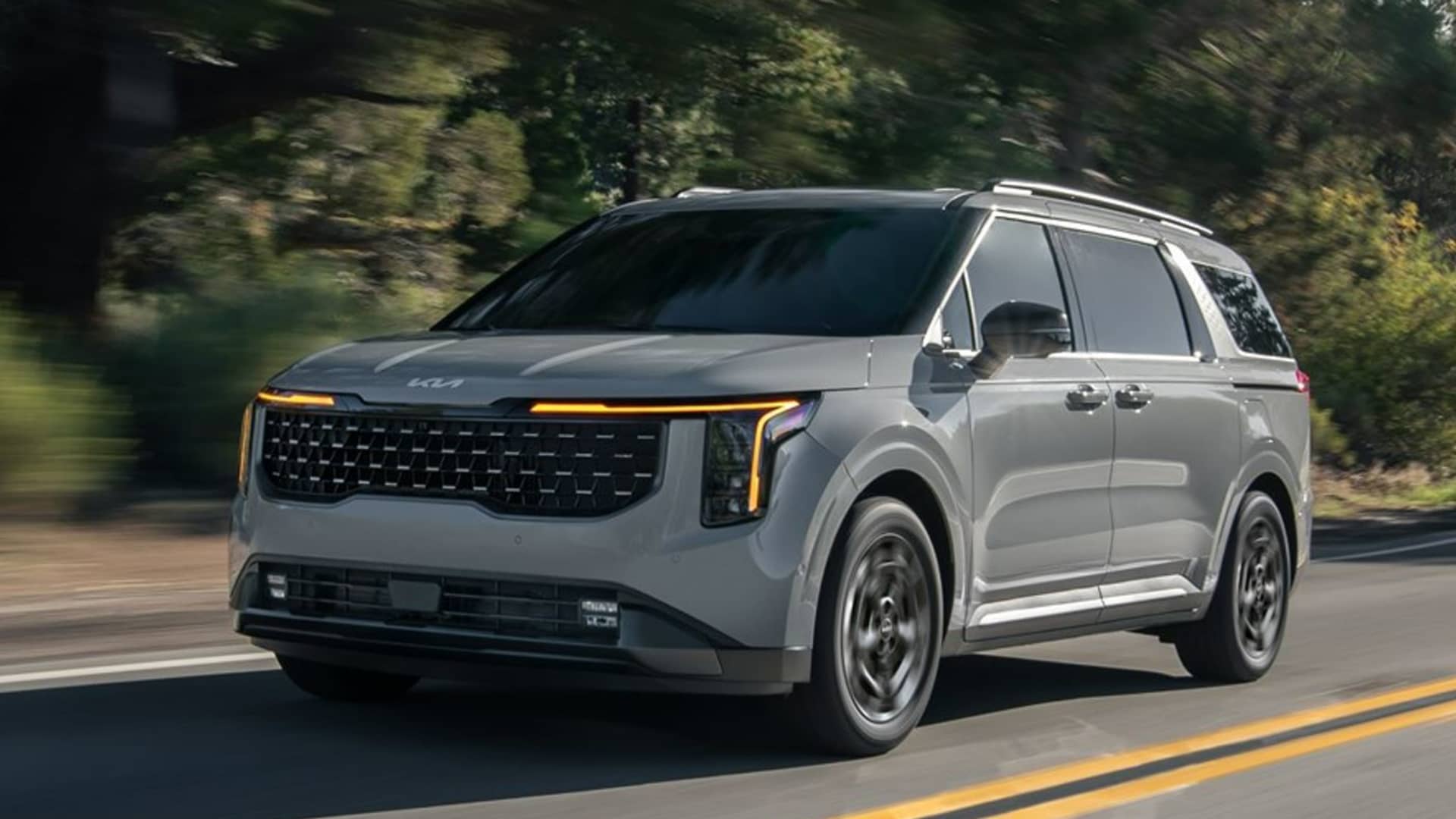
Kia Motors is introducing a hybrid model of its Carnival minivan to meet consumer demand for more efficient vehicles and comply with federal fuel economy standards. The hybrid option, set to be released alongside an updated traditional model, aims to attract a wider audience. The new models feature updated styling and interior technologies, with the hybrid expected to account for half of the Carnival's sales. Kia is also increasing production capacity to meet potential demand and aims to surpass its record U.S. sales from last year.
GM CEO Mary Barra confirmed plans to bring plug-in hybrid options to North America in response to more stringent fuel economy and tailpipe emission standards, with the company aiming to comply in a capital and cost-efficient manner by leveraging existing technology. This move comes as the Biden administration pushes for significant reductions in vehicle fuel consumption and tailpipe emissions, with GM committed to eliminating tailpipe emissions from its light-duty vehicles by 2035 while acknowledging the importance of deploying plug-in technology in strategic segments to deliver environmental benefits as the nation builds its charging infrastructure.
The European Union has reached an agreement on tougher migration rules, despite opposition claiming it will weaken migrant rights. In France, lawmakers approved greater powers for authorities to deport foreigners deemed undesirable. Chaos and logistical challenges disrupted the presidential election in Congo, leading to extended voting hours. Junior doctors in England have begun a three-day strike demanding better pay, while new vehicles in the US achieved a record high fuel economy rating in 2022. Disappointing corporate profits halted the Wall Street rally, with major indices experiencing losses.
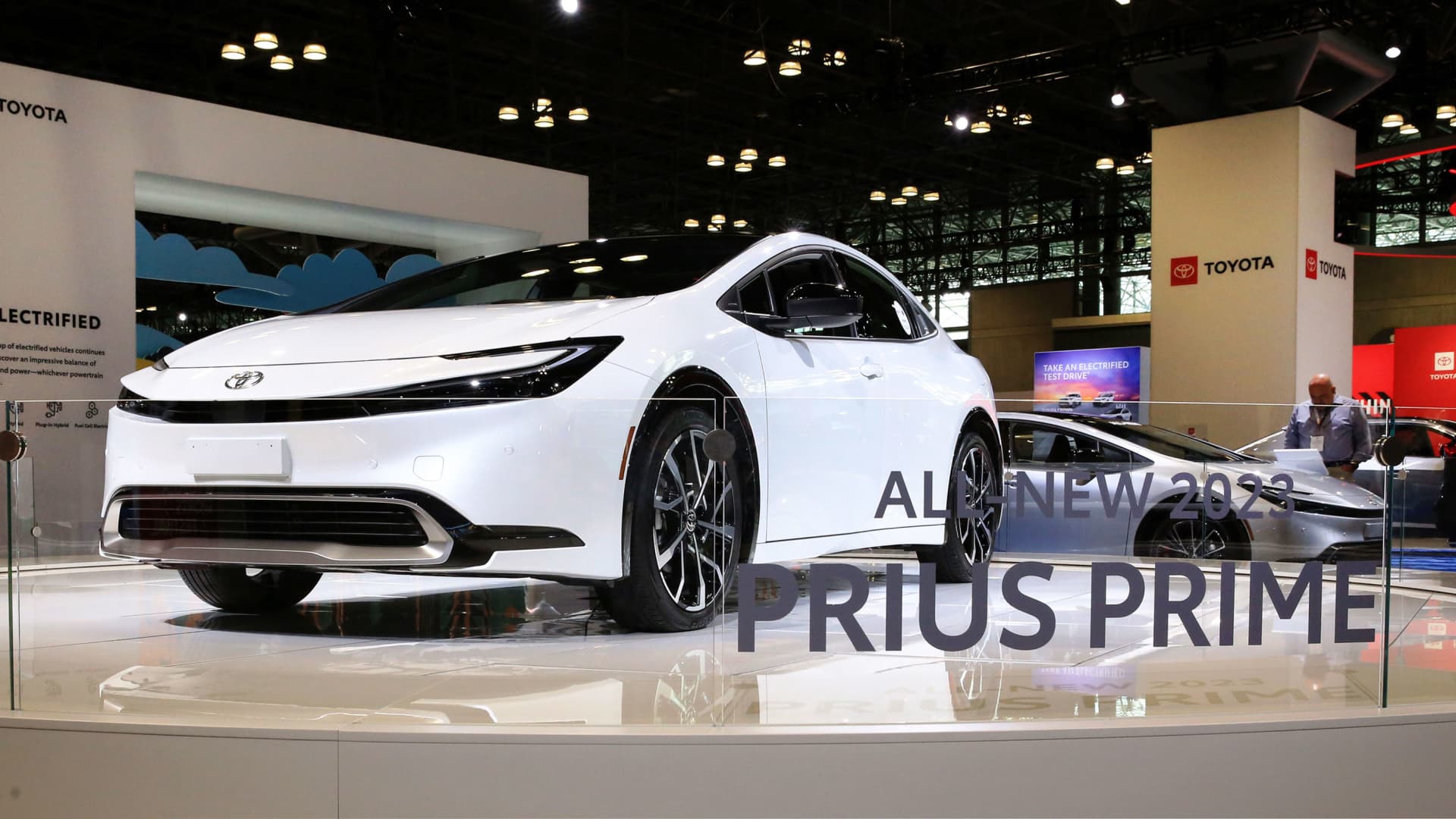
As sales of all-electric vehicles (EVs) grow slower than expected, automakers are turning to hybrid cars and trucks to meet consumer demand and avoid penalties related to fuel economy and emissions standards. Hybrid vehicles, such as the Toyota Prius, are outpacing EVs in sales, accounting for 8.3% of U.S. car sales compared to 6.9% for EVs. Hybrids offer a lower cost alternative to EVs and address concerns like range anxiety and charging infrastructure. Major automakers, including Ford, Stellantis, and Toyota, are increasing production and sales of hybrid vehicles to lower fuel consumption and emissions in the short-term while easing consumers into vehicle electrification.
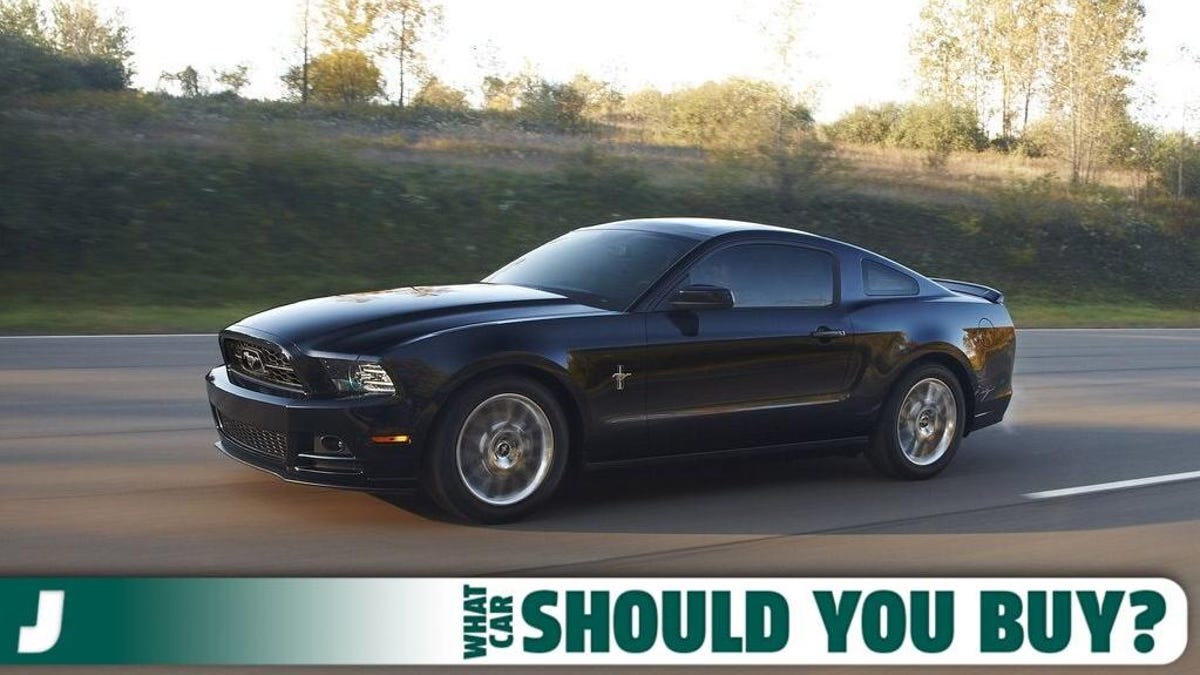
Robert, who currently owns a 2014 Mustang, is looking to upgrade to a more family-friendly vehicle with four doors and better fuel economy for commuting with his 4-year-old to school in Florida. Experts suggest options such as the Kia EV6 hatchback, Infiniti Q50 Red Sport, Kia Stinger, and Dodge Charger R/T Scat Pack, each offering a combination of sportiness, practicality, and varying levels of power and fuel efficiency within his budget of $35,000.
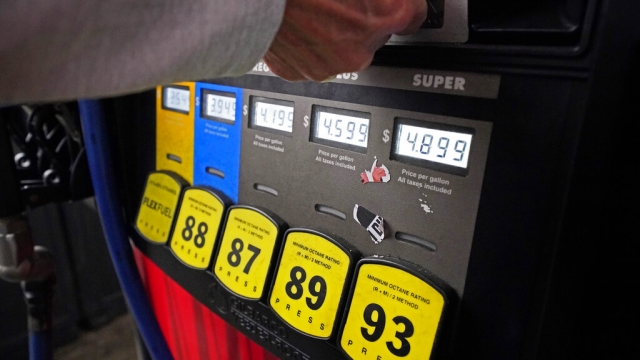
Sheetz, an operator of 670 gas stations in the mid-Atlantic, will sell unleaded 88 gasoline for $1.99 per gallon at its Pennsylvania, Ohio, North Carolina, Virginia, and West Virginia locations over the Thanksgiving weekend. The offer is valid until the end of Monday. However, only vehicles from 2001 and newer can use this type of gas, which is blended with 15% ethanol. While unleaded 88 may result in a 4%-5% drop in fuel economy compared to regular gas, the difference in efficiency is only around 1%-2% when compared to most gas sold in the U.S. Given the current gas prices averaging between $3.10 and $3.59 in the Mid-Atlantic, the discounted price is still worth considering.
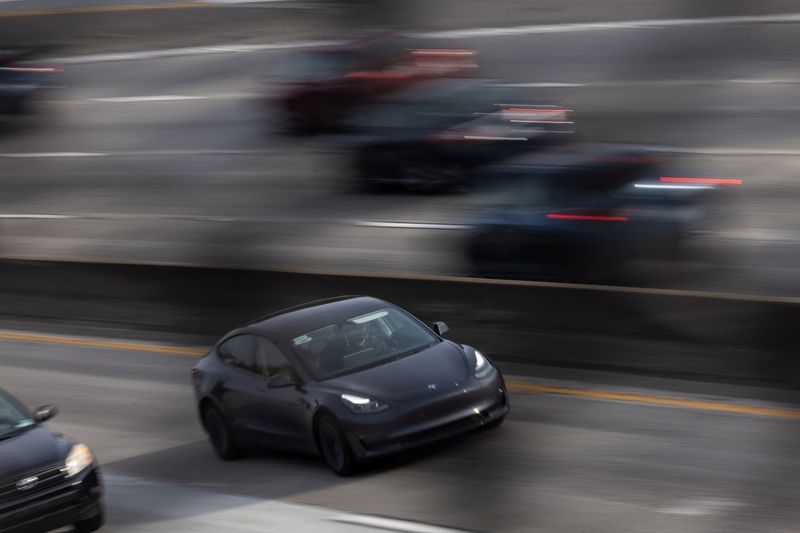
Toyota has announced that the next generation of its best-selling sedan in the US market, the Camry, will only be available as a gas-electric hybrid. The decision to go all-hybrid was influenced by tougher US fuel economy regulations and the improved performance of hybrid technology. The 2025 Camry will feature a 2.5-liter gasoline engine combined with an electric drive system, delivering more power in both front-wheel drive and all-wheel drive versions. Toyota believes that demand for hybrids and plug-in hybrids will remain strong, even as it continues to develop electric vehicle technology. The new Camry will compete with sedans such as the Honda Accord, Hyundai Sonata, and Tesla Model 3. Pricing and fuel-efficiency figures for the 2025 Camry have not been disclosed yet.
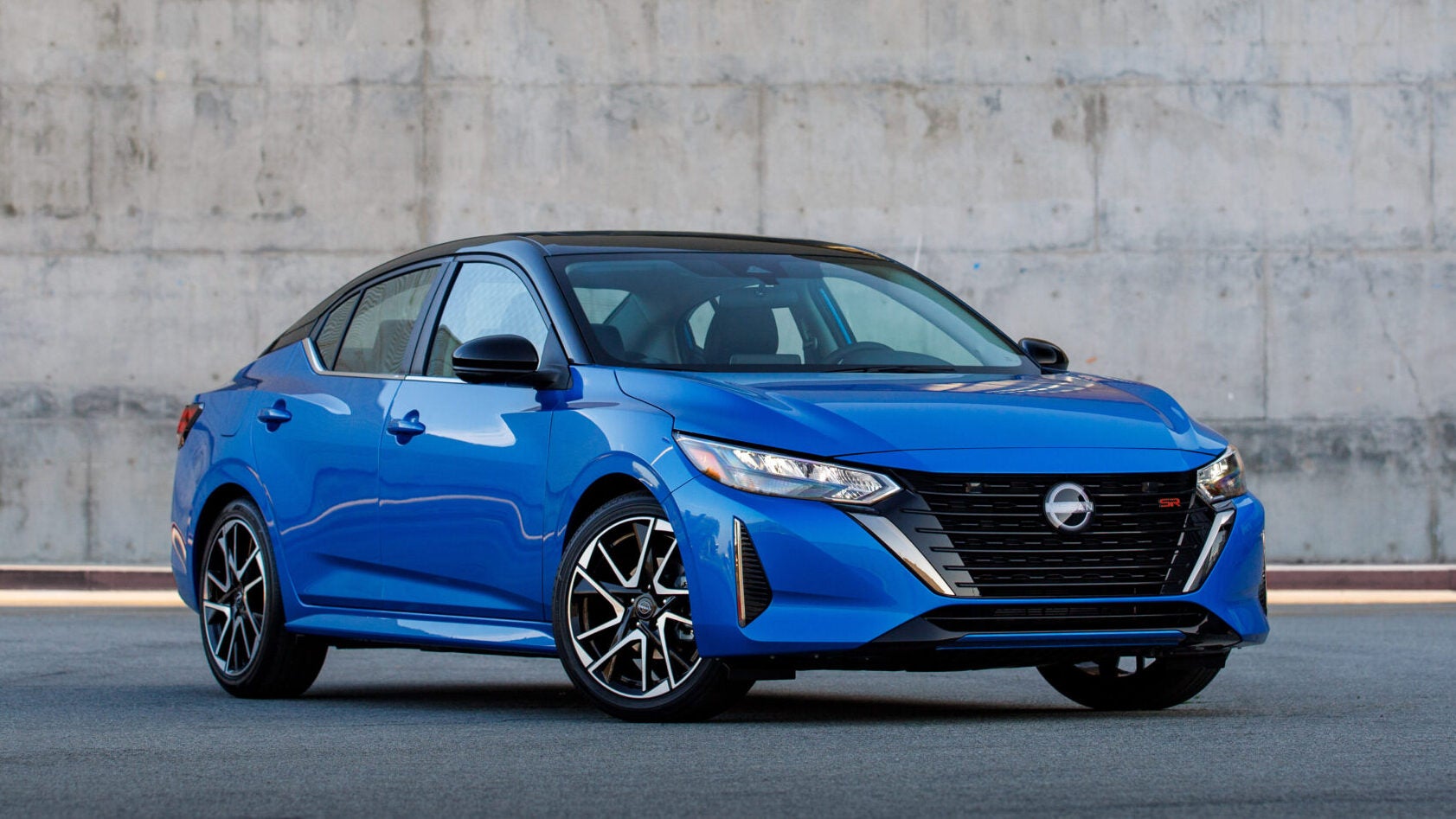
The 2024 Nissan Sentra has received a refresh, offering better fuel economy, an updated CVT, and an expanded suite of standard features. Priced at $20,630, it undercuts its competitors while providing value. With a 2.0-liter engine and 149 horsepower, it outperforms the similarly priced Nissan Kicks. The Sentra also comes with advanced driver's assistance tech as standard, including blind spot monitoring and automatic emergency braking. Higher trim models offer additional features such as a Bose stereo and 360-degree parking camera. In a world dominated by SUVs, the affordable and well-equipped Sentra stands out as a worthy option for compact sedan enthusiasts.