Tag

Foreign Direct Investment

All articles tagged with #foreign direct investment

Japan Loses Top Creditor Status After 34 Years

Originally Published 7 months ago — by Bloomberg.com

Featured image for Japan Loses Top Creditor Status After 34 Years
Source: Bloomberg.com

Japan lost its position as the world's largest creditor nation for the first time in 34 years, despite reaching a record high in overseas assets, overtaken by Germany due to its substantial current account surplus. Japan's net external assets rose to ¥533.05 trillion ($3.7 trillion) in 2024, but Germany's assets totaled ¥569.7 trillion, reflecting shifts in trade balances and investment patterns. Japanese companies continue to invest abroad, especially in the US and UK, with future trends depending on their ongoing overseas expansion amid global trade policies.
"China's Foreign Direct Investment Hits 30-Year Low in 2023"

Originally Published 1 year ago — by Fortune

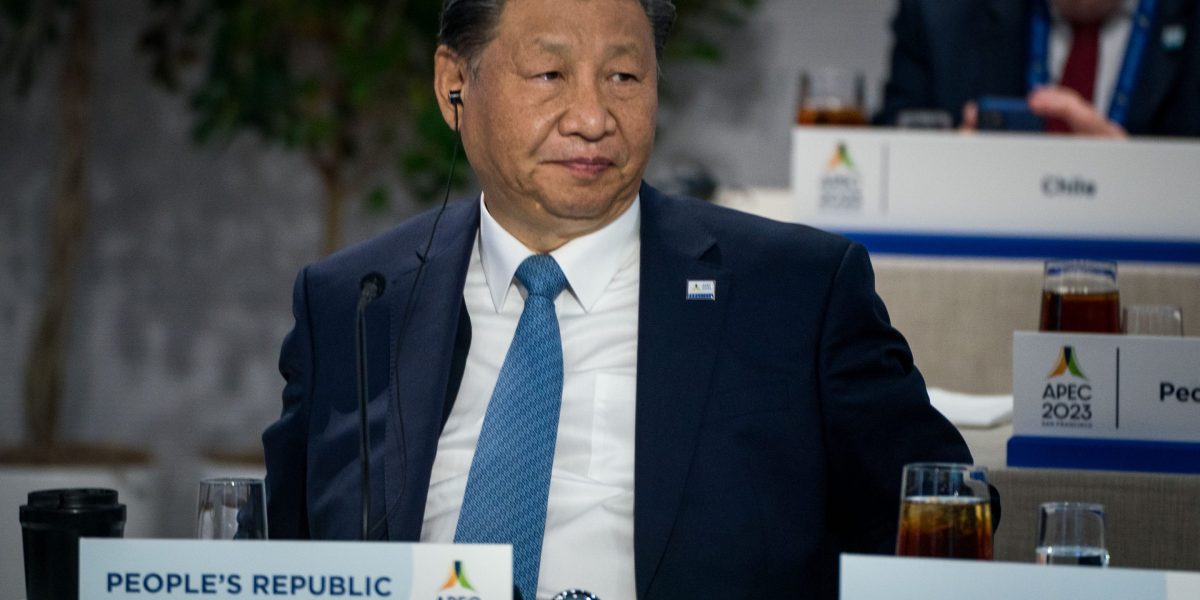
Featured image for "China's Foreign Direct Investment Hits 30-Year Low in 2023"
Source: Fortune

China recorded the lowest level of foreign direct investment since 1993, with new investment dropping by 82% in 2023 compared to 2022. This reflects the impact of Covid lockdowns and a weak recovery. Foreign companies are pulling money out of China due to geopolitical tensions and higher interest rates elsewhere, with Japanese, Taiwanese, and South Korean firms reducing investment. However, German companies reached a record level of investment in China, demonstrating an eagerness to expand in the country despite increased scrutiny from the European Union.

China's Foreign Direct Investment Hits 30-Year Low

Originally Published 1 year ago — by Financial Times

Foreign direct investment in China has dropped to its lowest level in more than a decade, signaling a potential shift in global investment patterns. The decline is attributed to factors such as the US-China trade war, economic slowdown, and rising labor costs. This trend could have significant implications for China's economy and global trade dynamics.

"China's Foreign Direct Investment Hits 30-Year Low at $33 Billion in 2023"

Originally Published 1 year ago — by Nikkei Asia

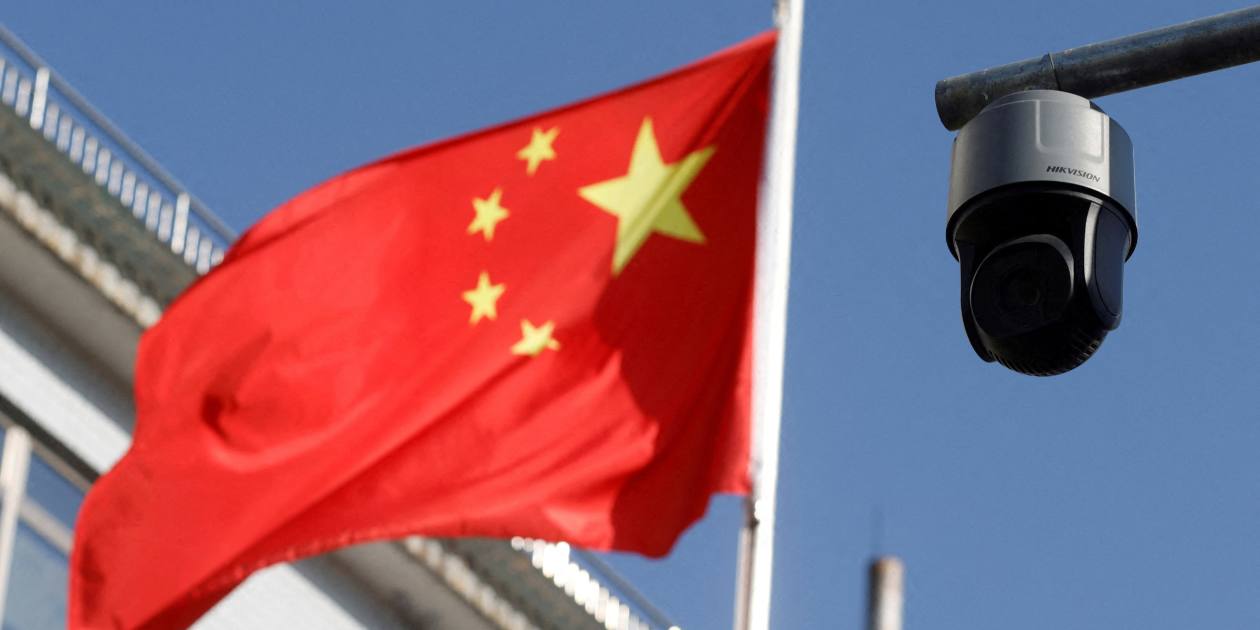
Featured image for "China's Foreign Direct Investment Hits 30-Year Low at $33 Billion in 2023"
Source: Nikkei Asia

Foreign direct investment in China has dropped to a 30-year low, with official data showing a net total of $33 billion in 2023, down about 80% from the previous year. This decline reflects foreign companies' departure from China due to increased scrutiny on spying and U.S. sanctions, marking the second consecutive year of FDI decrease and a significant drop from the peak in 2021.

China's New Laws Stifle Foreign Investment, Resulting in Record Low Inflows

Originally Published 2 years ago — by Fox Business

Featured image for China's New Laws Stifle Foreign Investment, Resulting in Record Low Inflows
Source: Fox Business

China has recorded its lowest foreign direct investment (FDI) on record, with a 87% decrease in Q2 2023 compared to the previous year. Experts attribute this decline to new laws that have created a lack of transparency and increased government overreach, dissuading trading partners from developing closer ties. The global supply chain crisis and efforts by countries like the US and Germany to diversify and decrease reliance on China have also contributed to the decline. The sluggish post-pandemic recovery and Xi Jinping's policies of centralizing the economy and cutting off the country from the outside are seen as undermining economic growth and potentially leading to long-term decline.

China's Foreign Investment Deficit Reflects Western Pressure for Risk Reduction

Originally Published 2 years ago — by Reuters

Featured image for China's Foreign Investment Deficit Reflects Western Pressure for Risk Reduction
Source: Reuters

China has recorded its first-ever quarterly deficit in foreign direct investment (FDI), with direct investment liabilities reaching a deficit of $11.8 billion during the July-September period. This deficit reflects the challenges Beijing faces in attracting overseas companies amid Western governments' "de-risking" moves and growing geopolitical tensions. Factors such as multinational companies repatriating earnings and interest rate differentials between China and developed countries have contributed to the decline in China's inward FDI. The deficit in FDI, along with other economic pressures, is expected to prompt a strategic response from Chinese authorities, including interventions to support the currency and curb yuan selling.

Germany's Proposed Stricter Regulations for Chinese Foreign Investment

Originally Published 2 years ago — by Financial Times

A German minister has proposed stricter regulations on Chinese foreign direct investment, citing concerns over national security and economic policy. The proposed rules aim to protect critical infrastructure and key technologies from potential risks associated with Chinese investments. This move reflects growing global scrutiny of Chinese investments and highlights the need for countries to balance economic interests with national security considerations.

IMF warns of financial stability risks from geopolitical tensions and shadow banks.

Originally Published 2 years ago — by CNBC

Featured image for IMF warns of financial stability risks from geopolitical tensions and shadow banks.
Source: CNBC

The International Monetary Fund (IMF) has warned that global tensions, particularly between the US and China, could disrupt overseas investment and lead to a long-term loss of 2% of the world's gross domestic product. The IMF pointed to recent bills adopted against the backdrop of rising tensions between the two countries, such as Washington's Chips and Science Act. The rise of "friend-shoring" could hurt less developed markets the most, the organization said. Developing economies are more vulnerable to this shift in foreign direct investment as "they rely more on flows from more geopolitically distant countries."