GM is focusing on AI, autonomous driving, and new vehicle platforms, including a Gemini-powered AI assistant in 2026 and a new hardware/software platform for the Escalade IQ in 2028, while ditching Apple CarPlay and Android Auto in EVs to improve user experience. The company is navigating market challenges like falling EV demand, tariffs, and policy changes, emphasizing affordability and a broad vehicle portfolio from entry-level to luxury. GM's long-term investments in battery tech, autonomous tech, and global scale aim to keep it competitive despite market shifts and regulatory hurdles.
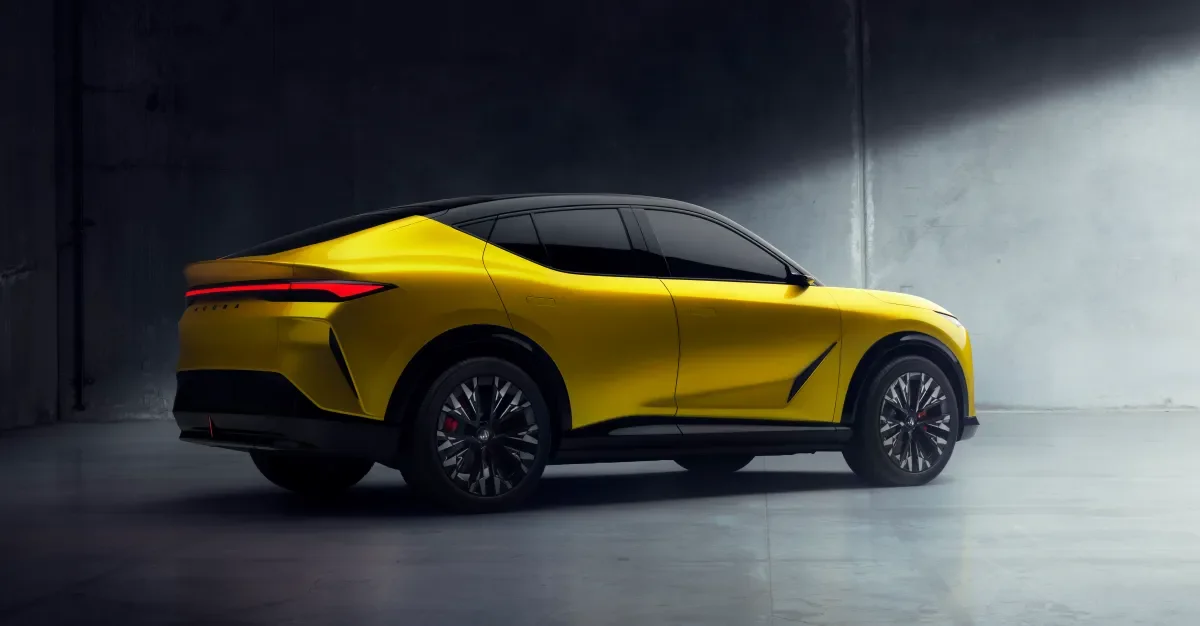
Acura is unveiling the RSX prototype, an all-electric crossover built on Honda's new global EV platform, which will also underpin Honda's Zero series. The RSX, debuting at Monterey Car Week, features a bold design, advanced technology including Honda's new Asimo operating system, and bi-directional charging capabilities, with production set to begin in 2026 at Honda’s Ohio plant. The vehicle marks a significant step in Acura and Honda's shift towards software-defined, energy-sharing EVs, with more details on specs to follow.
Acura has unveiled a concept for a new all-electric RSX SUV, set to be produced in 2026 on Honda's new Zero EV platform, featuring sleek design, advanced driver assist technologies, and bi-directional charging capabilities, marking a significant shift from its traditional models.
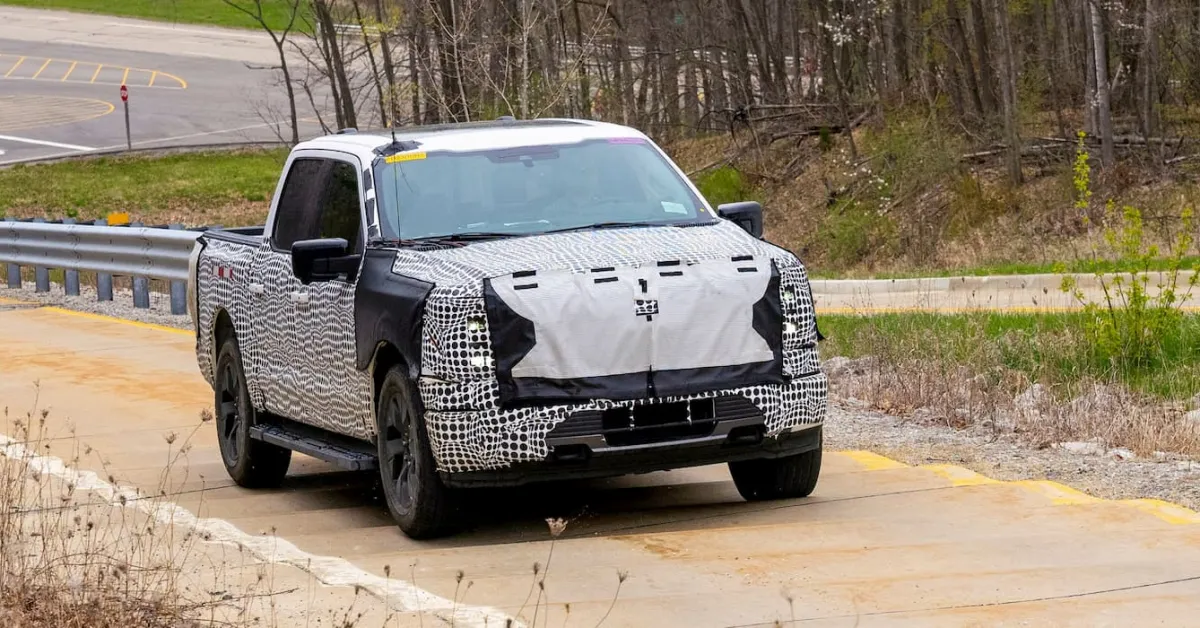
Ford announced a new affordable $30,000 midsize electric pickup set to launch in 2027, which will replace the gas-powered Escape and Lincoln Corsair SUVs at its Louisville plant, signaling a shift towards lower-cost EVs and the end of these popular models.
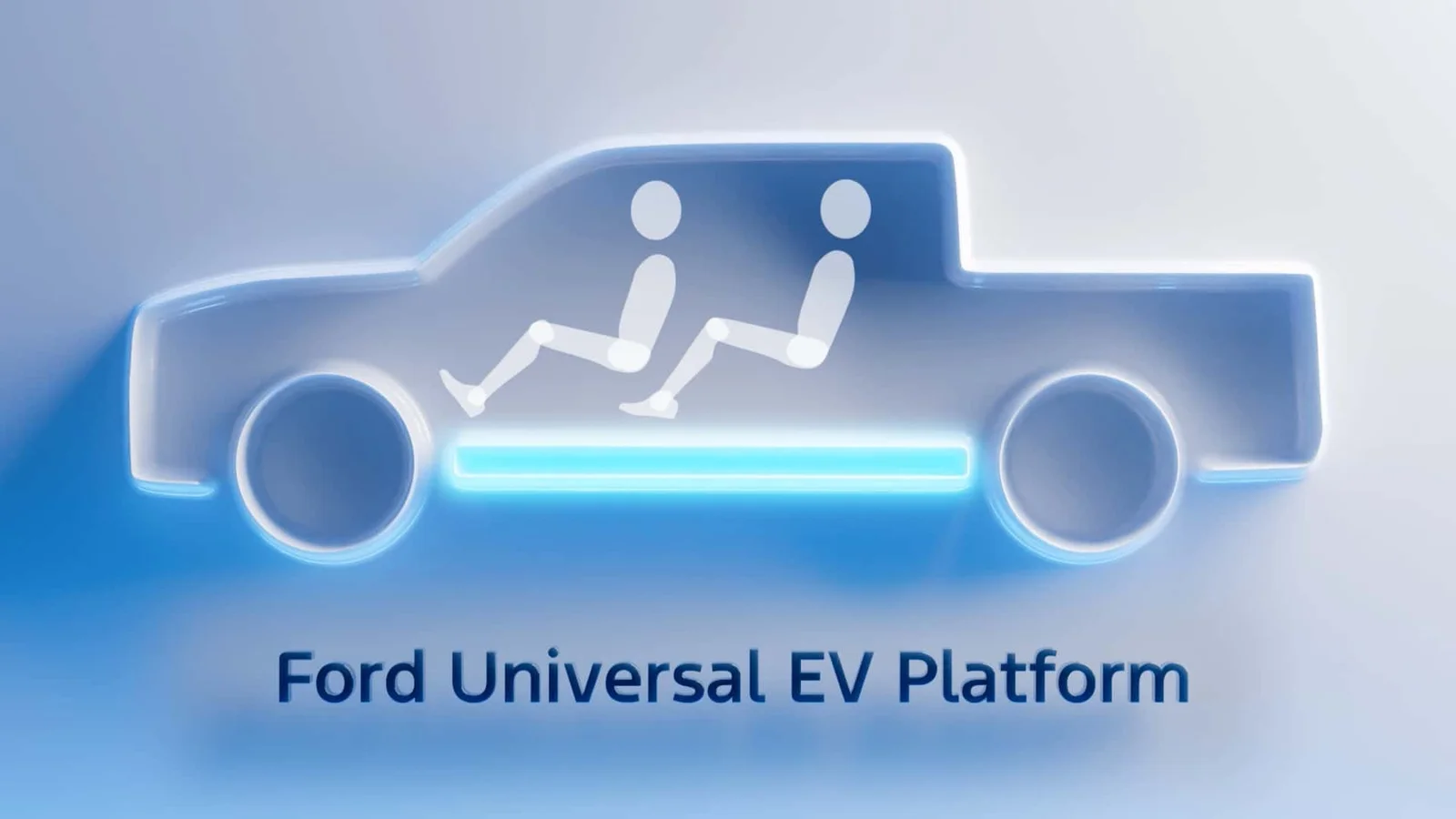
Ford plans to launch a $30,000 electric midsize truck in 2027, featuring a new EV platform, local LFP batteries, and innovative manufacturing processes aimed at reducing costs and increasing efficiency, potentially disrupting the U.S. auto industry with a more affordable EV option.
Ford is developing a low-cost electric vehicle platform aimed at competing with Chinese EV manufacturers by matching their cost structures, including using Chinese licensed batteries and offering multiple body styles, with the first model being a midsize electric pickup. However, challenges such as high costs for new battery plants and potential political hurdles remain.
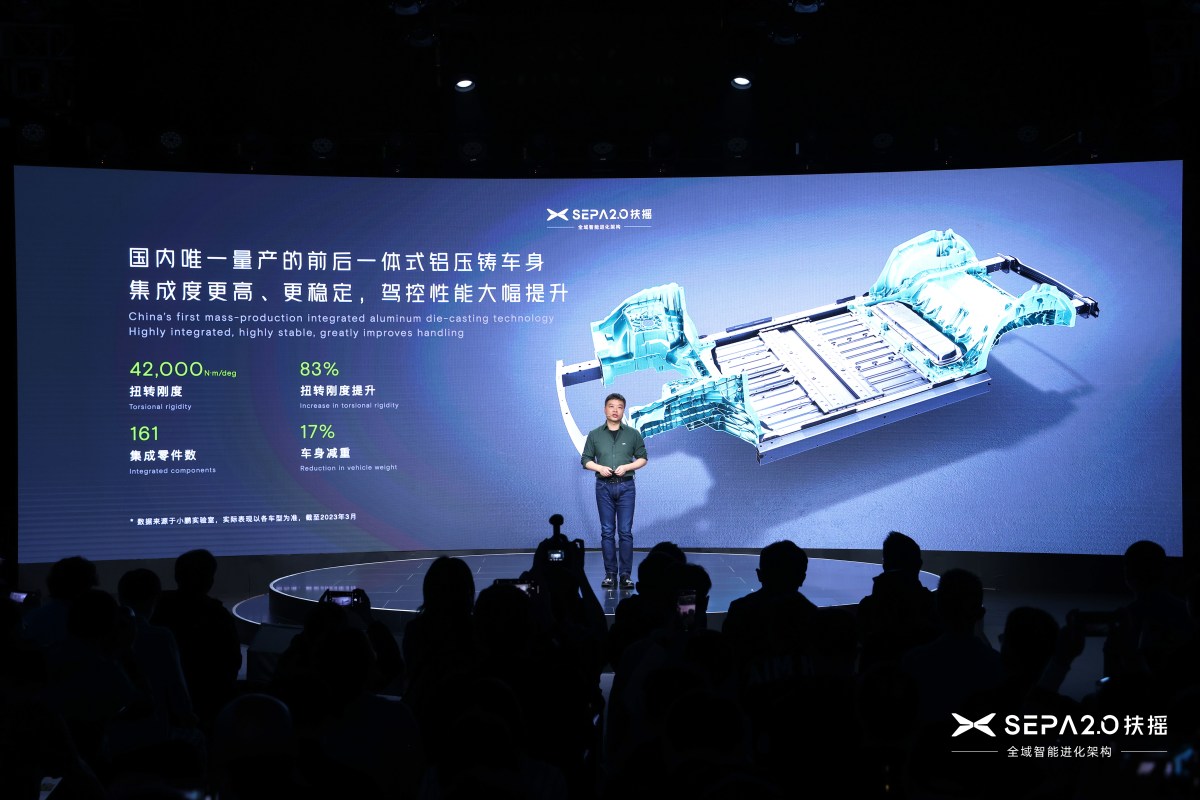
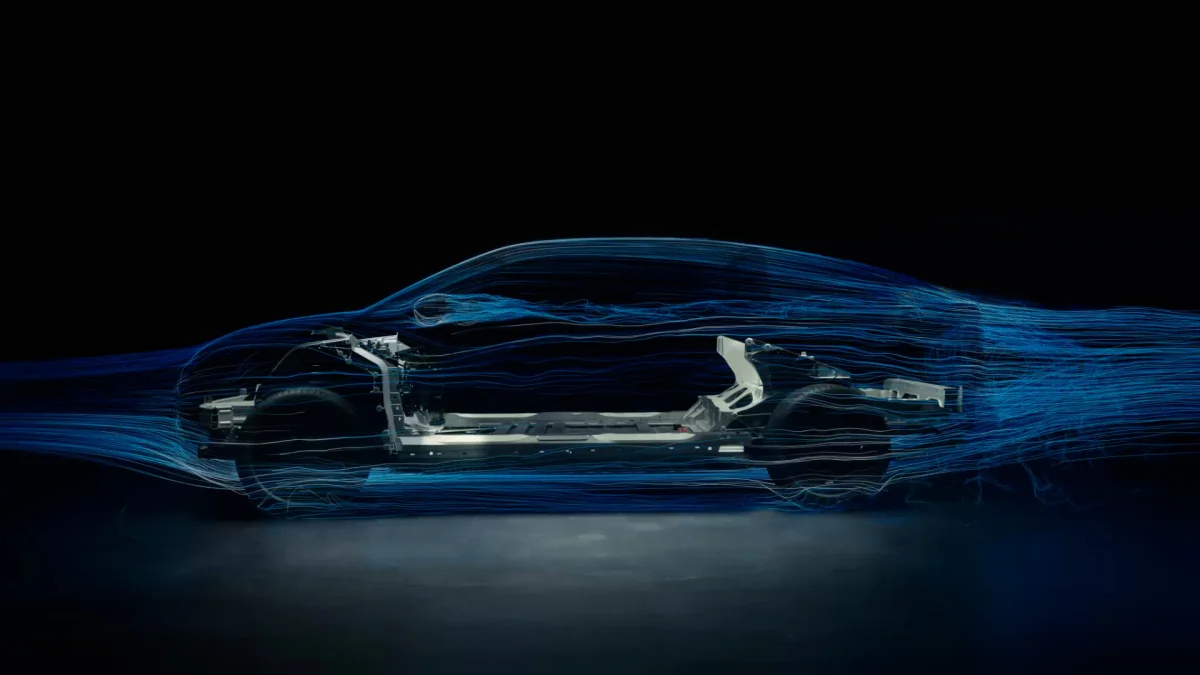
Chinese EV maker XPeng has unveiled its Smart Electric Platform Architecture (SEPA) 2.0, which will reduce the cost of development and manufacturing for future models. The platform will support a range of vehicle types and is expected to shorten the R&D cycle for future models by 20%. XPeng's upcoming G6 coupe SUV will be the first vehicle built on the SEPA 2.0 platform. The cost-focused event comes as XPeng's rivals have sparked price wars in China.