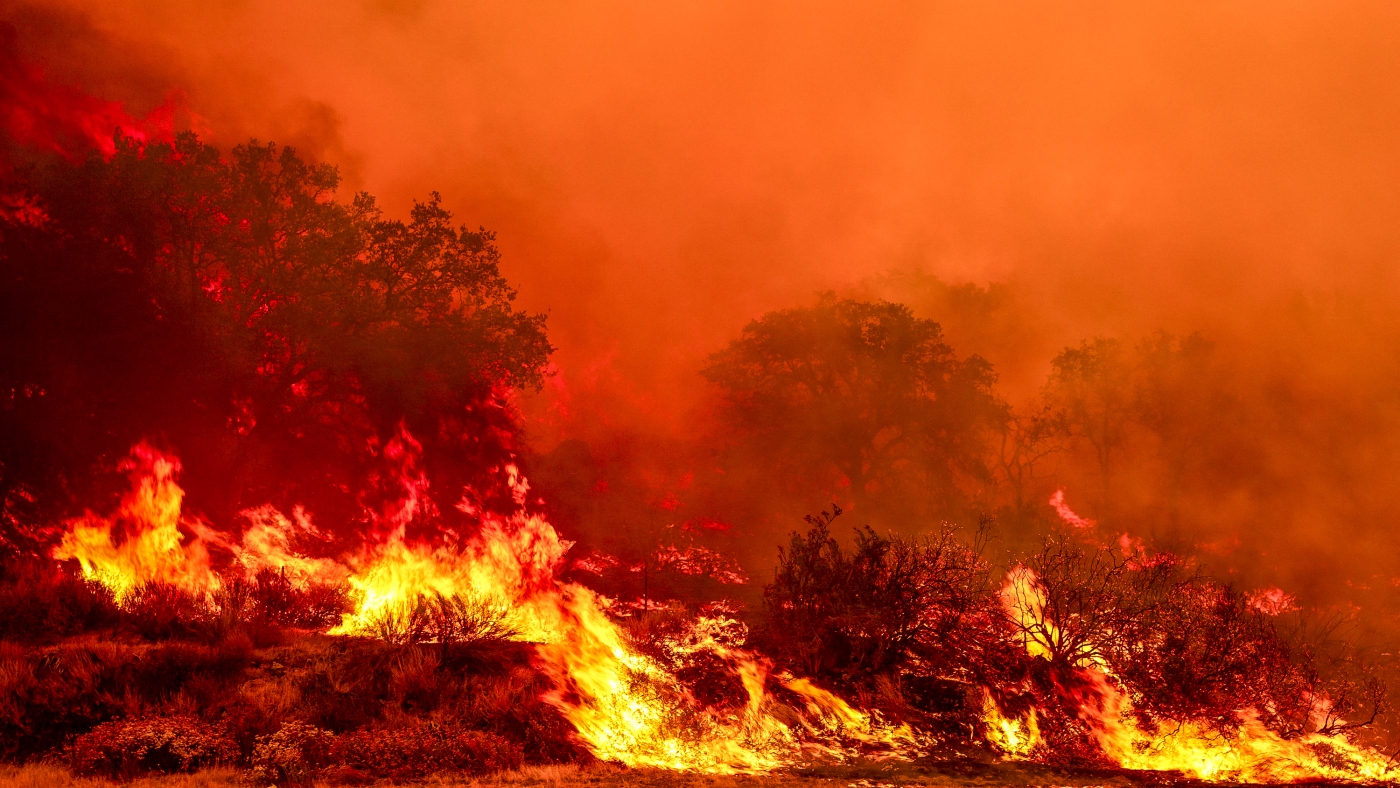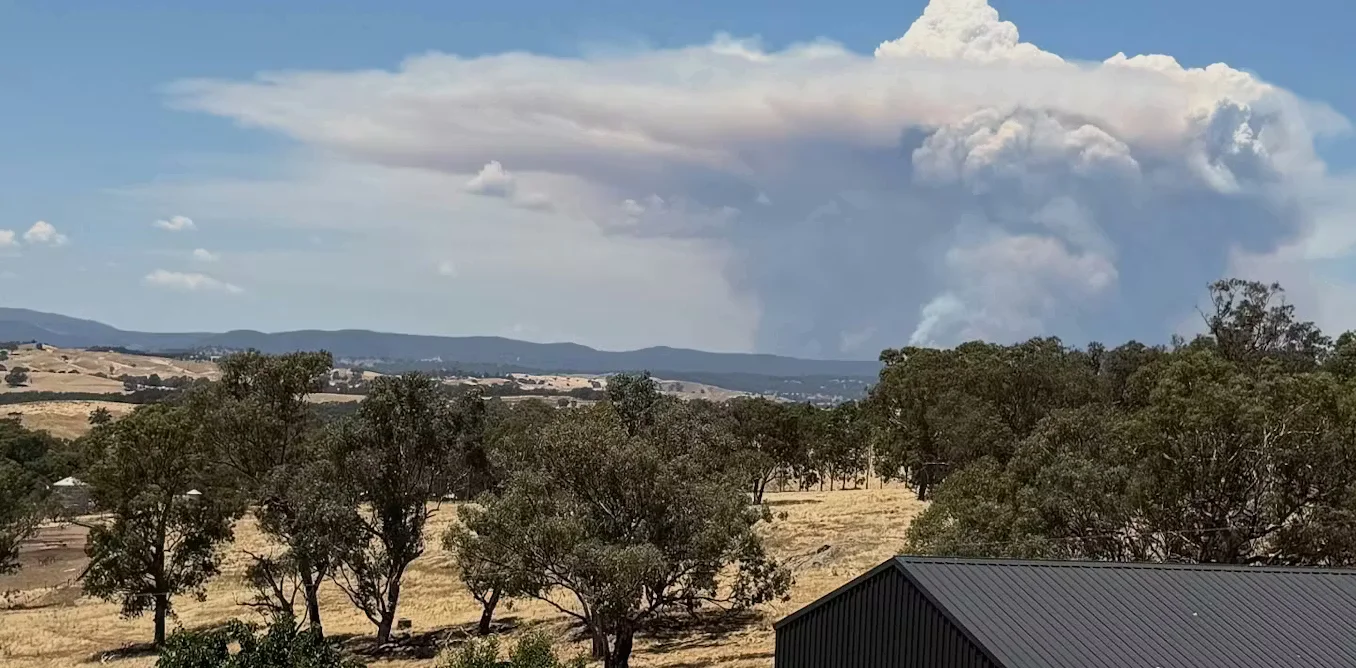
Bushfires can generate their own weather systems, including powerful thunderstorms called pyrocumulonimbus clouds, which can intensify fires, cause lightning, and spread embers over large distances. These fire-induced weather phenomena are becoming more common due to climate change, posing significant challenges for fire prediction and management. Understanding these processes is crucial for improving emergency responses and mitigating risks.
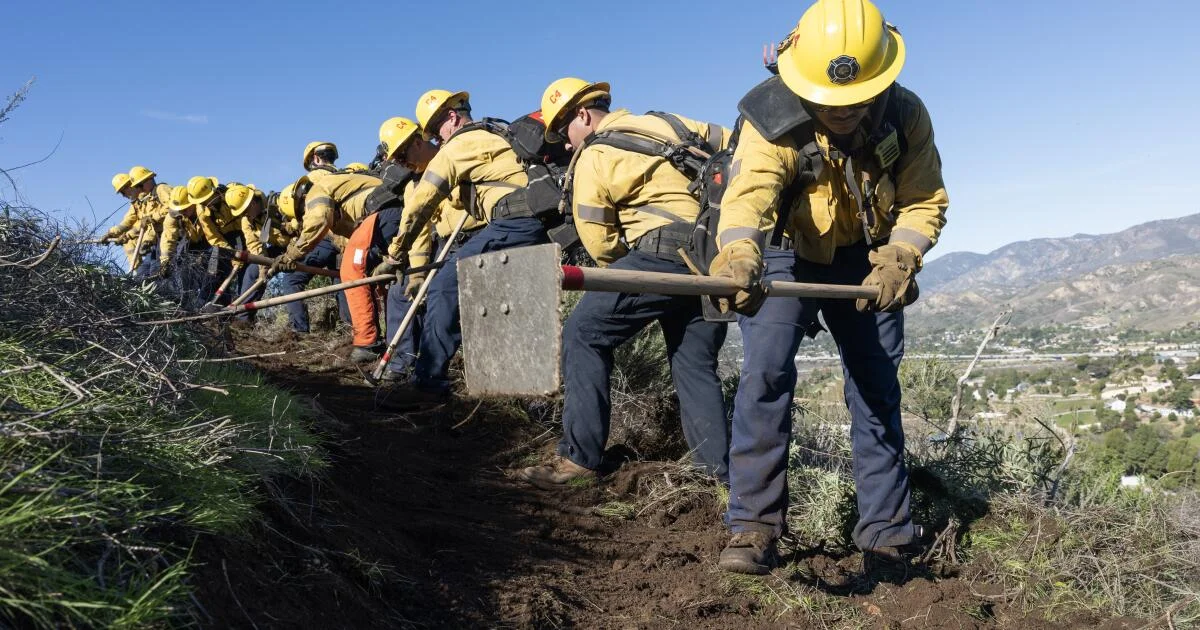
The Los Angeles Fire Department faced criticism for its response to the Palisades fire, highlighting issues in resource management, outdated technology, and decision-making. Despite recent changes, experts and officials remain skeptical about the department's readiness for future wildfires, emphasizing the need for transparency, better training, and increased funding to improve wildfire response capabilities.
The Trump administration plans to rescind the 2001 Roadless Rule, which protects nearly 60 million acres of national forests from road construction, arguing it will aid wildfire suppression. However, experts warn that more roads could increase wildfire risks, as roads are common ignition points and can alter vegetation. The move has sparked controversy, with environmental groups opposing it and some former officials suggesting that targeted, 'surgical' road building might be beneficial for firefighting and forest health. The public comment period on this proposal ends September 19.
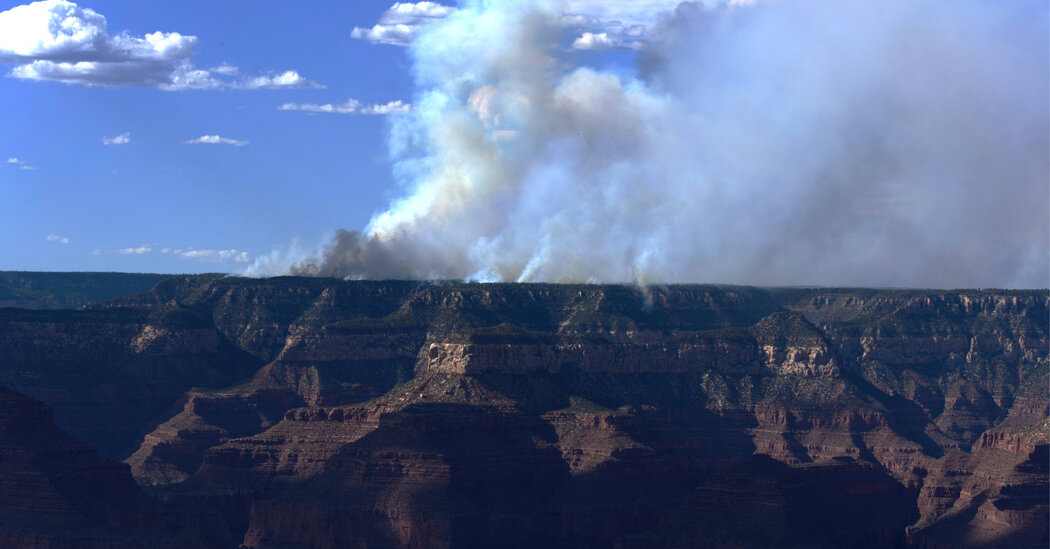
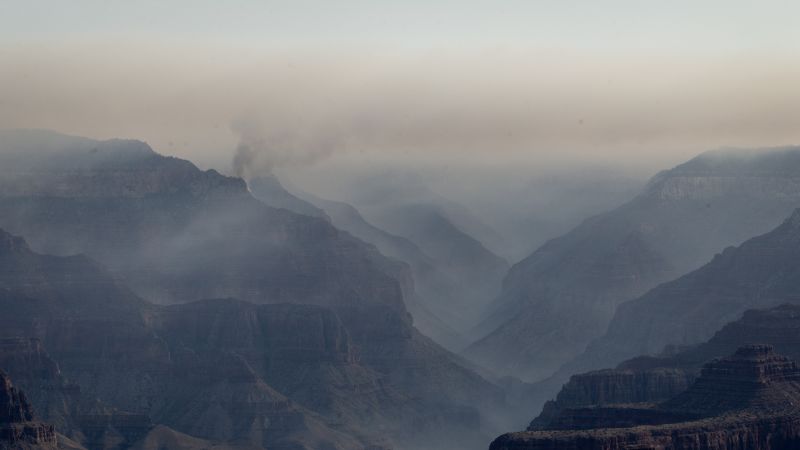
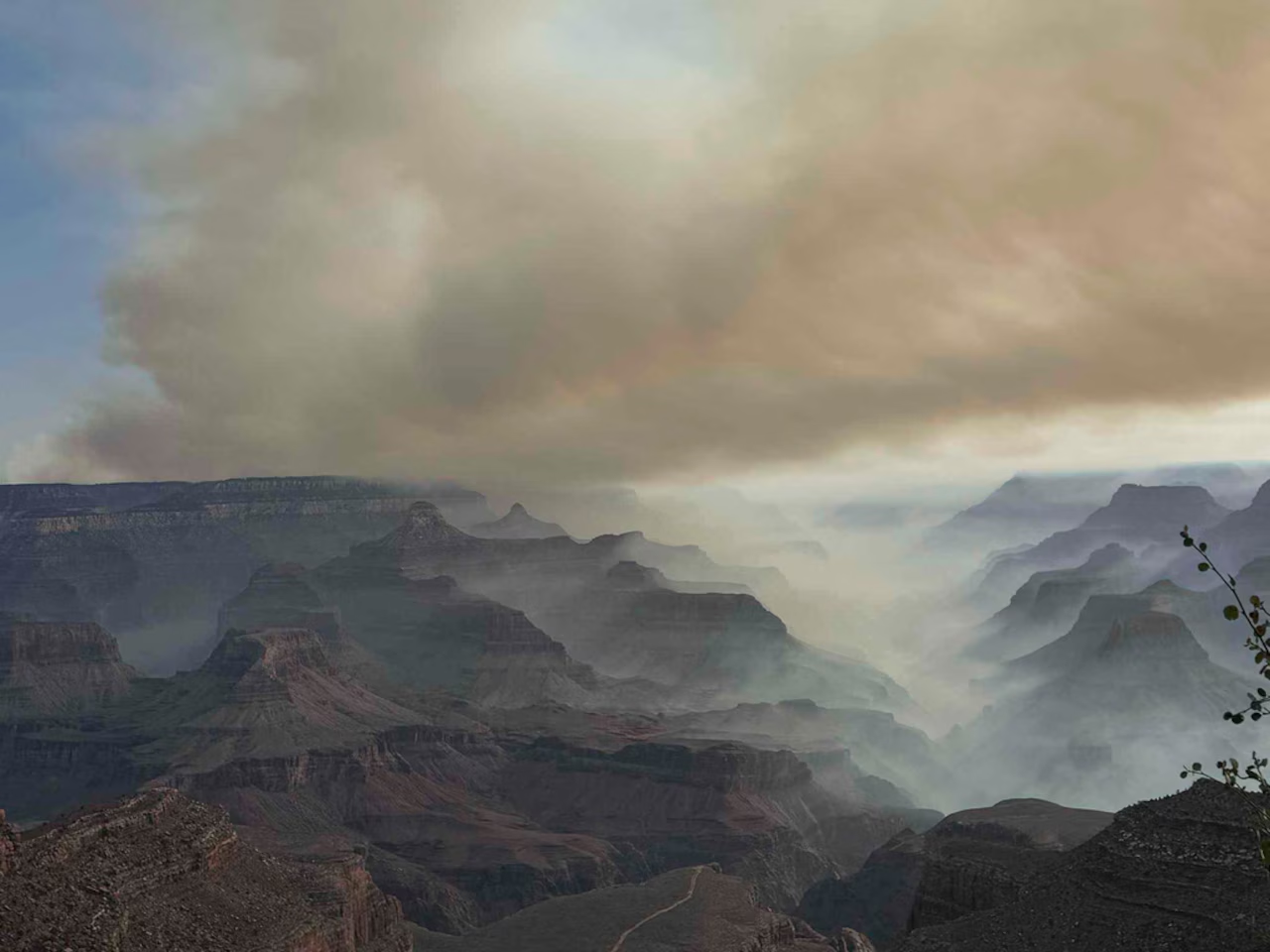
The Dragon Bravo wildfire in Grand Canyon National Park has become the largest in the U.S. this year, burning over 114,000 acres due to dry weather and a weak monsoon season, with firefighting efforts ongoing to contain the blaze and protect structures.
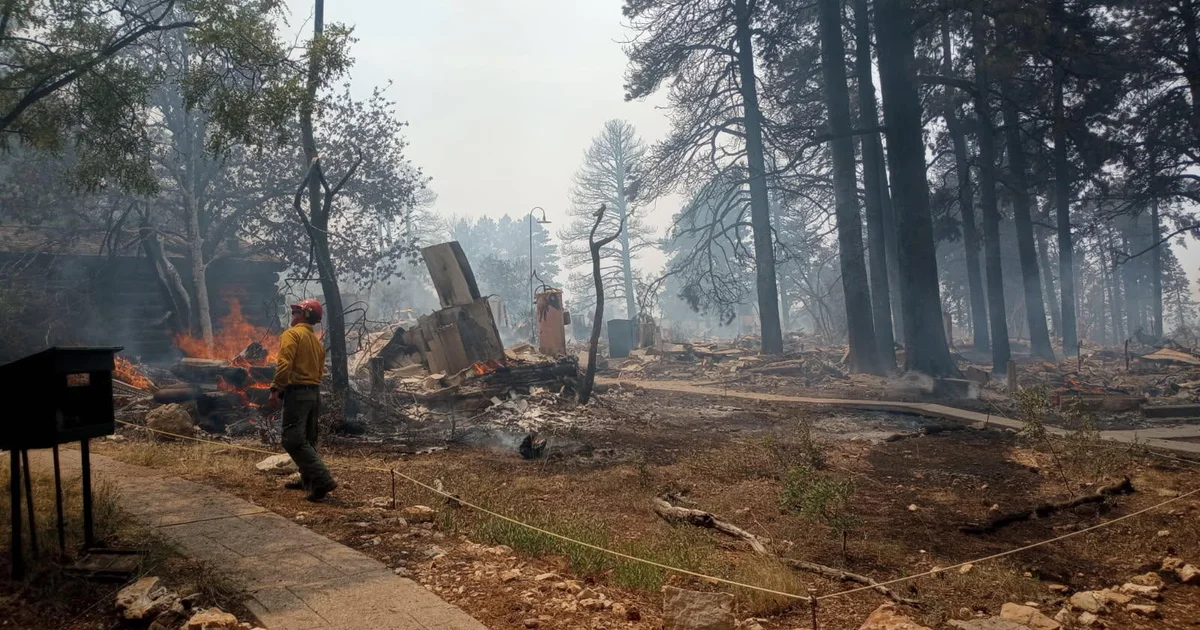
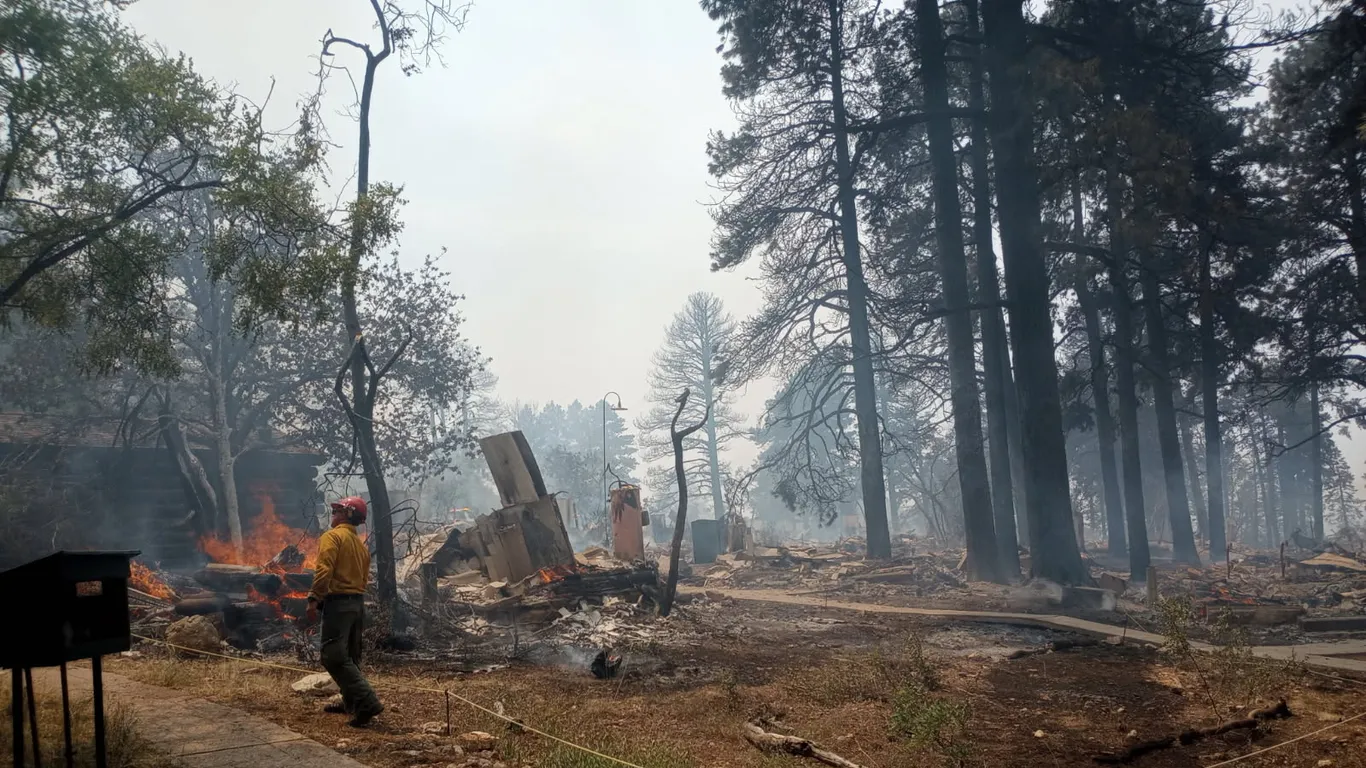
The National Park Service defends its response to a lightning-caused wildfire that destroyed the historic Grand Canyon Lodge, citing initial containment efforts and unforeseen extreme wind shifts as key factors, amid ongoing firefighting efforts and scrutiny over the incident.
Arizona Governor Katie Hobbs demands an independent federal investigation into the handling of the Dragon Bravo wildfire at the Grand Canyon, criticizing initial management decisions and federal resource cuts, amid concerns over fire response effectiveness and impacts on local communities and tourism.
A wildfire at the Grand Canyon's North Rim, which destroyed the historic lodge and other structures, has raised questions about the National Park Service's fire management strategy, especially its decision to initially allow the fire to burn for days before switching to aggressive suppression amid extreme conditions. The incident has prompted calls for a federal investigation and highlights concerns over wildfire response policies in the region.
A wildfire at the Grand Canyon's North Rim, which was allowed to burn for days before rapidly expanding and destroying the historic lodge and other structures, has raised questions about the Park Service's fire management strategy. The fire, sparked by lightning on July 4, grew significantly due to hot, dry conditions and strong winds, leading to evacuations and park closures. The incident highlights ongoing wildfire challenges in the western U.S., with multiple fires burning across the region.
Wildfires in northern Arizona, including the destruction of the historic Grand Canyon Lodge, have been fueled by extreme heat, dry conditions, and gusty winds, prompting evacuations and an investigation into fire management practices amid concerns over climate change impacts.
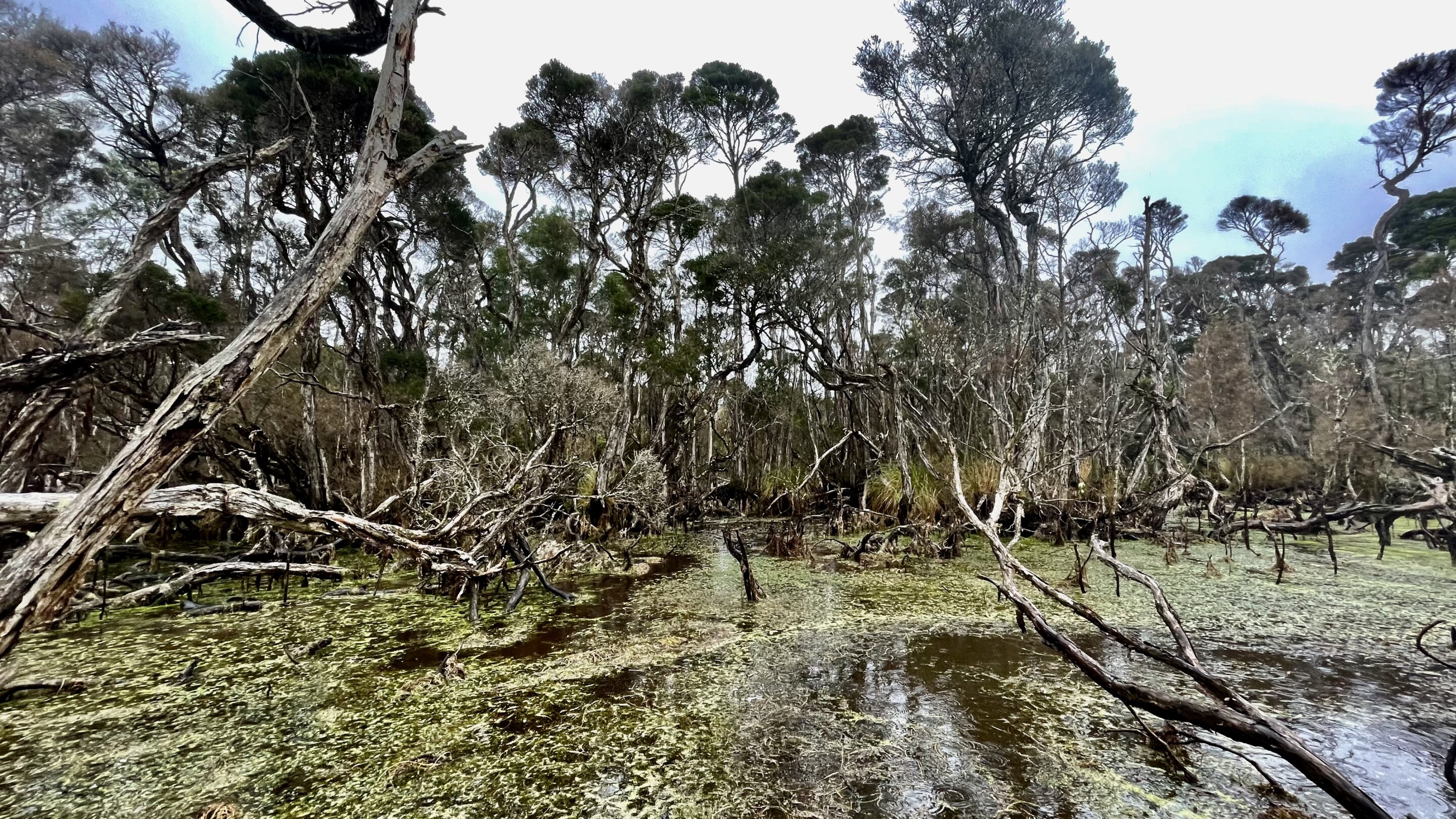
Researchers have discovered that early humans in Tasmania used fire to manage and shape the landscape over 41,000 years ago, which is 2,000 years earlier than previously thought. This finding, based on charcoal and pollen analysis from ancient mud, highlights the long-standing relationship between Aboriginal communities and their environment. The study, published in Science Advances, underscores the importance of understanding ancient land management practices for contemporary landscape management in Australia.
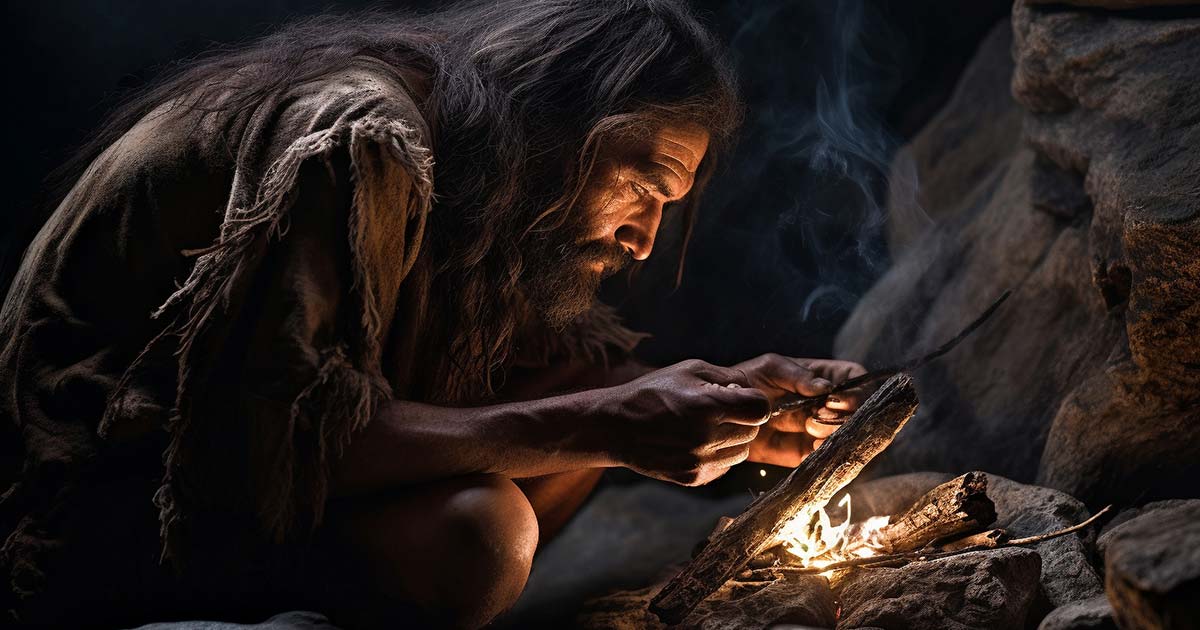
A group of archaeologists from Portugal, Italy, and Spain argue that Neanderthals were not a separate species from modern humans but rather another variety of humans. Their conclusion is based on an analysis of the fire-managing capabilities of Neanderthals who lived in Portugal over 70,000 years ago. The researchers found that these Neanderthals were skilled at using fire for cooking, heating, and light, similar to how modern humans would later use fire. The evidence suggests that Neanderthals and modern humans shared a common culture and lived side by side in Europe for thousands of years, even interbreeding.