Trump Media & Technology Group launched five America-First themed ETFs on the NYSE, offering investors a way to support American industries and values through index-backed funds focused on security, defense, energy, icons, and red state REITs, with plans for additional funds in 2026.

Mortgage reward credit cards like Mesa and Rocket Mortgage are disappearing due to profitability challenges and transaction fee issues, leaving consumers with fewer options for earning rewards on mortgage payments. Mesa abruptly shut down its card without notice, and Rocket Mortgage also ended its co-branded card, prompting affected customers to continue paying their balances and seek alternative rewards programs like Bilt, which plans to introduce new mortgage reward options in 2026.
A Trump-appointed group has called on US regulators to clarify and ease rules around crypto trading and digital assets, advocating for legislative and regulatory reforms to promote innovation and US leadership in blockchain technology, following recent moves like the stablecoin regulation bill and plans for a US government Bitcoin reserve.
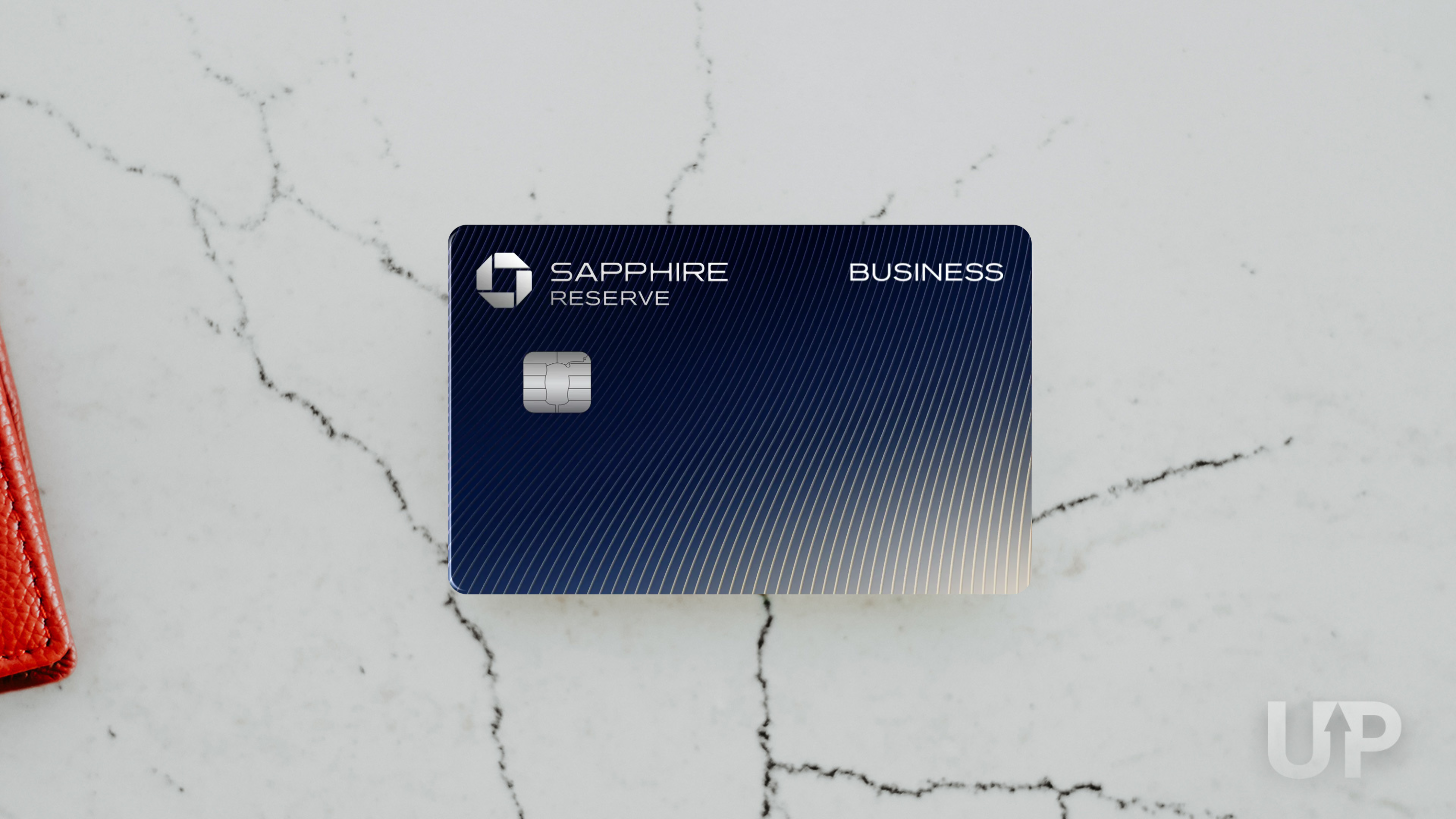
The article discusses the new Chase Sapphire Reserve business credit card, providing detailed information about its features and benefits, with a disclaimer about the site's advertising and endorsement policies.
The ETF industry is introducing two-stock ETFs to simplify pair-trade strategies for everyday investors. Tidal Financial Group plans to launch eight such ETFs, which bundle long and short positions into a single product, eliminating the need for separate trades. This approach aims to make long-short trading more accessible and convenient, potentially increasing ETF adoption among investors seeking easier market position balancing.
Robinhood has unveiled its new credit card, available exclusively for Robinhood Gold members, featuring the unique ability to invest cash-back bonuses into investments. The move comes after the acquisition of startup X1, known for a similar feature. With perks like adding family members as cardholders and targeting Apple's consumer credit market, tech companies like Robinhood and Apple are increasingly expanding into the realm of personal finance, blurring the lines between technology and day-to-day consumer finance.
In January 2024, there are numerous CDs offering rates of 5.5% or higher, providing opportunities for savers to earn substantial returns on their money. These CDs have varying terms and minimum deposit amounts, with options such as the EagleBank 6-month CD offering a 5.75% APY and the Bread Savings 1-year CD offering a 5.50% APY. Locking in a fixed rate with a CD can be advantageous in the current rate environment, especially compared to the average regular savings account offering only 0.46% interest.
Personal finance expert Dave Ramsey warns against a specific investing approach, calling it "one of the worst financial products alive today." When a concerned Arizona father called in for advice, Ramsey advised him to avoid this approach like the plague.
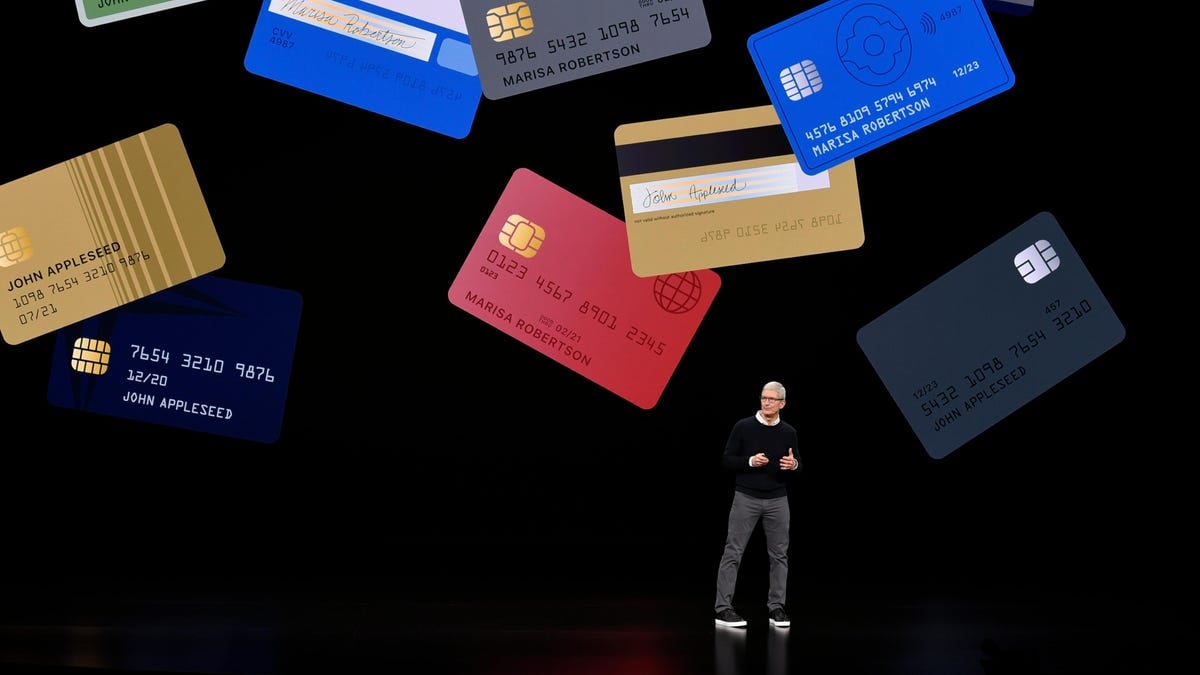
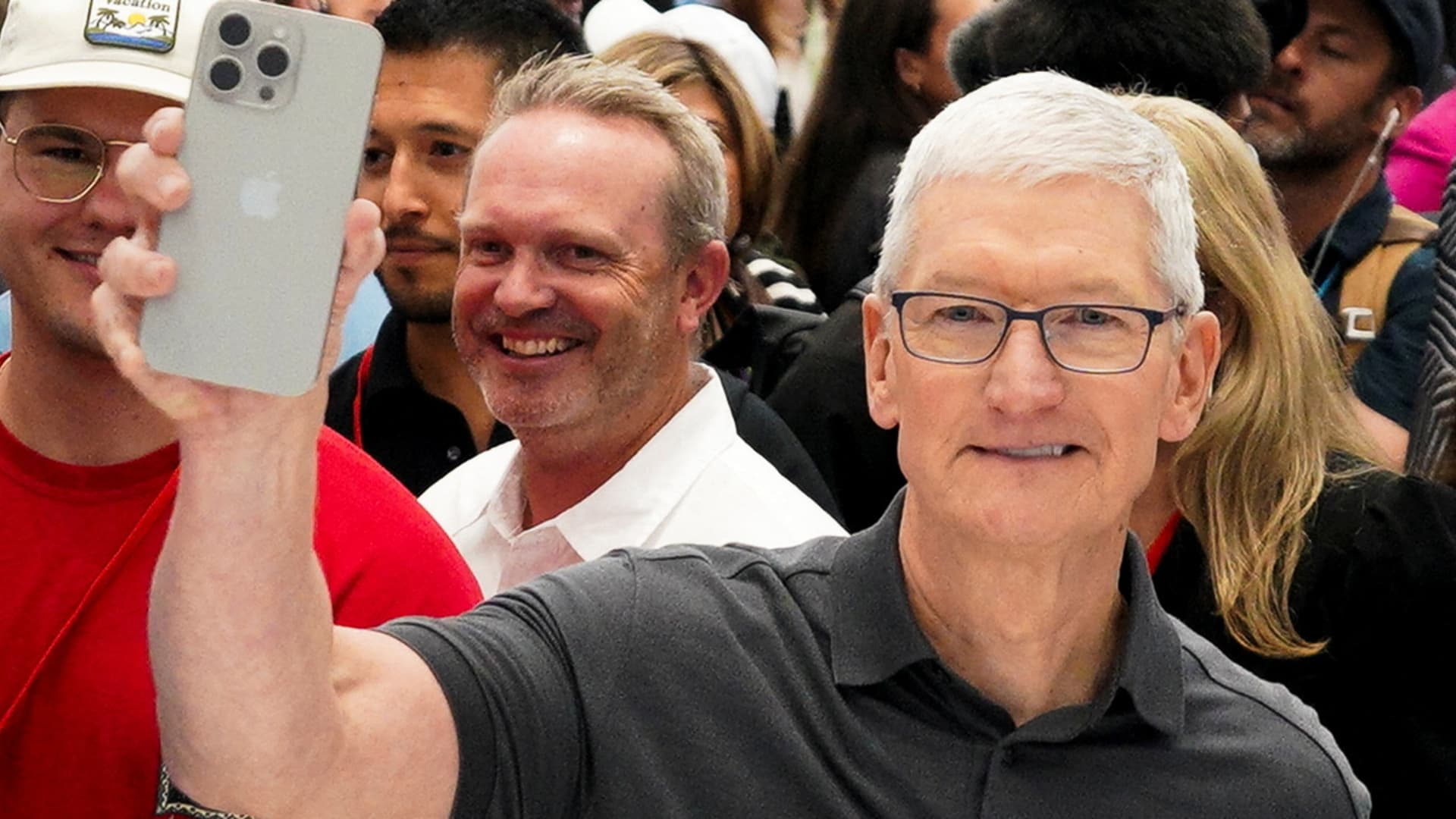
Goldman Sachs is reportedly facing internal pressure to exit the consumer-lending space, with the Apple Card partnership seen as a distraction from its core business. The bank's third-quarter earnings, expected to be significantly down, may lead to the offloading of Apple's financial products onto another bank. While Goldman's stock has declined this year, the high-yield Apple savings accounts remain popular and attract billions in deposits. The partnership between Goldman Sachs and Apple, once praised as innovative, is now under scrutiny, with some questioning whether the foray into consumer banking was a mistake.
Apple and Goldman Sachs were reportedly working on a stock-trading feature for iPhones in 2020, but the project was shelved due to market volatility. The feature would have allowed consumers to buy and sell stocks, expanding Apple's suite of financial products powered by Goldman. Concerns about potential user backlash and losses in the stock market led to a shift in focus towards launching savings accounts instead. The status of the stock-trading project is unclear, but the infrastructure is said to be ready if Apple decides to move forward. Other tech companies, including Twitter and PayPal, have also explored entering the stock trading space.
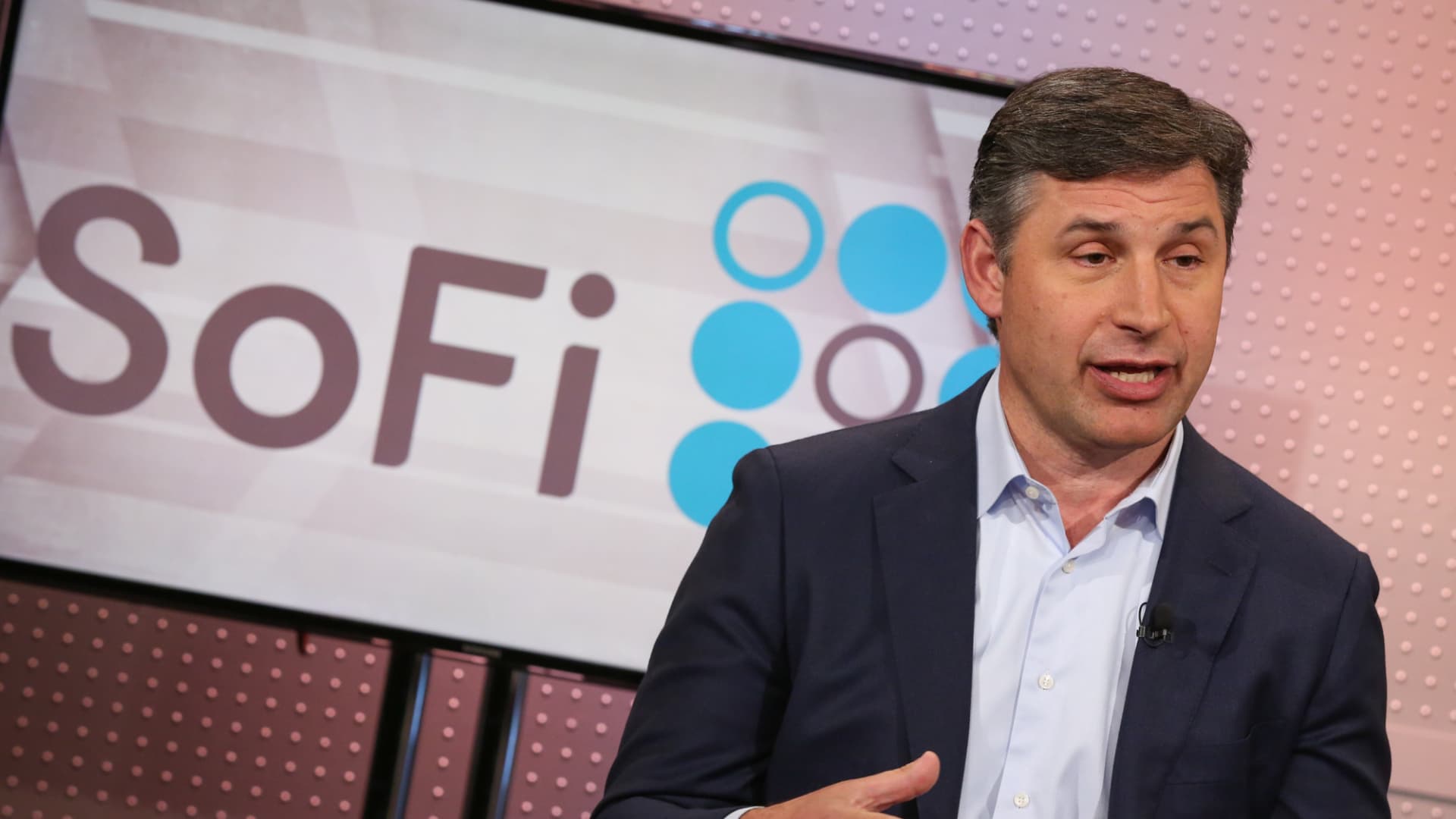
SoFi, the digital banking and personal finance company, has reported significant growth since receiving its banking license, with over $2 billion in deposits added each quarter. The company gained over 584,000 new members in Q2, bringing the total to 6.2 million, a 44% increase year over year. SoFi's stock also rallied 20% post-earnings. CEO Anthony Noto attributes the company's success to its mobile-first technology and attractive financial products, such as personal loans and student loan refinancing, which allow customers to lower their monthly payments and manage their finances effectively.
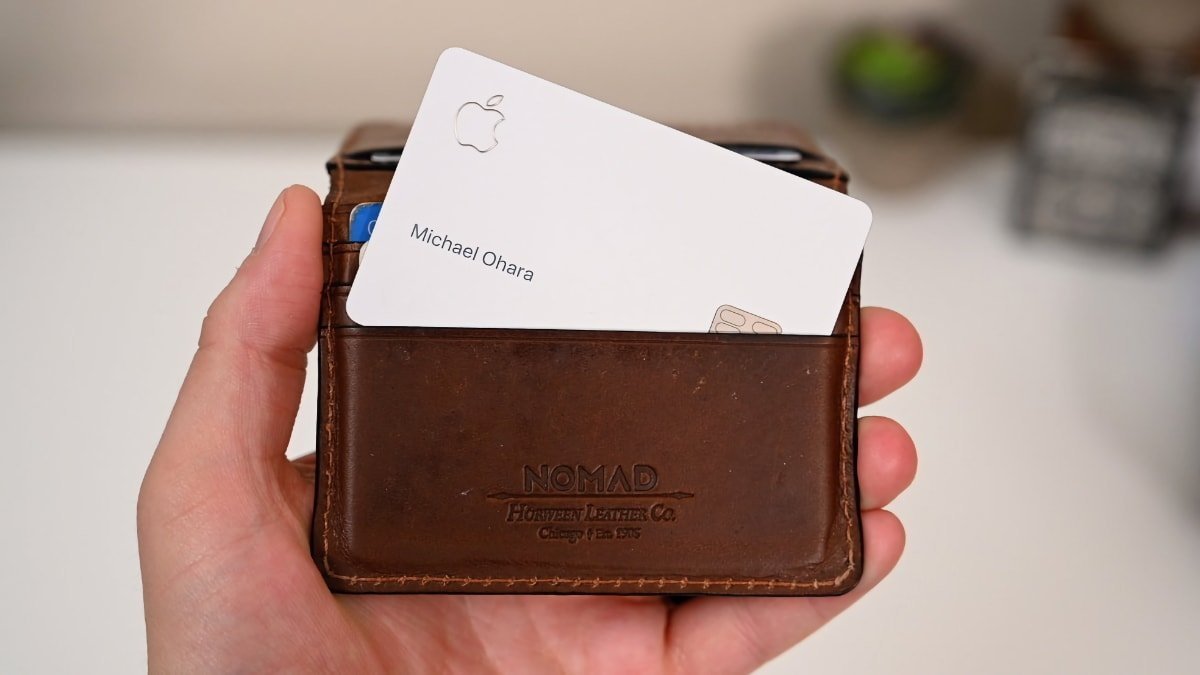
The once successful partnership between Apple and Goldman Sachs, which resulted in the creation of the Apple Card, has soured over the years. Differences in culture and priorities, along with post-launch friction and regulatory issues, have strained the relationship. The operation has been costly for Goldman Sachs, resulting in significant pre-tax losses, and the lack of profit from interchange fees and other revenue sources has limited its benefits. Despite wanting to extract itself from the partnership, Goldman is contractually stuck until the end of the decade and faces challenges in finding a suitable partner to take over. Apple may consider going it alone with an invisible partner.