A Ninth Circuit Court rejected an emergency appeal by environmental groups to block Sable Offshore's restart permit for oil pipelines, with the legal dispute ongoing and the company potentially resuming operations amid federal and state regulatory conflicts, amid broader debates over energy policy and environmental concerns.
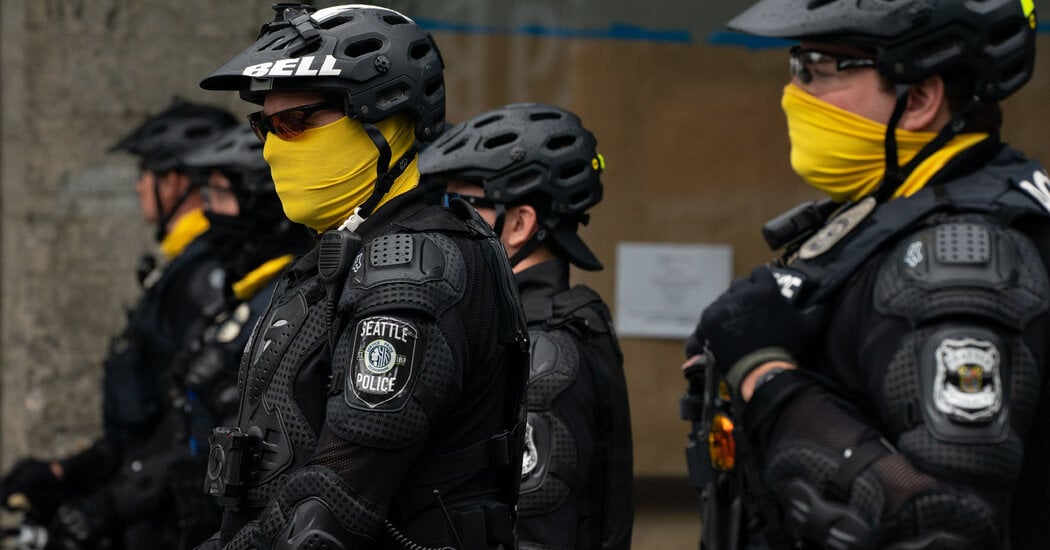
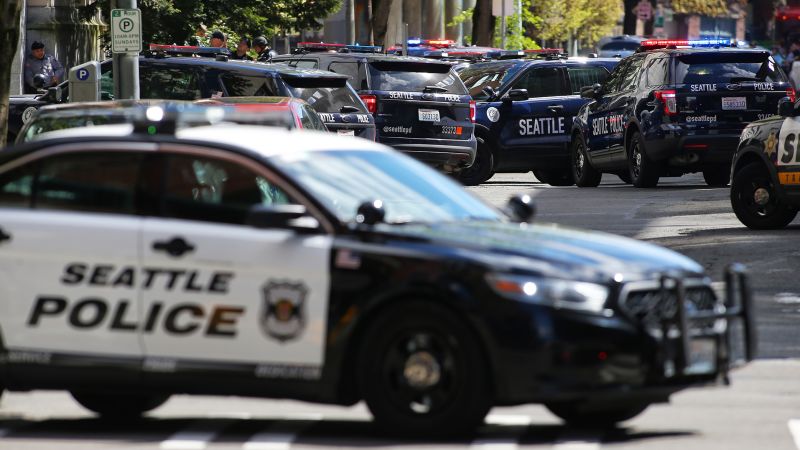
A federal judge ended over a decade of federal oversight of the Seattle Police Department, citing significant improvements in officer accountability, use-of-force policies, and community relations since the implementation of reforms following allegations of excessive force and racial bias.
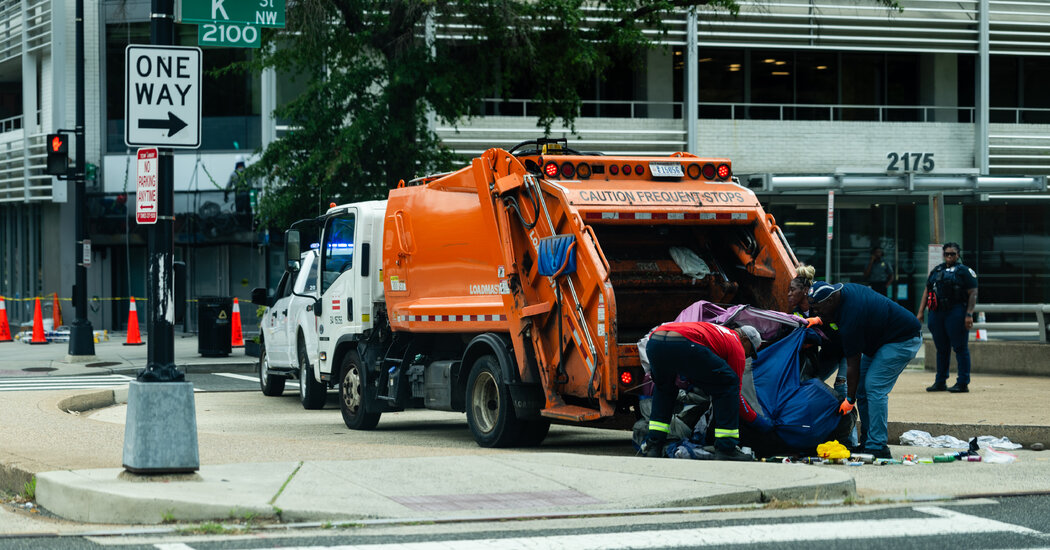
Several homeless encampments in Washington, D.C., were cleared by police under federal oversight, with tents and belongings discarded, despite notices allowing some residents to remain until later dates, sparking public protests and controversy over the treatment of vulnerable populations.
Texas Attorney General Ken Paxton has filed a lawsuit against the Biden-Harris Administration and the U.S. Department of Justice, accusing them of unlawfully deploying federal agents to monitor Texas elections. Paxton argues that this action violates state law, which does not permit federal personnel at polling or counting locations. The lawsuit claims this federal oversight infringes on Texas's constitutional authority to conduct its elections independently.
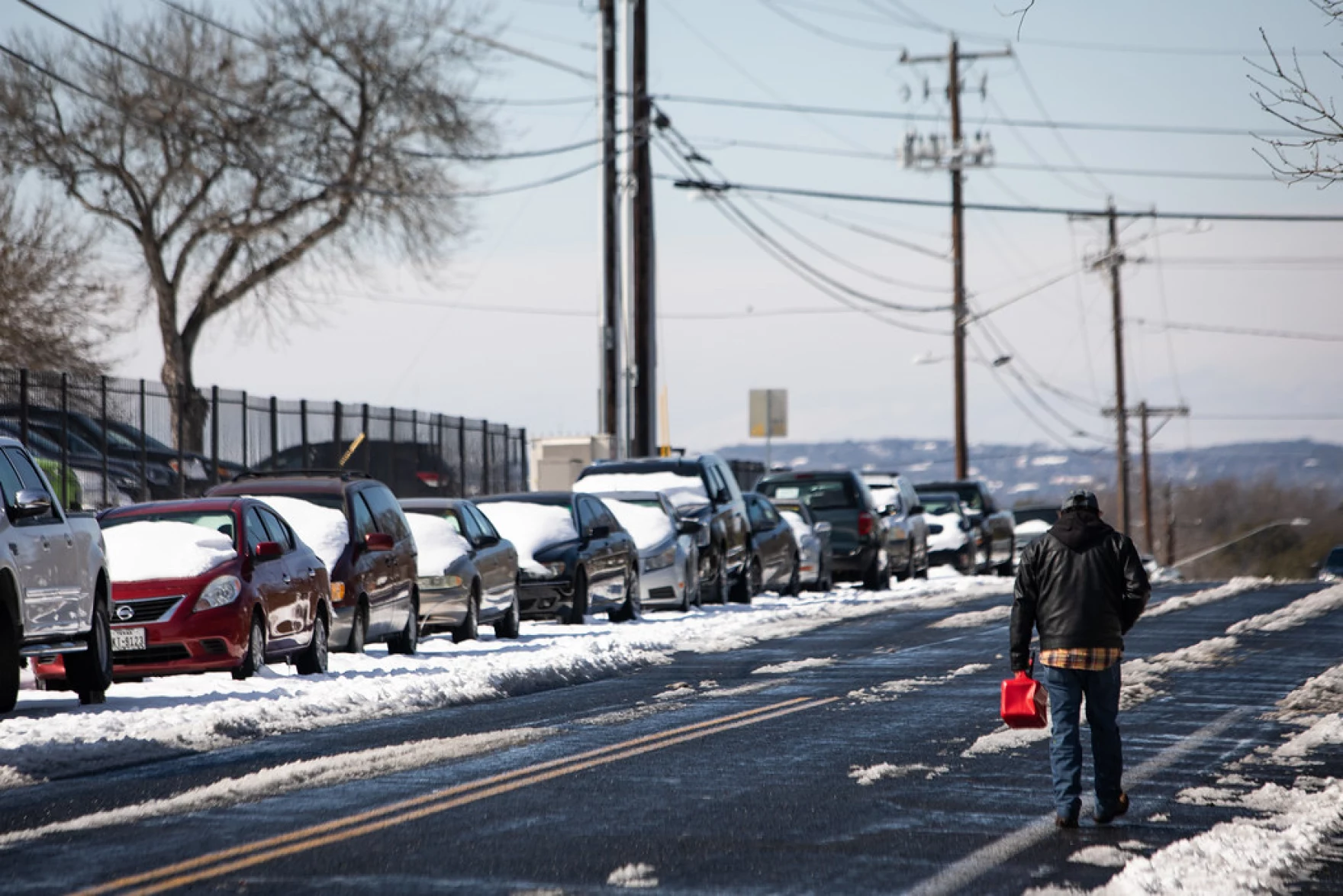
U.S. Rep. Greg Casar has filed a bill to connect Texas' energy grid to neighboring states, aiming to end the state's energy isolation and improve reliability. The bill would mandate coordination with federal regulators and neighboring grid-operating organizations to create high-voltage interconnections, potentially reducing power costs for consumers and allowing Texas to sell more renewable energy. However, the bill faces opposition due to concerns about increased federal oversight and potential threats to the state's energy independence.
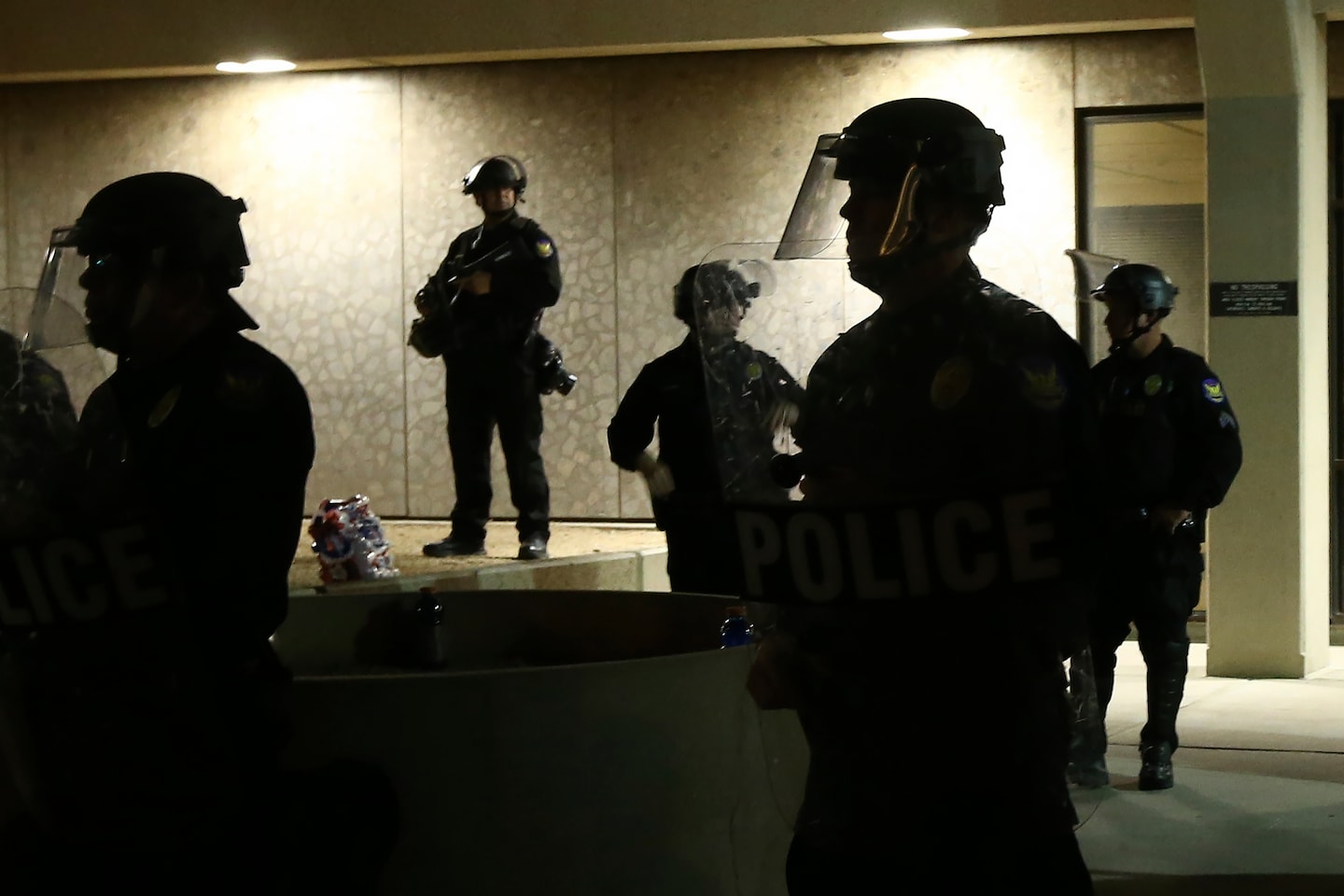
The Justice Department's investigation into the Phoenix Police Department's alleged misconduct has sparked a contentious standoff, with city officials resisting federal oversight and disputing the findings. Phoenix's 2,600-officer police force has faced criticism for excessive force and false charges against protesters, prompting the federal probe. City leaders argue that recent reforms demonstrate progress and resist the prospect of a consent decree, preferring federal guidance without enforcement power. The escalating standoff highlights ongoing challenges in compelling local law enforcement agencies to make sweeping changes, as federal authorities seek to foster greater cooperation between police and the communities they serve.
Recent activity in Washington, including proposed AI legislation, closed-door hearings, and voluntary corporate commitments, is providing clarity on the impending federal regulation of artificial intelligence (AI). The proposed legislative framework aims to encourage innovation while establishing guardrails and enforceable safeguards. It includes a federal licensing process overseen by an independent oversight body, audits of companies seeking licenses, and monitoring of AI developments and economic impacts. The legislation also addresses accountability, transparency, consumer redress, and privacy concerns. The activity suggests a consensus in Congress for AI regulation, and corporate leaders can now better prepare for federal monitoring, licensing, audits, and potential executive liability. The Biden administration is also developing an executive order to promote responsible innovation.
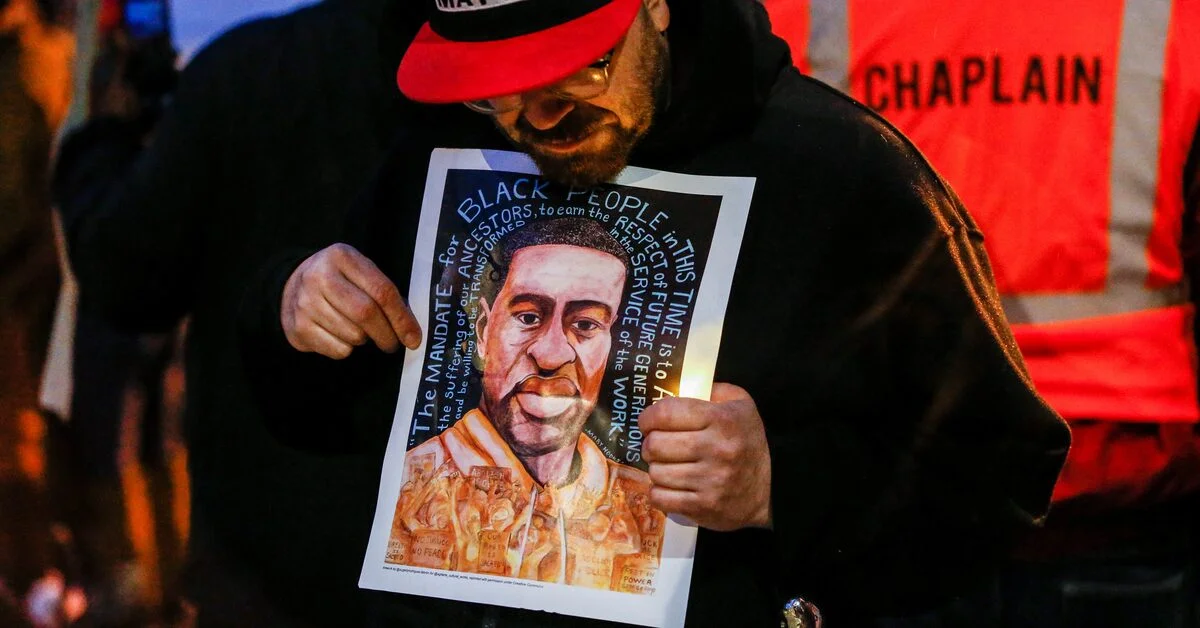
The US Justice Department has found that Minneapolis police officers routinely use excessive force and discriminate against Black and Native American people. The city has agreed to federal oversight as it works to reform the police department. The report vindicated long-standing community complaints of rampant abuse by the police force that predated George Floyd's murder. The Justice Department's Civil Rights Division launched its investigation in April 2021 after Derek Chauvin was convicted of murdering Floyd. The investigation found that officers frequently violated residents' constitutional rights.
The Supreme Court has ruled that an Idaho couple's property does not include wetlands subject to federal oversight under the Clean Water Act, weakening the landmark water pollution law. The decision ends a yearslong battle between the Sacketts and the federal government and is a victory for conservative groups and business interests opposed to the broad application of the water pollution law. The ruling is another example of the court's conservative justices powering a decision that curbs broad power of federal agencies, a consistent theme in recent years.
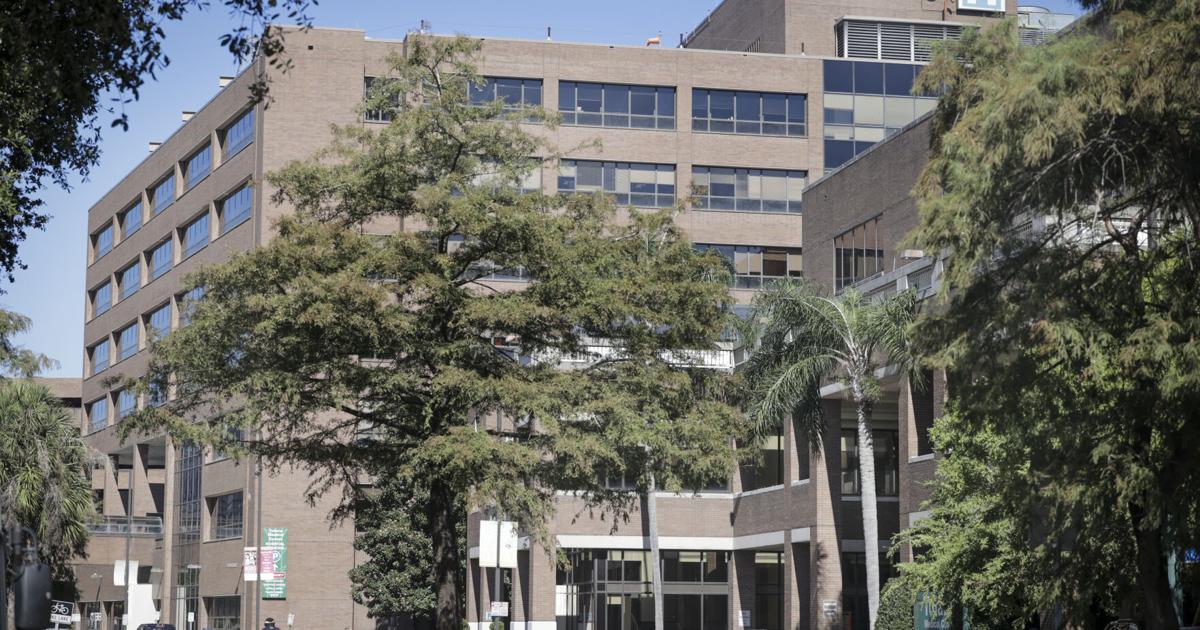
Louisiana Attorney General Jeff Landry is seeking to intervene in a federal lawsuit filed by LCMC Health over its purchase of three New Orleans area hospitals, arguing that the state's approval of the deal should be enough for it to move forward. The Federal Trade Commission told LCMC earlier this month that the hospital operator should have sought the approval of federal regulators before executing the $150 million deal with HCA Healthcare. LCMC responded by filing suit against the FTC, arguing that the approval via the state's “Certificate of Public Advantage,” or COPA, was the proper approval process.
The Justice Department has requested to end the consent decree with the Seattle Police Department, which was established in 2012 after a federal investigation found a pattern of excessive force and discriminatory policing. The police department has made significant progress in implementing reforms, and the request asks for continued federal oversight in two specific areas. The end of the consent decree marks a milestone in federally supervised police reform efforts, which have been criticized for their length.