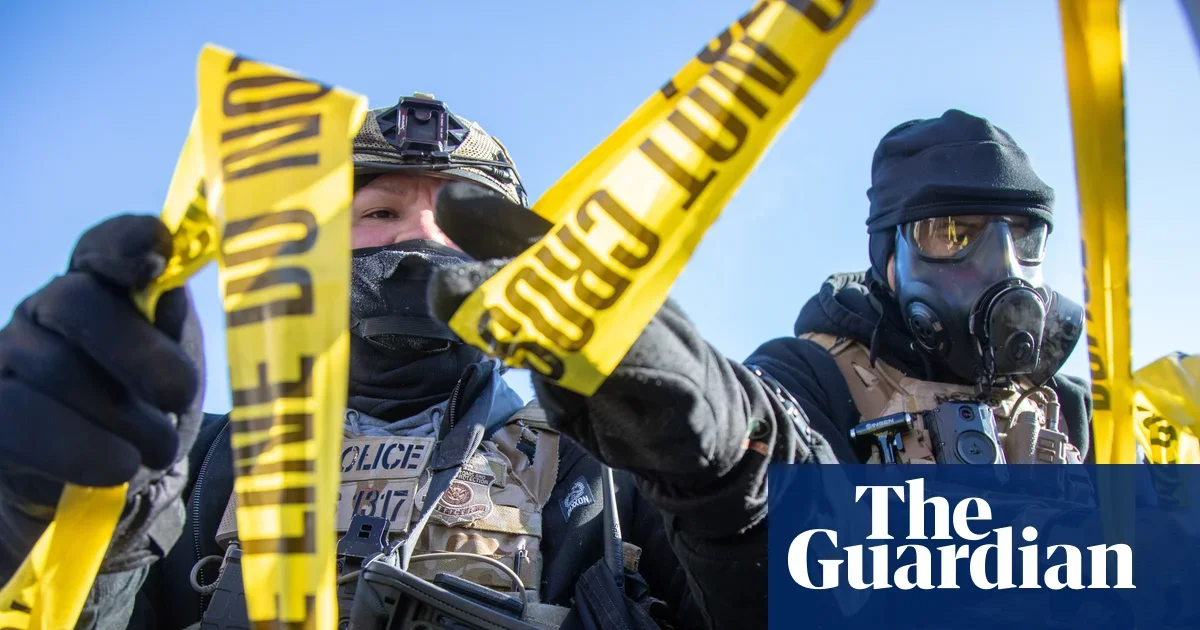
A US District Judge in Chicago questioned federal officials about their response to ongoing protests, emphasizing the need for body cameras on officers, reviewing use of force, and clarifying agency responsibilities amid Operation Midway Blitz, which involved extensive ICE arrests and protests.
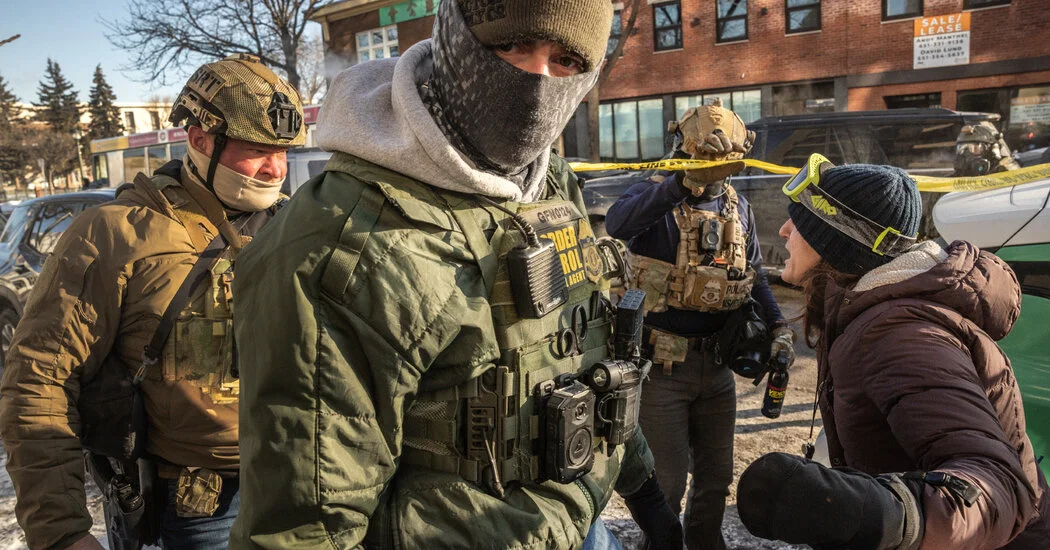
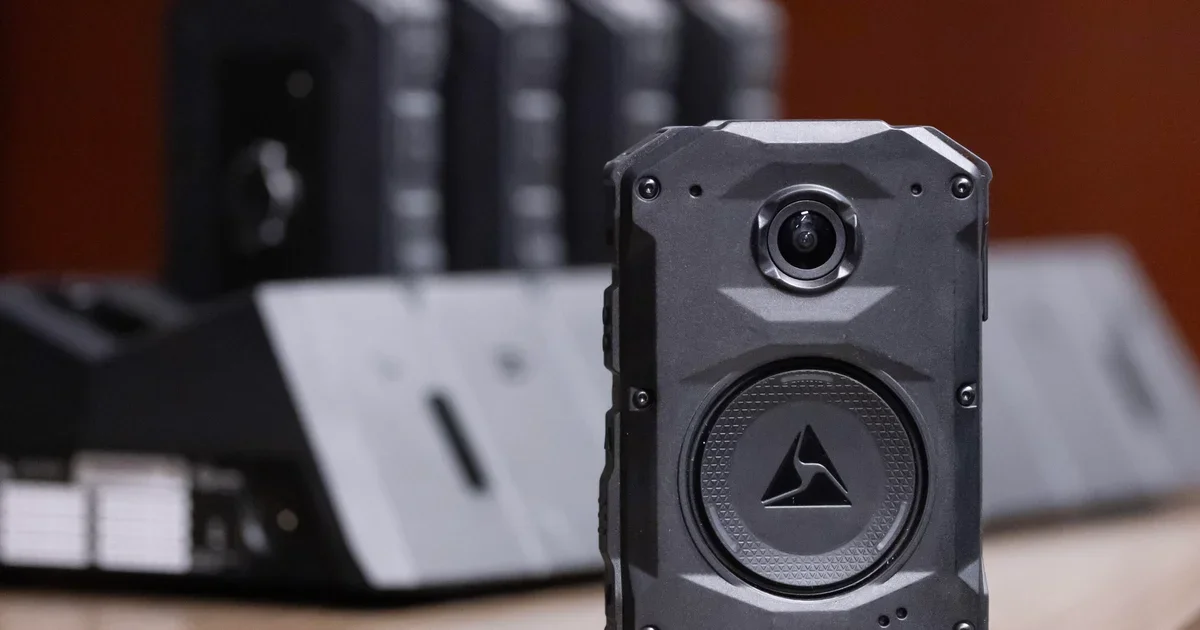
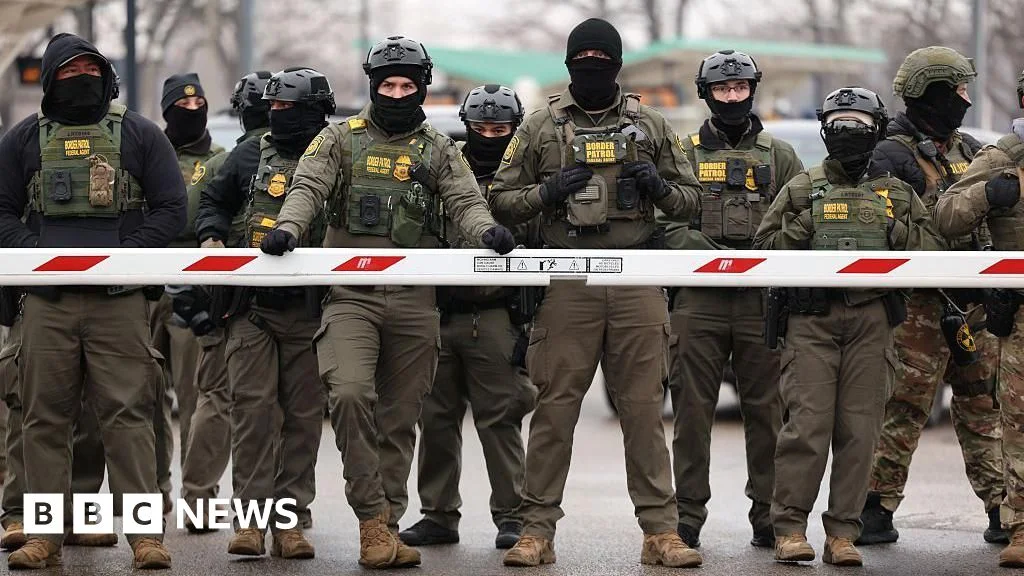
U.S. Border Patrol agents in Chicago are equipped with body cameras amid a crackdown on immigration, with recent use of tear gas during protests drawing scrutiny. A court hearing examined the tactics and safety measures, including the use of tear gas and the requirement for agents to wear badges and cameras, amidst ongoing legal and political debates about immigration enforcement methods.
A federal judge in Chicago ordered immigration agents to wear and activate body cameras during law enforcement activities, emphasizing that this was a mandatory order due to concerns over violence and the use of tear gas against protesters, and not a suggestion.
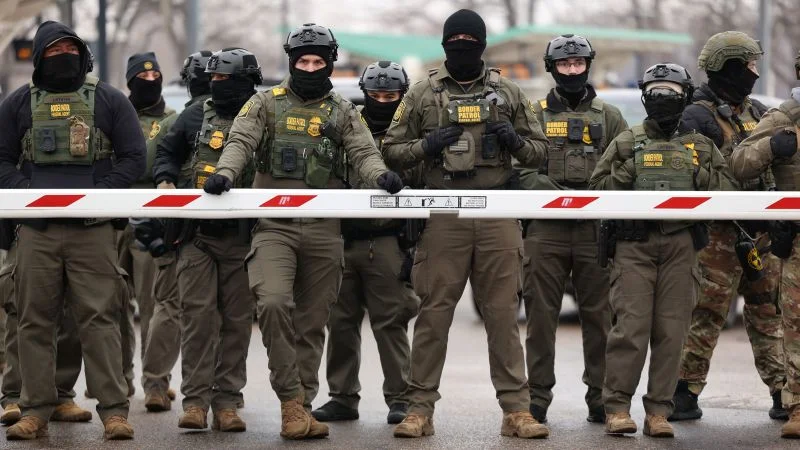
A federal court in Chicago has ordered immigration officers to wear body cameras following incidents of aggressive tactics against protesters and local police, which appeared to violate a previous court order. The judge criticized the Department of Homeland Security for continuing to use forceful methods like tear gas and pepper balls, raising concerns about compliance and excessive force amid ongoing deportation efforts and community protests. The situation highlights tensions between federal immigration enforcement and local communities.
A federal judge in Chicago has ordered immigration officers to wear body cameras following concerns over aggressive tactics used against protesters, including tear gas. The judge emphasized the importance of transparency and monitoring of ICE activities amid increased community oversight and protests. The deployment of cameras is part of broader efforts to regulate law enforcement conduct during immigration enforcement operations.
A judge in Chicago has mandated that federal immigration officers in the area must wear body cameras following concerns over aggressive tactics used against protesters, including tear gas, during immigration enforcement actions. The decision comes amid increased community monitoring and legal restrictions on the use of force by agents. The move aligns with broader efforts to increase accountability and transparency in immigration enforcement.
A federal judge in Chicago has expressed concern over ICE's aggressive tactics during deportation operations, demanding explanations and the implementation of body cameras to ensure accountability, amid reports of tear gas use and violent incidents during protests.
A federal judge in Chicago has ordered immigration agents to wear body cameras following violent clashes with protesters, citing concerns over aggressive tactics and media reports. The decision aims to increase accountability amid heightened community monitoring and protests against immigration enforcement.
A federal judge in Illinois expressed concerns over whether law enforcement agents are following her order to avoid violent encounters with protesters and journalists in Chicago, and has mandated the use of body cameras during such encounters to ensure compliance. The judge's order aims to limit the use of tear gas, pepper balls, and other force against peaceful protesters and journalists, amid reports of excessive force and media coverage questioning law enforcement actions.
ICE officers involved in a fatal shooting in Chicago were not wearing body cameras, raising concerns about transparency and accountability, especially as the incident is under review and the agency's camera policies are under scrutiny.
TJX, the parent company of T.J. Maxx, HomeGoods, and Marshalls, is implementing body cameras for its loss prevention associates to deter theft and promote a safer environment in its stores. The footage from these cameras will only be accessible to law enforcement or legal representatives with a subpoena. This move follows similar security measures by other retailers like Target to combat increasing retail theft.
TJX, the parent company of TJ Maxx, Marshalls, and HomeGoods, has started equipping specially-trained loss prevention employees with police-style body cameras at select stores to deter theft and de-escalate incidents. The footage is only shared with police or through a subpoena. This move is part of a broader trend among retailers to combat shoplifting, with some also exploring AI technologies and removing self-checkout registers.
TJX Companies, the parent company of TJ Maxx and Marshalls, is equipping employees with body cameras to curb thefts. The initiative aims to de-escalate incidents and deter crime, with footage shared only with law enforcement upon request. The company hopes the cameras will reduce "shrink" and enhance store safety, amid a broader retail industry struggle with theft, which resulted in $112.1 billion in losses in 2022.
TJX Companies, which owns TJ Maxx, Marshalls, and Home Goods, has started equipping specially-trained loss prevention employees with body cameras in select stores to deter shoplifting and enhance safety. This move is part of a broader trend, with about a third of retailers exploring similar measures, including AI technologies and removing self-checkout registers, according to a 2023 National Retail Federation survey.
TJX, the parent company of TJ Maxx, Marshalls, and HomeGoods, is equipping some store employees with police-like body cameras to deter shoplifting and enhance safety. While the initiative aims to reduce theft and protect workers, some employees and criminologists question its effectiveness and suggest that better training and staffing might be more beneficial. The use of body cameras in retail is part of a broader trend, with other retailers and countries adopting similar measures. However, concerns remain about the potential risks and the impact on employee privacy and safety.