The Transportation and Infrastructure Committee approved multiple bills, including the Aviation Funding Solvency Act to protect the air traffic control system during government shutdowns, and legislation to modernize aviation, improve water quality, and relocate the FBI headquarters, among other initiatives.
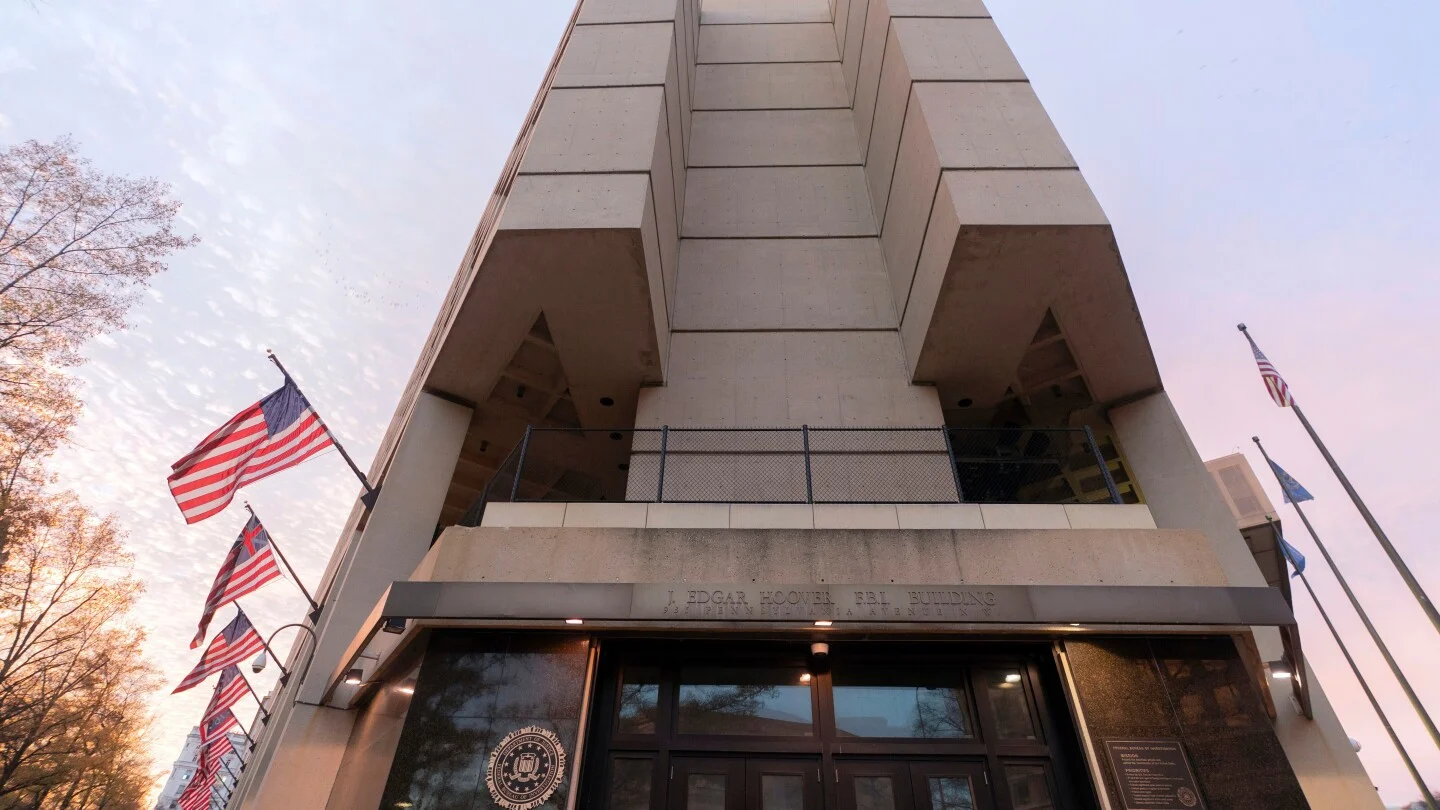
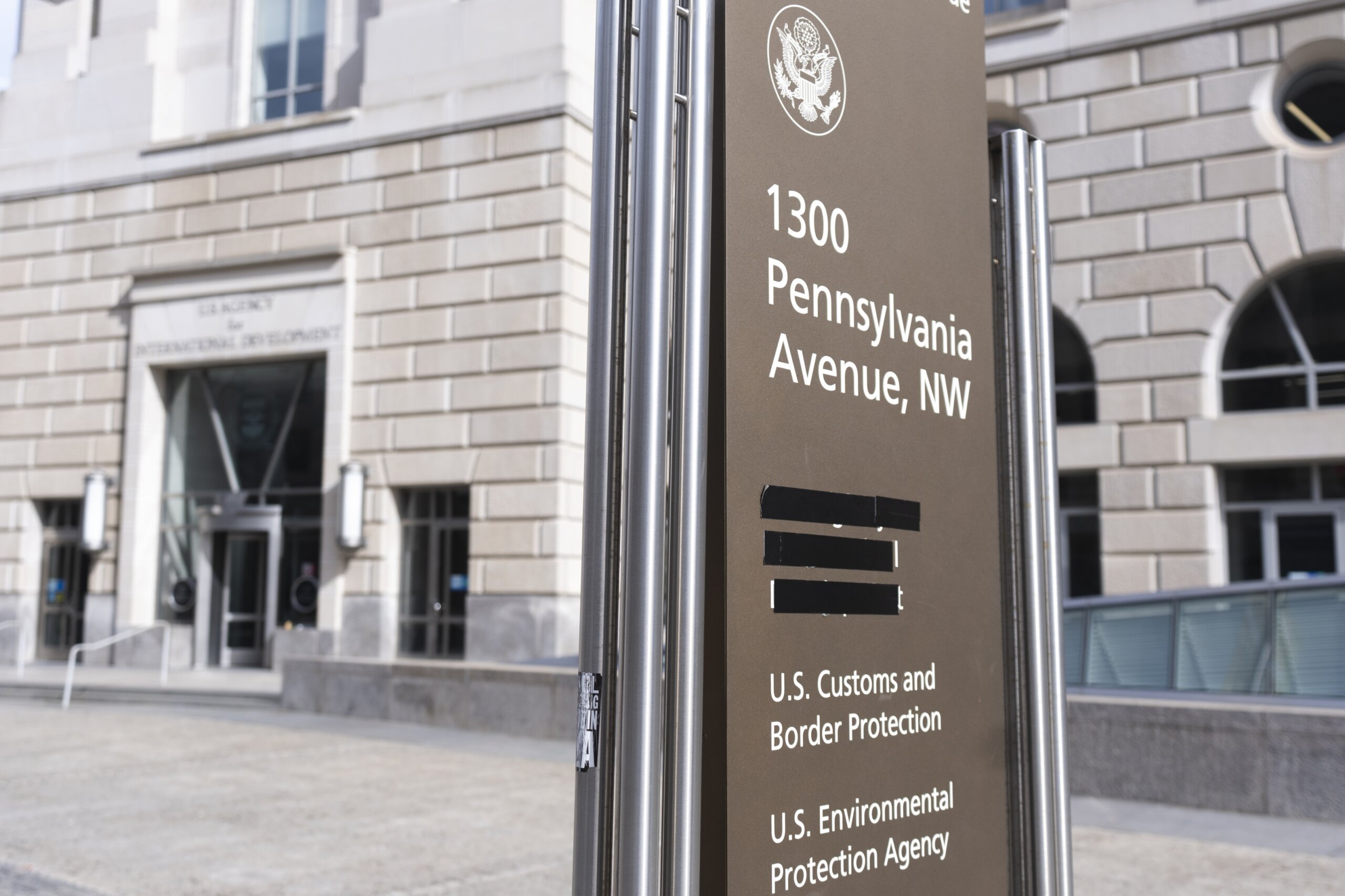
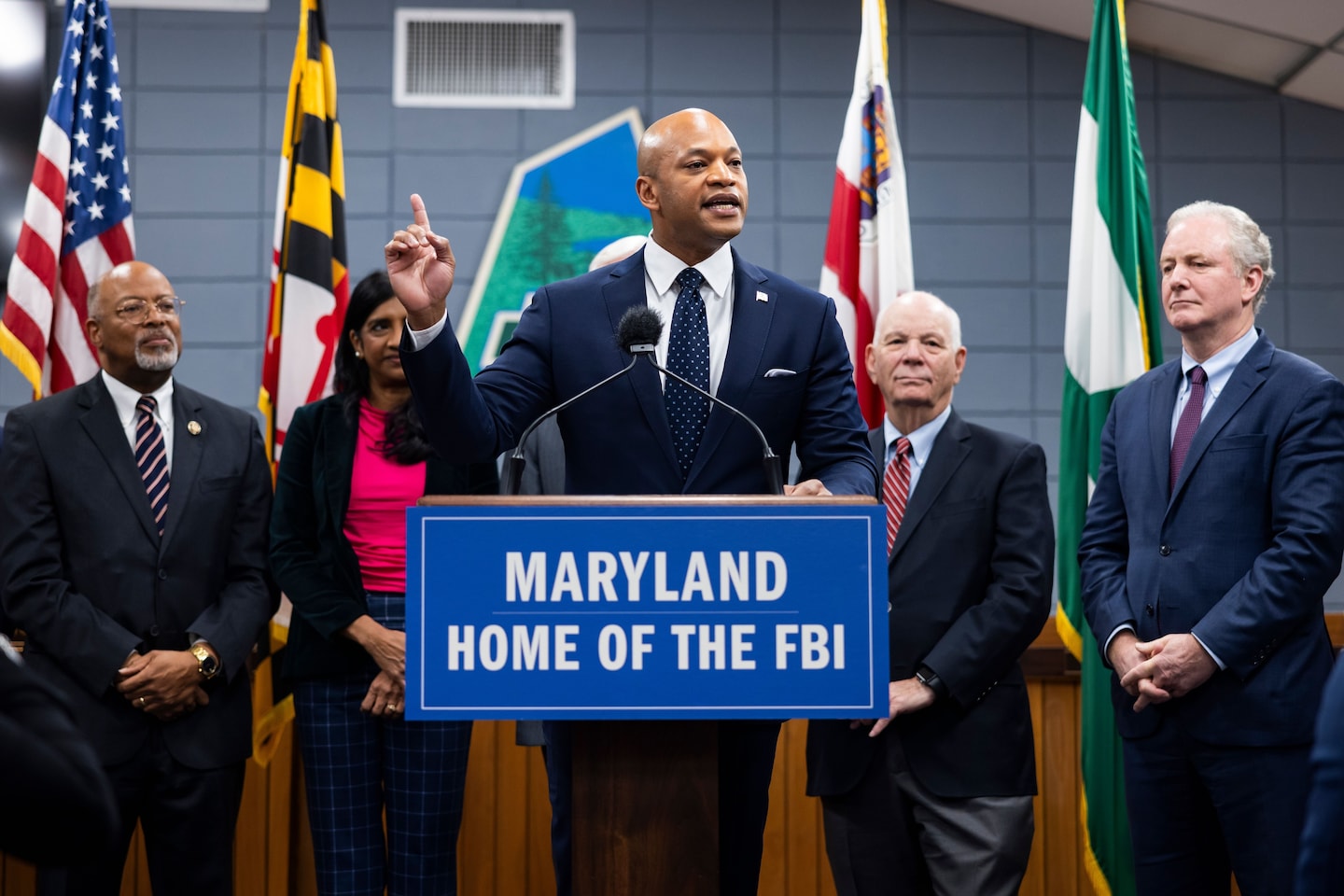
Maryland officials sued the Trump administration over its decision to move the FBI headquarters from Greenbelt, Maryland, to the Ronald Reagan Building in Washington, citing violations of federal law, improper diversion of funds, and the abandonment of years of planning, with the lawsuit seeking to halt the move and ensure compliance with congressional directives.
President Donald Trump criticizes Senator Susan Collins for her voting record, while Senate debates over FBI headquarters security and government funding bills continue amidst partisan disputes. Trump is also involved in other political battles, including primary challenges and nominations, as Democrats strategize on resisting or cooperating with Republican efforts. The political landscape remains highly contentious with ongoing negotiations and campaigns.
Senator Van Hollen blocked a Senate funding bill from floor debate over the dispute regarding the FBI's new headquarters, demanding security standards for the relocation, which was opposed by Senate Republicans. The broader funding legislation, which includes multiple government departments, was delayed due to this dispute, highlighting ongoing tensions over federal agency decisions and legislative processes.
Senate Republicans plan to introduce their first government funding bills next week, with discussions on packaging multiple appropriations measures amid intra-party disagreements and concerns over a potential government shutdown. Meanwhile, House Republicans face a tight schedule to pass various bills, including crypto legislation and rescissions, amidst internal disputes and looming deadlines. The political landscape is marked by negotiations, partisan tensions, and strategic moves to manage government funding and legislative priorities.
Senate Republicans approved a key funding bill for agencies including the FBI, avoiding a direct rebuke of Trump over the FBI headquarters location, and sidestepped a Democratic amendment. The bill funds Justice, Commerce, NOAA, NSF, and NASA, amidst ongoing political negotiations and intra-party disagreements. Meanwhile, House Republicans are close to passing legislation related to Jeffrey Epstein, cryptocurrency regulations, and government funding, amid internal conflicts and time constraints. The broader context involves ongoing debates over appropriations, transparency, and political influence.
Senate appropriators are set to approve a government funding bill for the FBI after resolving a dispute over the agency's headquarters relocation, with discussions also ongoing in Congress about cryptocurrency legislation, potential Senate candidate replacements, and other political issues.
Sen. Eric Schmitt supports Attorney General Pam Bondi amid Epstein controversy, while House Republicans face legislative hurdles over cryptocurrency bills, FBI headquarters location, and Epstein files transparency, with ongoing negotiations and political tensions across Congress.
Senate Majority Leader John Thune is working with senators to pass a rescissions package that involves cutting $9.4 billion in spending, amid disagreements over details and amendments, with a final vote expected soon. Meanwhile, debates continue over FBI headquarters relocation and other funding issues, highlighting ongoing partisan tensions in Congress.
Sen. Chris Van Hollen is determined to block the diversion of FBI relocation funds to Trump’s preferred site in Washington, D.C., despite FBI assurances, as part of a broader political battle over the agency's headquarters and federal funding. The issue has caused delays in passing a government funding bill, with bipartisan concerns about security and jurisdictional commitments.
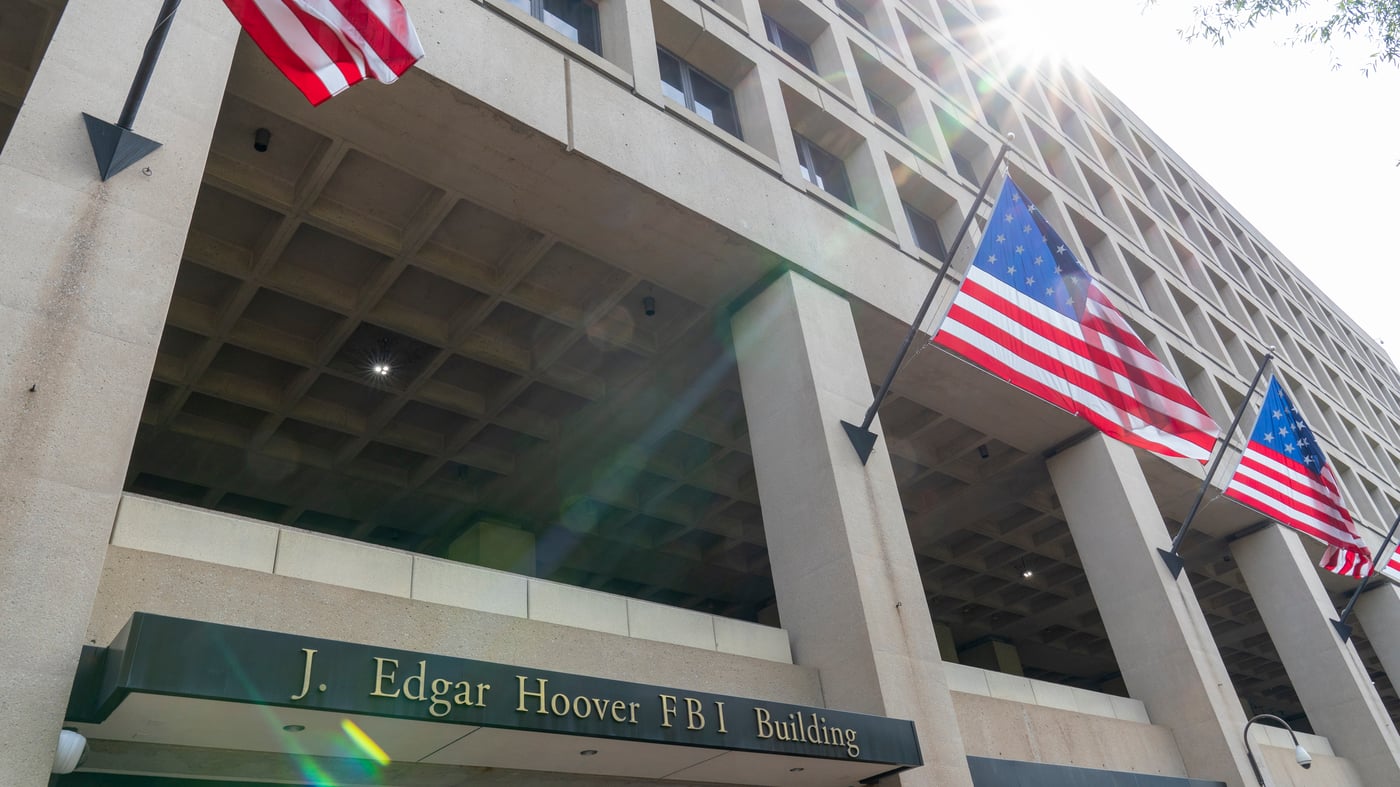
The FBI has chosen the Ronald Reagan Building in Greenbelt, Maryland, as its new headquarters, moving from the aging J. Edgar Hoover Building in D.C. This decision, supported by the GSA for cost savings and better facilities, follows years of debate and congressional funding, despite some political opposition from the Trump administration.
The inspector general for the General Services Administration (GSA) is investigating the decision to build a new FBI headquarters in Maryland instead of Virginia. The selection process has been marred by allegations of conflict of interest and political influence. Virginia lawmakers have called for a pause in the relocation until the review is complete, while Maryland lawmakers maintain that their state was chosen based on the best site. The GSA defends its decision, citing lower costs and easy access to transit. The review will evaluate the agency's process and procedures for selecting the site.
The inspector general for the General Services Administration is investigating the Biden administration's decision to choose a site in Greenbelt, Maryland, for the new FBI headquarters instead of a site in Virginia. Virginia lawmakers have raised concerns of political influence in the selection process and have called for a pause in the relocation until the investigation is complete. Maryland lawmakers maintain that their state was chosen based on a thorough and transparent process. The GSA stands behind its decision, citing lower costs and easy access to transit as reasons for choosing the Maryland site.
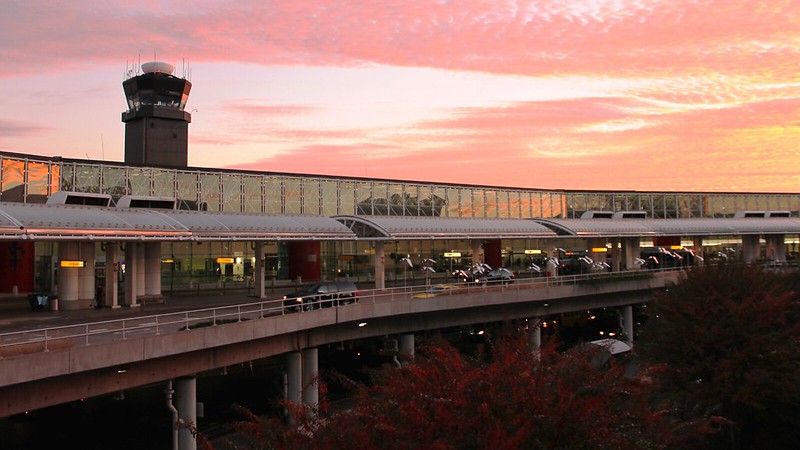
With the FBI headquarters moving to Maryland, there is an opportunity to expedite a Green Line extension to BWI Marshall Airport. The completion of the Silver Line provides a direct Metro link to Dulles Airport, making an airport link for BWI more viable. A Green Line extension would not only offer quick access to Maryland's largest airport but also lay the foundation for a possible branch into Columbia. While there are alternatives, bringing existing plans closer to fruition quickly is a significant argument for a Green Line extension.
Maryland Democrats criticize FBI Director Christopher Wray for suggesting, without evidence, that Maryland unfairly won the bid for the new FBI headquarters. They dismiss Virginia's concerns over the Greenbelt site and vow to block any efforts to reverse the Biden administration's decision. Virginia Democrats blame Governor Glenn Youngkin's lack of engagement for losing the bid, while Maryland officials celebrate the win and emphasize the economic benefits it will bring to the state. The fate of the project will be determined by Congress and funding appropriations.