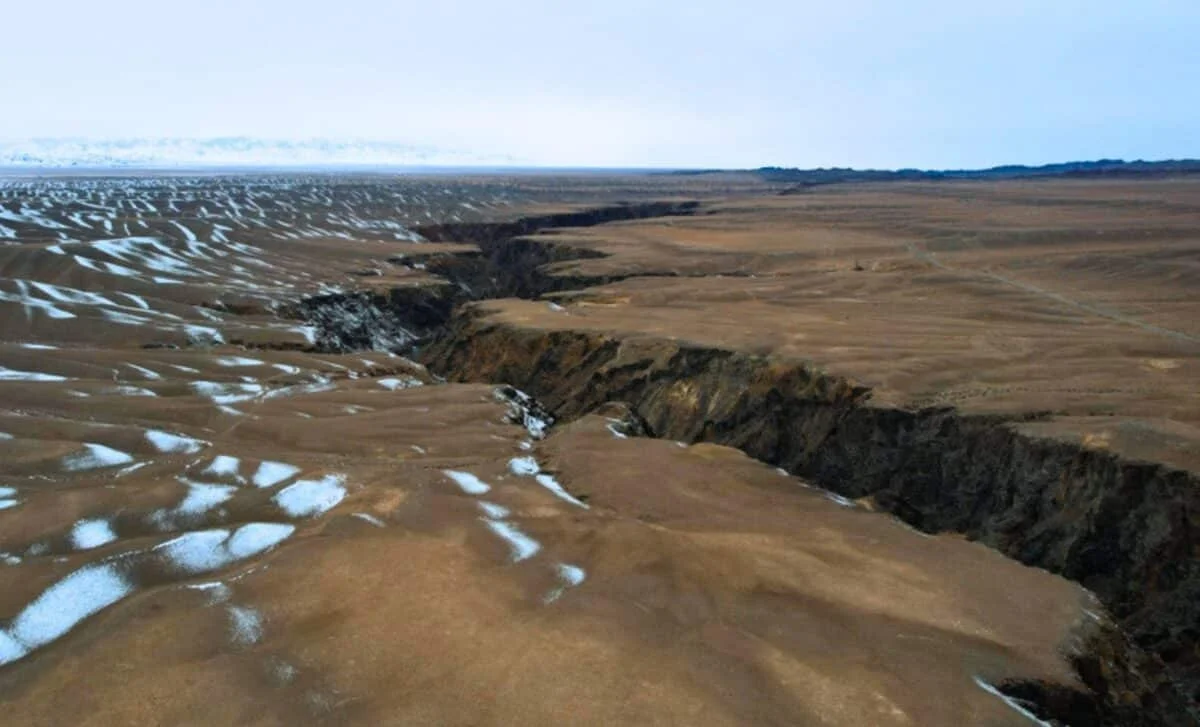
A recent study in Turkey reveals that the Tuz Gölü Fault, previously thought to be a strike-slip fault, is actually extending vertically with minimal lateral movement, challenging decades of geophysical models and highlighting the importance of long-term geological data in understanding regional tectonics.
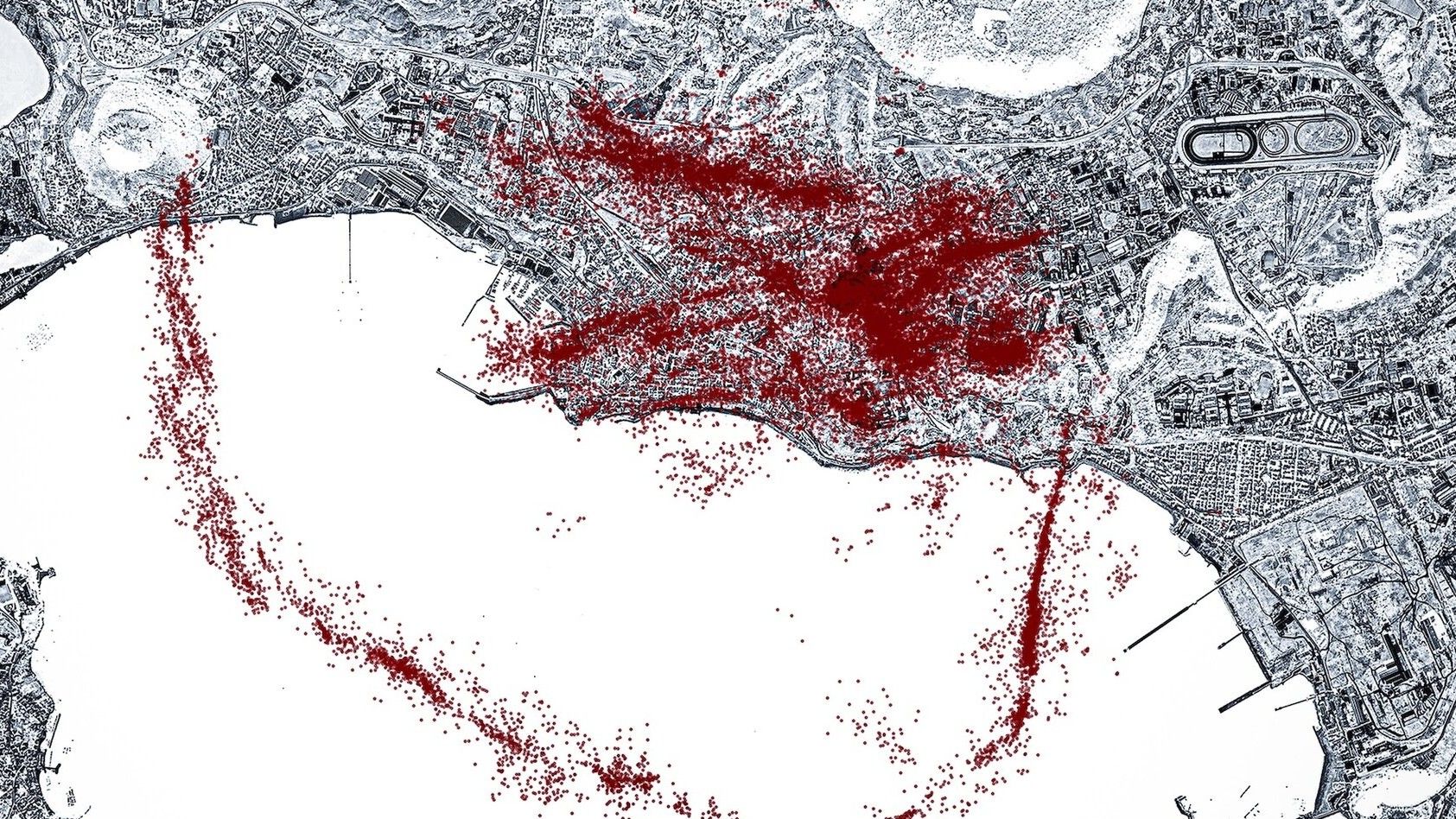
An AI model has uncovered a hidden 'ring fault' at Italy's Campi Flegrei volcano, revealing thousands of previously undetected earthquakes and new geological structures that could pose a significant seismic threat, including the potential for magnitude 5 earthquakes, although it does not predict eruptions.
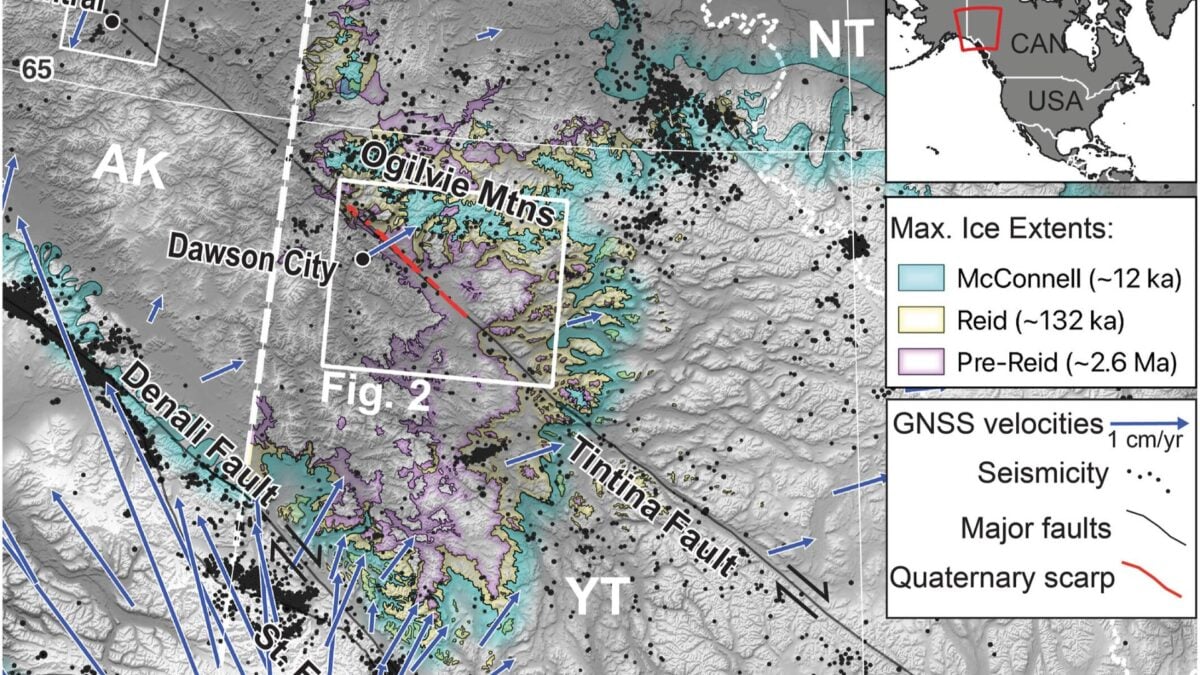
A new study suggests that the Tintina fault in Canada's Yukon, previously considered dormant, is active and accumulating strain, indicating a potential for a major earthquake of at least magnitude 7.5 in the future, though the exact timing remains uncertain.
A new study suggests the Tintina fault in Yukon, Canada, which was previously considered inactive for 40 million years, has produced recent large earthquakes and could potentially generate a major quake exceeding magnitude 7.5, prompting a reassessment of seismic risks in northwestern Canada.
Research suggests the Tintina fault in Yukon, Canada, which has been quiet for over 12,000 years, may be capable of producing a magnitude 7.5 earthquake due to accumulated tectonic strain, prompting a reassessment of regional seismic risks.
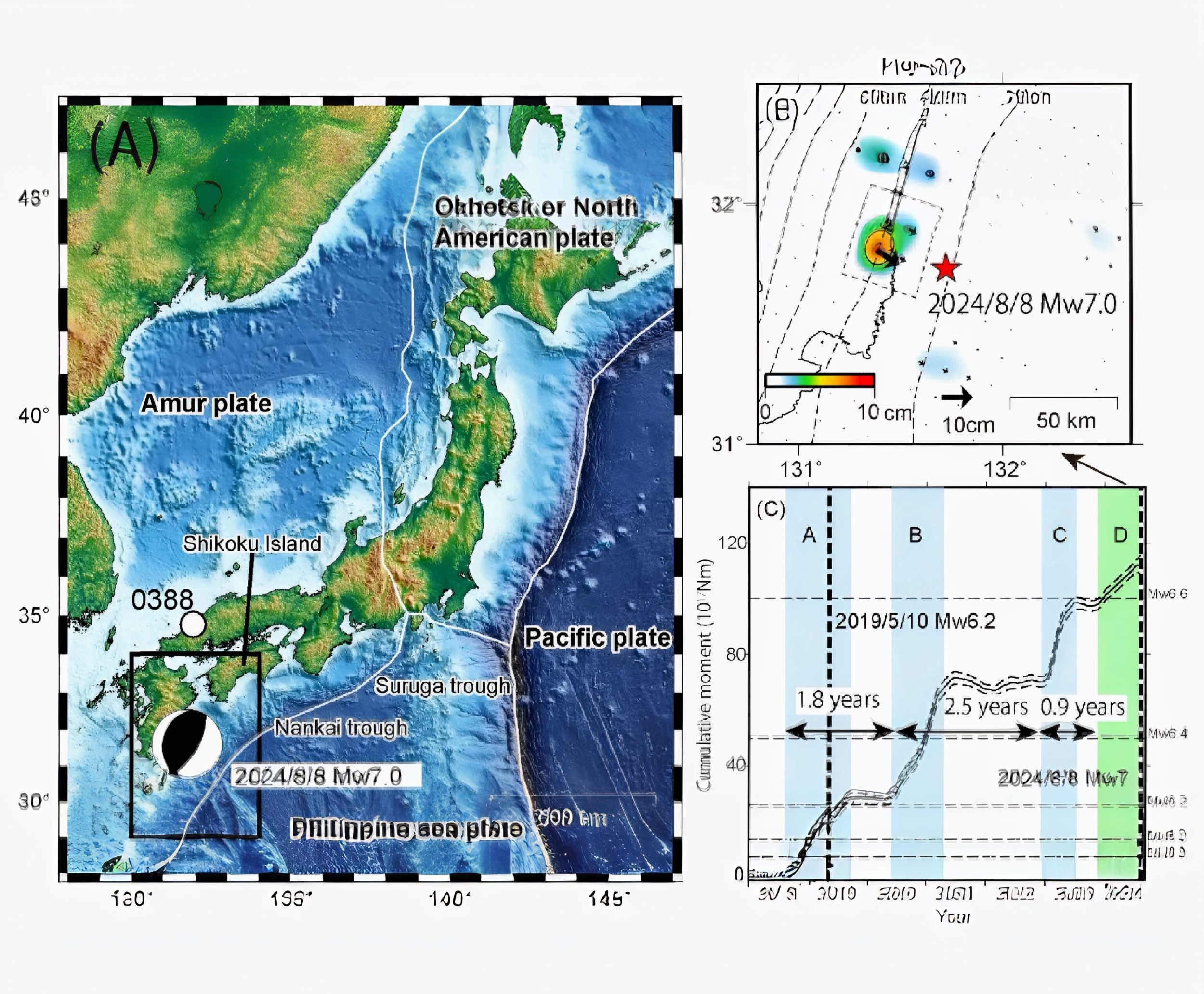
Scientists have detected rare slow-motion earthquakes along Japan's Nankai Trough using seabed borehole observatories, revealing that fluid pressure and slow slip events may influence tsunami risk and earthquake behavior, with implications for monitoring other fault zones like Cascadia.
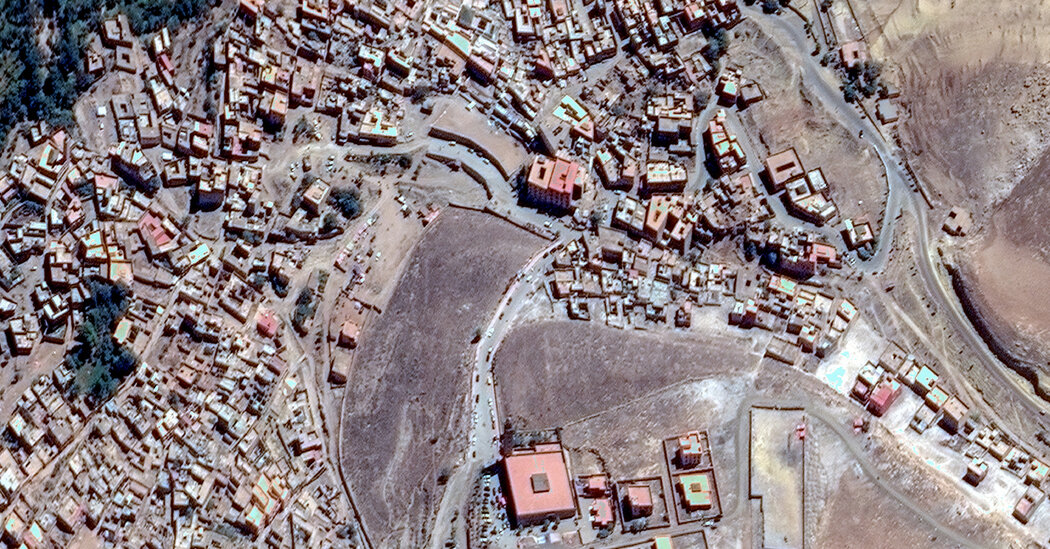
Satellite data collected from 430 miles above Earth is providing scientists with crucial information about the recent earthquake in Morocco. The data, obtained through a technique called InSAR, reveals that the earthquake involved both horizontal and upward movement of the land. Analysis suggests that an ancient fault called the Tizi n’Test fault may have been responsible for the quake, despite being inactive in recent history. These "blind earthquakes" are challenging to study as they do not crack through to the surface. The findings contribute to a better understanding of the event and could help assess future risks.