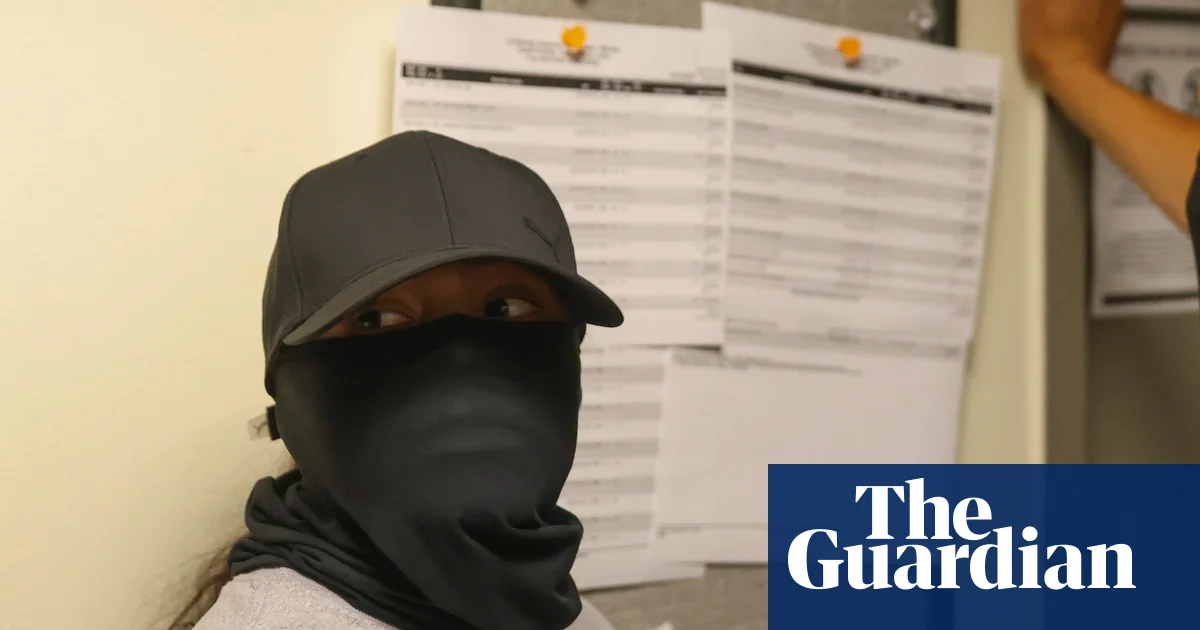
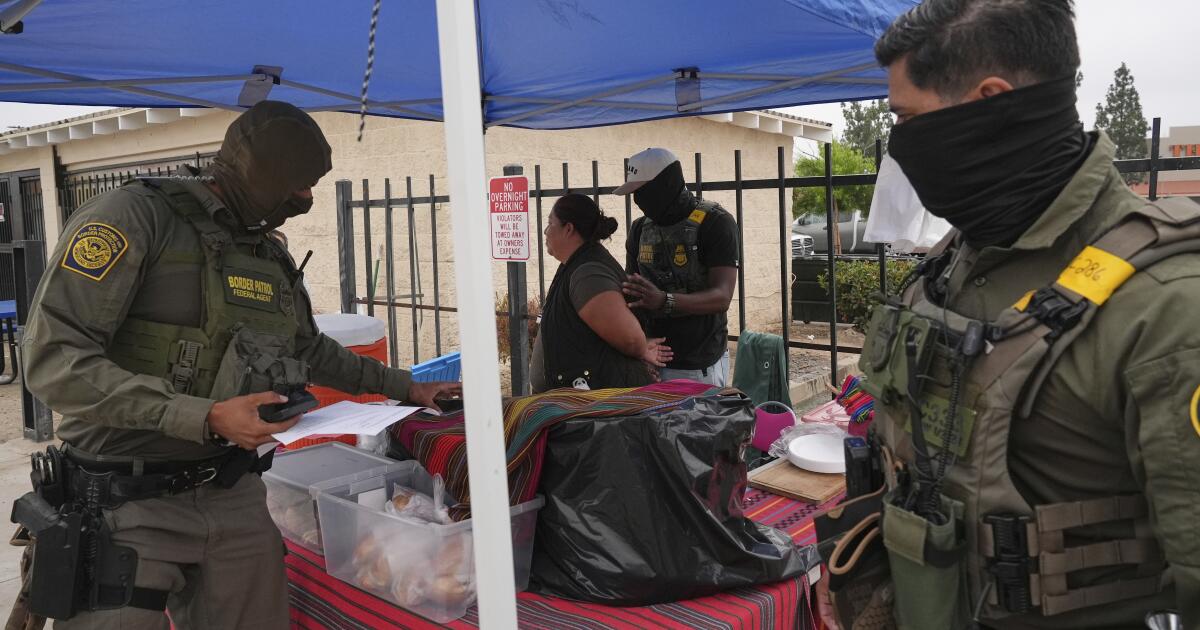
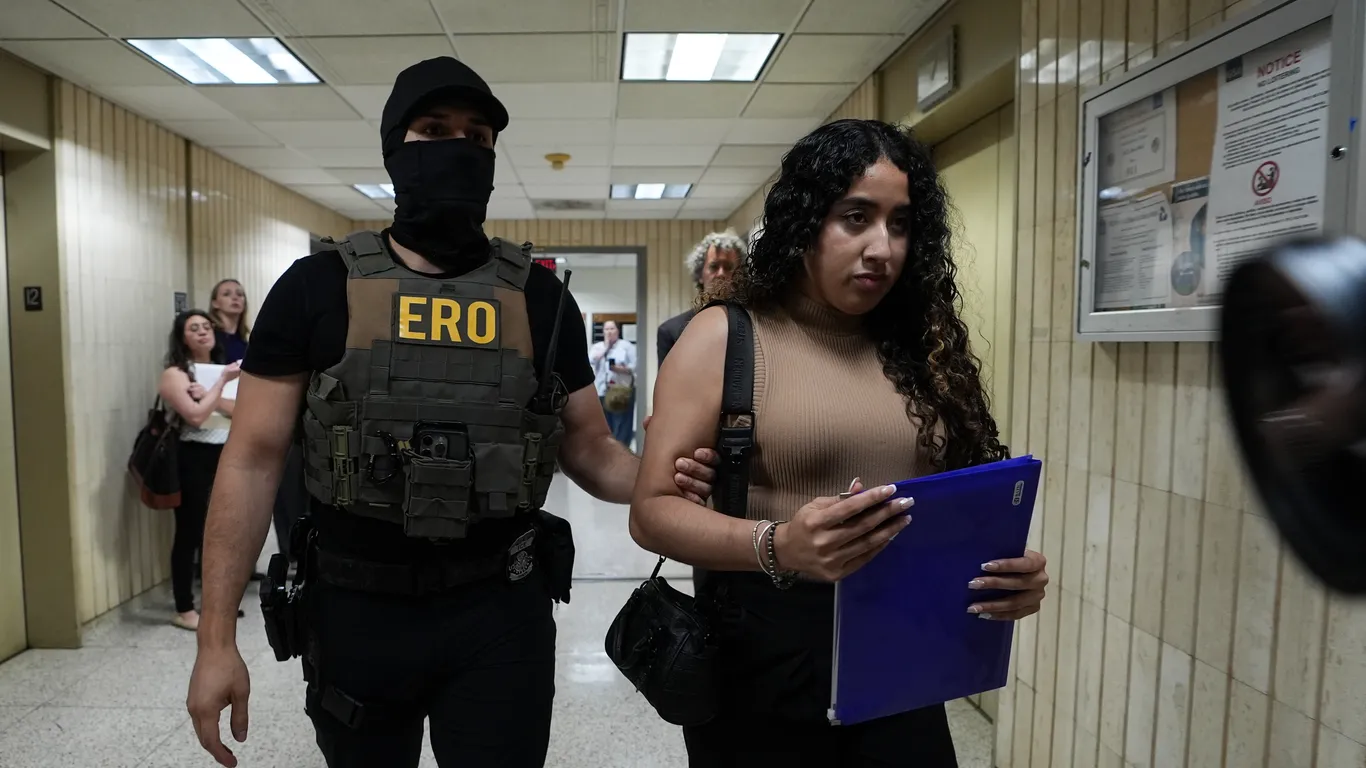
California has become the first state to ban most law enforcement officers, including federal immigration agents, from covering their faces during official duties, in response to recent immigration raids and protests, aiming to curb federal overreach and increase public trust, though enforcement challenges remain.
California lawmakers passed a bill banning law enforcement officers from wearing face coverings during operations to increase transparency and public trust, with exemptions for safety and operational needs; the bill now awaits Gov. Newsom's approval.
California lawmakers passed bills banning law enforcement officers from covering their faces and requiring them to identify themselves, aiming to increase transparency and trust, especially in response to federal immigration raids. The legislation includes exceptions for undercover and medical purposes and faces potential legal challenges regarding federal versus state authority.
A proposed bill by Senators Padilla and Booker aims to increase transparency of ICE agents by requiring them to wear visible IDs and banning most face coverings, responding to concerns over masked agents detaining individuals and operating with little accountability.
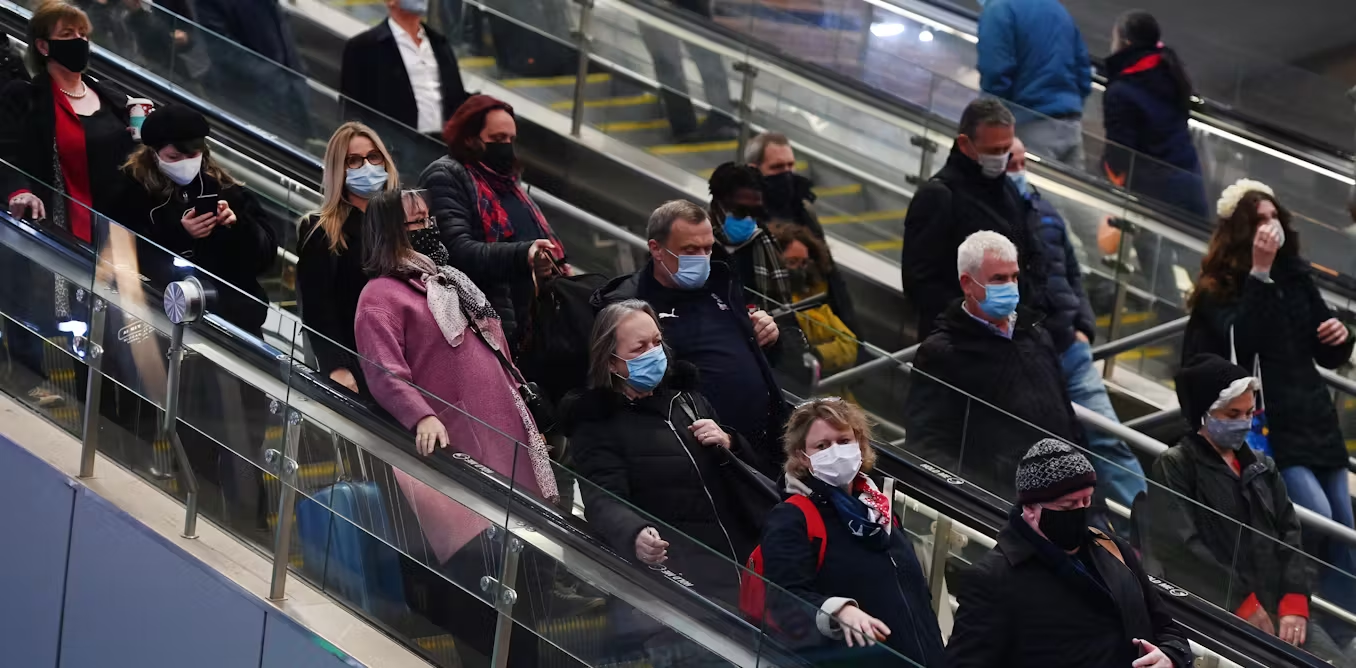
The emergence of the BA.2.86 variant, with its high number of spike protein mutations, has raised concerns about the effectiveness of vaccines and the need for reintroducing measures to control viral spread. However, there is currently insufficient data to determine the impact of this variant. The effectiveness of face coverings, or masks, in preventing COVID-19 transmission remains a contentious issue due to limited comprehensive studies. Implementing mask mandates alone may not be effective without other measures, and public compliance could be challenging. The chances of significant multi-layered infection controls being reintroduced are currently low. BA.2.86 has spread globally but has not caused many hospitalizations, suggesting that existing immunity from vaccines and previous infections is still protective.