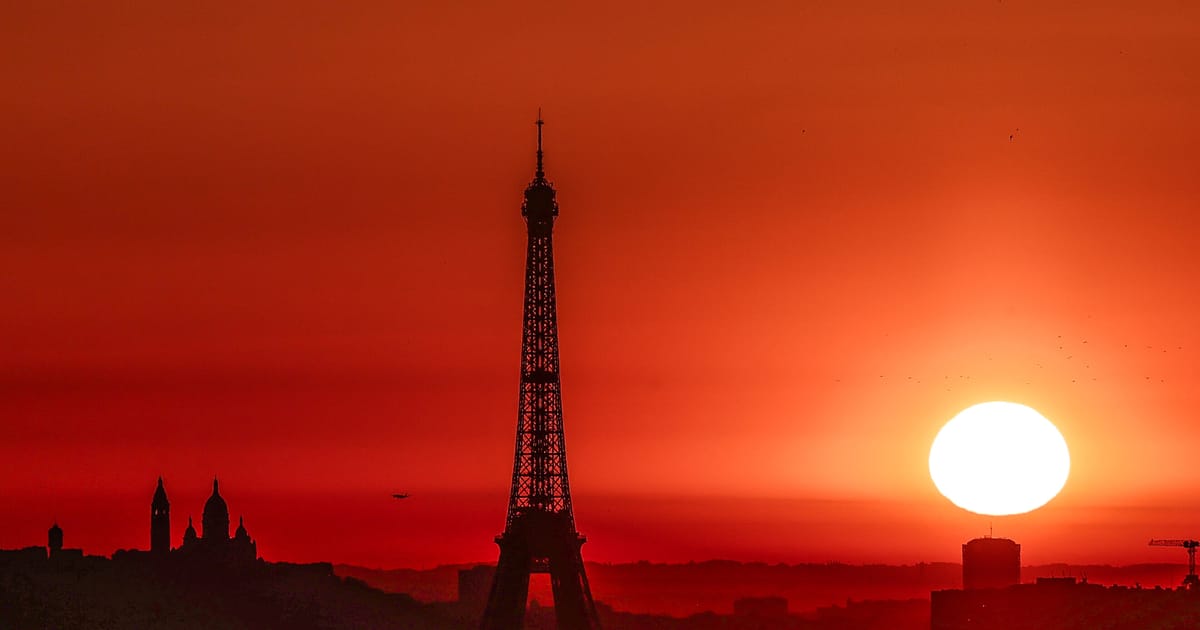
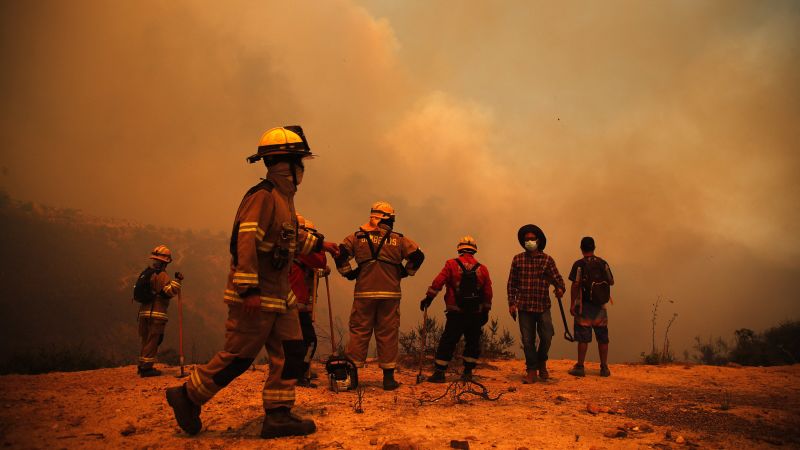
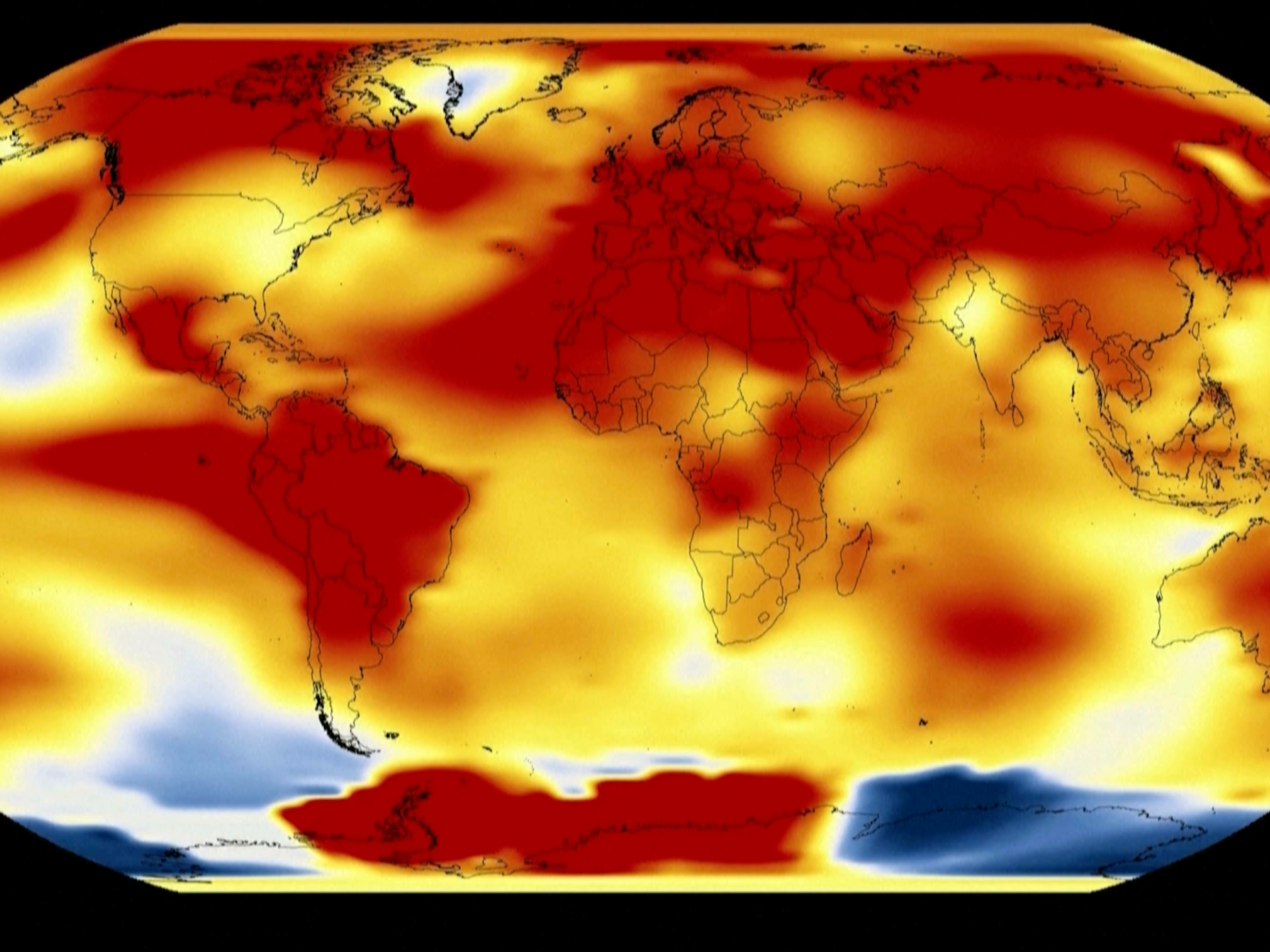
Europe is experiencing a severe heatwave with record temperatures, wildfires, and disruptions across countries like Spain, France, Germany, and Bulgaria, highlighting the urgent impact of climate change.
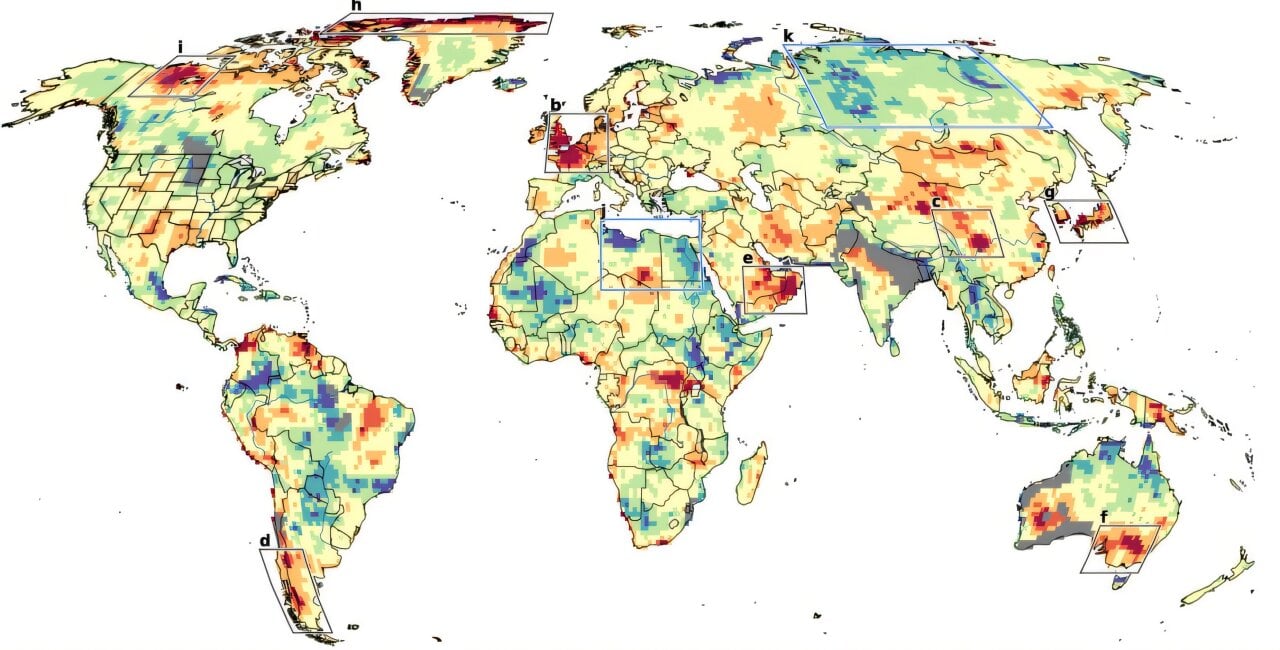
A new study highlights the emergence of extreme heat-wave 'hotspots' worldwide, which exceed climate model predictions. These regions, identified on every continent except Antarctica, have experienced unprecedented heat waves, causing significant fatalities and environmental damage. The study suggests that destabilization of the jet stream, particularly in the northern hemisphere, may contribute to these anomalies, but the exact causes remain unclear. The phenomenon raises concerns about the adequacy of current climate models in predicting regional climate risks.
A report by Oxera for the International Chamber of Commerce reveals that climate-related extreme weather events have cost the global economy over $2 trillion from 2014 to 2023, with the U.S. suffering the most significant economic losses at $934.7 billion. The report, released ahead of the COP29 summit, highlights the urgent need for decisive climate action, as damages in the last two years alone reached $451 billion. Developing economies are particularly vulnerable, with single events potentially exceeding their annual GDP.
A report reveals that extreme weather events have cost the world $2 trillion over the past decade, with $451 billion in damages occurring in the last two years alone. The findings highlight the immediate economic impact of climate change, as world leaders at the Cop29 climate summit debate financial responsibilities for climate adaptation and mitigation. The US, China, and India experienced the highest economic losses, while small islands faced significant per capita impacts. The report emphasizes the need for urgent financial support to help vulnerable countries adapt to climate challenges.
Global warming has surpassed 1.5 degrees Celsius over the past year for the first time on record, breaching a critical threshold set by the Paris Agreement. The past year was 1.52 degrees hotter on average than pre-industrial temperatures, with the hottest January on record at 1.66 degrees warmer. Scientists warn that rapid reductions in greenhouse gas emissions are the only way to stop global temperatures from increasing, as extreme weather events are becoming more frequent and severe due to long-term global warming and the influence of El Niño.
Global warming has surpassed 1.5 degrees Celsius over the past year for the first time on record, breaching a critical threshold set by the Paris Agreement. The past year was 1.52 degrees hotter on average than temperatures before industrialization, with the last eight months being the hottest on record. Scientists warn that rapid reductions in greenhouse gas emissions are the only way to stop global temperatures from increasing, as extreme weather events are becoming more frequent and severe due to long-term global warming and the influence of El Niño.
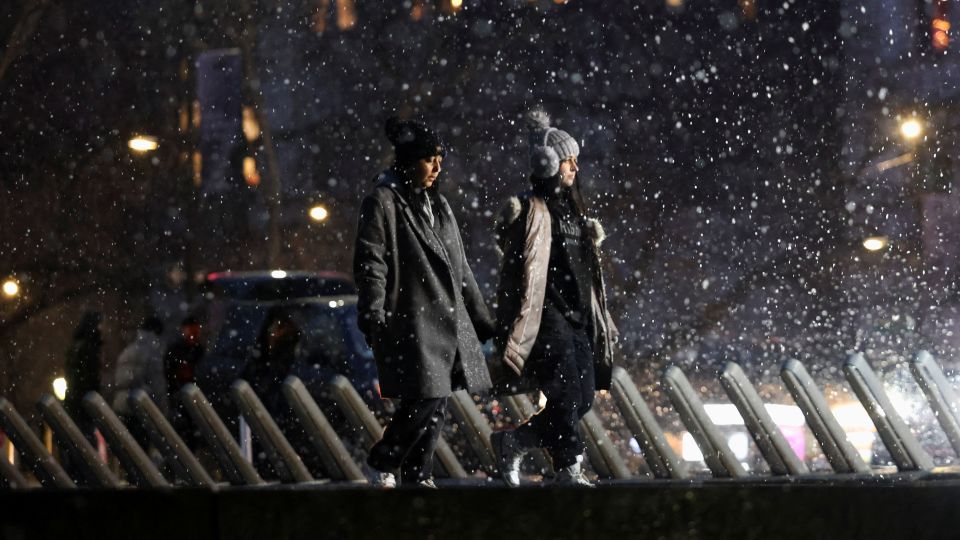
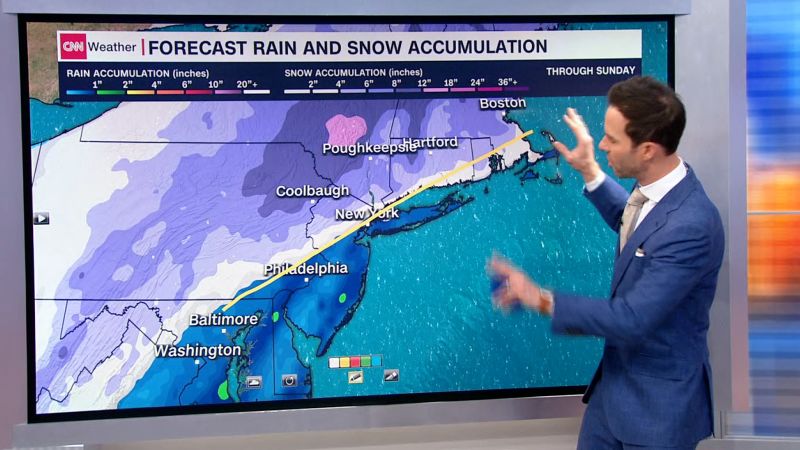
The U.S. is facing a week of extreme weather with back-to-back winter storms impacting the mid-Atlantic and Northeast regions. The first storm has already brought up to a foot of snow, causing travel disruptions and dangerous driving conditions due to ice accumulation. A second, more potent storm is expected to follow, bringing a mix of snow, ice, strong winds, tornadoes, and flooding rainfall across the eastern half of the country. Major cities like Philadelphia, Baltimore, New York, and Washington, DC, may see less impact, while New England could experience significant snowfall. Officials are urging caution and preparedness as the storms pose risks of severe weather, flooding, and power outages.
The United States is bracing for a punishing week of extreme weather, with back-to-back winter storms impacting the mid-Atlantic and Northeast regions. The first storm is expected to deliver up to a foot of snow through Sunday, causing potential travel disruptions for millions under winter storm alerts. A second, more potent storm will follow, bringing snow, ice, strong winds, tornadoes, and flooding rainfall across a broader area, including the Central US, Great Lakes, Midwest, and interior Northeast. Officials are urging residents to stay home if possible and are preparing for severe conditions, including potential flooding and power outages.
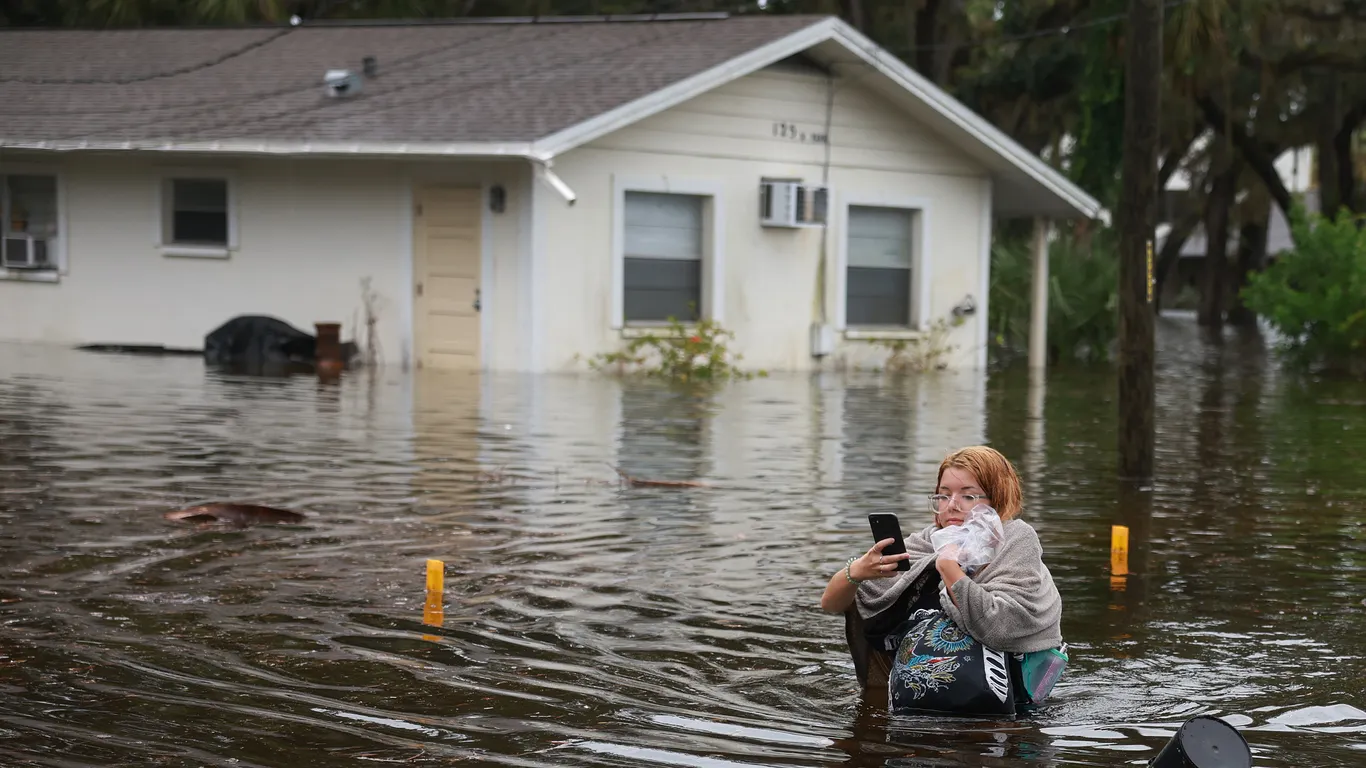
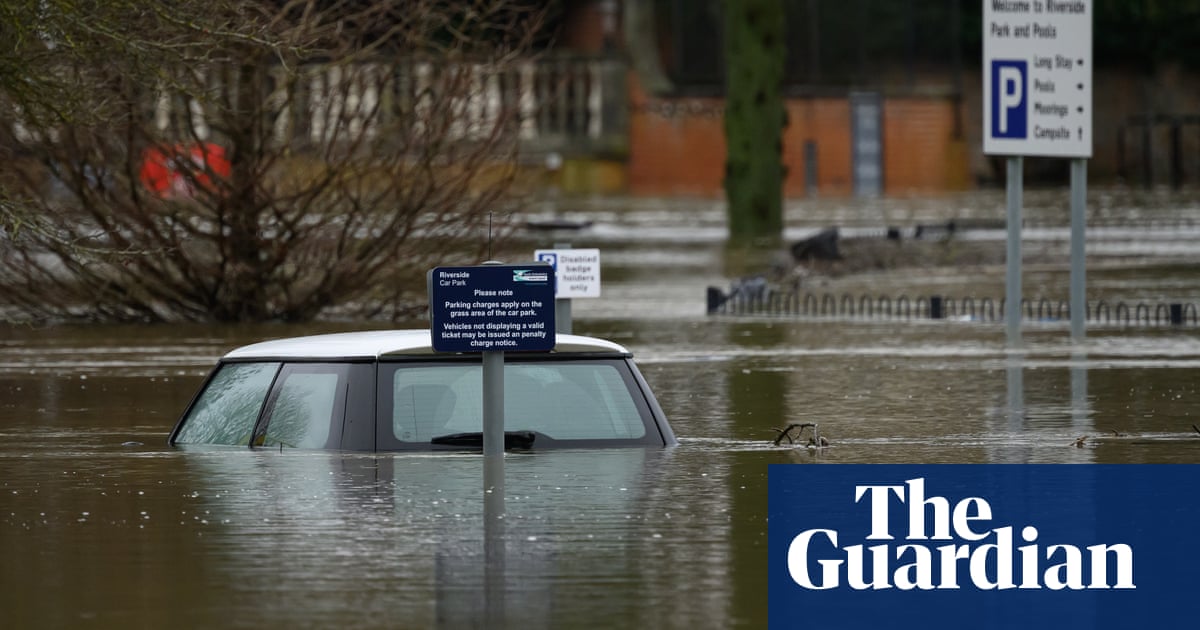
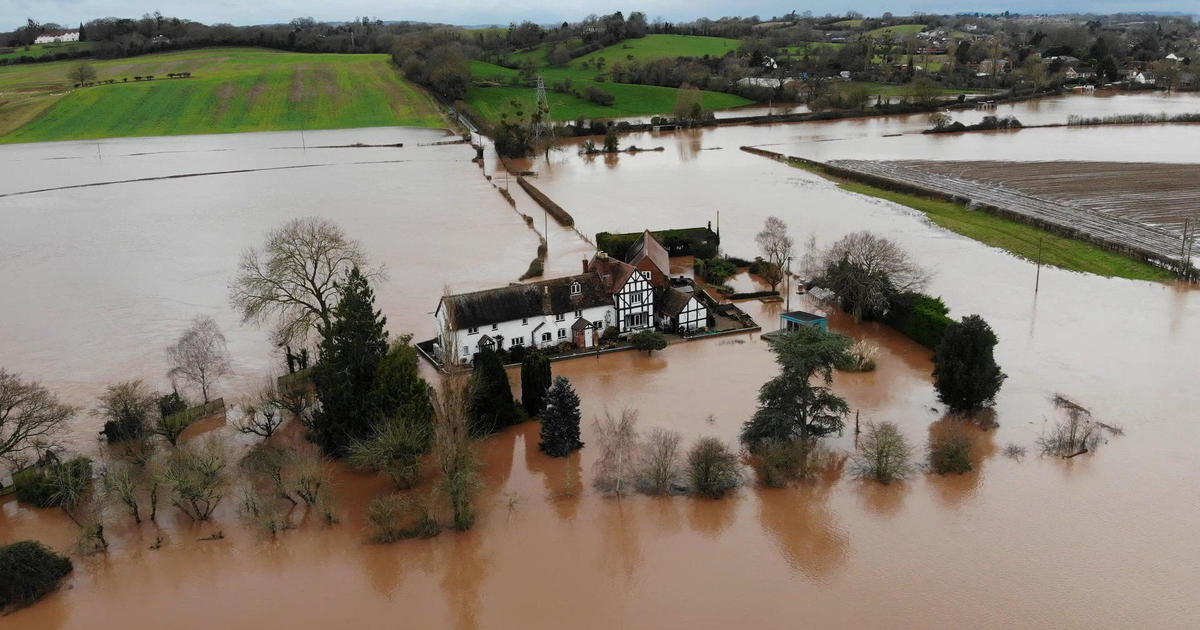
England is experiencing severe flooding as rivers across the country have surged to exceptionally high levels, with some even breaking records. The Environment Agency has issued 244 flood warnings, indicating that further flooding is expected. Dramatic photographs from the past two days highlight the extent of the natural disaster.
Nick Lupton, a resident of Worcester, England, has built a wall around his 17th-century home after experiencing nearly a dozen floods in seven years due to its proximity to the River Severn. The wall has successfully protected his property during recent high floods, which are part of a broader pattern of increased flooding alerts across England. The U.K.'s Met Office attributes the increased risk of heavy rainfall and flooding to climate change, with projections indicating warmer and wetter winters in the future.
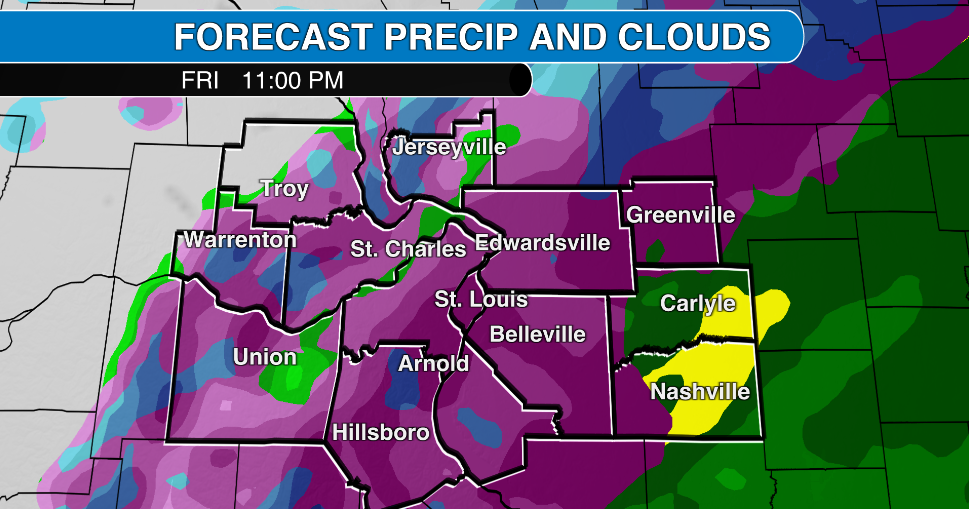
St. Louis is bracing for a mix of rain and snow Friday night, with the forecast calling for isolated showers during the day and widespread precipitation in the evening. The exact amounts of rain versus snow are still being determined, with the possibility of continued rain/snow chances into Saturday. Meanwhile, a series of photographs from around the world in 2023 highlights the severe impacts of climate change, including droughts, floods, and hurricanes, showcasing the urgent need for climate action.
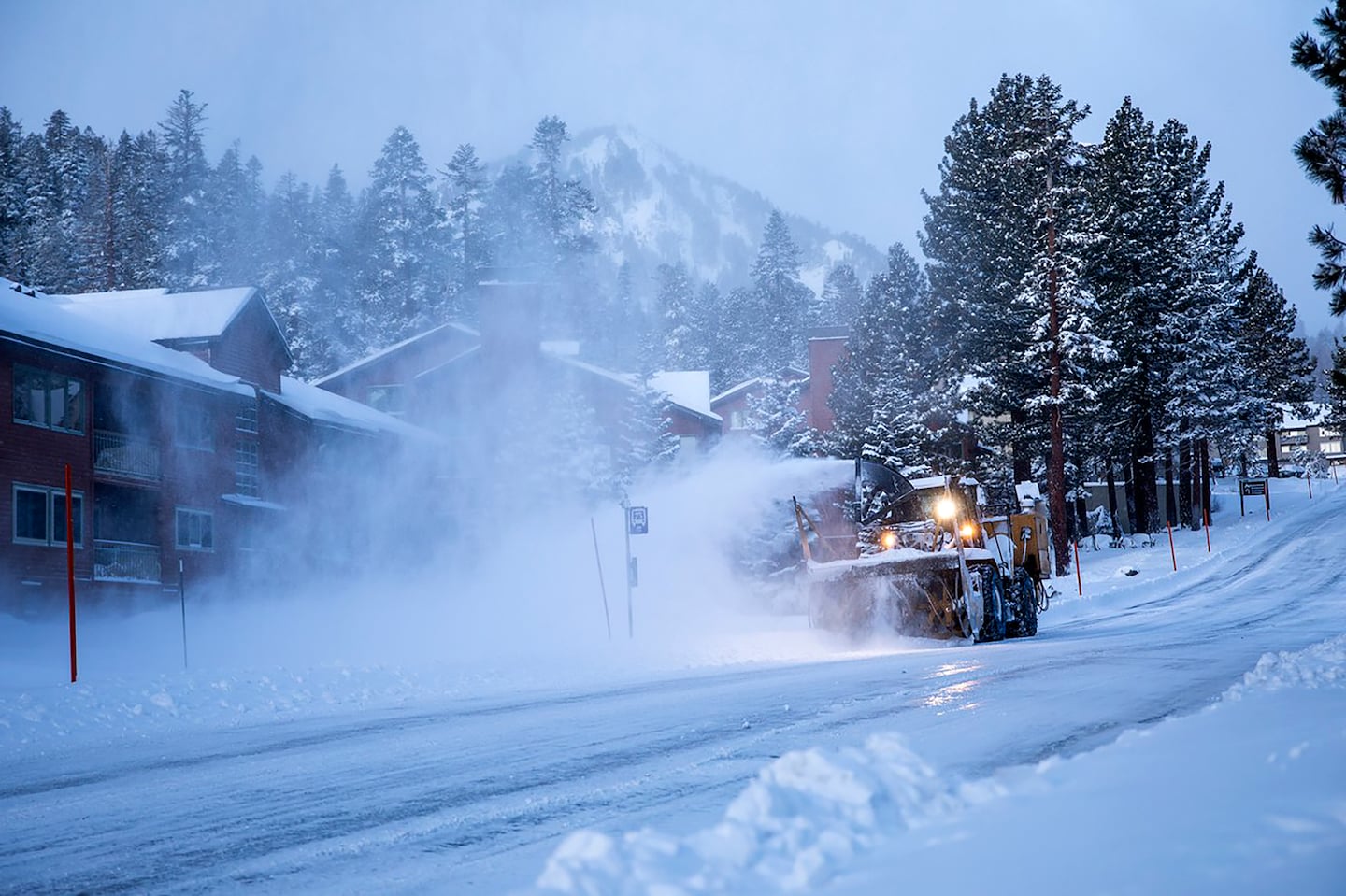
The contiguous United States is set to experience a week of extreme weather, including potential tornadoes, blizzards, and severe storms due to an active weather pattern and a strong El Niño. The West Coast will face monster waves and heavy Sierra snowfall, while the East Coast anticipates snow followed by warm, flooding rains. The Midwest may see a blizzard, and the South could experience severe storms and tornadoes. The week may conclude with a significant cold snap affecting much of North America.
Northwestern Europe is grappling with the aftermath of a severe Atlantic storm that brought heavy rain and snow, leading to flooding and travel disruptions. In France, residents were evacuated due to rising river levels, while Norway faced heavy snowfall, prompting school closures and public transport cancellations. The storm also caused power outages and infrastructure damage in England and Wales. Amidst the chaos, a woman in Belgium lost her life due to storm-related incidents, and in Scandinavia, extreme cold temperatures were recorded, with a woman found dead in an avalanche in Finland.
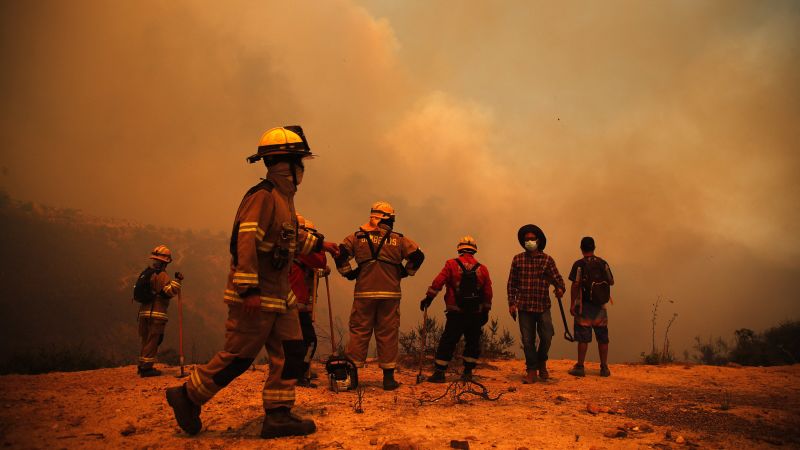
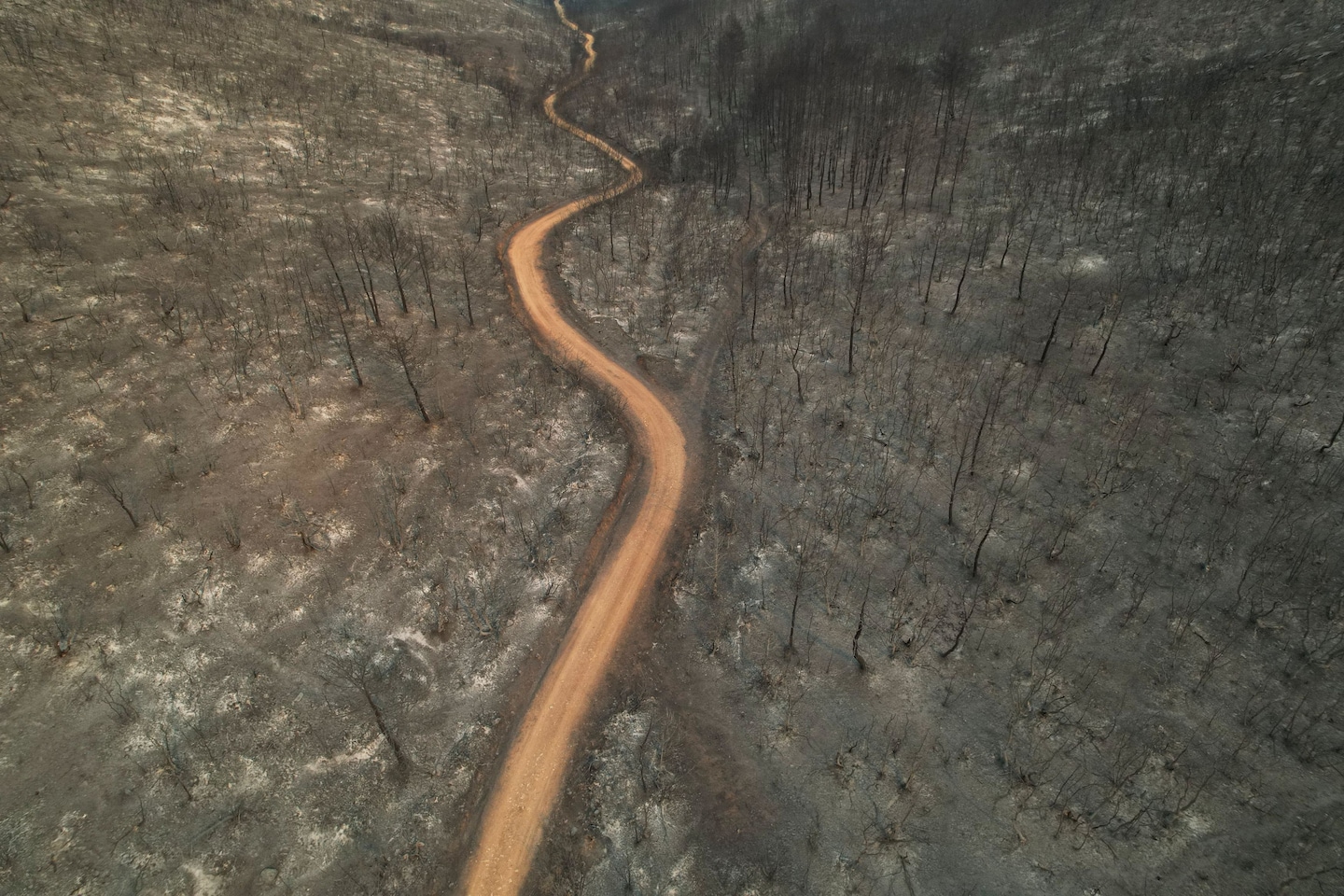
The year 2023 marked a significant shift in the global climate, with record-breaking temperatures and extreme weather events signaling the dawn of a "global boiling" era. Wildfires, heatwaves, and other natural disasters have left indelible marks on communities worldwide, from Greece's devastating fires to Brazil's drought-stricken Amazon and beyond. Scientists warn that this year's unprecedented heat, partly attributed to El Niño and human-induced climate change, may be a sign of an accelerating trend towards more extreme conditions, underscoring the urgency of addressing climate change and the goals set by the Paris agreement.
The year 2023 has set new climate records, becoming the hottest year on record with six months and two seasons breaking previous temperature highs. The average temperature for the first 11 months was 1.46°C above the pre-industrial average, surpassing 2016, the previous warmest year. The emergence of El Nino has exacerbated weather extremes, contributing to the catastrophic conditions experienced globally. Scientists warn that without significant reductions in greenhouse gas emissions, such extreme weather events will continue to intensify, emphasizing the urgency of reaching net zero emissions to manage climate risks.