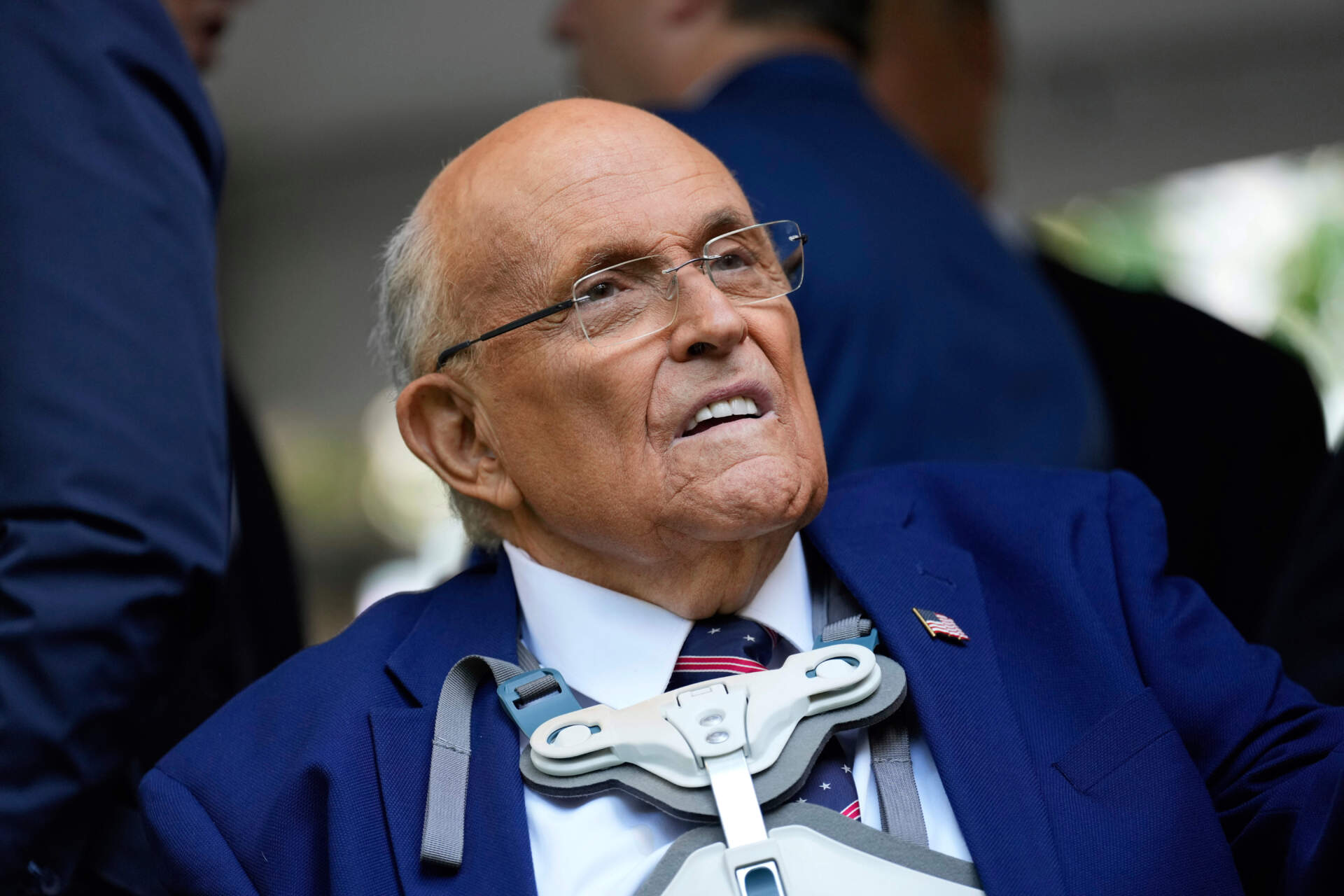
A former pardon attorney criticizes Trump's recent pardons, arguing they set an alarming precedent by potentially testing the limits of the presidential pardon power to include state crimes, which could be unprecedented and politically motivated, especially as they seem to serve as a message to the MAGA base that crimes committed in Trump's name might go unpunished.
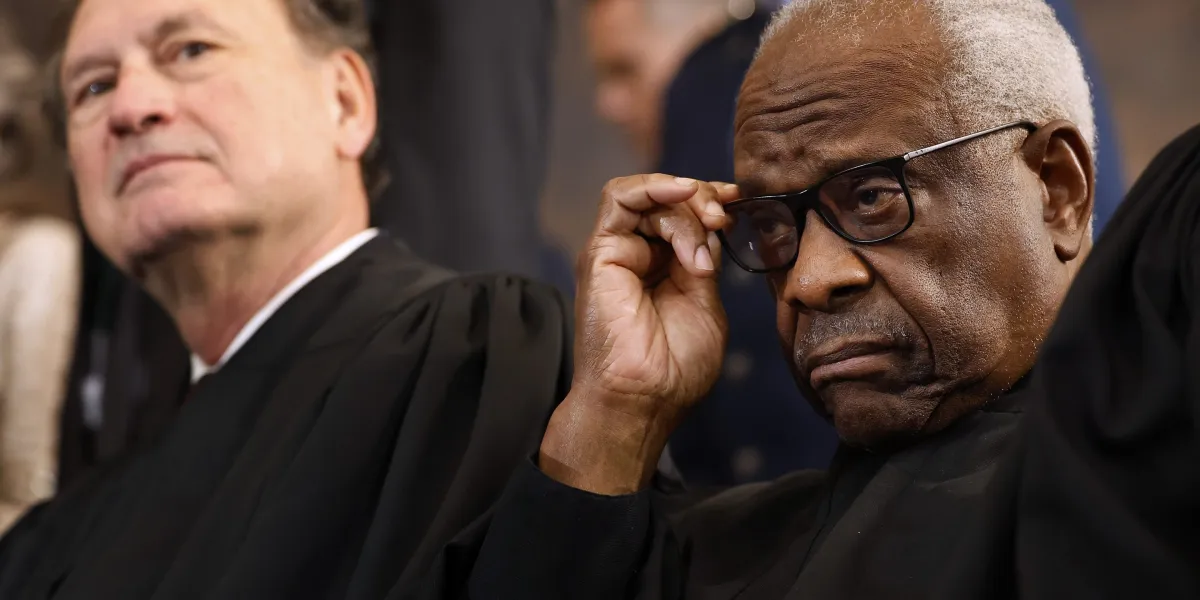
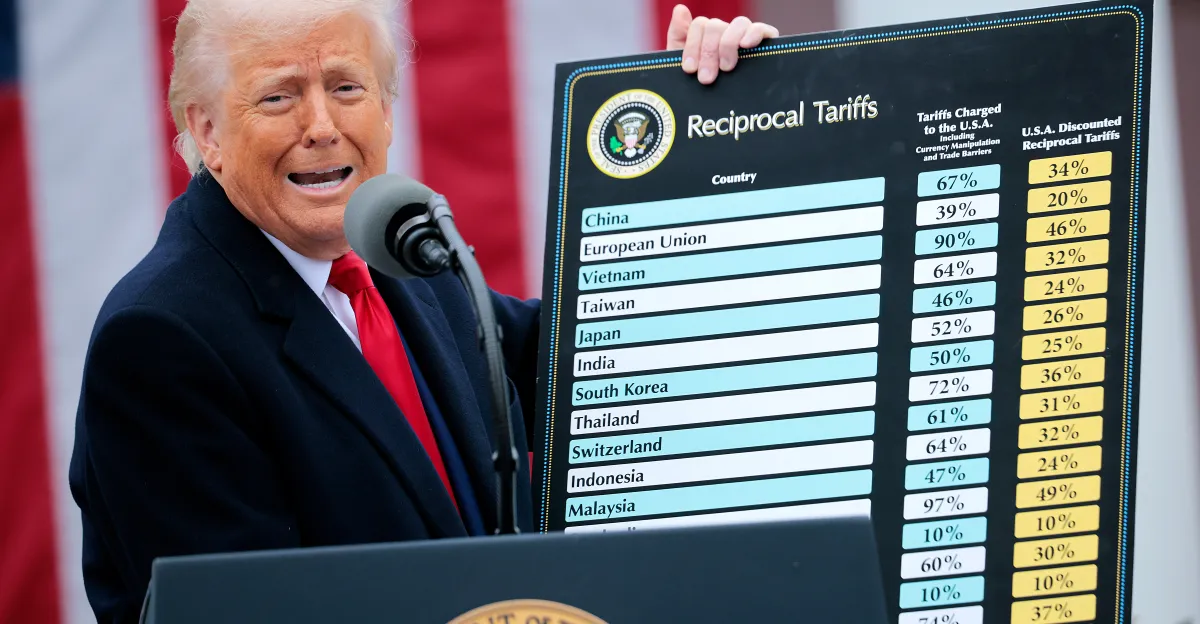
An analyst suggests that the most conservative Supreme Court justices are likely to join liberals in striking down President Trump's global tariffs, potentially leading to a 7-2 vote against him, though other legal avenues may allow tariffs to persist, indicating ongoing trade tensions regardless of the court's decision.
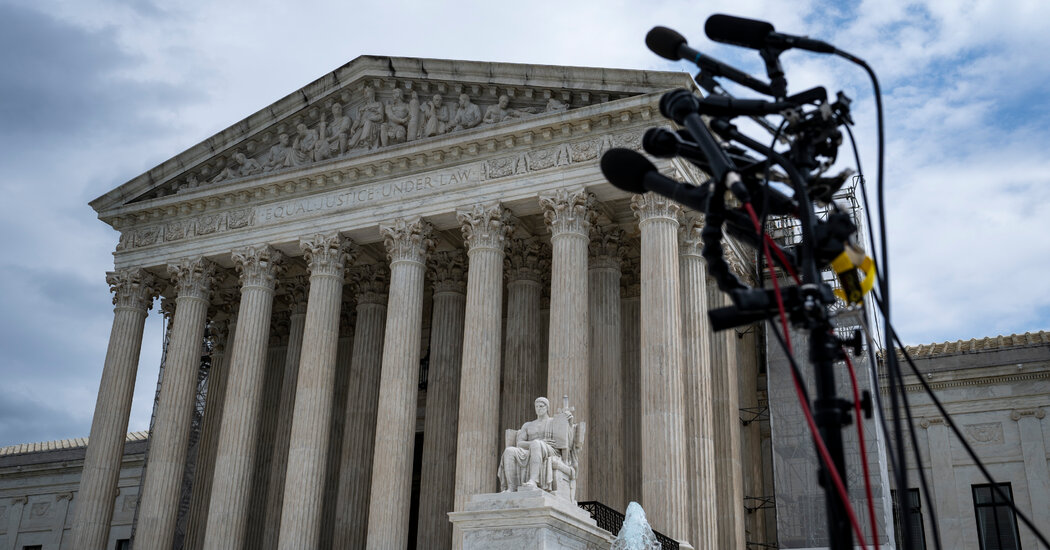
The article discusses how the upcoming Supreme Court cases challenging Trump's tariffs will serve as a loyalty test for Republican justices, examining whether they uphold the major questions doctrine to limit executive power or favor Trump’s policies, highlighting the political and legal implications of their decisions.
The article discusses potential legal issues in Letitia James' mortgage contract, where ambiguous language could undermine fraud allegations, as experts suggest the contract does not prohibit renting the property and the indictment lacks concrete evidence of criminal intent.
The article discusses how President Trump's public comments and hostility towards James Comey could potentially be used by defense lawyers to argue that the prosecution against Comey is politically motivated or vindictive, although such claims are difficult to prove legally.
The article discusses the distinction between hate speech and protected free speech under the First Amendment, highlighting recent statements by Trump administration officials about punishing hate speech, and clarifying that speech crossing into threats of violence is not protected by law.
The article discusses how Trump's lawyers inadvertently admitted that his tariffs are likely illegal, as the Supreme Court appears to be applying a controversial and ungrounded 'major questions doctrine' selectively to strike down policies, raising questions about judicial bias and consistency.
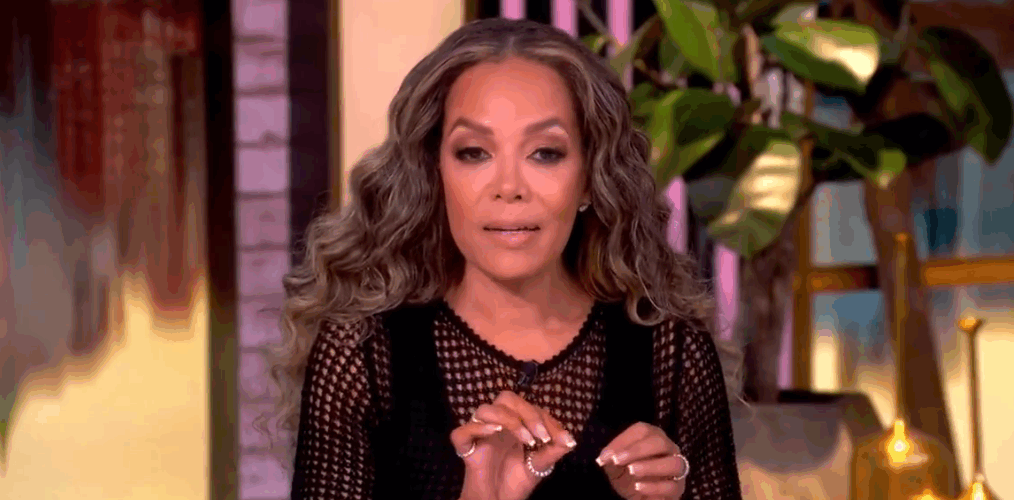
On The View, Sunny Hostin discussed Diddy's trial verdict, highlighting the complexities of the charges and the jury's decision, and expressed her dismay over his detention before trial, emphasizing the challenges in prosecuting such cases and the societal implications.
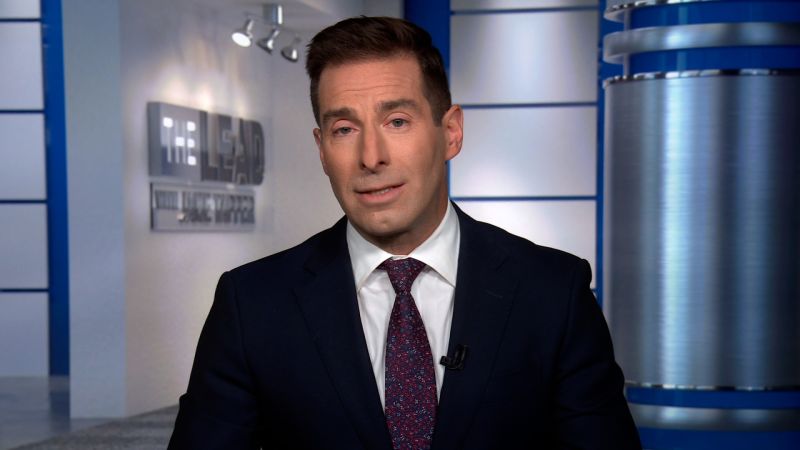
CNN's senior legal analyst Elie Honig discusses the likelihood of a judge dismissing Donald Trump's criminal case in New York following his reelection as President. Honig provides insights into the legal challenges and potential outcomes of the case.
CNN Legal Analyst Joey Jackson explains how the prosecution is using the "rain metaphor" in former President Donald Trump's hush money trial to illustrate their arguments.
CNN legal analyst Ryan Goodman discusses the potential defense strategy that may be used during the closing arguments in former President Donald Trump's hush money trial.
Legal analyst Glenn Kirschner predicts that the jury will convict Donald Trump in his criminal hush money trial, citing strong evidence against him. However, other legal experts suggest a hung jury is more likely due to the credibility issues surrounding key witness Michael Cohen and the complexities of the case. The jury's decision will follow closing arguments and instructions from Judge Juan Merchan.
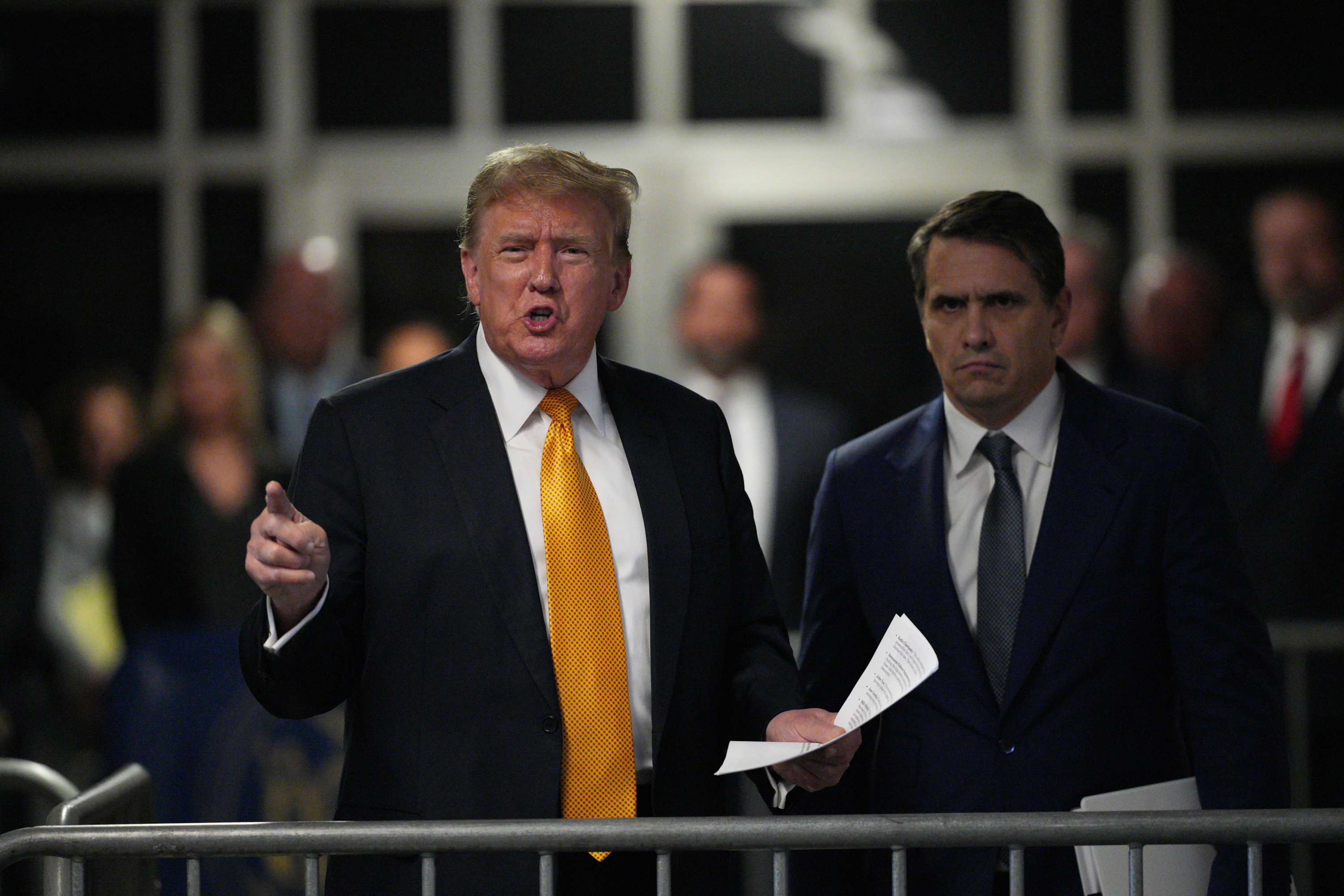
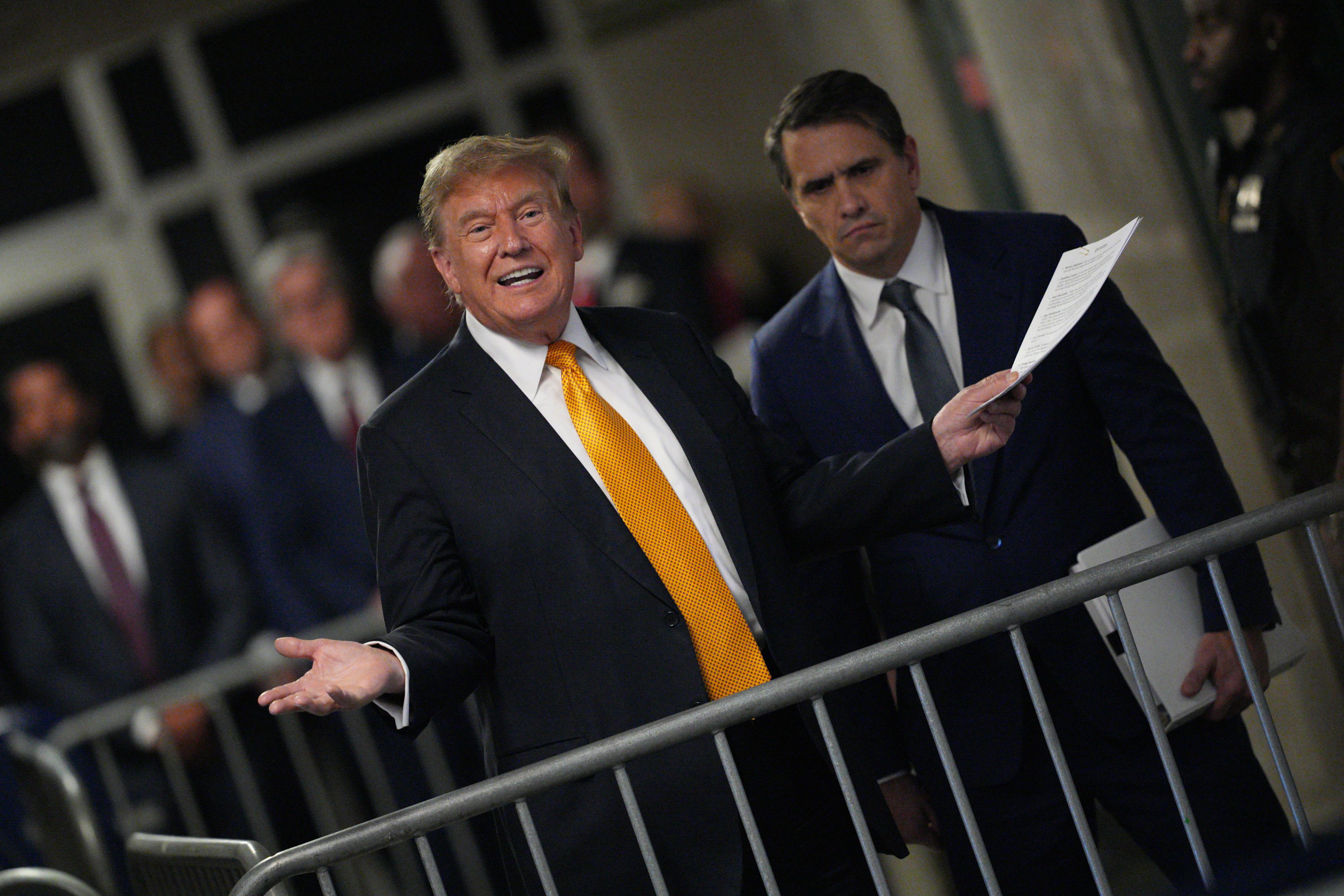
Prosecutors in Donald Trump's hush money trial may face challenges convincing the jury of felony offenses due to potentially complex jury instructions on campaign finance laws. Legal experts suggest that the prosecution's case could be hindered if jurors are not clearly informed about the specifics of these laws. Trump has pleaded not guilty to 34 charges of falsifying business records related to a $130,000 payment to Stormy Daniels.
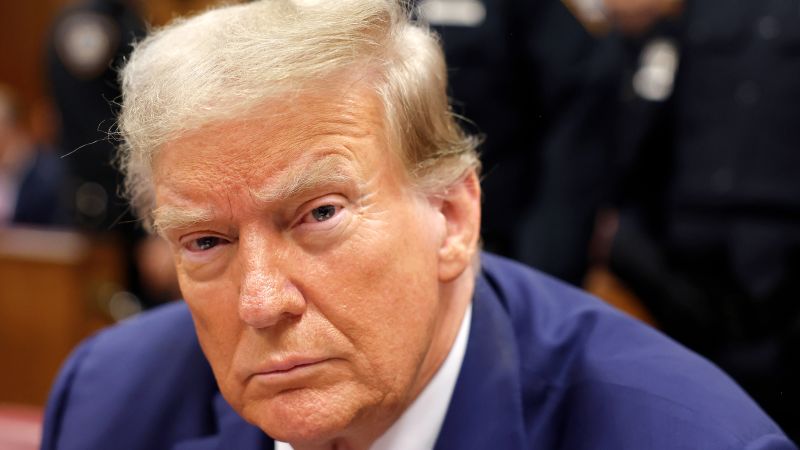
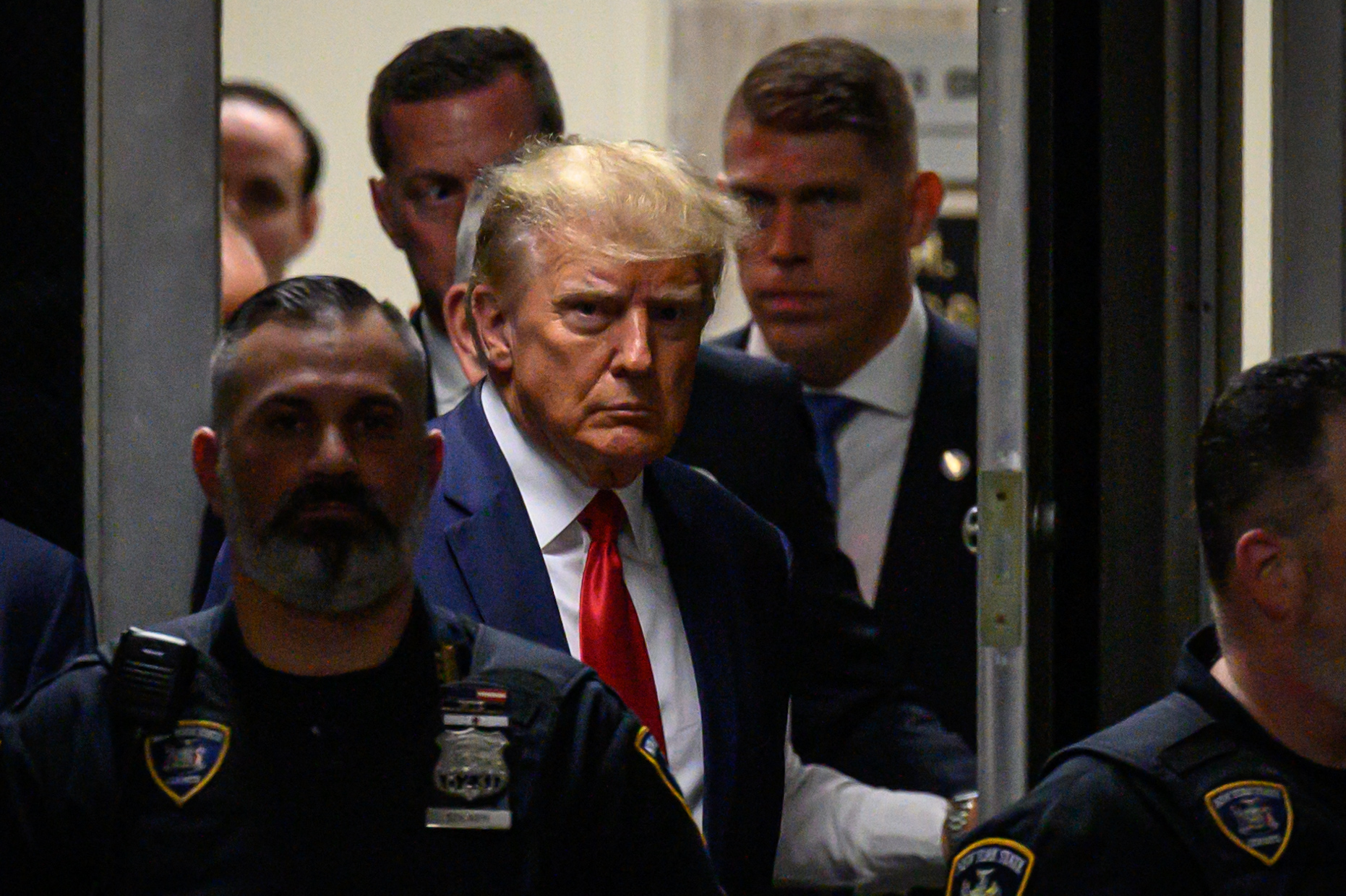
Former President Donald Trump is set to face his first criminal trial on charges of illegally falsifying business records to hide hush money payments to Stormy Daniels. Legal analyst Katie Phang argues that the trial will level the playing field for Trump, as he will be referred to as "criminal defendant Donald Trump" and be subject to the judicial process. Polls suggest that a conviction could significantly impact his support among voters, with a majority indicating they would not vote for him if he were convicted of any felony charges.