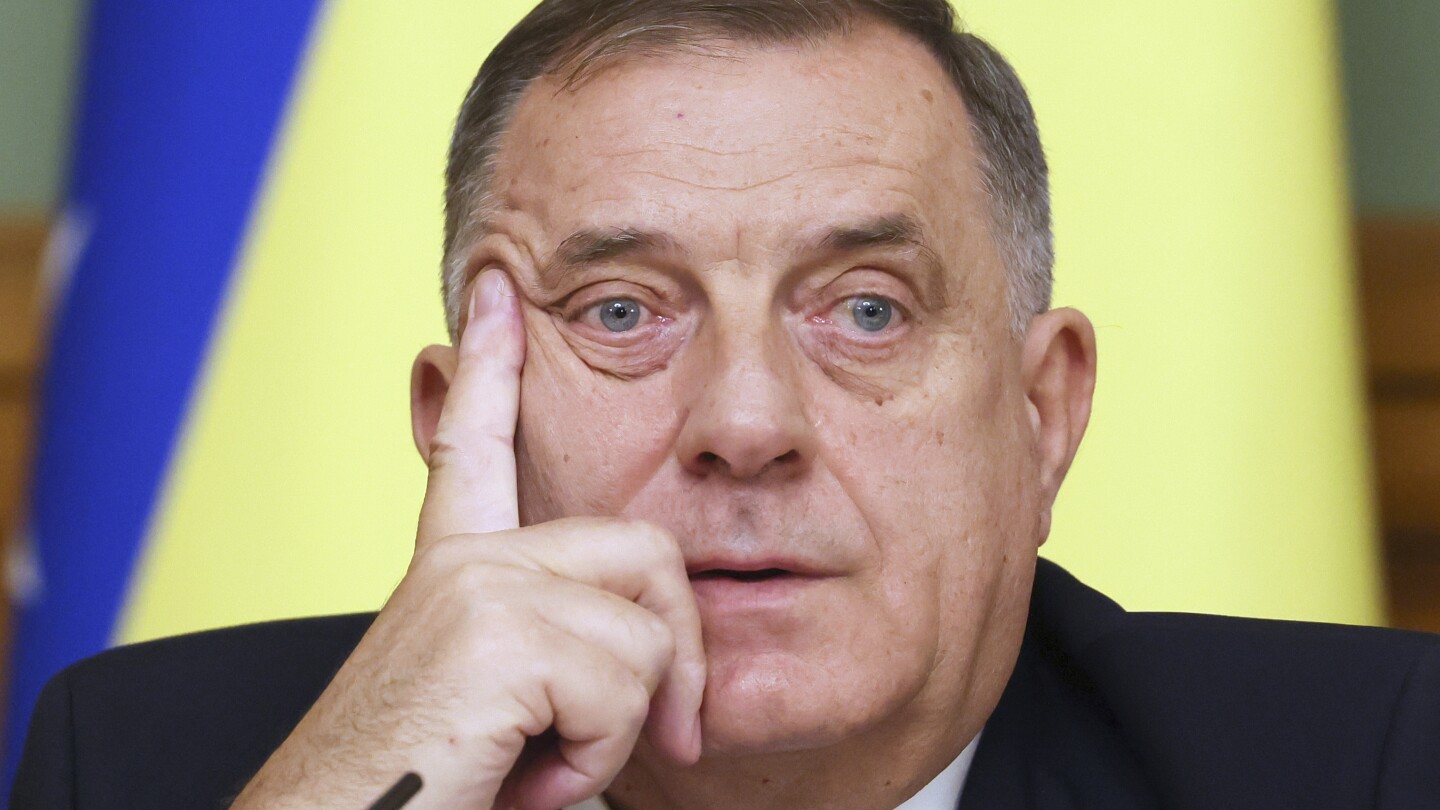
Slovenia has banned Bosnian Serb leader Milorad Dodik from entering the country due to his refusal to step down from his position and his pro-Russian stance, amid concerns over his policies undermining peace in Bosnia and potential regional instability.
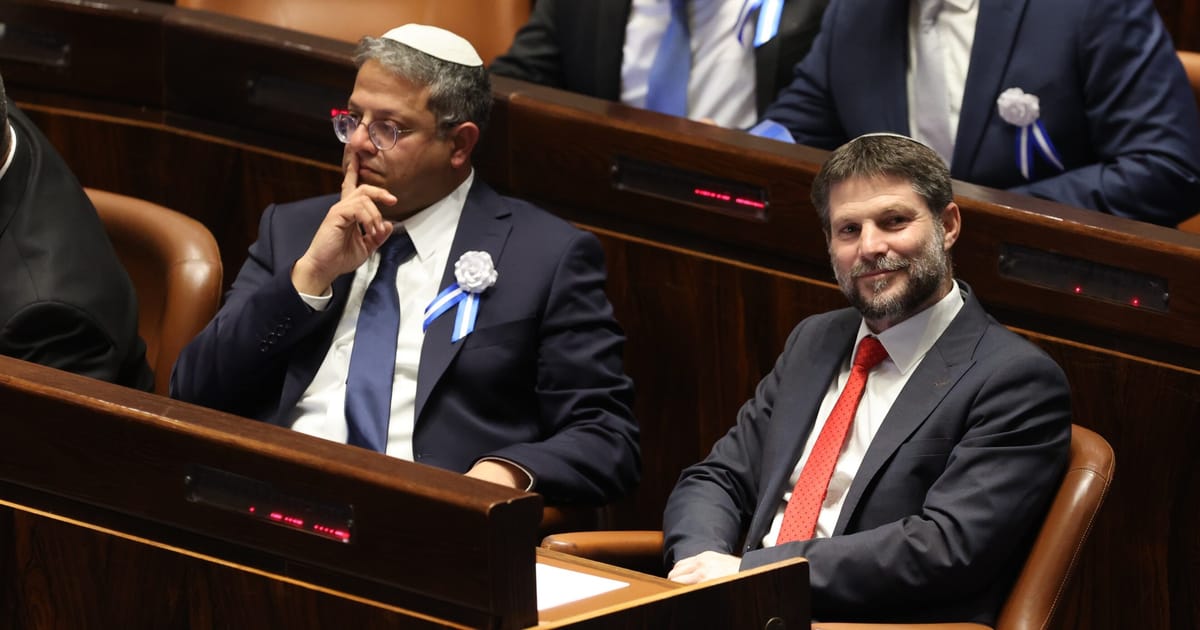
The Netherlands has banned Israeli ministers from entering the country due to their advocacy for what the Netherlands describes as ethnic cleansing in Gaza.
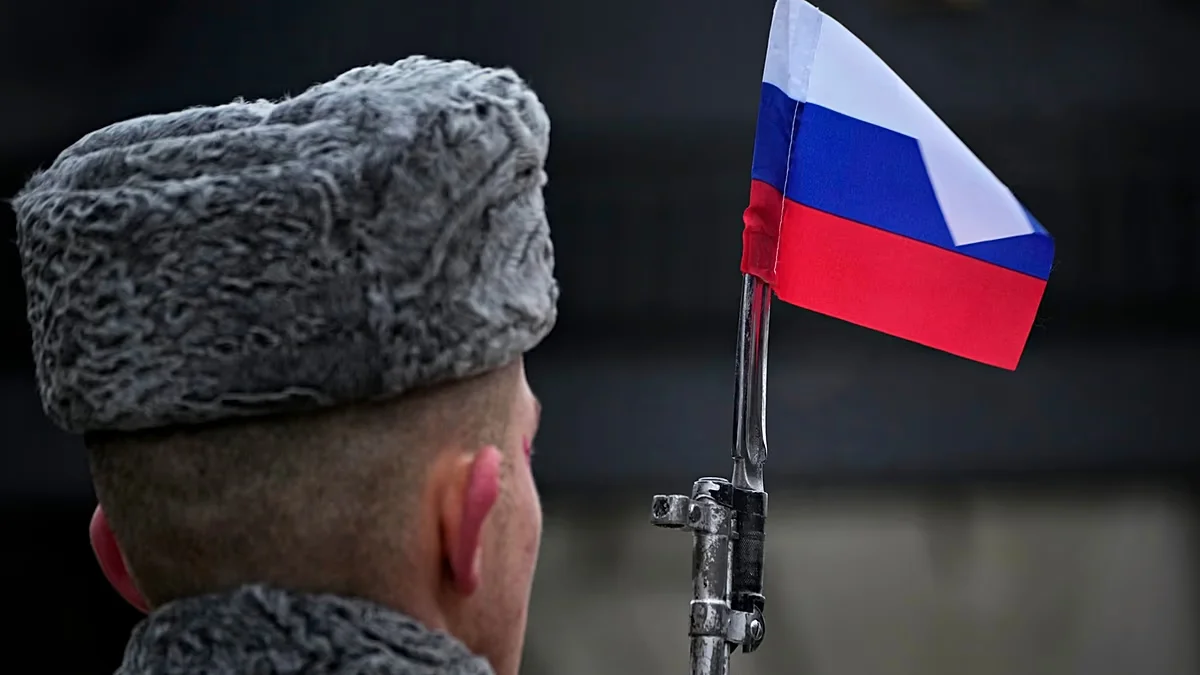
Russia has banned 18 British military, political, and academic figures from entering the country in response to what it perceives as London's efforts to diminish its global influence. The ban includes individuals from various sectors, including defense, academia, and politics. Russia's Foreign Ministry accused the UK of supporting the "neo-Nazi regime in Kyiv" and contributing to the ongoing conflict in Ukraine. In retaliation, the UK has imposed sanctions on nearly 2,000 Russian nationals for their alleged support of Moscow's invasion of Ukraine.
Estonia and Lithuania have warned that passenger vehicles with Russian license plates could be confiscated following a Baltics-wide entry ban. The ban was issued after the European Commission clarified that existing regulations prohibit the import or transfer of goods originating in Russia. Supporters of Alexei Navalny have urged Baltic leaders to lift the ban, claiming it harms Russian war exiles and plays into the Kremlin's narrative of anti-Russian sentiments in the West. Moscow has accused the EU of "racism" for the ban, while former President Dmitry Medvedev called for a suspension of diplomatic relations.